Archive for the 'Freshwater' Category

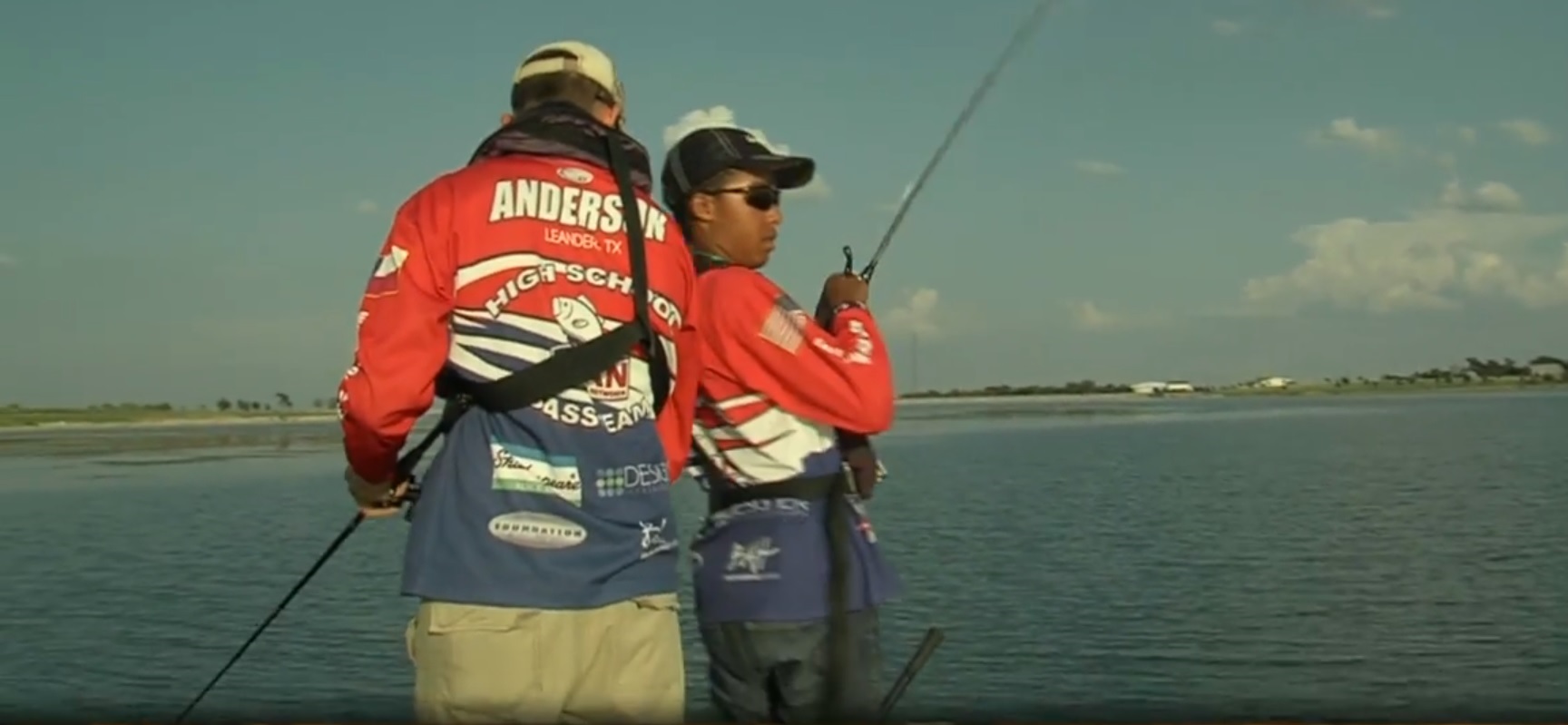
Toyota Texas Bass Classic

Monday, October 17th, 2011

This is Passport to Texas

The Fifth annual Toyota Texas Bass Classic Tournament returns to the Lone Star Convention & Expo Center in Conroe, October 28th through the 30th. Lenny Francoeur (Fran-Koor) is tournament director.

31—First and foremost, the Toyota Texas bass Classic raises funding and awareness for the Texas Parks and Wildlife.

This is a world championship professional bass fishing tournament. It’s a world class country music festival. And we’ve got a huge exhibit area, an interactive component of the event. There truly is something for everyone. And it’s absolutely free.

So, you can come out with as many friends and family as you want to bring. Get your tickets in advance, and come out at the end of October and see some world class fishing and world class country music artists.

Francoeur says listeners may be able to obtain a pair of free tickets by going to the Bass Classic website and signing up for their newsletter …

08— …Until we have distributed the full quantity of tickets we have allotted.

Once the free tickets have been distributed, others will be available, says Francoeur, at a nominal charge.

06—We allow kids seventeen and under to get in free as long as they’re with a ticket adult. And we’re looking forward to seeing everyone in October.

Find a link to more information at passporttotexas.org.

For Texas Parks and Wildlife…I’m Cecilia Nasti.
ShareLunker: Breeding Better Bass

Thursday, October 6th, 2011


This is Passport to Texas

One of inland fisheries’ management goals includes creating world class angling opportunities in Texas. One way that’s happening is through the Toyota Texas ShareLunker program.

A lunker is a largemouth bass caught between October first and April 30th that weighs 13 pounds or more.

David Campbell oversees the program and says anglers loan these bass to Parks and Wildlife for spawning and research purposes.

The Texas Freshwater Fisheries Center here in Athens is where we pick up the fish, and we spawn ‘em. We do some of the genetic identification and stuff like that here. Also, Lorraine Fries and her staff at A.E. Wood is doing the actual genetic research on it – on the muscle tissue and the blood samples and the stuff that we send them. And we have a geneticist on staff down there that is actually directing the program. You need that. I’ve raised fish for the last 38 years or so, and when you start looking into the genetic side of things it takes people who have special training.

Hatcheries staff conducts research on bass loaned or donated to the program to produce potentially trophy-sized fish for stocking in Texas public waters.

Learn about the program by logging onto the Texas Parks and Wildlife Website.

The Sport Fish and Wildlife Restoration Program supports our series and works to increase fishing, hunting, shooting and boating opportunities in Texas.

For Texas Parks and Wildlife…I’m Cecilia Nasti.
History of a Fish Story

Wednesday, October 5th, 2011


This is Passport to Texas

Anglers help keep bass fishing interesting in Texas by donating their lunkers to the Toyota Texas ShareLunker Program where they’re used for spawning and genetic research.

07—A ShareLunker is a largemouth bass that weighs 13 pounds or more and is caught between October the first through April the 30th.

David Campbell’s oversees the Toyota ShareLunker Program. He admits in the beginning he wasn’t convinced anglers would participate.

07—I was reluctant for the fact that I didn’t think the anglers would be willing to loan us the biggest fish they ever caught in their life.

When the first lunker came to the program in 1986, not only did Campbell’s concerns disappear, but the fish caused quite a splash.

08—We made national news and it was just like from there on, people call you, and they want to loan you their ten pounders…their eight pounders (laughter)

Thousands of visitors traveled to the Tyler fish hatchery where TPW kept the lunker, just to get a peek.

13—Sometimes they were lined up all the way up to the house, which I lived on the hatchery there, around the office, they’d be lined up down the road, and I’d go out there and open up the door
and let them see the fish…and we had over ten thousand visitors that signed a register one year.

More about the ShareLunker program tomorrow.

The Sport Fish and Wildlife Restoration Program supports our series.

For Texas Parks and Wildlife…I’m Cecilia Nasti.
Taking Down Tilapia

Thursday, July 21st, 2011

This is Passport to Texas

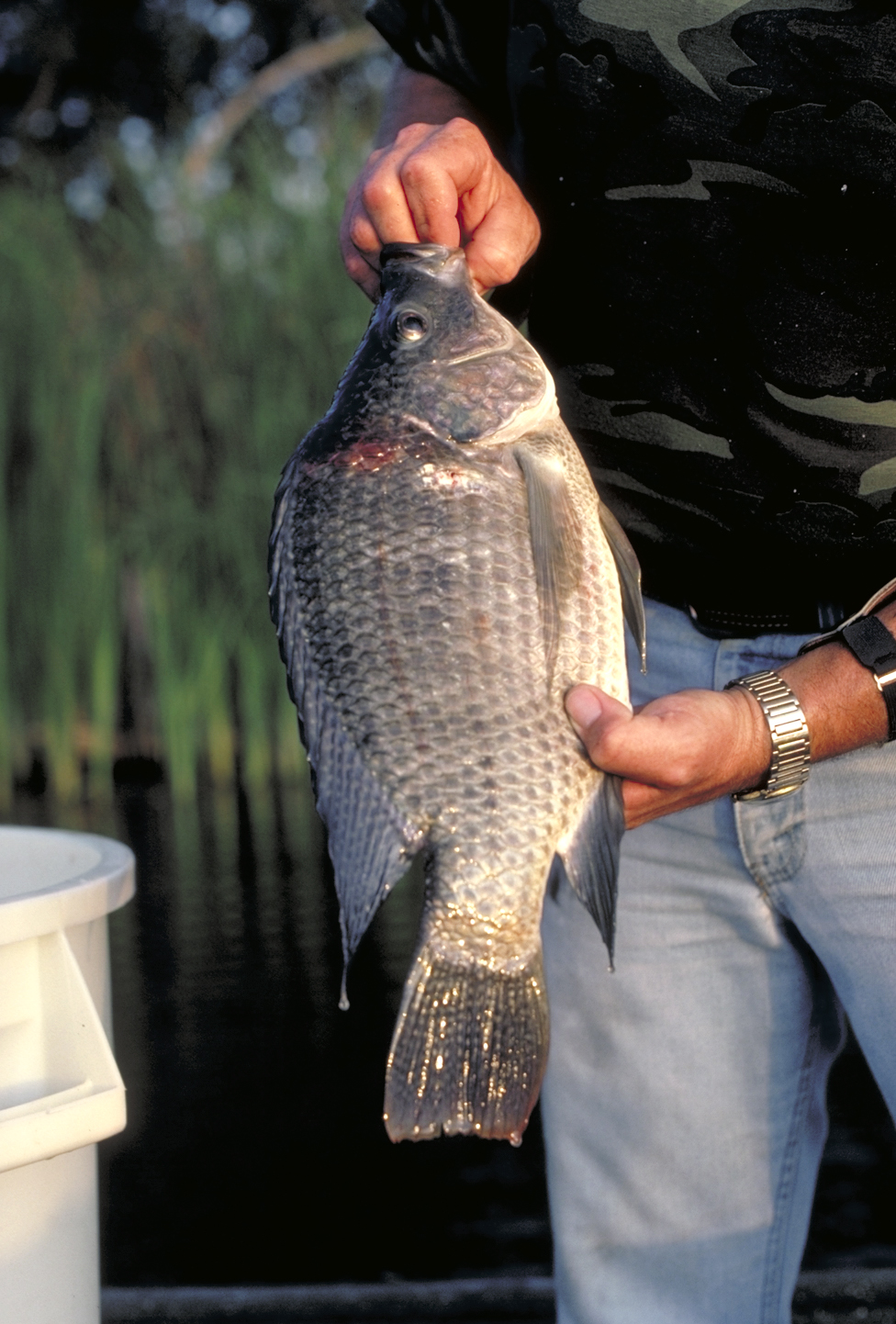
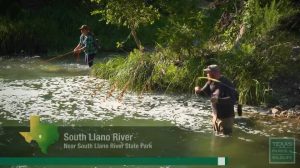
When you hear the word tilapia, you may think of a savory meal with lemon butter sauce, but you probably don’t think of the term “invasive species.”

11—The tilapia are great to eat. They’re raised as a food fish, and they’re quite tasty. They’re quite popular in restaurants. But the problem is when they’re in our natural waters they are upsetting the ecosystem.

Tilapia have been in Texas for decades. They were originally brought in as a food source to be raised in fish farms, but eventually made they’re way into Texas waters.

Gary Garrett, a Texas Parks and Wildlife fisheries biologist, says tilapia can be a threat to large mouth bass and other native species.

16—They build big pit nests and in doing that they stir up a lot of the settlement. And it’s been shown, for example, with large mouth bass, all that sediment stirred up and settling back down will often kill large mouth bass eggs.

When tilapia do this, they can potentially damage the entire ecosystem because of the intricate food chain.

Texas Parks and Wildlife does have state regulations for tilapia, but because tilapia are found all over the state, they are difficult to control. But if you like to fish, Garrett says you can help.

03—Don’t throw them back. If you catch them, keep them.

So next time you catch a tilapia, turn on the grill and get cooking. You’ll be doing yourself and the Texas ecosystem a favor. The SF Restoration program supports our series…and works to increase fishing and boating opportunities in Texas.

For Texas Parks and Wildlife, I’m Cecilia Nasti.

ShareLunker Program Overview

Monday, April 4th, 2011

This is Passport to Texas

Anglers know they can find big bass in Texas.

06—We have more big bass caught in Texas than anywhere I know of. I’m talking about anywhere in the United States or anywhere in the world.

David Campbell coordinates a bass spawning program at Parks and Wildlife, called the ShareLunker program.

17—I know there’s been some bigger fish caught in California, Florida—but it’s the numbers of big fish. And the anglers can go to almost any reservoir in the state of Texas and have the potential of catching a thirteen pound plus large-mouth bass. I don’t think that anyone else can come close to that.

Anglers who reel in largemouth bass weighing 13-pounds or more through the end of April are encouraged to donate their catch to the ShareLunker program.

The donated bass enter into a spawning program, with the hope of creating faster growing, bigger bass.

10—We’ve had somewhere in the neighborhood of three quarter of a million fry from the ShareLunkers through the years. We’ve had some years we didn’t have any spawn. Then some years we might have five, six or seven spawn.

The challenges of breeding bass in captivity…that’s tomorrow.

That’s our show for today…with support fro the Sport Fish Restoration Program…providing funding for the Texas Freshwater Fisheries Center in Athens…

For Texas Parks and Wildlife…I’m Cecilia Nasti.