Archive for the 'Conservation' Category

Citizens Monitor Monarchs

Tuesday, January 23rd, 2018
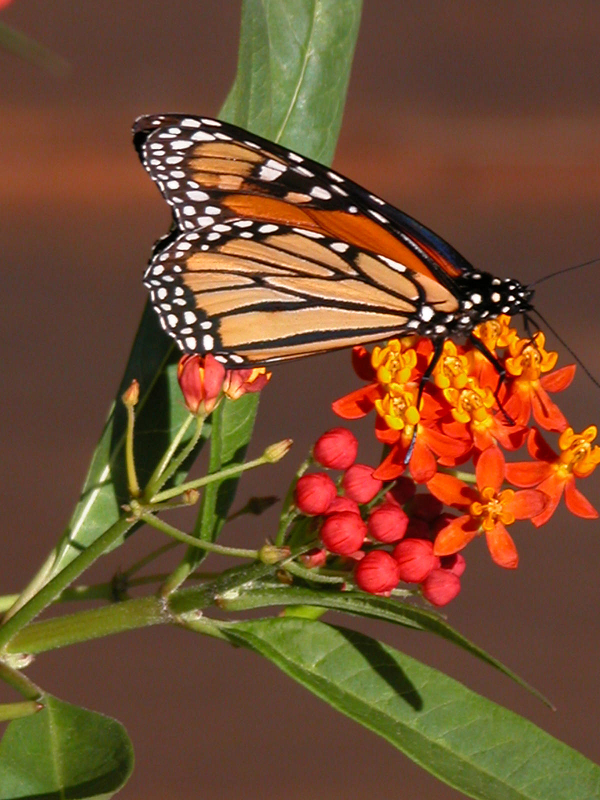
Monarch on milkweed.

Monarch on milkweed.

This is Passport to Texas

Why are monarch butterflies declining?

The current thought is that it is actually several different factors that are contributing to the decline that we’re seeing.

Ben Hutchins is TPW’s invertebrate biologist. Deforestation of their winter roosts in Mexico, cold winters, and prolonged drought along their migration path, has had negative effects.

And then, finally, what this project is addressing is this widespread decline in availability of milkweed plants. That’s due to a couple things: predominantly increased use of certain herbicides.

Texas Milkweeds and Monarchs is a citizen science project where folks keep an eye out for the state’s 37 different species of milkweeds –vital to the monarch’s lifecycle – and then then share observations on iNaturalist.org.

We have experts that are going to be looking at these observations and identifying those.

Hutchins says more than a thousand contributors have logged more than seven thousand observations of all 37 milkweed species. Texas Parks and Wildlife also has guide to Texas milkweeds to help you ID the plants.

It is available online, [with] pictures of all of the different species of milkweeds, distribution maps—to let you know if you’re in the right part of the state—and also some of the key characteristics.

Find it on the Nature Trackers page of the Texas Parks and Wildlifewebsite.

The Wildlife Restoration program supports our series.

For Texas Parks and Wildlife…I’m Cecilia Nasti.
Managing for Monarchs

Monday, January 22nd, 2018
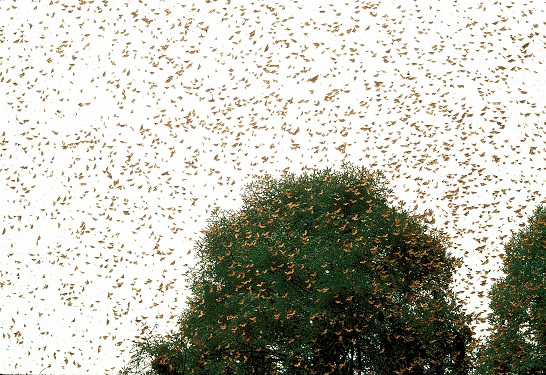
Monarchs at their overwintering site in Mexico.

Monarchs at their overwintering site in Mexico.

This is Passport to Texas

Monarch butterflies, which are beautiful, are declining. Yet, they’re not especially good pollinators, or a significant food source for other critters. So, is being pretty reason enough to save them?

I think it’s important not to deemphasize how important this is. If you’re ever out on a Texas river in the fall, and you have hundreds or thousands of monarchs coming through – that’s a fabulous natural phenomenon.

You make a good point Ben Hutchins. Ben is Texas Parks and Wildlife’s invertebrate biologist. He says the insects have a practical value in Mexico where they overwinter.

Overwintering monarchs are a really important source of economic income as tourists come from around the world to see them.

Conserving monarchs also benefits other Texas species.

Monarch conservation, benefits a whole suite of other species. So, for example, if you’re managing a landscape to benefit monarchs, you’re also going to be benefitting many other pollinators. They also benefit a host of larger species. For example, if you’re managing habitat – keeping it open as a prairie or savannah – that’s going to be benefitting upland bird species like quail; so there’s really an economic incentive of for being conscious of monarchs when we’re managing landscapes.

Who knew, right? Tomorrow: a citizen science project to help monarchs.

The Wildlife Restoration program supports our series.

For Texas Parks and Wildlife…I’m Cecilia Nasti.
Monarch Malaise

Wednesday, November 15th, 2017
Monarch on milkweed.

Monarch on milkweed.

This is Passport to Texas

Habitat loss along its migration route may be one reason the Monarch butterfly is in decline. While feeding on nectar, Monarchs pollinate wildflowers along their route, which benefits our ecosystem.

There are two primary ways that habitat supports pollinators.

Johnnie Smith oversees outreach and education at Texas Parks and Wildlife.

And one is, the adult pollinators oftentimes feed on nectar of flowers. So, flowering plants that are a food source for the pollinator is very important. But also, is the food source that the pollinator’s larvae rely on as they’re growing up and becoming an adult. And so, that is just as important as the flowering plants that support the adults.

For Monarchs, native milkweed is an important plant. By cultivating them in our yards, along with other nectar and larval plants, we can all play a part in their survival.

There is no effort that is too small to be counted worthy. And there’s no spot of land that is too small to contain pollinator habitat. So, we really want to empower everybody—tht they can make a difference. Right where you stand. Right where you live—you can crate pollinator habitat, and help turn around this negative trend with the monarchs.

Find native and adapted plants for pollinators on the Texas Parks and Wildlife website.

The Wildlife Restoration program supports our series.

For Texas Parks and Wildlife…I’m Cecilia Nasti.
Whooper Week: Become a Whooper Watcher

Friday, October 20th, 2017
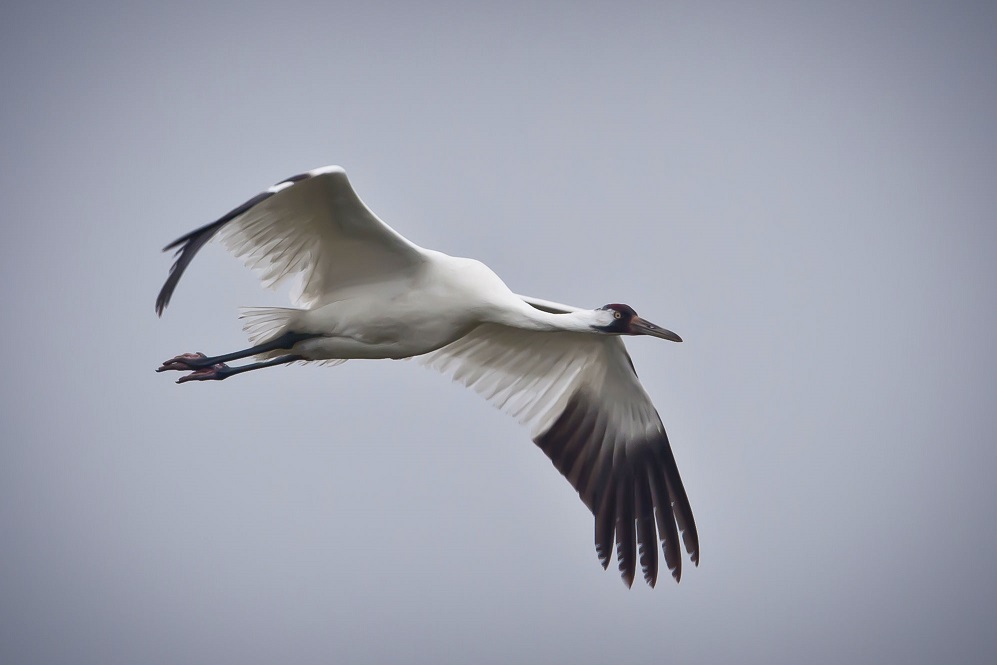
Whooping crane in flight.

Whooping crane in flight.

This is Passport to Texas’ Whooper Week

People of all ages can become citizen scientists through Texas Parks and Wildlife’s Texas Nature Trackers program.

Texas Nature Trackers is a program that gets citizens involved in helping us collect data on rare species.

Marsha May is a biologist in the program, which includes Texas Whooper Watch. When Whooper Watch started in 2011, the state was in drought; this affected wetlands at Aransas National Wildlife Refuge, where the whoopers winter.

Their main diet down there is the blue crab. But, that particular year [2011], there was not a lot of freshwater coming down to the coast, so the wetlands were really salty. So, a lot of the birds went further inland.

Two hundred miles farther inland at Granger Lake, where they ate mussels instead of their usual diet of crabs.

That’s where Texas Whooper Watch comes in. We want to get sightings of whoopers outside of their normal range at Aransas. Is this something that’s going to happen continually in the future? Are they expanding their range? These are questions we would really would like to see answered. Citizen scientists can get involved by documenting birds in the areas where they’re not normally found.

Find details on Texas Whooper Watch on the Texas Parks and Wildlife website.

The Wildlife Restoration program supports our series.

For Texas Parks and Wildlife, I’m Cecilia Nasti.

Whooper Week: Help Track Whooping Cranes

Thursday, October 19th, 2017
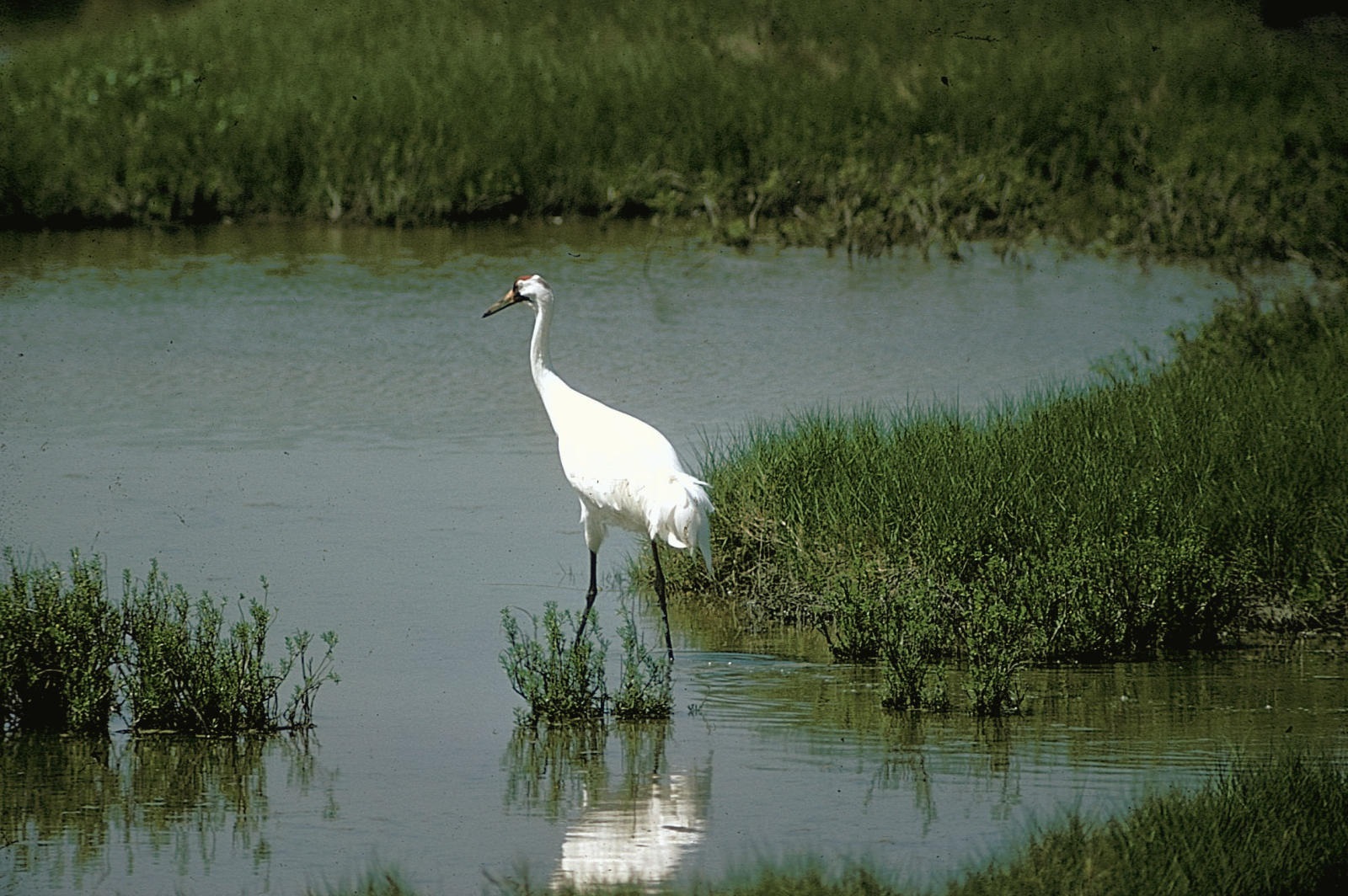
A whooping crane in quiet contemplation.

A whooping crane in quiet contemplation.

This is Passport to Texas…Whooper Week.

October brings mild temperatures and Whooping Cranes to Texas.

Mid-October is when they start coming back to Texas. So, it’s a great time to start looking for them.

Marsha May is a biologist with Texas Parks and Wildlife.

They basically come through the central portion of the state. So, it’s that route between Canada and Aransas National Wildlife refuge.

Marsha oversees several Texas Nature Tracker projects, including Texas Whooper Watch.

Texas Whooper Watch started 2011, about the time we had that drought. Because we were seeing whooping cranes going to new locations that we had never seen before. They were showing up at Granger Lake; two or three hundred miles north of their natural wintering habitat.

If you catch sight of a whooper, join the growing ranks of citizen scientists: document your sighting with the iNaturalist app.

Citizen scientists with Texas Nature Trackers collect data using iNaturalist. You can use your smart phone to take pictures of things and that data comes back into iNaturalist; and that’s data that we can use for many different things.

More on Texas Nature Trackers and Whooper Watch tomorrow.

The Wildlife Restoration program supports our series.

For Texas Parks and Wildlife, I’m Cecilia Nasti.
