Archive for the 'Conservation' Category

Hunting: Turkey Hunting Isn’t Just a Fall Pursuit

Friday, May 2nd, 2014
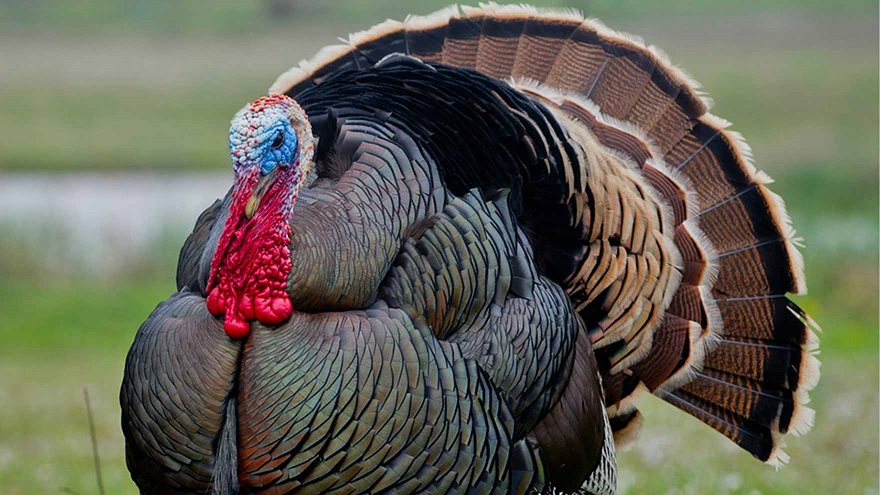
A gorgeous gobbler.

A gorgeous gobbler.


This is Passport to Texas

Spring hunting season for turkey wraps up this month.

04— In Texas – the majority of the state – the western two-thirds of the state are going to be Rio Grande Turkey.

Robert Perez, upland game bird manager at Parks and Wildlife, says over the long term, Rio Grande turkeys are doing well in their range. Another sub-species is the Eastern Wild Turkey, which occurs in deep East Texas.

13— And it’s population, for many years, Texas Parks and Wildlife and partner –the National Wild Turkey Federation – worked very, very diligently to restore that bird. But there is a spring eastern season in certain east Texas counties only.

You can find those counties in the online version of Outdoor Annual on the Texas Parks and Wildlife website. Meantime, if you plan to take advantage of the waning days of spring turkey season…

13— To hunt any upland game bird, there’s the upland game bird stamp – a seven dollar stamp – required to hunt pheasant, quail, turkey, or chachalaca. So, to hunt those species, you buy that stamp, and then that goes toward the conservation of that bird.

Find license, hunting and management information for all game species on the Texas Parks and Wildlife website.

The Wildlife and Sport Fish Restoration program supports our series, funded by your purchase of fishing and hunting equipment and motor boat fuel.

For Texas Parks and Wildlife, I’m Cecilia Nasti.
Safety: When Face-to-Face with a Black Bear

Wednesday, April 30th, 2014

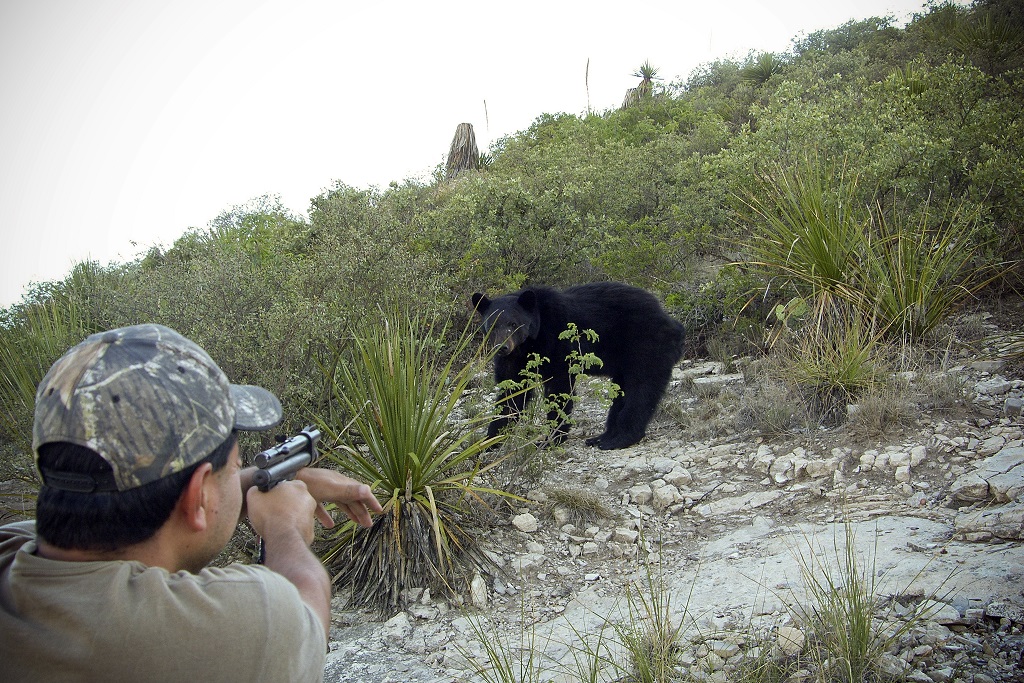
Mexican researcher preparing to shoot tranquilizer at bear. Image courtesy the Government of Mexico.

Mexican researcher preparing to shoot tranquilizer at bear. Image courtesy the Government of Mexico.


This is Passport to Texas

Black bears are returning to Texas after a long absence. No need for concern, though. While they aren’t cuddly teddy bears, they aren’t ferocious 800 pound grizzlies, either.

07—Black bears are much smaller animals. A very, very big black bear in Texas is 400 pounds.

They’re still big wild animals –emphasis on wild. Black bears keep a low profile, but Texas Parks and Wildlife mammalogist, Jonah Evans, says it is possible to come into contact with one because—well—they’re a lot like us.

13—Bears are a masterful generalist; this is where they can end up causing a problem with people, because they love human food. You know, humans are generalists, too. We can eat nuts and berries and meat and bears do as well.

Bears follow the food, making it wise when camping to keep your food at least 100 feet away from your sleeping area. However, if you do come face-to-face with one of these mammals…

24—What you want to watch out for is any kind of predatory behaviors, which are extremely rare. Most often what people think is threatening is a bear might stand up on its hind legs, growl, slam its feet down on the ground, pop its jaw – what we call ritualistic behaviors. And what that bear is doing is trying to communicate in as clear a way as it can that we are invading its territory, and just to back away.

Jonah Evans says attacks on people are rare, and primarily by solitary males, not females with cubs.

The Wildlife and Sport Fish Restoration program supports our series and funds diverse conservation projects in Texas. For Texas Parks and Wildlife, I’m Cecilia Nasti.

Aquaponics: Drought and the Future of Food

Thursday, April 17th, 2014

Aquaponics: herbs, photo courtesy Heart of Gold Organics

Aquaponics: herbs, photo courtesy Heart of Gold Organics


This is Passport to Texas

Aquaponics is a method by which waste created by fish fertilizes crops through a recirculating filtration system. Using substantially less water than conventional agriculture, aquaponics may be the future of small-scale commercial farming.

15— With the recent droughts, Texas growers are hoping they’ll have more opportunities with aquaponics to engage in commercial growing and to produce lettuce and vegetables for restaurants as well as for selling to farmers markets.

Monica McGarrity is an aquatic invasive species biologist with Parks and Wildlife. Regulations, fees, and permits for an aquaponics system may apply; in some cases, producers raising tilapia may require a permit.

30—The key distinction is going to be whether they’re engaging in personal aquaponics or commercial aquaponics. If they’re not selling the fish, and the fish are Mozambique tilapia – this one species of tilapia – then a permit is not required. There are some stipulations, and that includes: the fish must be obtained from an exotic species permit holder; you also have to keep what’s called the exotic species transport invoice for as long as you have the fish; lastly – no fish can leave the property alive.

They must have guts or head removed before leaving the premises. We have links to more information as well as permit applications and transportation invoices at passporttotexas.org.

The Wildlife and Sport Fish Restoration program supports our series and funds diverse conservation projects in Texas.

For Texas Parks and Wildlife, I’m Cecilia Nasti.
Conservation: Money for Horny Toads

Tuesday, April 15th, 2014

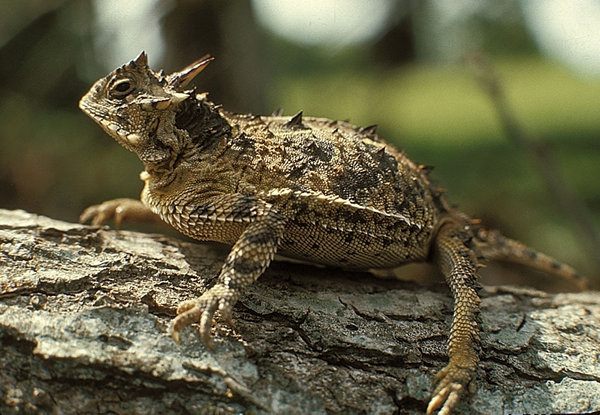
A  very handsome fellow: The Texas Horned Lizard

A very handsome fellow: The Texas Horned Lizard


This is Passport to Texas

For Texans of a certain age, horned lizards were a common sight; not anymore. Luckily, money raised from the sale of horned lizard conservation license plates provides funds to study this enigmatic species.

06— We have funded conservation projects on Texas horned lizards. One of those is with the Fort Worth Zoo.

Michael Warriner is non-game program supervisor with Texas Parks and Wildlife.

18—Fort Worth Zoo has an active captive breeding program, and they’re working at reintroducing Texas horned lizards back to areas where they used to occur. And we’ve supported that effort in terms of supplies, personnel, and helping them facilitate that reintroduction of horned lizards.

Warriner says monies from the plate also fund a project by Texas Tech that studies horned lizard habitat use.

07—So we can understand what sorts of habitat they prefer, and how can we manage habitat to better support their populations.

Development has reduced historic horned lizard habitat.

10—There may be other factors preventing them from reestablishing, but we try and determine what’s the best quality habitat [currently available] and reintroduce them to those areas.

Find information about the horned lizard and other conservation plates at conservationplate.org.

The Wildlife and Sport Fish Restoration program supports our series and funds diverse conservation projects in Texas.

For Texas Parks and Wildlife, I’m Cecilia Nasti.
Wildlife: Texas Conservation License Plates

Monday, April 14th, 2014

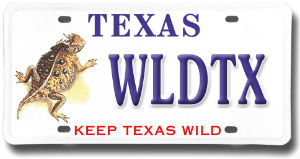
Horned Lizard Conservation Plate

Horned Lizard Conservation Plate


This is Passport to Texas

How many times have you seen a Texas license plate with a drawing of a horned lizard on it and wondered what it meant.

09— The horned lizard license plate is a critical source of funding that helps us do a lot of work on non-game animals.

Twenty-two dollars of the $30 cost of the plate funds non-game study. Michael Warriner is non-game program supervisor with Texas Parks and Wildlife.

13—If you think about it, most wildlife in Texas is non-game. So, these are the species that are helping to shape Texas ecosystems; and helping to support populations of animals that we do hunt.

Compared to funding for game species, monies for studying these “less loved” species are not as robust. Moreover, it’s not just about studying VICs – very important critters.

10—It also enables us to do work on native plants, and also to fund educational programs regarding non-game and Texas habitats.

Tomorrow: we find out how sales of the horned lizard license plate are helping…well…the horned lizard.

That’s our show for today…Funding provided in part by Ram Trucks. Guts. Glory. Ram

For Texas Parks and Wildlife, I’m Cecilia Nasti.
