Archive for the 'Fishing' Category

Angling: Red Snapper

Monday, July 14th, 2014
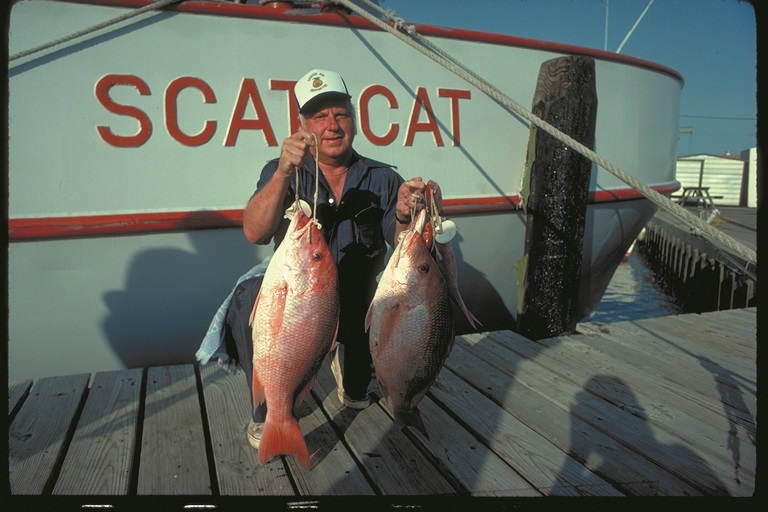
Nice looking red snapper.

Nice looking red snapper.


This is Passport to Texas

Seasoned anglers may roll their eyes when I make this confession, but I have been using “redfish” and “red snapper” interchangeably. This—I know now—is wrong.

11— Red snapper is different from what people commonly refer to as redfish or red drum. So, yes. Two different species. Red snapper and red drum… of which red drum is often referred to as redfish.

Thank you, Jeremy Leitz [LEETZ], for clearing that up. Jeremy is with coastal fisheries. These species are easy to tell apart: Red drum is more streamlined and has a black dot on its tail; red snapper is chunkier and…well… redder.

08—Red snapper are typically found in deeper waters along structures such as artificial or natural reefs. While red drum are in the gulf, they’re typically more sought after in our bay systems.

I’m telling you this because Parks and Wildlife’s Coastal Fisheries division requests your help with a voluntary red snapper survey, which makes accurate identification of the species vital.

14— What we’re asking of recreational anglers is that after a fishing trip, they log onto a website to record the number of red snapper that trip harvested. Only one angler needs to report per party, but again, after you’re done with your trip, log into the website and report the number you have caught.

The survey is a pilot program that continues through May 2015. Find it on the Texas Parks and Wildlife website.

The Wildlife and Sport Fish Restoration program supports our series; it’s funded by your purchase of fishing and hunting equipment and motorboat fuel.

For Texas Parks and Wildlife, I’m Cecilia Nasti.
Parks: A Seaside Park’s Rebirth

Wednesday, July 2nd, 2014

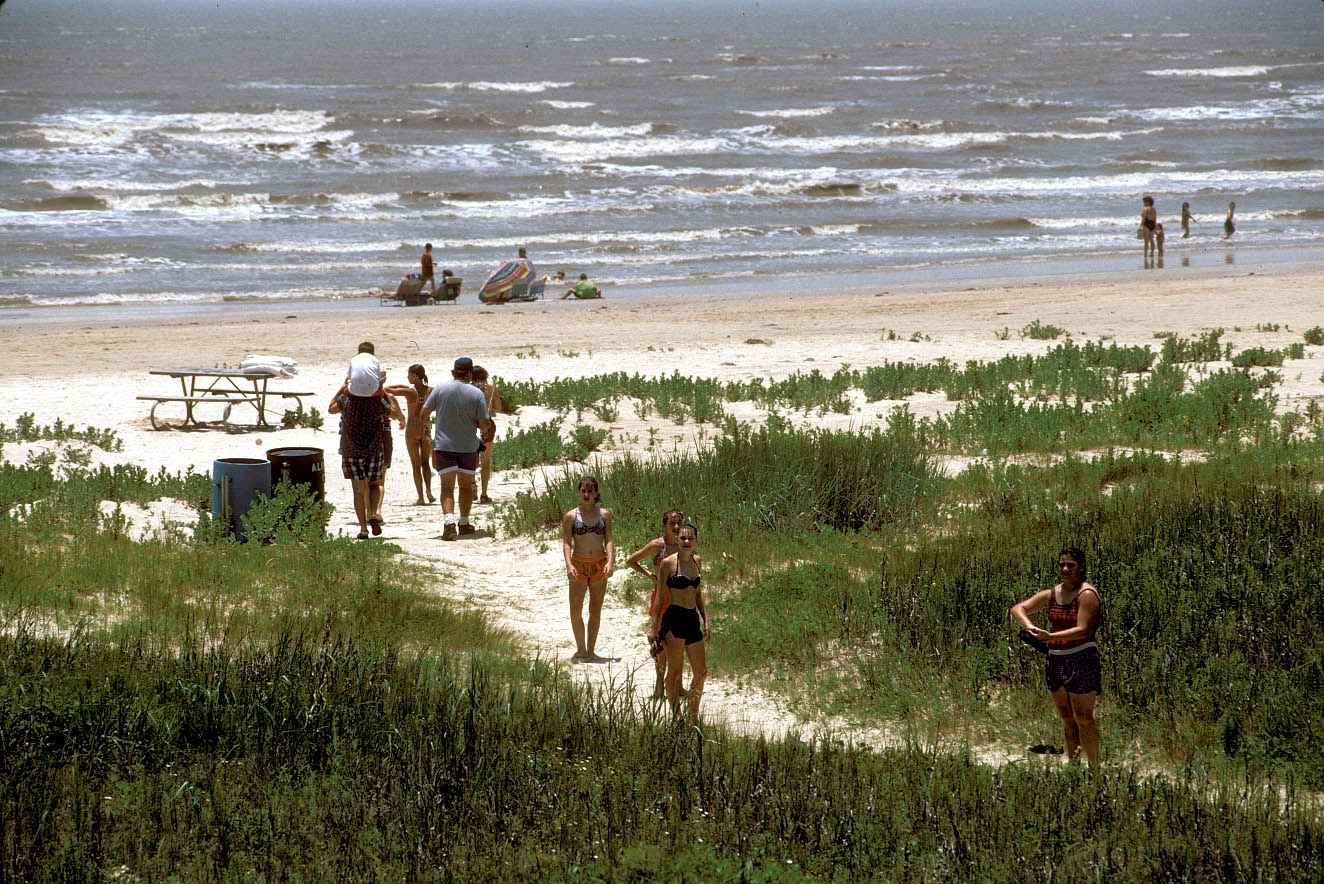
Sea Rim State Park

Sea Rim State Park


This is Passport to Texas

Sea Rim State Park in Sabine Pass is unique in the Texas park system.

07— It’s one of the most unique parks in the system, because it is the only park where the marshlands meet the Gulf of Mexico.

Ben Herman is Sea Rim’s superintendent. He says the diversity of ecosystems makes this park a standout – and an interesting place to live.

16— You have such a wide variety of ecosystems – both in the marshlands and on the surfside – that the joining of those two are pretty cool. I always joke on one side of my house I have mosquitoes and alligators and on the other side I have sharks and seaweed.

The natural world is as brutal as it is beautiful. In 2005 Hurricane Rita tore up Sea Rim, but before it could fully recover, Hurricane Ike brought destruction in 2008.

06— Which were pretty devastating blows for the park. We basically lost all of our facilities and all of our utilities.

TPWD closed the site for repairs. As recently as one year ago, when Herman joined the park, things looked bleak.

16— There was very little out here. We had to completely rebuild all of our logistics and all of our infrastructure. So now, being able to roll it back out to the residents, and everybody who wants to come up and enjoy Sea Rim, is a very proud moment for us. It was a long time coming.

The park celebrated its grand reopening June 20. How the park is nearly better than before. That’s tomorrow.

For Texas Parks and Wildlife, I’m Cecilia Nasti.
Angling: Value of Artificial Reefs

Friday, June 27th, 2014

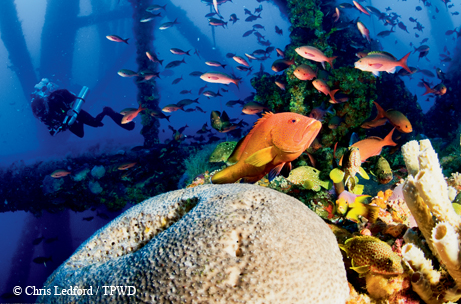
Beauty of artificial reef

Beauty of artificial reef


This is Passport to Texas

An article by Melissa Gaskill in the June issue of Texas parks and Wildlife magazine, explores the value of artificial reefs. These are retired structures like oil platforms that create much-needed hard substrate in the gulf. She asks whether the reefs increase marine populations, or simply aggregate existing populations.

07— The first thing that happens when you put any kind of structure in the water is that fish species will congregate around it; they’re attracted to that.

Dale Shively is Texas Parks and Wildlife program leader for artificial reefs. He says congregating is just the beginning.

20— There also is production that goes on. Once you get that marine life growing, you’re creating an ecosystem. You’re not only bringing fish species in, but they stay there, live there, they spawn there. You can find the juveniles on there. That doesn’t mean that some of those fish species don’t migrate away at times. But they actually use it for various life stages.

Through a monitoring program, Shively says they’re attempting to quantify various fish species by relative abundance.

21— There is also a debate about how valuable are oil platforms in the Gulf of Mexico. There are a lot of fishermen who claim that you remove these and you’re destroying the red snapper population. There’s another school of thought that the red snapper were here originally without the oil platforms. But, there’s no doubt that the red snapper population has increased since we have more structure out there.

Read about this debate in the June issue of Texas Parks and Wildlife Magazine.

The Wildlife and Sport Fish Restoration Program supports our Series. For Texas Parks and Wildlife, I’m Cecilia Nasti.
Angling: Artificial Reefs

Thursday, June 26th, 2014

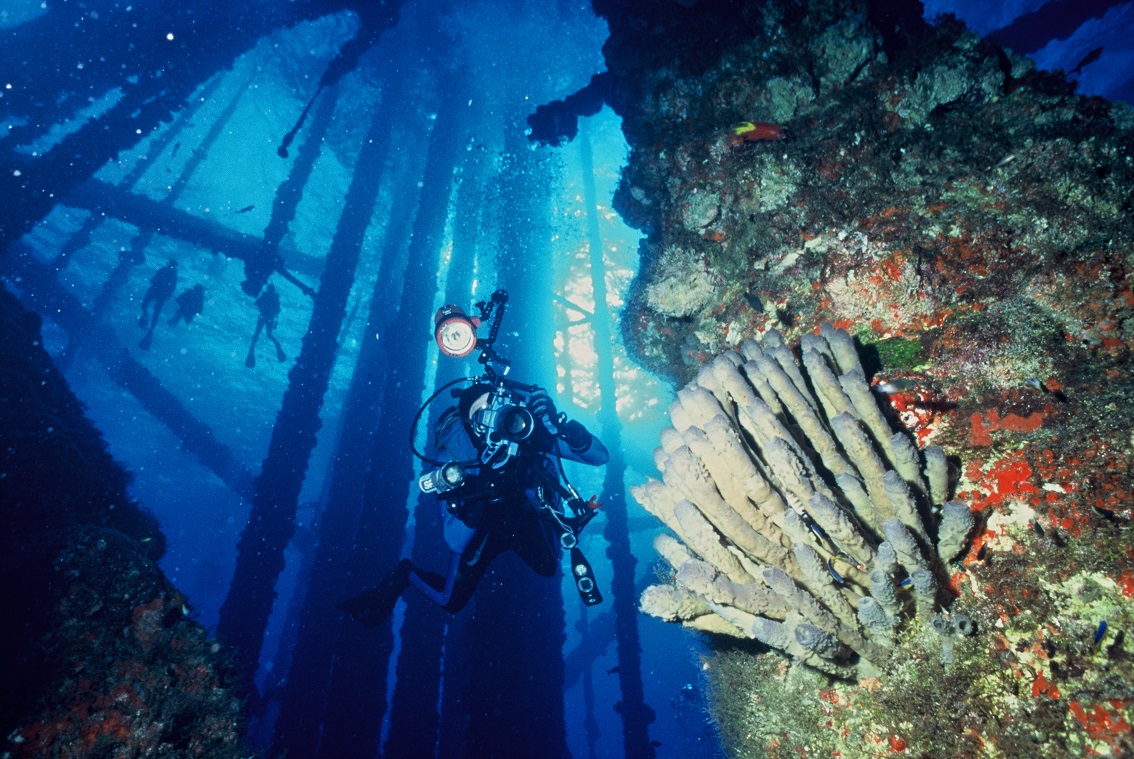
Diving near an artificial reef.

Diving near an artificial reef.


This is Passport to Texas

What do concrete, decommissioned ships and retired oil platforms have in common? They’re all materials used to create artificial reefs in the Gulf of Mexico. But if you ask Dale Shively which is best material for creating this marine habitat, he says: it depends.

04— We have all of those materials in our program, and they all serve a different purpose.

Shively is Texas Parks and Wildlife program leader for artificial reefs.

27— Farther off shore, we have mainly petroleum platforms. They’re solid, stable, and durable. They’re massive structures that give a lot of area to invertebrate growth and bring in a lot of fish species. Ships that we put out are good habitat, but they’re also primarily to bring in diving opportunities. And then as you move in closer to shore, in our near shore reefs, we use a lot of concrete – bridge rubble and things like that – that are good for fishing.

The reefs create habitat for marine species, and this leads to better angling and diving opportunities.

12— What we’ve seen with the Texas Clipper project, is that economic returns for angling could be over a million dollars a year back to the local economy. Whereas diving could be several million.

Find an article on the value of artificial reefs in the June issue of Texas Parks and Wildlife magazine.

The Wildlife and Sport Fish Restoration program supports our Series. For Texas Parks and Wildlife, I’m Cecilia Nasti.
Fishing: Help Improve Catfish Management

Tuesday, June 10th, 2014

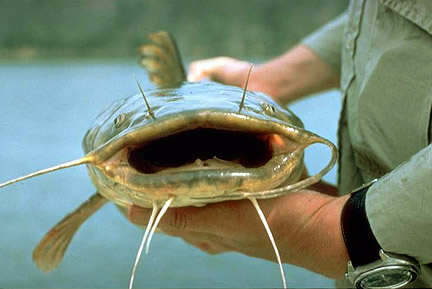
Flathead catfish, courtesy Virtual Aquarium, Virginia Tech

Flathead catfish, courtesy Virtual Aquarium, Virginia Tech


This is Passport to Texas

Hand-fishing for catfish, also called noodling, is a new way to fish in Texas even though it’s been going on for years.

06— And it’s typically passed on from generation to generation. There isn’t a lot of new folks being added to the sport.

Hand-fishers use only their bare hands to bring a fish to shore. Kris Bodine is a fisheries research scientist. Hand-fishing became legal in Texas in 2011, and since then, TPW’s been trying to understand this user group and their needs.

15— What we’re finding is that a lot of these people fish with their family members — it’s just passed on down the chain. But a lot of these folks like this sport because it allows them an opportunity to catch really big fish that might be otherwise very difficult to catch.

Bodine and his cohorts are collecting data about them using a voluntary online survey.

29—In recent years we’ve been working on developing a statewide catfish management plan. And that catfish management plan requires us to have a suite of different kinds of information. One piece of information is we need to know about our anglers: what they want, who they are, what they’re catching, and how they want us to manage the fisheries. Because they are a new angling group to us, and we know nothing about them — virtually. We need to consider their needs in our future management practices.

The survey’s available through the end of this month. Find a link to it at passporttotexas.org [find link to survey below].

The Wildlife and Sport fish Restoration program supports our series and is funded by your purchase of hunting and fishing equipment and motorboat fuel.

For Texas Parks and Wildlife, I’m Cecilia Nasti.

_______________________________________________

HAND FISHING SURVEY
The survey should take five to 10 minutes to complete online at https://survey.tpwd.state.tx.us/TakeSurvey.aspx?SurveyID=8803304. Anglers may complete the survey any time between now and June 30.