Archive for the 'Shows' Category

They Fought to Preserve a Way of Life

Tuesday, April 18th, 2017
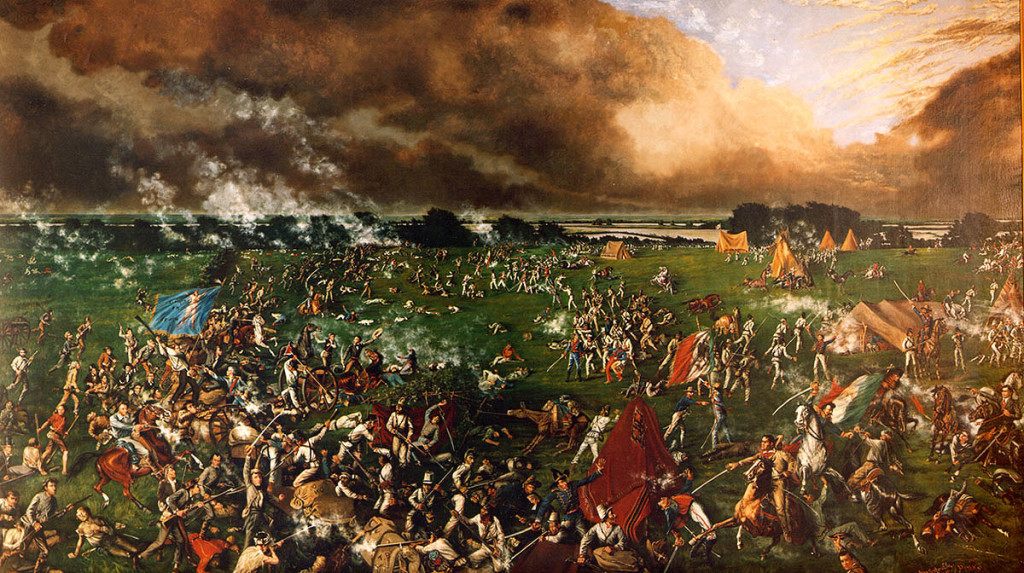
The Battle of San Jacinto

The Battle of San Jacinto

This is Passport to Texas

Six weeks after the fall of the Alamo General Sam Houston’s Texas army took less than 30 minutes to overpower Santa Ana’s militia, at what is now the San Jacinto Battleground.

San Jacinto is such a special place. It’s where we won our Texas independence. It’s where many scholars will argue that the history for not just Texas, but more so the United States — and even the world — was set with the Texian army winning that battle on April 21, 1836.

Justin Rhodes is the Region Four Director for State Parks, which includes the San Jacinto.

It’s interesting to sit down and talk to other historians and hear the “what ifs.” What if Texas did not win? Where would we be? Where would the United States be? Where would the world be without that victory that day? You know, where the battle occurred is right on – now – the Houston Ship Channel, which is one of the busier ports in the world.

The Texian Army was a rag tag crew of untrained men, battling against Santa Anna’s professional soldiers. Fighting on their home turf to preserve the lives they’d worked to achieve spurred them to victory.

Any time someone tries to take something that’s near and dear to your heart, you’re going to have that spirit that flows through to make you fight that much harder. And that was the backbone of the Texian army.

Celebrating the victory at San Jacinto is tomorrow.

That’s our show for today…For Texas Parks and Wildlife…I’m Cecilia Nasti.

Green Habits to Begin This Earth Day

Monday, April 17th, 2017
Earth Day

Celebrate Earth Day every day.


This is Passport to Texas

On April 22, 1970, 20 million Americans demonstrated for a healthy, sustainable environment…and thus began the annual celebration of the planet called Earth Day.

2017 marks the 47th Anniversary of Earth Day, and millions of people worldwide are gearing up for it. It’s more important now than ever before to take personal responsibility for the care of our environment.

What kinds of things can you do to pay it forward for Mother Earth? Pick up and dispose of trash you find in parks or other public places. That’s simple. Plant native plants that use less water; they also provide food and shelter for wildlife. You could always properly dispose of monofilament fishing line so it doesn’t harm aquatic life.

When camping, leave your campsite in better shape than you found it. Or, your stewardship goal might be to spend time with your family outdoors instead of inside with the television—because a butt print in the sofa cushion offers no value to nature.

Mix it up, and regularly add new earth friendly activities to your list. As for me, I am going to do better with respect to composting kitchen waste and repurpose newspaper and cardboard as a weed barrier in my garden beds.

What will you do?

That’s our show… Funding provided in part by Ram Trucks. Guts. Glory. Ram

That’s our show… For Texas Parks and Wildlife…I’m Cecilia Nasti.
Share Your Bird Sightings on eBird

Friday, April 14th, 2017
Share your bird sightings on eBird.

Share your bird sightings on eBird.

This is Passport to Texas

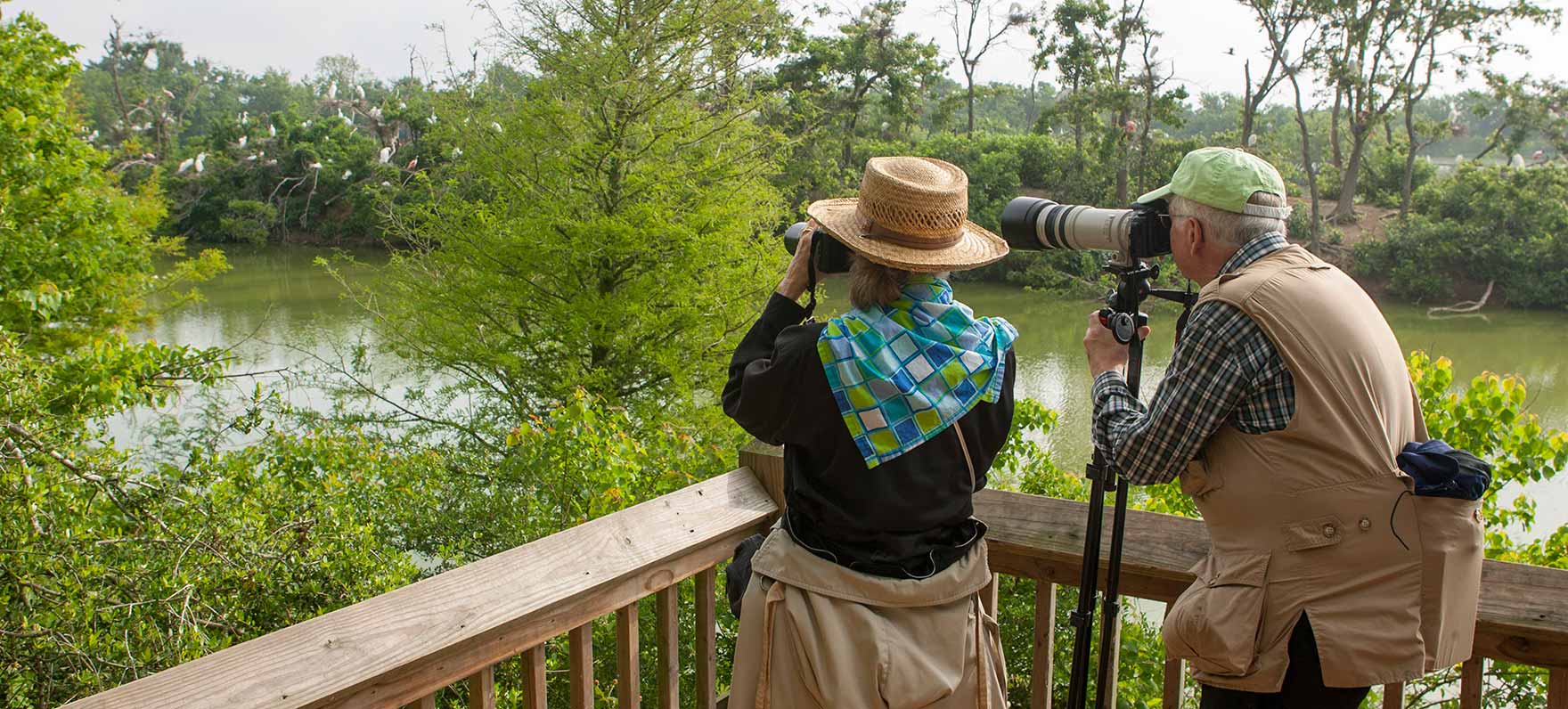
If bird watching is your passion, consider sharing your sightings with the world on eBirds

That the Cornell lab of Ornithology sponsors.

Cliff Shackelford is Parks and Wildlife’s non-game ornithologist. With spring migration underway, who knows what you’ll see in the next few weeks.

And you can easily – on your smart phone or your computer – enter your sightings. You can even start with eBird by setting up your yard as a hotspot or a patch that you frequent. And it’s already in the system, and then all you have to do is you go and say, ‘Okay; it’s April 27th, and we had a black-throated green warbler, and two Tennessee warblers, and a chestnut sided warbler. And other people can see that and get pretty excited.

Of course if the hotspot is, say, your backyard, you may not want strangers walking up to your fence line with binoculars. You can be somewhat vague when inputting the location of your sighting, and still provide meaningful information to your fellow birding enthusiasts.

If you’re worried about people finding your secret patch, you can make it more of a broad brushstroke on the map, but still submit the data so people can say, ‘Wow. That was Travis County and they had all those great birds.’ So eBird is a real good tool.

Find a bunch of birding information on the Texas Parks and Wildlife website. The WR Program supports our series.

For Texas Parks and Wildlife…I’m Cecilia Nasti.
Field Guides for Better Birding

Thursday, April 13th, 2017
field guide

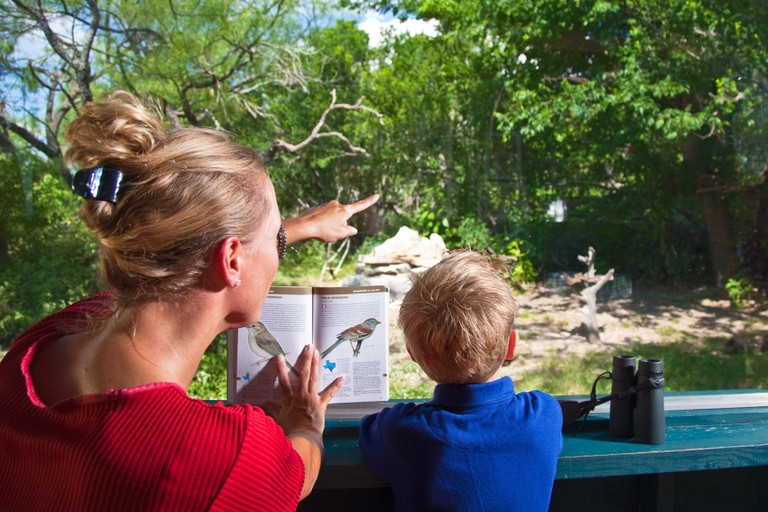
Using a birding guide enhances your bird-watching experience.

This is Passport to Texas

Before long you’ll see treetops dotted with color. Flowers? Nope. Feathers! Feathers of migrating bird species stopping over in Texas. To know what you’re seeing, you’ll need a good field guide.

There are so many really good field guides out there. I always like to recommend the ones that cover the whole country, because that way you just spend $20 or so, and you’ve got a book that’s great for any trip, when you go visit California to Florida to New York or here in Texas.

Cliff Shackelford is Parks and Wildlife’s non-game ornithologist.

So, I really like the National Geographic Society’s Field Guide to the Birds of North America. The Sibley guide is very good. The Roger Tory Petersen guide is very good. And the Golden Guide to Birds of North America. So, there’s really three or four. And the neat thing is, is to buy more than one; have one in the car, have one at home, and have one at the office. That way, you see different depictions of the birds, and then wherever you are that book is going to be at your fingertips.

Find birding information on the Texas Parks and Wildlife website.

We humans – we like to watch reality TV. You can have that experience out in your yard or at your local park, just looking to see what’s going on in the life of a bird.

The Wildlife Restoration program supports our series.

For Texas Parks and Wildlife…I’m Cecilia Nasti.
Paddle-in Campsites on Devils River

Wednesday, April 12th, 2017
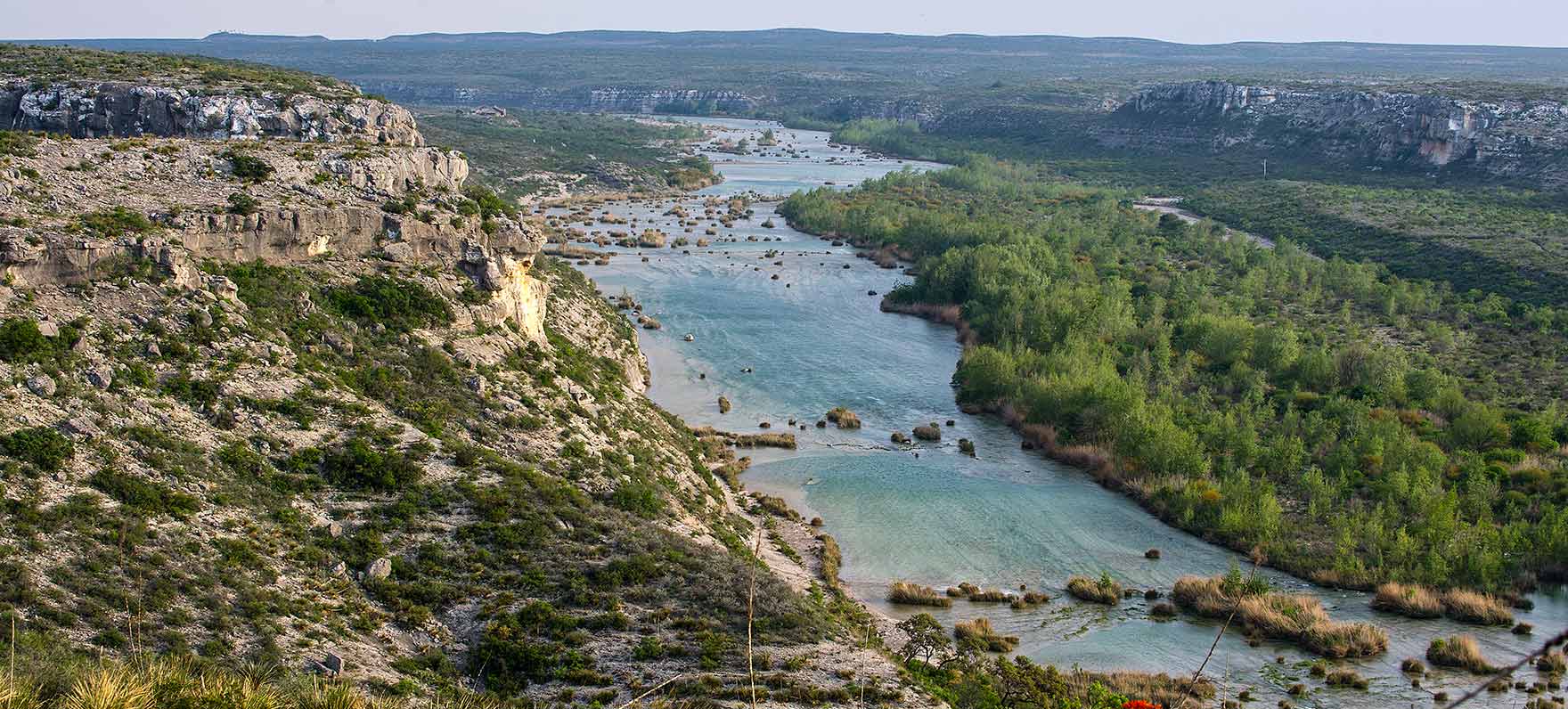
The Devils River

The Devils River

This is Passport to Texas

The 37-thousand acre Devils River State Natural Area is primitive and isolated. Visitors to the site should be prepared for a rugged wilderness experience.

The waterway, for which it’s named, is one of the state’s most ecologically intact rivers. Paddling Devils River ranks high on many people’s bucket lists.

While limited access is available for paddlers through the Devils River Access Permit system, paddling this river is not for the faint of heart. Due to its remote location, safe, reliable, and legal camp sites on the river are in short supply.

To help create safe conditions for the recreational use of the Devils River and minimize trespassing issues, the Texas Parks and Wildlife River Access and Conservation Area Program opened two paddle-up-only camp sites last month.

By adding the two new campsites, permitted paddlers can explore the river safely and maintain the high standards of river stewardship that will preserve its uniqueness.

Texas Parks and Wildlife is partnering with the Devils River Conservancy to collaborate on educational materials that will be distributed among local guides and vendors to prepare paddlers for overnight trips on the Devils River.

These camp sites are the newest additions to Texas Parks and Wildlife’s statewide network of 19 River Access and Conservation Areas, offering improved angler and paddler access to more than 100 miles of Texas rivers.

The Wildlife and Sport Fish Restoration Program supports our series.

For Texas Parks and Wildlife, I’m Cecilia Nasti.
