Archive for the 'Shows' Category

Caprock Canyons Search and Rescue

Tuesday, August 16th, 2016
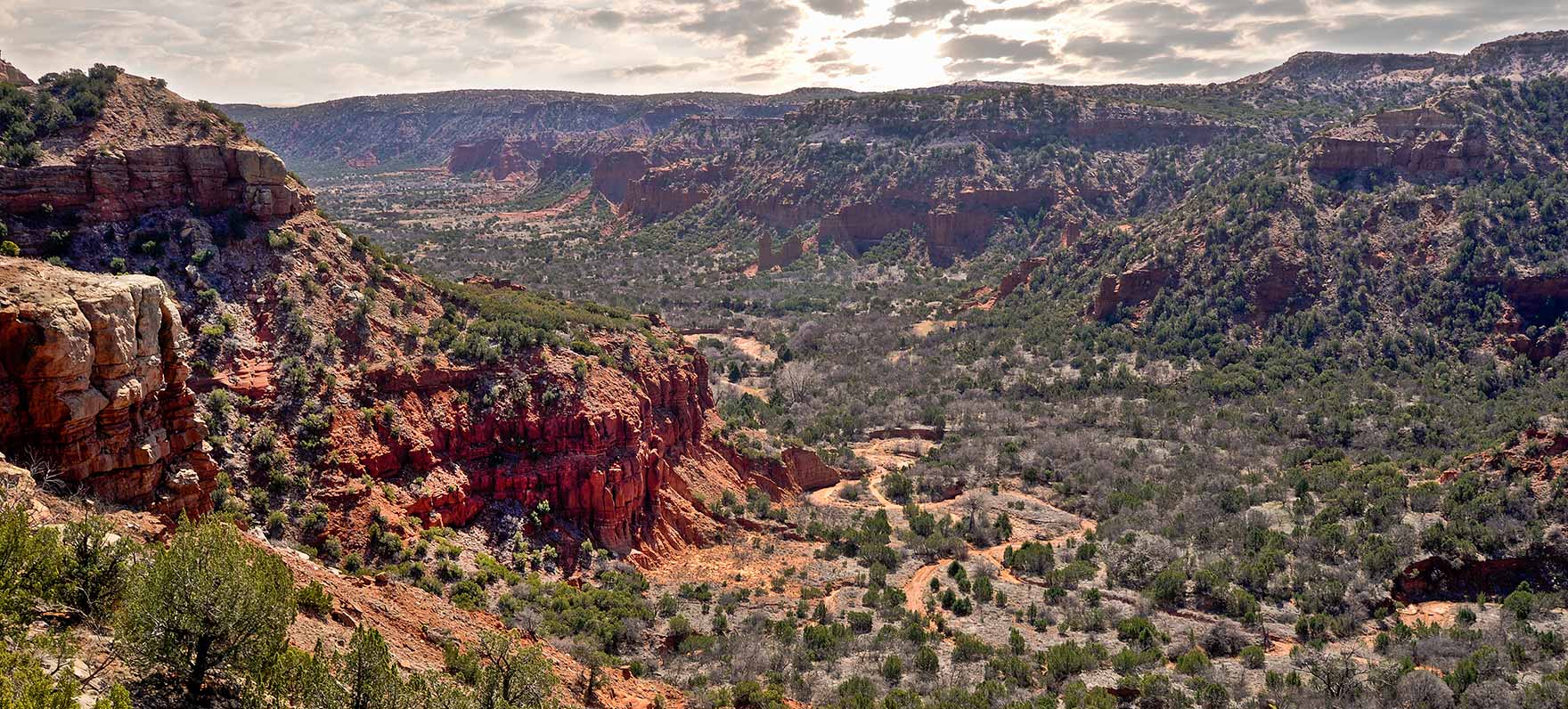
Caprock Canyons State Park

Caprock Canyons State Park

This is Passport to Texas

Caprock Canyons State Park is 14-thousand acres of rough terrain, and elevation drops of a thousand feet. If you hike there, Superintendent Donald Beard says “stick to designated trails.”

We have about 28-miles of trails inside the park—which are multi-use trails. But, not all people follow the trails. And some bad things can happen when that takes place.

During the July Fourth weekend, a man and woman went off trail, and ventured into a remote area, where the woman ended up falling and breaking her leg.

So, the husband was able to use his cell phone and get assistance. We were able to dispatch—not only us—but several other law enforcement agencies and fire departments. Close to two dozen people. About 10 and a half hours of either searching, or trying to remove her from the remote location so we could get her to a helicopter.

Superintendent Beard said rescue crews could only drive so far to reach the location, after that—it was all by foot.

Once we got to that point when we could no longer drive, then it was about another hour or so. Hour and a half hike just to get to their location. That was after we found them.

By the time rescuers found the hikers, it was getting dark. How did the finally reach the injured hiker and get her to safety. Tune in tomorrow and find out.

For Texas Parks and Wildlife…I’m Cecilia Nasti.
Ask a Game Warden: Citizens Ride Alongs

Monday, August 15th, 2016
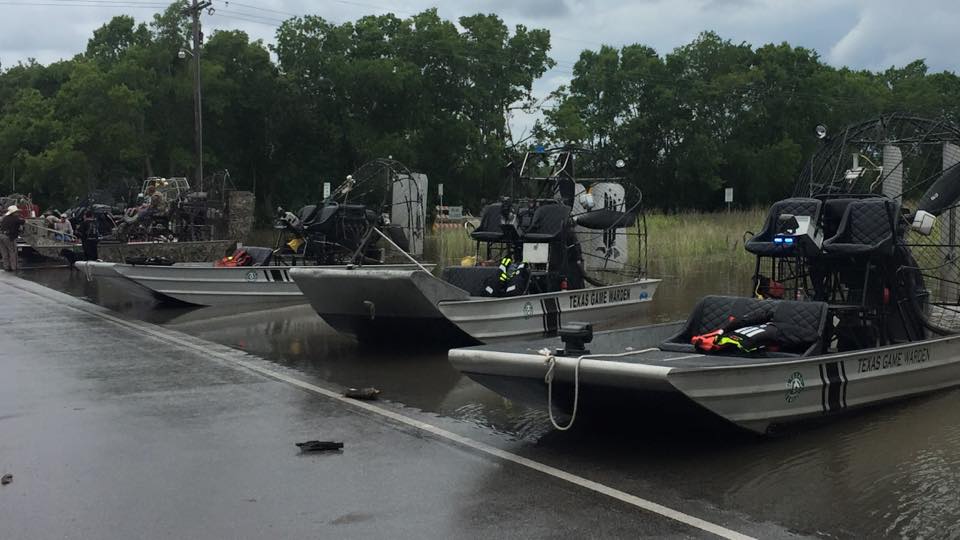
Ride along

Care to ride along with a Texas Game Warden on one of these?

This is Passport to Texas Ask a Game Warden

Since the TV show Lone Star Law—which is about Texas Game Wardens—premiered in June on Animal Planet, interest in ride-a-longs has increased.

A ride along is when someone from the public that’s not a commissioned peace officer actually rides with a game warden during their patrol—either in a vessel or in a vehicle.

Listener Mason from Southeast Texas sent a question into Ask a Game Warden inquiring whether members of the public are permitted to tag along while they make their rounds. Chief of Special Operations for Texas Game Wardens, Grahame Jones, says the answer is a qualified “yes.”

What they would need to do is contact their local Game Warden; they can go to the sheriff’s office or local game warden office. And you can actually go to the Texas Parks and Wildlife website, and locate the find a game warden tab—you can actually get the phone number for your game warden that way—and then make contact with them. In general, the ride-a-long can take a while to get approved through the chain of command. So, they’re not always feasible. Ideally, we like to reserve the ride-a-long programs for college students, maybe an internship from a university, or someone from the media that wants a little bit closer look at what we do.

Send your question to Ask a Game Warden from the contact us page at passporttotexas.org. We may answer it on the radio.

That’s our show…funding provided in part by Ram Trucks. Guts. Glory. Ram

For Texas Parks and Wildlife…I’m Cecilia Nasti.
Ask A Game Warden: Dangers of the Job

Friday, August 12th, 2016
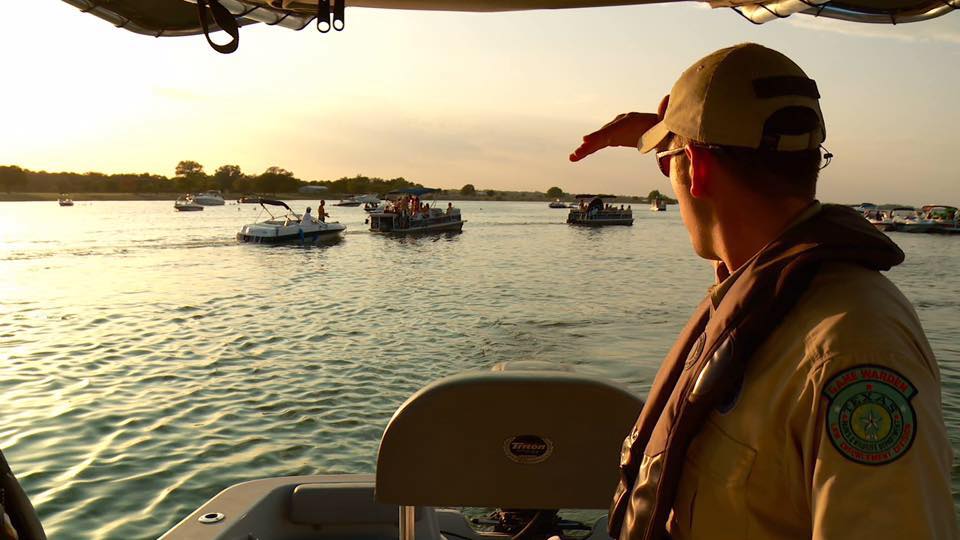
Texas Game Warden

Game Warden keeping Texas waters and those who use them safe.

This is Passport to Texas Ask a Game Warden

Grahame Jones, Chief of Special Operations for Texas Game Wardens, will be the first to tell you that these law enforcement professionals love their jobs.

It’s an incredible opportunity. Our office is outside; we get some very cool equipment: four-wheel drive vehicles and vessels and ATVs [all terrain vehicles] and those sorts of things.

It may sound like an enjoyable way to spend time outdoors, but there’s more to it. Much more. And radio listener, Mason Outzs contacted us to ask about the dangers Game Wardens face on a daily basis.

There are dangers. We’ve lost 19 game wardens in the line of duty since 1895; six of those game wardens were actually murdered and six of those game wardens drowned. So, we never really know what type of situation we’re going to come up on. We’re often working at night, alone, in very remote areas. Many times our game wardens are doing search and rescue and emergency response during some of the worst conditions imaginable. So, those are really some of the dangers that our game wardens have to deal with on a daily basis.

Grahame Jones says for Game Wardens who’ve been through traumatic experiences, they have access to members of the critical incident team, all of whom are trained in counseling.

Send your question to Ask a Game Warden from the contact us page at passporttotexas.org. We may answer it on the radio.

That’s our show. Funding provided in part by Ram Trucks. Guts. Glory. Ram

For Texas Parks and Wildlife…I’m Cecilia Nasti.
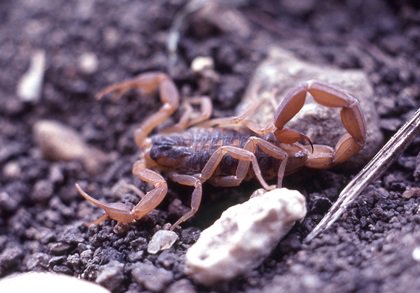
Scorpions are Beneficial, Just not in the House

Thursday, August 11th, 2016

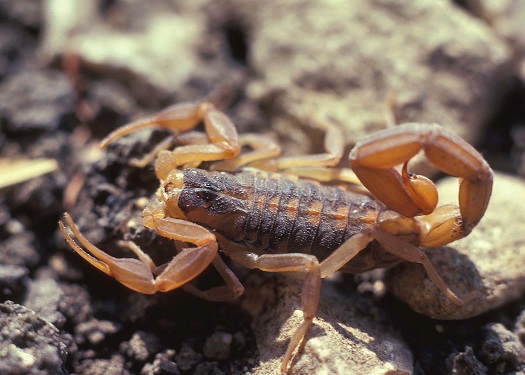
Scpr[ion

Scorpions are beneficial; we just don’t want them in the house.

This is Passport to Texas

Texas boasts a fair number of scorpion species.

There are about 18 species in Texas. Depending on where you’re at—you may have more or less.

Ben Hutchins is an invertebrate biologist at Texas Parks and Wildlife.

In all of Texas, we don’t have scorpions that are considered life threatening. As with any animal that has venom, there’s always the possibility of an allergic reaction.

To healthy non-allergic people a scorpion sting may simply cause short-term discomfort. In nature, scorpions are highly beneficial.

Scorpions are predators, and so they feed on a variety of potential pest organisms. Some scorpions also feed on other scorpions, so they do have an important role in the environment potentially controlling pest populations…insects…spiders…other arachnids. There’s also potential medical utility for scorpions as well—using venom to treat medical conditions.

Therefore, if a scorpion inadvertently wanders into your home some evening while foraging…

There’s really no cause for alarm. What I usually do is use a cup [and place it over the scorpion and use a] piece of paper that you kind of slide under there to pick up the scorpion. And then you can just remove it and put it in an area where it can do its business.

That’s our show…For Texas Parks and Wildlife, I’m Cecilia Nasti.

Scorpions Making Themselves at Home–in Yours

Wednesday, August 10th, 2016
Scorpion in Texas

Scorpion in Texas

This is Passport to Texas

I find scorpions in my house from time to time. With their crablike pincers and barbed tails, they’re scary little guys.

I think we have a natural reaction to anything with different body morphology.

Ben Hutchins is an invertebrate biologist at Texas Parks and Wildlife. He says scorpions dwell in a wide variety of habitats.

Pretty much any habitat except Alpine environments.

Although we have several species this arachnid in Texas, Hutchins says we’re not likely to run into them.

Usually, we don’t run into them that often because they’re mainly active at night; during the day they’re usually hiding under rocks, under logs—deep in leaf litter as well. So, we don’t run into them a lot, except when perhaps we’re in the yard gardening, or they might wander into our house at night.

Why do they come into our homes?

It’s not really intentional; during their foraging, they might see a crack under your door as just another crevice that they’ll be traveling through in search of prey.

Once they’re inside, they could make themselves comfy.

If you have a room with the lights off and lots of boxes—places to hide—that mirrors their natural environment with lots of secure hiding place for them…

How scorpions are beneficial in the environment. That’s tomorrow.

For Texas Parks and Wildlife, I’m Cecilia Nasti.