Archive for the 'Shows' Category

Popular and Abundant — Rethinking Catfish

Thursday, May 26th, 2016
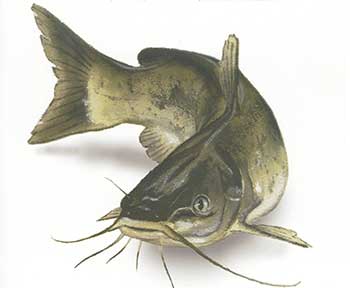
A fine looking catfish.

A fine looking catfish.

This is Passport to Texas

Largemouth bass may be the gold standard when it comes to freshwater fish in Texas, but catfish are a close second.

We’ve done a lot with regards to the management of largemouth bass. And we figure, catfish are going to meet the needs of a new generation of anglers across the state; and there’s a lot we can do to manage for catfish and make fishing even better than it is right now.

Dave Terre is chief of fisheries management and research at Texas Parks and Wildlife. Catfish are abundant and adaptable to Texas’ changing environmental conditions.

We think catfish will be a good match for our changing environmental situations that we have both in our reservoir environments and our river environments in Texas. And we think we can manage those populations to meet those changing environmental conditions.

Dave Terre says catfish management takes many forms.

Stocking fish is a good way to increase opportunities for people catching more fish. We can also manage with fishing regulations. Fishing regulations allow us to control numbers and sizes of fish that are harvested. We can also manage fish habitats to improve populations in a number of different ways. As fisheries managers, there’s all sorts of things we can do with catfish to make fishing opportunities better in Texas going forward.

The impact of the new management plan on anglers. That’s tomorrow.

The Sport Fish restoration program supports our series.

For Texas Parks and Wildlife, I’m Cecilia Nasti.

Volunteer at Purtis Creek State Park

Wednesday, May 25th, 2016
Fishing fun at Purtis Creek State Park in East Texas.

Fishing fun at Purtis Creek State Park in East Texas.

This is Passport to Texas

If you like giving back to your community, and live near Purtis Creek State Park in east Texas, you’re in luck.

We have volunteers that help us in many different ways here.

Mendy Davis is superintendent of the park, located in Eustace, just down the road from the Texas Freshwater Fisheries Center in Athens. Davis says Purtis Creek SP relies on volunteers.

Our park is not staffed to completely operate on its own. And, to be able to offer the interpretive programs that we provide here in the park, as well as the events, it requires additional outside assistance.

In addition to its onsite park host position, interested persons will discover a wide variety of volunteer opportunities available at the park.

We have other volunteer opportunities to come and assist with our interpretive programs. We teach basic canoe and kayaking…night sounds…night hikes…nature hikes. So, we have many volunteers who just join us for a specific hike that is something that they want to do. Or if they happen to have interest in birding. That’s one area that we don’t have anyone trained in at this time. So, we’re looking for that birding person who wants to come out and lead a birdwatching hike for us.

Whether you’re skilled in paddling, hiking, fishing, biking or birding you can share your knowledge with others at Purtis Creek State Park. Check out the volunteer page on the Texas Parks and Wildlife website.

For Texas Parks and Wildlife, I’m Cecilia Nasti.
Get to Know Purtis Creek State Park

Tuesday, May 24th, 2016
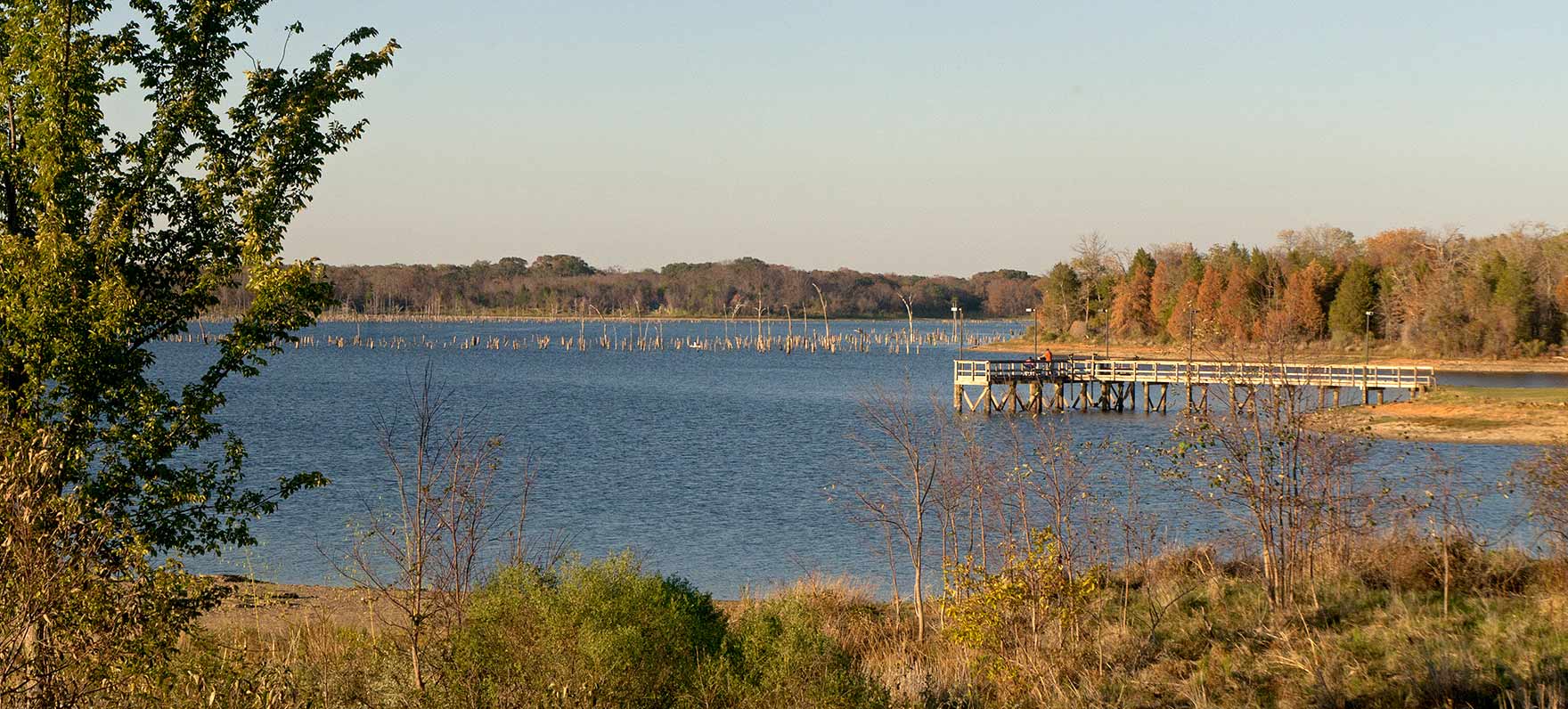
Long shot of fishing pier at Purtis Creek State Park in East Texas.

Long shot of fishing pier at Purtis Creek State Park in East Texas.

This is Passport to Texas

Popular among residents of Dallas, Tyler and Houston, Purtis Creek State Park, 15-hundred acres of east Texas splendor, offers visitors a scenic and peaceful getaway.

When they first roll up, they’re going to see a beautiful hardwood forest that’s interspersed with some little savannah grassland.

Now that’s how to set a relaxing mood. Mendy Davis is park superintendent. She says the park offers camping—primitive or with amenities—a children’s play area, a swimming beach, miles of hiking trails, and plenty of catfish, crappie and bass in their 35 acre lake.

The lake was actually built as an experimental bass fishing lake. Our black bass are catch and release only because we’re trying to grow the larger size fish. So, if they have to throw back the black bass, are there fish there that they can take and maybe cook at the campsite? The crappie, as long as they are ten inches. You can only take five catfish a day, but they can be any size. That was created so that any child that catches their first catfish can take it home if they want to.

We talk more about this gem of an East Texas state park tomorrow, including volunteer opportunities.

We’re kind of looking for that birding person who wants to come out and lead a birdwatching hike for us.

That and other opportunities at Purtis Creek State Park tomorrow.

For Texas Parks and Wildlife, I’m Cecilia Nasti.
Birding from Fifty Yards Away

Monday, May 23rd, 2016
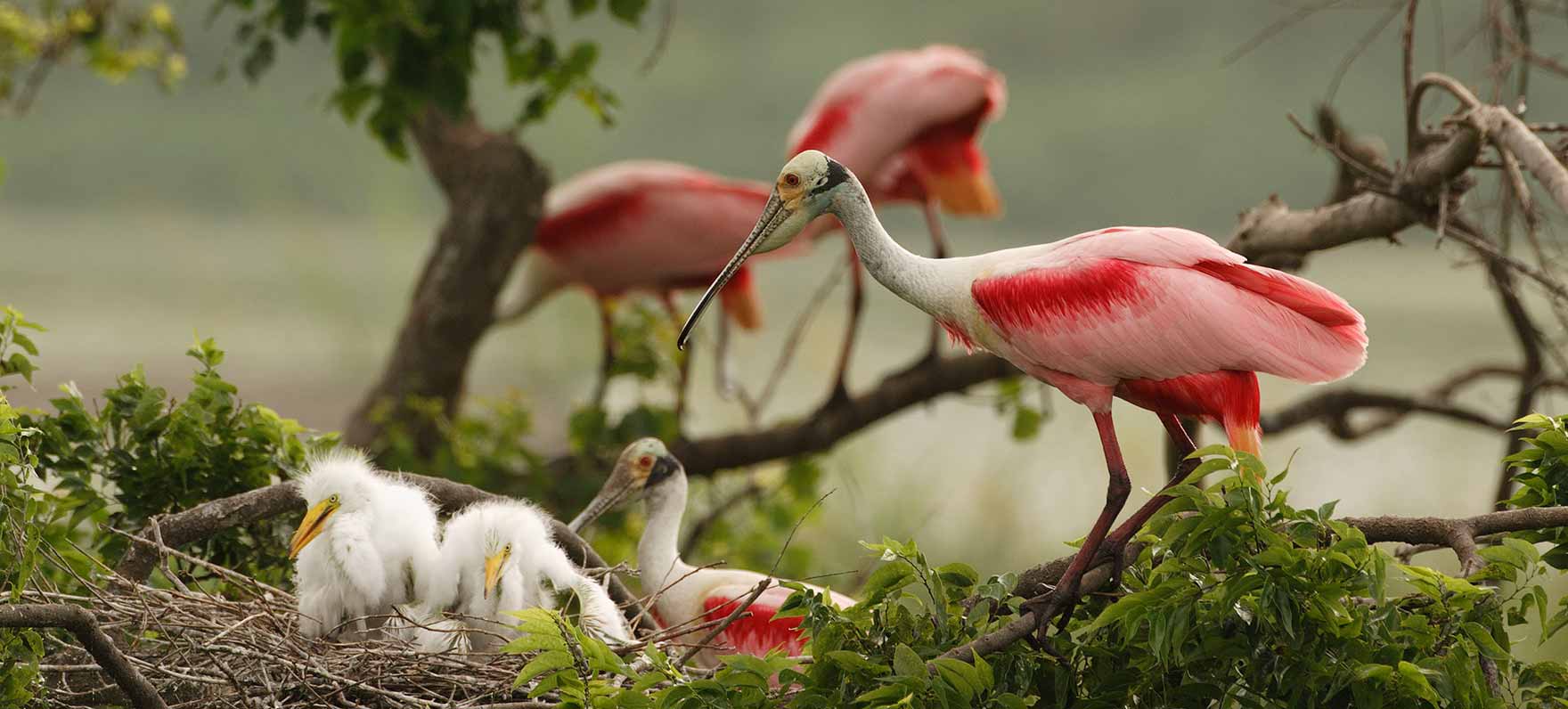
Roseate Spoonbill nestlings and parent.

Roseate Spoonbill nestlings and parent.

This is Passport to Texas

The Texas Gulf Coast buzzes with bird life year-round. And while it’s tempting to get close to them when visiting the beach…

Fish, swim and play from fifty yards away. It’s an idea that we want to relay to folks.

Texas Parks and Wildlife Ornithologist, Cliff Shackelford says this slogan is a catchy reminder to keep your distance from our feathered friends.

Especially in the nesting season. You want to keep your distance when you’re fishing, birdwatching, boating—keep fifty yards between you and the birds.

Fifty yards is considered a safe distance so that you don’t spook birds from their nests.

When people get too close they notice—oh, all the adults are flying off the nests. And the hot sun cooks the little nestlings. Well, that is bad stuff.

Cliff adds that while it may be fun to bring your dog to the beach, keep it fifty yards away and on its leash.

That dog might love running after those flocks of birds, but in migration, some of those birds like red knots, could have flown hundreds and hundreds of miles and that’s their resting spot. That’s their refueling spot. And that’s disruptive on a bird during its long journey. So, keep the dog leashed, and remember to fish, swim and play at fifty yards away.

That’s our show… Funding provided in part by Ram Trucks. Guts. Glory. Ram

For Texas Parks and Wildlife…I’m Cecilia Nasti

Giant Reed is a Giant Problem in Texas

Monday, May 16th, 2016
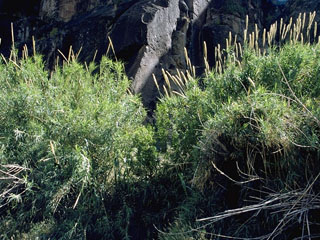
Arundo donax, also called Giant Reed.

Arundo donax, also called Giant Reed.

This is Passport to Texas

Texas has its share of invasive plants and animals, including Arundo Donax, or giant reed; you’ve probably seen it along roadways and river banks.

13— If you see it on roadsides, it’s very tall—grows up to about 30 feet. Has segments, really broad, pointed leaves—huge showy plumes. It can actually be quite pretty. And it looks somewhat like corn.

Giant reed is a non-native grass. Monica McGarrity who studies aquatic invasive for Texas Parks and Wildlife, says its greatest impact occurs when it gets into areas along rivers and creeks.

18—They have these impacts because they’re able to outcompete the native plants and push them aside, displace them. And when we’re talking especially about riverside, riparian areas, along our creeks – diversity of native plants is really important to the wildlife, and for maintaining the overall health of the community.

When giant reed displaces native plant communities, the result is reduced habitat quality.

17— It reduces quality for birds and other wildlife. And then it can start to— over time – have impacts on the stream itself, and reduce the habitat that’s available to the aquatic community, and make it more homogenous, more the same throughout. Rather than having diverse pools and riffles and habitats that they need.

Monica McGarrity returns tomorrow to tell us how not to try and remove this plant from our property.

The Sport Fish Restoration program supports our series.

For Texas Parks and Wildlife, I’m Cecilia Nasti.