Archive for the 'Shows' Category

Nature: The Value of Master Naturalists to Texas

Wednesday, February 11th, 2015
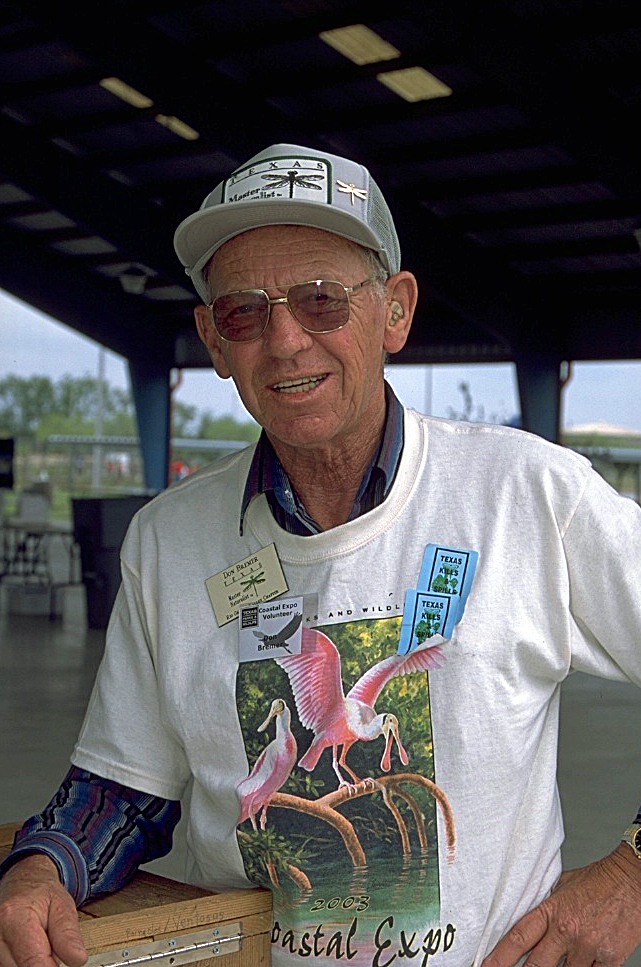
 

Master Naturalist volunteering at Coastal Expo

Master Naturalist volunteering at Coastal Expo


This is Passport to Texas

Texas Parks and Wildlife and Texas A&M Agrilife Extension are principal sponsors of the Texas Master Naturalist Program. This program trains volunteers to provide education, outreach, and service dedicated to the beneficial management of natural resources where they live.

08— Our master naturalists are able to give back to these partners both through their volunteer service and through their contributions on other ways.

Mary Pearl Meuth with Texas Agrilife Extension is assistant state program coordinator. She says what the more than 9-thousand trained volunteers have given back to the state since the program’s inception in 1997 is phenomenal.

12—Texas Parks and Wildlife values the over 2.4 million service hours that have been given back over the 15 year history of the program to at more than 54-million dollars for the state of Texas.

The Texas Master Naturalist Program trains roughly 700 volunteers annually statewide. And new training programs are starting up this spring among 16 of the program’s more than 40 chapters.

08—And these 16 chapters are located around the state, offering trainings at different points of the week, and different times of the day.

Tomorrow: training, teaching and discovering with the Texas Master Naturalist program.

For Texas Parks and Wildlife…I’m Cecilia Nasti
Nature: Who are Master Naturalists?

Tuesday, February 10th, 2015


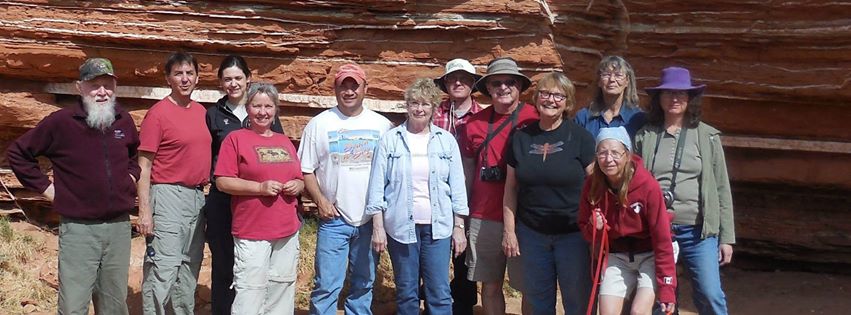
South Plains Chapter Texas Master naturalists from Facebook page.

South Plains Chapter Texas Master Naturalists from Facebook page.


This is Passport to Texas

When you’re passionate about something, it’s hard to keep it to yourself. And when that passion leads you to become a Texas Master Naturalist, you don’t have to.

13— We develop a corps of well-informed volunteers that provide education, outreach and service around the state in the beneficial management of natural resources and the natural areas within Texas.

Mary Pearl Meuth with Texas Agrilife Extension is assistant state program coordinator. People of all ages and from all walks of life may train to become a certified Master Naturalists, although retirees are strong within their ranks.

27—We do ask that each Master Naturalist provides 40 hours of volunteer service yearly along with their continuing education of 8 hours of advanced training every year to maintain that certification. That is difficult to do on a full-time employee based status – if you’re a full-time worker. But, we do have many master naturalists who are able to juggle the load. So, we do have young and old.

Since the program’s inception in 1997, Master Naturalists have given back to Texas in millions of meaningful ways. We have details tomorrow.

For Texas Parks and Wildlife…I’m Cecilia Nasti
Nature: Texas Master Naturalist Program

Monday, February 9th, 2015


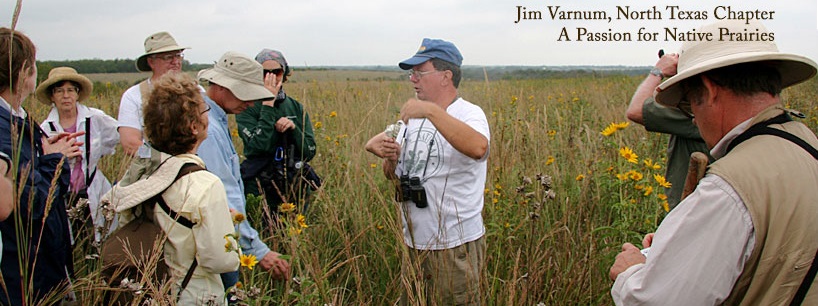
Photo from the Texas Master Naturalist Facebook Page

Photo from the Texas Master Naturalist Facebook Page


This is Passport to Texas

The Texas Master Naturalist program trains volunteers in all aspects of the Texas environment where they live.

11— All the way from the plants and why they’re named what they’re named in their local ecosystem, to the birds and the mammals and the fish and the invertebrates and everything.

Mary Pearl Meuth is assistant state program coordinator through Texas Agrilife Extension.

15— They [volunteers] are encouraged to share their knowledge, either through events with other local classrooms and youth education programs, working and volunteering at state parks or nature centers and natural areas.

Texas’ more than 40 Master Naturalist Chapters train and certify volunteers in the specifics of their local ecosystems after they’ve learned the universal basics.

18—Master Naturalists join the program because they’re excited about the environmental world in which we live and the diversity of Texas, which is just incredible. And, once they join, then they can give back to their community that needs that resource.

To maintain certification, volunteers agree to 40 hours of community outreach and eight hours of advanced training annually. Find details txmn.org.

More in the Master Naturalist Program tomorrow.

For Texas Parks and Wildlife…I’m Cecilia Nasti

Fishing: Rainbows in the Guadalupe River

Friday, February 6th, 2015


This is Passport to Texas

It’s trout season in Texas. It’s when Texas Parks and Wildlife inland fisheries stocks hundreds of thousands of rainbow trout in lakes and neighborhood fishing ponds to provide a unique winter angling experience.

06—Trout are a cold water species and they like the cold water and they regularly bite at this time of the year.

Steve Magnelia is a fisheries biologist with inland fisheries. If you think Texans are the only ones enjoying this winter treat, Trout Unlimited named the Guadalupe River near Canyon Dam, one of the top 100 trout streams in North American.

10—One of the things I think that gets it into the top 100 is that you can come down here during the winter and enjoy trout fishing. And we get a lot of people from up north that come down to the Guadalupe during the winter months to fish.

And because the water in the river near the dam is cold—below 75 degrees —the fish often survive Texas summers; some of the rainbows can get big and feisty.

18—It’s one thing to catch the 8 to 10 inch fish that we stock every winter, but when you hook into a 4 or 5 pounder, it’s pretty exciting. It’s fun when you hook up with one and they jump out of the water like a tarpon, which they do. Those big ones like to jump and they’ll jump out of the water 4 or 5 times trying to throw your bait. It’s pretty neat.

Find other trout stocking locations on the Texas Parks and Wildlife website.

The Sport Fish and Wildlife Restoration Program… supports our series as well as conservation programs in
Texas.

For Texas Parks and Wildlife…I’m Cecilia Nasti

Fishing: Canyon Dam Trout

Thursday, February 5th, 2015


This is Passport to Texas

We don’t have much in the way of native trout in Texas.

12—The only native trout that we’re aware of are maybe some Rio Grande cutthroat trout that were in the McKittrick Canyon area of the Guadalupe Mountains. Other than that, there are no native trout we know of in Texas.

Which is why, says Steve Magnelia, Parks and Wildlife stocks lakes and neighborhood ponds with rainbow trout every winter.

10—The winter trout program is to provide anglers with a different species to fish for during the winter months when our warm water fish like largemouth bass and other species aren’t readily biting.

Magnelia, an inland fisheries biologist, says because trout won’t survive in water warmer than 75-degrees, the rainbows anglers don’t reel in during winter perish as the water heats up—unless they are in the Guadalupe near Canyon Dam.

08—Because it’s a cold water discharge from Canyon Lake, the water stays cold enough during the summer to sustain trout all year round.

So, if they’ve habituated, does that mean they’ve become a self-sustaining population as well?

08—We don’t have any real evidence that the fish spawn and reproduce in the river, but we do know that they carry over from one winter to the next.

Find other trout stocking locations on the Texas Parks and Wildlife website.

The Sport Fish and Wildlife Restoration Program… supports our series as well as conservation programs in Texas.

For Texas Parks and Wildlife…I’m Cecilia Nasti