Archive for the 'Shows' Category

Wildlife: Birdwatching

Wednesday, January 14th, 2015
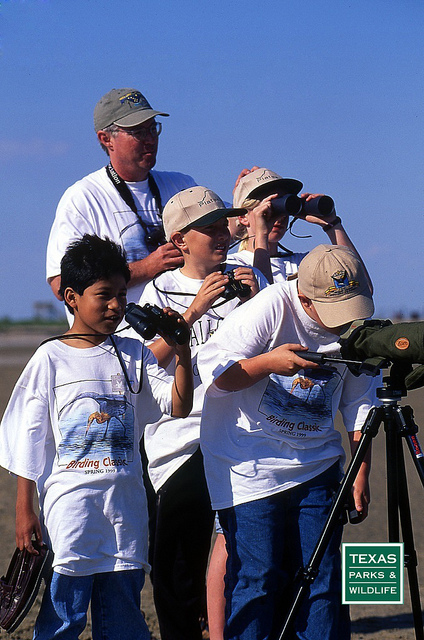
 

birdwatching

Birdwatching in Texas


This is Passport to Texas

What do you like to do from the privacy of your backyard?

03—Spying on the neighbors; but I think it’s healthy.

Fortunately, the neighbors Texas parks and Wildlife ornithologist, Cliff Shackelford’s referring to are birds. This brand of outdoor voyeurism is socially acceptable.

07— You get a lot of relaxation out of hearing birds and seeing their beauty. But also, figuring out what they’re doing.

Cliff says he enjoys observing how birds live and interact within the surroundings he shares with them.

19—And, I think it is a lot of fun to figure out what are my neighbor birds doing, and how do they fit in with my way of life. So, if they’re eating insects that I consider pesky – eating the mosquitoes and gnats – I love it. If they’re feeding on the plants that I put out there, like a hummingbird or butterfly or a bee—I love it.

We can even learn life lessons from birds, says Cliff, such as industry, perseverance, creativity, and responsibility.

14— Look how good they are at being parents. We hear complaints about getting dive bombed from birds in the springtime; well, those are good parents. They’re perceiving you as a threat. And I think a lot of people can learn from a bird how to be a good parent.

That’s our show for today… Funding provided in part by Ram Trucks. Guts. Glory. Ram

For Texas Parks and Wildlife…I’m Cecilia Nasti.
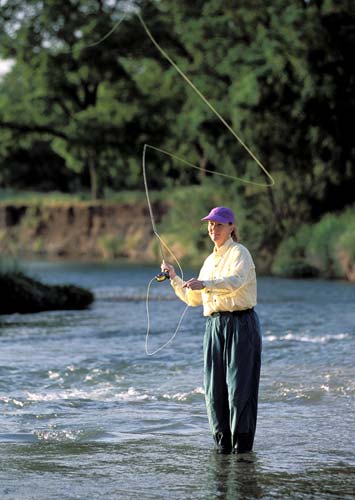
Fishing: Tackling White Bass

Tuesday, January 13th, 2015


Maybe you can fly fish for white bass

Maybe you can fly fish for white bass


This is Passport to Texas

Largemouth bass give fishermen a good fight, but the smaller white bass is just as capable of providing anglers with an adrenaline kick.

14— Ounce for ounce, they are a real strong fighter. But they’re not as big as largemouths. If they grew as large as largemouth bass, I think we’d have to fish for them with surf rods and heavy lines.

John Jefferson is an outdoor writer.

11— Most people that fish for whites will use lightweight tackle, a medium to lightweight spinning rod, and four to six pound test line – and then they’re fun!

Late winter and early spring white bass begin schooling in tributaries to spawn. Whether from a bank or a boat, fishing for whites in open and running water is your best bet for success.

21— Middle of the creek, and then draw the lure back to the shore. And you’ve covered water from the deeper water in the middle up to the shore. You’ll probably hang one. It’s not uncommon, and a neat thing to see [that sometimes] you’ll hook one fish and as you’re reeling it in and playing it, there will be two or three others schooling right along with it.

They’re probably offering moral support.

The Wildlife and Sport Fish Restoration Program supports our series and receives funding from your purchase of fishing and hunting equipment and motor boat fuel…

For Texas Parks and Wildlife…I’m Cecilia Nasti.
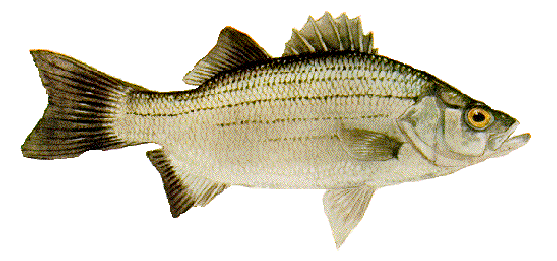
Fishing: White Bass Run

Monday, January 12th, 2015
White Bass

White Bass


This is Passport to Texas

Outdoor writer John Jefferson has caught his share of white bass.

11— White bass is a great sport fish. Parks and Wildlife records show there are more white bass caught per hour of fishing than any other fish in Texas.

Usually a lake dweller, white bass school in tributaries to spawn in late winter and early spring.

21— The white bass are triggered to spawn when the water reaches 55 to 60 degrees Fahrenheit. As far as the calendar, instead of the thermometer, it starts sometimes as early as warm days in January, but it really picks up in February and March. Those are the best two months.

Anglers may keep up to 25 fish caught with a pole and line that meet the 10-inch length requirement. Although white bass prefer shad and minors, they’ll take artificial lures, which is what John Jefferson says he uses.

13— With me, it was a matter of laziness. I didn’t want to lug a big minnow bucket up and down the creeks when I could take a few jigs with me and a lightweight spinning rod and spend more time actually fishing than changing bait.

We’ll talk more with John about white bass tomorrow.

The Wildlife and Sport fish Restoration Program supports our series and receives funding from your purchase of fishing and hunting equipment and motor boat fuel…

For Texas Parks and Wildlife…I’m Cecilia Nasti.
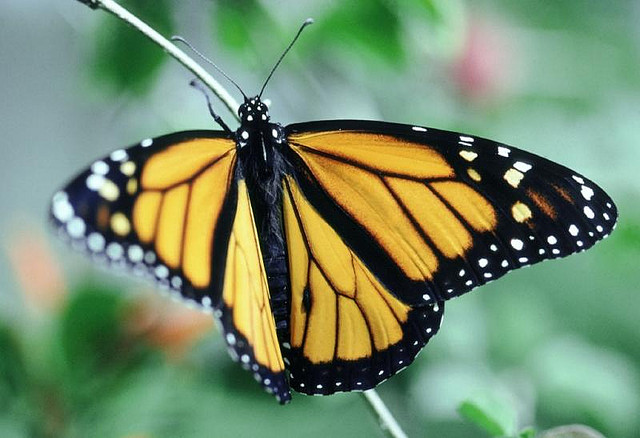
Monarch Week: Time to Gather Information

Friday, January 9th, 2015


Monarch butterfly

Monarch butterfly


This is Passport to Texas

You don’t have to know much about milkweeds to take part in the new Texas Milkweeds and Monarchs Citizen Science Project on iNaturalist.org.

06— We have experts that are going to be looking at these observations and identifying those [plants].

Milkweeds, important to the monarch butterfly’s life cycle, are declining, as are monarchs. Biologist, Ben Hutchins, who helps coordinate the project for TPWD, says once the data’s collected, and answers to questions such as where certain species grow – or not – and which ones monarchs utilize most, biologists can start to develop a detailed management plan.

38— To be honest, we’re still kind of feeling out what is going to be Texas’ response to monarch conservation. Right now we’re kind of in a data collection phase. So, how this information is used when we start developing monarch conservation plans and we start to take conservation action – we’re not sure. But, we want to know as much as possible. So that we can say, ‘hey, if you’re in this particular habitat, here are some species that may be appropriate to add to your seed mix. Or, if we’re looking at trying to advocate large-scale production of seeds so that there are more species of milkweed available for consumers to plant, we’d like to know potentially, what should we focus on.

Get in on the ground floor of this citizen science project, which will be incorporated into Texas Park’s and Wildlife’s Texas Nature Trackers, and make a difference for monarchs in Texas. Find out how on the Texas parks and Wildlife website.

For Texas Parks and Wildlife…I’m Cecilia Nasti.
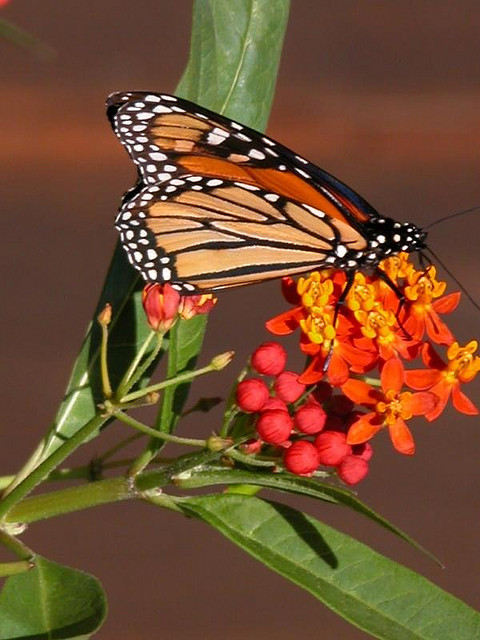
Monarch Week: Milkweeds for Monarchs

Thursday, January 8th, 2015


Monarch on a milkweed plant.

Monarch on a milkweed plant.


This is Passport to Texas

Texas boasts 38 species of native milkweed, and you may share your observations of the plants with the Texas Milkweeds and Monarchs Citizen Science Project.

07— Whether you’re in the Panhandle, whether you’re in the Trans Pecos – wherever you are in Texas – you can contribute to this project.

Ben Hutchins helps coordinate the program for Texas Parks and Wildlife; he says questions they hope your data will answer include where milkweeds do and don’t grow, and how their decline affects the monarch butterfly’s decline, as it is an important food source for its caterpillars.

38— A couple of other questions that we would like to answer: which plants are monarchs using? Which ones seem to be most important for these monarch species? We know for sure that monarchs use several of our native milkweed species. But there are a few others – particularly the less common ones – that we really don’t know how important those are for monarchs. We also would like to get a handle on how much effort are Texans putting into planting milkweeds? We really want to know where those patches are in people’s yards, or in wildflower centers, or city parks. We’re really curious where about where people are planting milkweeds, and whether those are being used by monarchs.

Tomorrow: how researchers plan to use the those answers to help manage monarchs and milkweeds.

For Texas Parks and Wildlife…I’m Cecilia Nasti.
