Archive for the 'Shows' Category

Monarch Week: Monitoring Milkweeds

Wednesday, January 7th, 2015
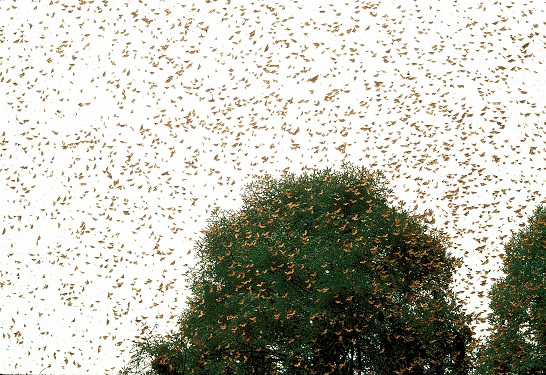
 

Monarchs at their overwintering site in Mexico.

Monarchs at their overwintering site in Mexico.


This is Passport to Texas

You’ll document milkweed species as a volunteer with the Texas Milkweeds and Monarch Citizen Science project.

07— What this project is addressing is, this widespread decline in availability in milkweed plants.

Monarch butterflies, also in decline, depend on these plants, says Ben Hutchins, Texas Parks and Wildlife’s invertebrate biologist.

12— There are a couple of different genera; these genera are used by monarch caterpillars. And those caterpillars only feed on these milkweed species.

No matter where you live in Texas, you’ll find milkweeds; when you do, share your observations at iNaturalist.org.

31— Wherever you happen to see a milkweed, we ask that you take your phone or take a camera, and snap a picture. When you upload that picture, then, onto the website, there are a couple of questions that we have: where were you, when did you make this observation, was it out in a park or was it in a garden, and also – how many were there? Just a rough estimate. And finally, did you notice any monarchs using that plant. Make the observation whenever you see the plant; but, if there are monarchs using it, we would be interested to know that.

Find a milkweed identification guide on the Texas Parks and Wildlife website. Tomorrow – questions researchers hope this project answers.

For Texas Parks and Wildlife…I’m Cecilia Nasti.
Monarch Week: Milkweed and Monarchs

Tuesday, January 6th, 2015


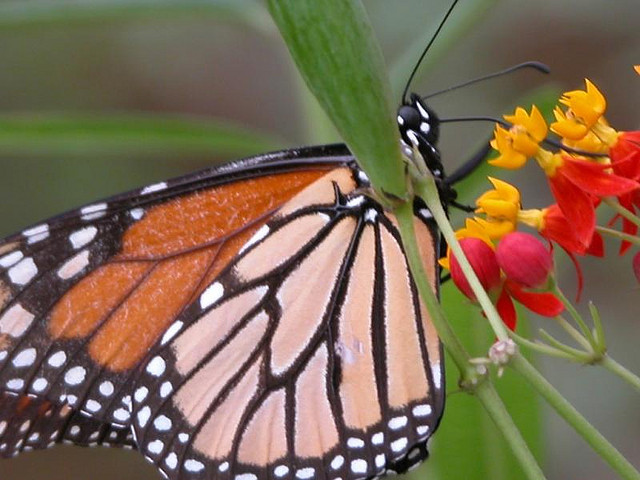
Monarch on milkweed plant.

Monarch on milkweed plant.


This is Passport to Texas

Why are monarch butterflies declining?

06— The current thought is that it is actually several different factors that are contributing to the decline that we’re seeing.

Ben Hutchins is Texas Parks and Wildlife’s invertebrate biologist. Deforestation of the species’ winter roosts in Mexico, unusually cold winters, and prolonged drought along their migratory path, all have negative effects.

13— And then, finally, what this project is addressing is this widespread decline in availability of milkweed plants. That’s due to a couple things: predominantly increased use of certain herbicides.

Texas Milkweeds and Monarchs is a new citizen science project where folks keep an eye out for the state’s 38 different species of milkweeds –vital to the monarch’s lifecycle – and then then share their observations on the website iNaturalist.org.

21— We have experts that are going to be looking at these observations and identifying those. We’re also working on a guide to Texas milkweeds, and that guide is going to be freely available online. It’s going to have pictures of all of the different species of milkweeds, distribution maps—so you know if you’re in the right part of the state—and also some of the key characteristics.

How you can get involved helping monarchs – that’s tomorrow.

For Texas Parks and Wildlife…I’m Cecilia Nasti.
Monarch Week: The Value of Monarch Butterflies

Monday, January 5th, 2015


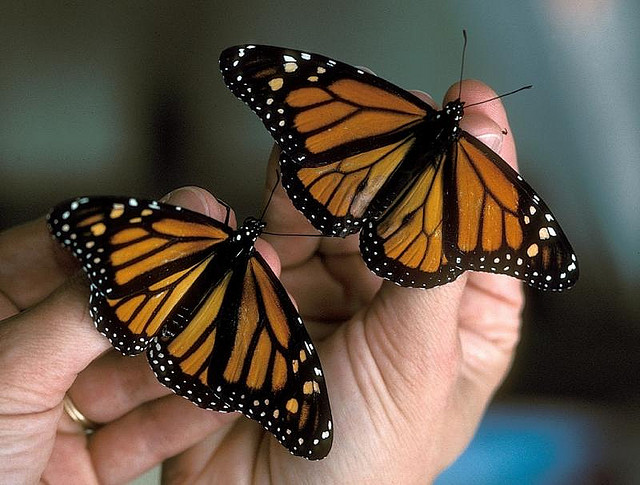
Monarch butterflies on hand.

Monarch butterflies on hand.


This is Passport to Texas

The gorgeous monarch butterfly is on the decline; efforts are afoot to conserve them. Yet, they’re not great pollinators, or a significant food source for other critters, so is being pretty reason enough to keep them around?

11—I think it’s important not to de-emphasize how important this is. If you’re ever out on a Texas river in the fall, and you have hundreds or thousands of monarchs coming through – that’s a fabulous natural phenomenon.

Ben Hutchins makes a good point. He is Texas Parks and Wildlife’s invertebrate biologist, and says the insects have a practical value in Mexico where they overwinter.

06— Overwintering monarchs are a really important source of economic income as tourists come from around the world to see them.

Conserving monarchs also benefits other Texas species.

30—Monarch conservation, benefits a whole suite of other species. So, for example, if you’re managing a landscape to benefit monarchs, you’re also going to be benefitting many other pollinators. They also benefit a host of larger species. For example, if you’re managing habitat – keeping it open as a prairie or savannah – that’s going to be benefitting upland bird species like quail; so there’s really an economic incentive of for being conscious of monarchs when we’re managing landscapes.

Tomorrow: a new citizen science project to help monarchs.

Funding provided in part by Ram Trucks. Guts. Glory. Ram

For Texas Parks and Wildlife…I’m Cecilia Nasti.
Becoming and Outdoor Woman

Friday, January 2nd, 2015


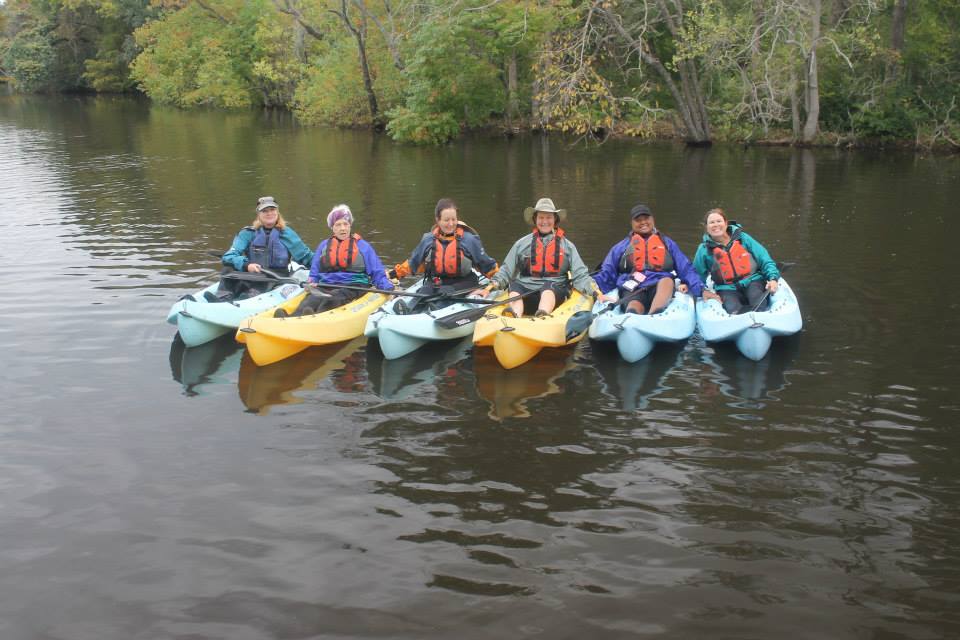
Women on the water at a BOW Workshop.

Women on the water at a BOW Workshop.

This is Passport to Texas

The popular Becoming and Outdoors Woman Program from Parks and Wildlife offers weekend workshops to help women 18 years and older to develop or hone their outdoor skills.

05—The fall workshop – when registration opened – it filled up within ten days.

Heidi Rao coordinates the program and says the next workshop is April 10 through 12 in Palacios. Trained staff guides participants through a variety of activities.

17—A third of the activities that we offer are hunting and shooting and wildlife based learning. A third of the activities are fishing and boating and water based activities. And the final third of the activities are the non-consumptive such as bird-watching, astronomy, camping and backpacking.

Attendees choose activities in which to participate. Heidi adds it is a safe, supportive environment where women engage the natural world. And if the April Becoming an Outdoor Woman Workshop interests you, better contact Heidi soon.

08—From the people that could not make it into the fall workshop, we already have a waiting list growing by the day to get into the event.

So what makes this such a popular program?

02—It’s fun. It’s absolutely fun.

Find information about Becoming an Outdoor Woman on the Texas parks and Wildlife website.

The Wildlife and Sport Fish Restoration Program supports our series, and receives funding from your purchase of fishing and hunting equipment and motor boat fuel… For Texas Parks and Wildlife…I’m Cecilia Nasti.
Resolutions: Spend More Time in Nature

Thursday, January 1st, 2015

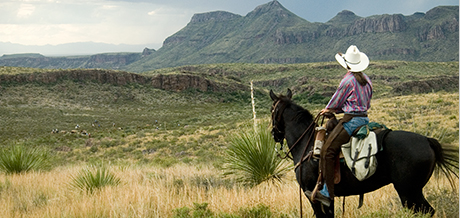
Resolve to spend time in the wide open spaces.

Resolve to spend time in the wide open spaces.


This is Passport to Texas

Don’t you love the start of a new year? It‘s totally fresh and filled with possibilities. So, take a few minutes to consider how you’re going to make this year better for you and your family.

One way would be to get outside more, because—as we like to say: life’s better outside.

Spending time in the natural world has a way of resetting the brain and giving you a fresh perspective. Researchers have discovered that children who spend time in nature do better on exams, and are less disruptive in the classroom.

Bring a pair of walking shoes to the office, and during your lunch hour, stroll outdoors in the fresh air. Even if you’re in a city, you can still observe the varied wildlife and plant life you see along the way. It’s amazing how much nature you can actually find in a concrete jungle.

Spend time with friends or family at one of our many state parks. Most folks are within 90 minutes of a state park or natural area; many are much closer. Take a nature hike, ride a bike. Pitch a tent and sleep under the stars, or find a park with cabins and rough it indoors.

Commit to learning something new about Texas history by visiting one of the state’s incredible historic sites.

There’s a world of wonder out there, and once you spend more time outdoors, you’ll wonder why you didn’t do it sooner.

That’s our show… from all of us at Passport to Texas, we wish you a New Year filled with outdoor adventure…For Texas Parks and Wildlife…I’m Cecilia Nasti
