Archive for the 'Shows' Category

Making Backyard Birds Count

Wednesday, February 6th, 2019
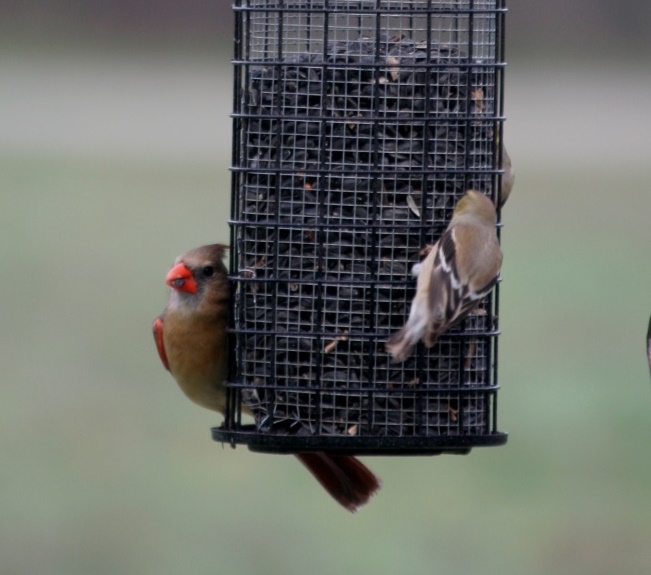
Finches at feeder.

This is Passport to Texas

The Great Backyard Bird Count provides citizens a chance to collect data to help researchers understand birds.

You’re basically counting all the birds you see at that spot on the planet; and the best part is it’s in your backyard. You’re starting to really pay attention to what birds are there in the wintertime. And, it’s just a lot of fun – it’s a learning experience for everybody.

Texas Parks and Wildlife ornithologist, Cliff Shackelford, says the count, February 15 through 18, is like a snapshot of bird life.

You’re counting both the number of species and the number of individuals per species. So, you’re getting two different numbers. Both kinds of information are very valuable.

Register at birdcount.org or ebird.org. It’s free. Cliff suggests doing your “homework” before getting started.

Crack your field guide open and start learning what species are even possible for your area – which ones would be in big numbers and which ones might be something rarer that you would want to get a photograph of. So, if you had, say, a Rufus hummingbird in February that might be something you might want to get a picture of just in case.

When you participate in the Great Backyard Bird Count, you help expand the knowledge base of the fascinating world of birds.

Our show receives support in part from RAM Trucks: built to serve.

For Texas Parks and Wildlife…I’m Cecilia Nasti.
Backyard Bird Count Coming Up

Tuesday, February 5th, 2019

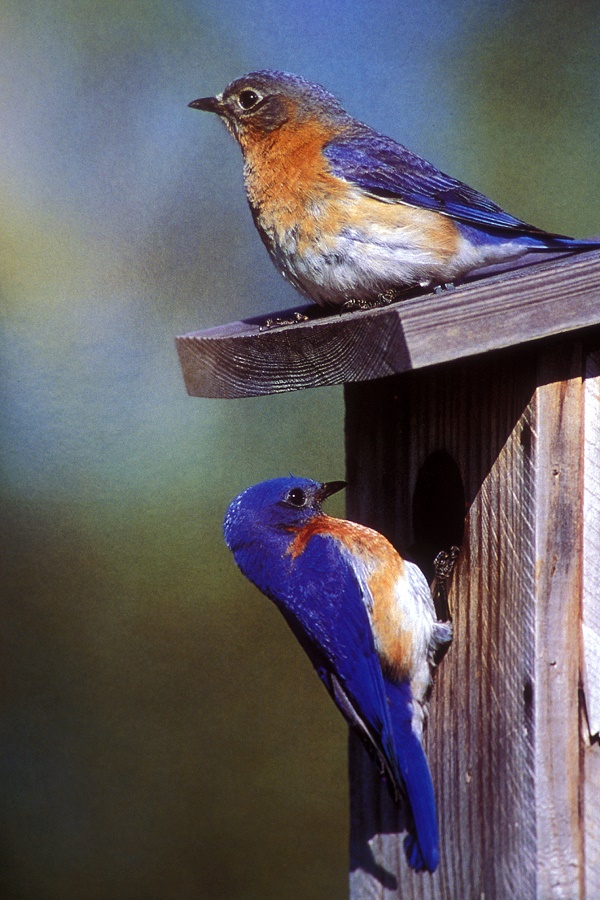
Bluebirds in a backyard nesting box.

This is Passport to Texas

You want to take part in a citizen science project, but you can’t get away to spend time in the field. What do you do?

Count the birds that are coming to your feeder and in your backyard all day long.

That may sound random. Yet, Cliff Shackelford, Texas Parks and Wildlife non-game ornithologist, says the Great Backyard Bird Count, organized by the Cornell Lab of Ornithology, is far from random. They combine data submitted by citizens with other surveys, which helps scientists understand how environmental changes affect bird species.

And what’s really neat is after thousands of people do it, and in the country tens of thousands people, you see: Wow, look at where black capped chickadees are versus Carolina chickadees. And you can see where the invasion of – say – red breasted nuthatches are that winter.

The event is February 15 through 18; it’s easy to participate. Just choose a day and register your location on birdcount.org or eBird.org.

So, you just count the birds and submit online. It’s really easy and doesn’t cost anything.

Count for at LEAST fifteen minutes and keep track of the species you see and how long you watched.

And, you might have chores throughout the day, but you’re constantly walking by the window. Just look and see what’s out there, and it doesn’t necessarily have to be at your bird feeder; it’ can be at your birdbath; it can be in the trees in the backyard.

We’ll have tips on making birds count…tomorrow.

For Texas Parks and Wildlife…I’m Cecilia Nasti.
Gus Engeling Wildlife Management Area

Thursday, January 31st, 2019

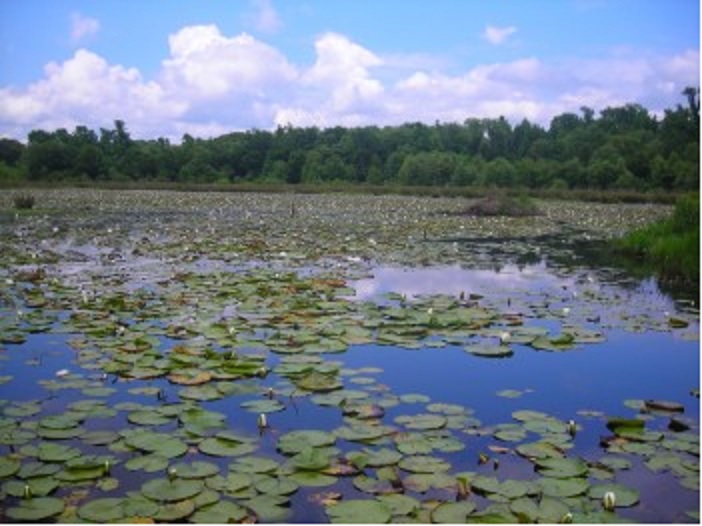
One of the many natural features at Gus Engeling WMA

This is Passport to Texas

The countryside that greeted east Texas settlers in the 1800s looked different than it does today. Known as the Post Oak Savannah, this region once covered 8 million acres between the Pineywoods to the east and the Blackland prairies to the west. Yet two centuries of farming, grazing and timbering took their toll.

A small patch of land exists today that offers us a glimpse of this vanished habitat. It’s the Gus Engeling Wildlife Management area, located in Anderson County, 21 miles northwest of Palestine. This nearly 11-thousand acre site was purchased from 1950 to 1960, under the Pittman-Robertson Act, using Federal Aid in Wildlife Restoration Program funds.

The WMAs primary purpose is to function as a wildlife research and demonstration area for the Post Oak Savannah Ecoregion. The area is comprised of 2,000 acres of hardwood bottomland floodplain and almost 500 acres of natural watercourses, 350 acres of wetlands, marshes and swamps and nearly 300 acres of sphagnum moss bogs.
Anglers and hunters need only possess an Annual Public Hunting Permit and valid hunting license to gain access on designated days during the appropriate season.

Visitors may enjoy nature viewing, bird watching, photography, hiking, camping and the general beauty of nature. Learn more about the Gus Engeling Wildlife Management on the TPW website.

The Wildlife Restoration Program supports our series.

For Texas Parks and Wildlife…I’m Cecilia Nasti

TPWD Kills and Spills Team

Tuesday, January 29th, 2019

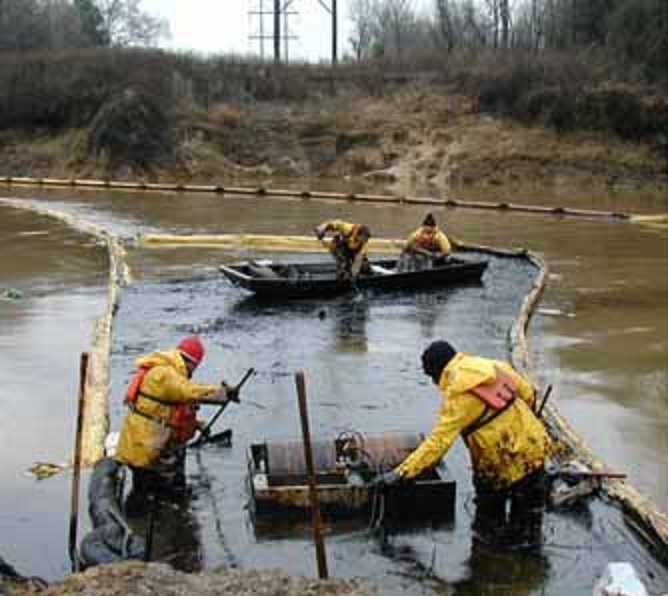
Spill on Sabine River with containment booms

This is Passport to Texas

If thousands of fish were to wash up dead on the Texas coast, biologists from Texas Parks and Wildlife Department’s Kills and Spills Team would be dispatched to the scene.

The Kills and Spills Team is a program in the Resource Protection division of the department, and is responsible for responding to fish kills, wildlife kills, oil spills and hazardous chemical spills. The goal is to protect fish and wildlife from impacts caused by man-made pollution

While large fish kills attract the most attention, uncovering sources of ongoing low-level pollution is just as important.

Some of the most common fish kills that occur near communities are often small—sometimes associated with leaking sewer lines or overflowing manholes. These are segments of the waste-water collection and transport system that can fail. But not all fish kills are caused by pollution. It’s not uncommon to see dead fish when temperatures suddenly drop. Although the majority of fish kills we see are due to natural causes, pollution may be a factor.

TPWD encourages the public to call anytime it sees dead fish in the water and along shorelines. Doing so allows the agency to send out biologists to assess the situation.

The Sportfish Restoration supports our series

For Texas Parks and Wildlife…I’m Cecilia Nasti.
Clean Climbing

Thursday, January 24th, 2019

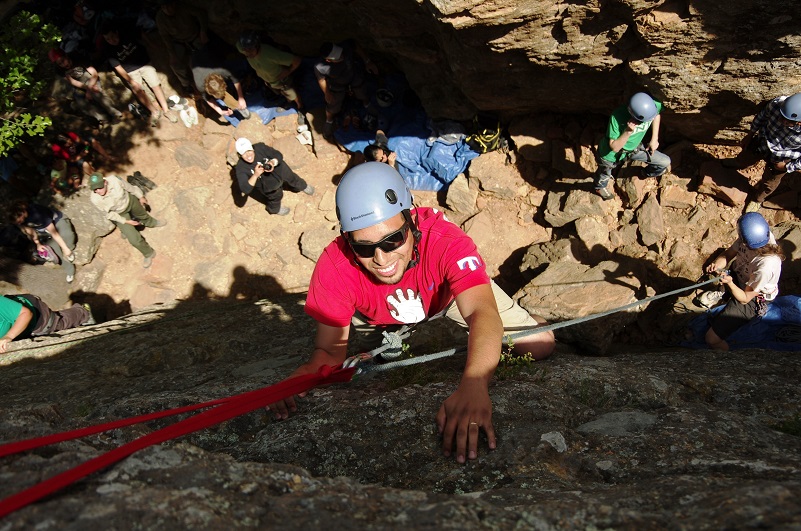
Rock Climbing at Lake Mineral Wells State Park

This is Passport to Texas

Some of Texas’ best rock climbing spots are in our state parks, including Hueco Tanks, Lake Mineral Wells and Enchanted Rock.

As the sport’s popularity has increased, so, too, has the potential for overuse and abuse of these natural resources. Over time, the practice of “clean climbing” has gained traction among devotees of the sport, who are committed to preserving the integrity of the rocks they scale.
Clean climbing is climbing without items—such as bolts—that get left behind. It takes more effort and thought, but those who engage this practice find it fulfilling.

When you do a clean climb, you ensure that those who come after you do not see signs of a previous climb. It’s similar to Leave No Trace.

This method of climbing involves more of a commitment, and works best with multiple climbers. When employing this style, the first climber is responsible for placement of protection gear like camming devices and slings. The climber who follows then removes those items on their way up.

Clean climbing is another way to enjoy unspoiled nature and not spoiling it for those who come after you, either.

That’s our show…we receive support in part from RAM Trucks…build to serve.

For Texas Parks and Wildlife…I’m Cecilia Nasti