Archive for the 'Shows' Category

Corralling Catfish

Thursday, January 10th, 2019
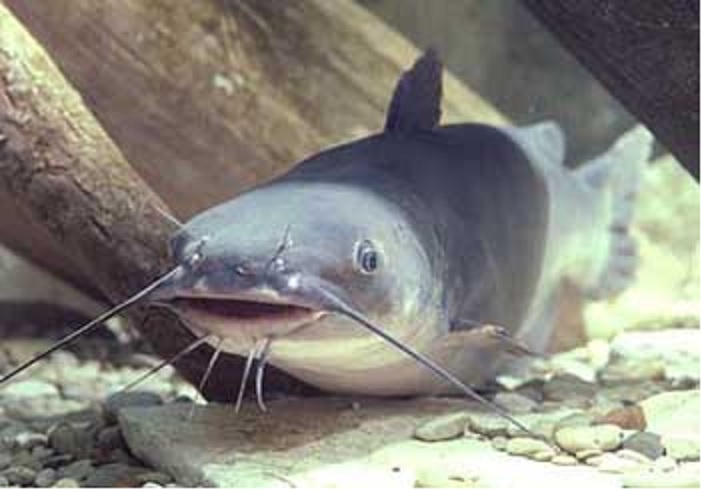
Catfish waiting his turn to head to a neighborhood fishin’ pond.

This is Passport to Texas

I visited the A.E. Wood Fish Hatchery in San Marcos on a misty morning in early October; that’s where I met hatchery manager Mike Matthews.

We’re standing on the banks of pond 23. And we’re harvesting our 12-inch catfish for our neighborhood fishing program.

The one-acre pond had been drained; nearly 5,000 channel catfish flopped around in a Kansas kettle.

It’s basically a raceway in the bottom of our pond. We’ve brought the whole pond down into that kettle, and that just catches all the fish for us very efficiently.

A technician counted and weighed the fish as he placed them into a wire basket. Using a crane, technicians moved the basket to a waiting transport truck, and deposited the fish into tanks.

Which has got probably three to five parts per thousand saltwater in it. It’s beneficial for the fish. It causes them to promote slime growth, which in case they do get a little rough handled, and nicks their skin a little bit, that slime will cover that before it can really become a problem. It’s natural. That’s what they do anyway.

I followed a truck to East Metro Park in Austin, where Ryan, a fisheries technician, released them as anglers waited on the banks.

Texas Parks and Wildlife stocks catfish in neighborhood fishin’ ponds during warmer months. In winter, it’s rainbow trout. Find the stocking schedule on the TPW website.

The Sport Fish Restoration Program supports our series.

For Texas Parks and Wildlife…I’m Cecilia Nasti.
Sam Bass’ Treasure

Wednesday, January 9th, 2019

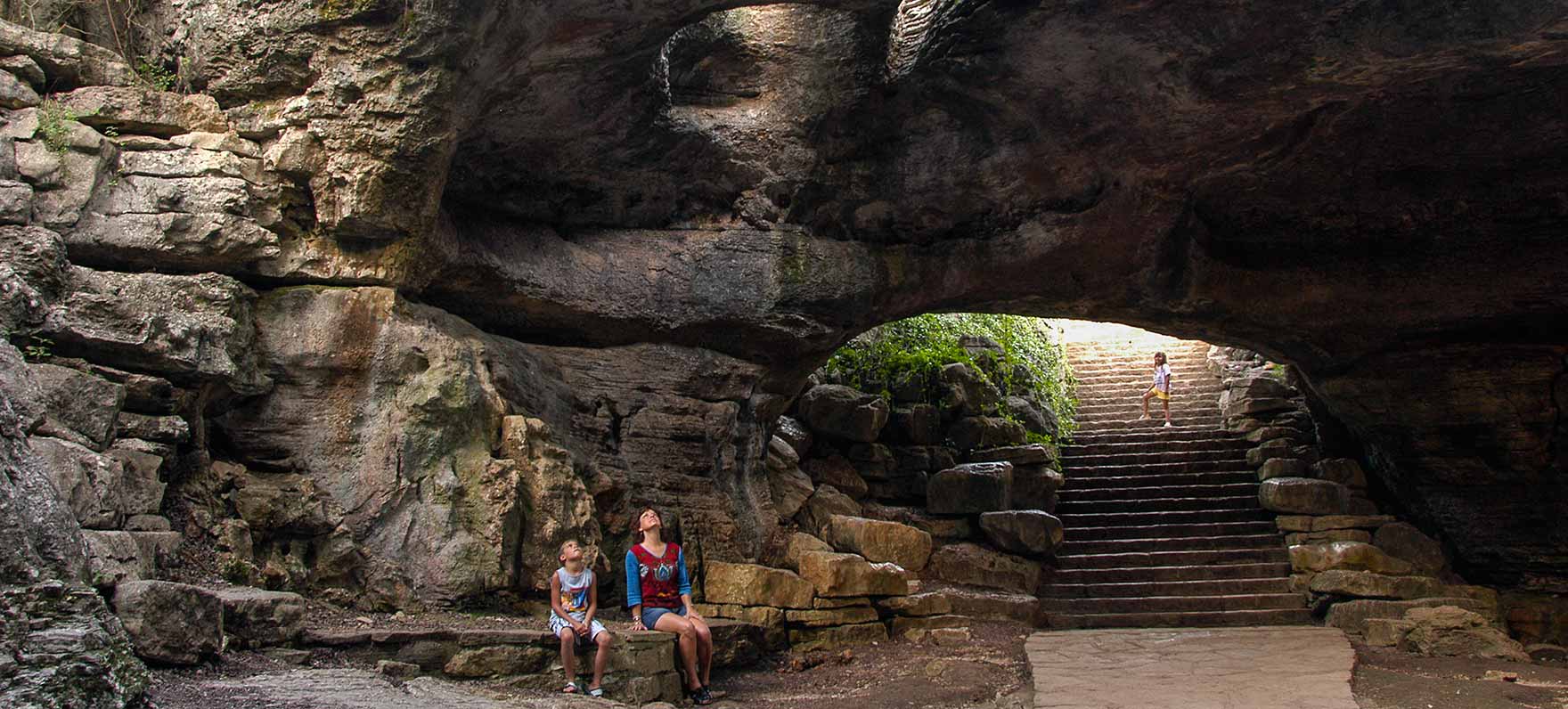
Longhorn Cavern

This is Passport to Texas

At Longhorn Cavern State Park in Burnet County, folks are still searching for Sam Bass’ gold.

Sam Bass was a Texas outlaw who died in 1877 in Round Rock, Texas at a fairly young age. He was shot trying to rob a Round Rock bank.

Legend has it that that Sam Bass used Longhorn Cavern as a hideout and that he left stolen money there. Some of the rumors circulating at the time had his ill-gotten gain totaling upwards of two million dollars’ worth of gold.
No one knows for certain if Sam Bass hid that much gold in Longhorn Caverns, or hid any gold—or even visited the cavern, for that matter.

The real treasure is its geology and history. Geologically, it has formations known as calcite channels, crystals, columns and draperies.

Historically: Confederates used the cavern during the Civil War to make gun powder from bat guano. In the 1920s, during prohibition, Burnet County residents used the cave as a speakeasy; they installed a wooden dance floor where residents danced to live bands.

In addition to cavern tours, check out the calendar section of the TPW website for events planned inside the cavern.

That’s our show for today…Brought to you in part by RAM Trucks. Built to Serve.

For Texas Parks and Wildlife…I’m Cecilia Nasti.
TPW TV–Trail Ranch

Tuesday, January 8th, 2019

Trail Ranch

This is Passport to Texas

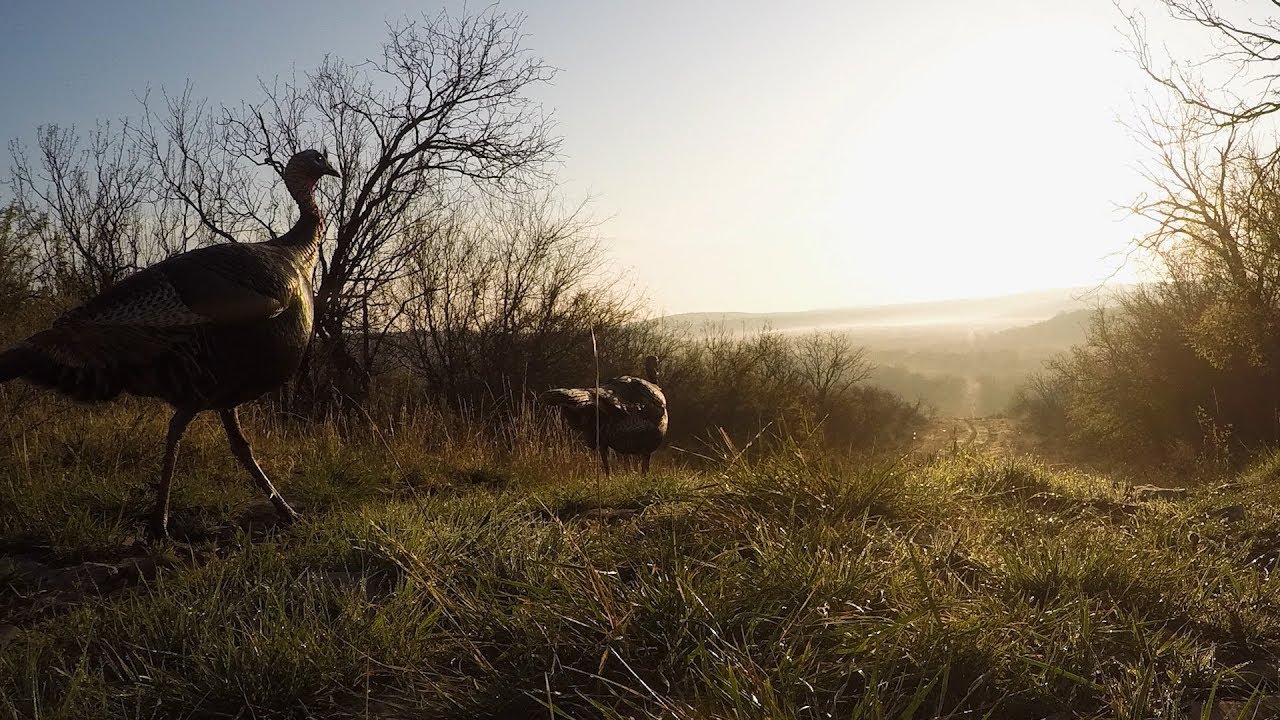
Justin and Tamara Trail live in Albany, which is about a 10 minute drive from their 19-hundred acre ranch in Shackelford County.

Tamara and I always dreamed of having our own place to enjoy and manage and steward and then when you layer on top of that inviting people out to enjoy that, I can’t imagine anything better.

They acquired the ranch in 2009. Since then, they’ve disked, burned and sprayed their property to fight invasive mesquite, prickly pear and winter grass.

And in response, we get all these warm season forb plants.

Cattle have a role to play, too.

Over the last three or four years, we’ve re-introduced cattle back in just to try to change the grass composition from cool season winter grasses to more of the warm season plants that we’re looking for.

As 2018 Lone Star Land Steward Award Winners for the Rolling Plains ecosystem, the Trails are innovators. TPW biologist Jesse Oetgen [O-ta-gin (long O, hard G)] cites their use of a roller chopper as proof.

In a single pass he can use the dozer blade to push brush out of the way, the roller chopper to chop that prickly pear and immediately followed with herbicide application. That roller chopper – spray combination as an implement is something that nobody else around here has done and it’s really caught on in the last couple of years.

See their story the week of January 13 on the Texas Parks and Wildlife TV series on PBS.

The Wildlife Restoration Program supports our series.

For Texas Parks and Wildlife…I’m Cecilia Nasti.
Don’t Get Caught in the Wild Web

Wednesday, January 2nd, 2019

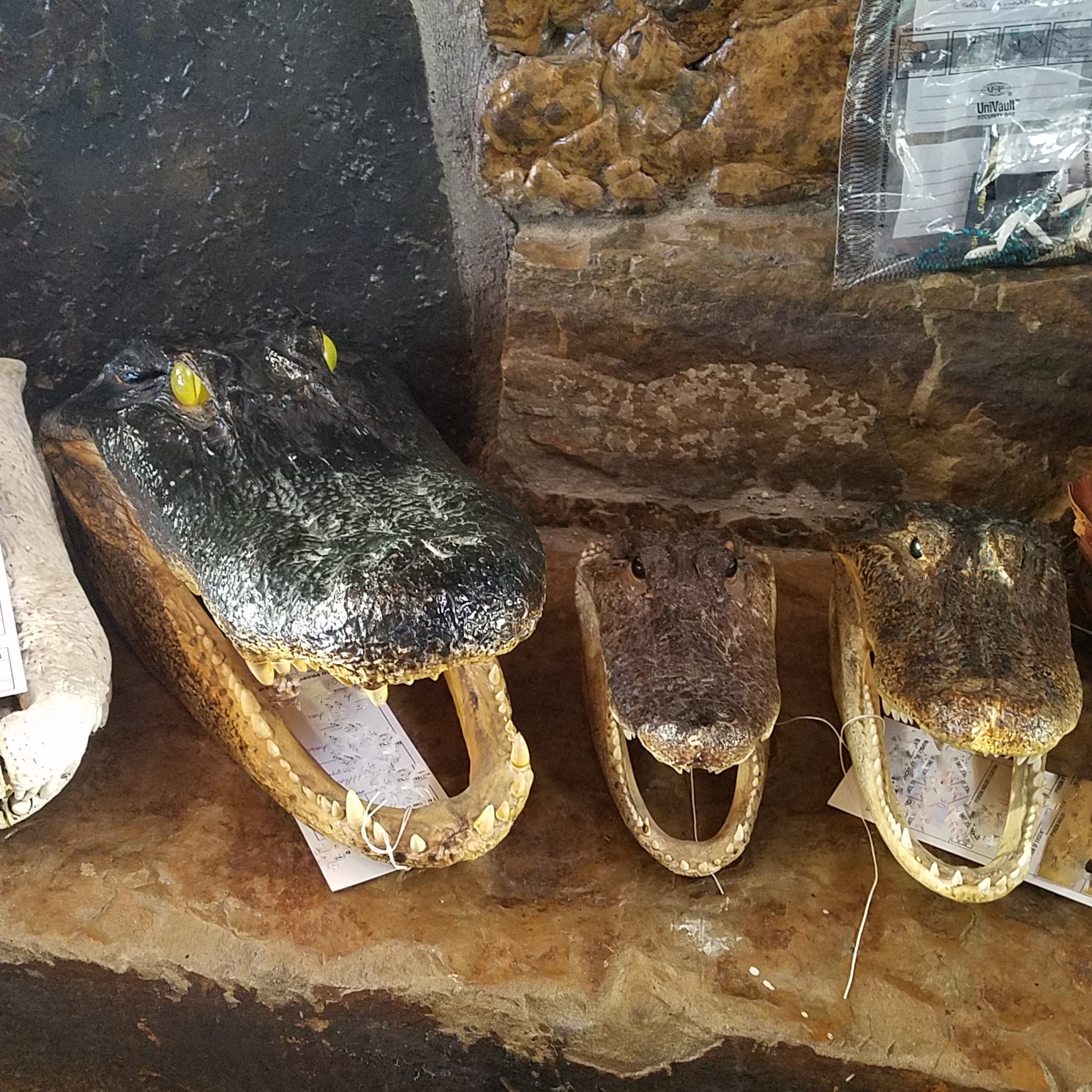
Items discovered and confiscated during a Wild Web investigation.

This is Passport to Texas

Operation Wild Web involves Texas Game Wardens patrolling the internet to uncover the illegal sale and exploitation of wildlife resources.

Wild Web is an operation that we run periodically in different parts of the state. And we try to saturate a certain area and try to do as many investigations or cases as we can of things being sold illegally online.

Captain Josh Koenig oversees the Game Warden’s Special Ops Criminal Investigations Division. Wardens discover a wide array of illegal wildlife resources online.

That might be anywhere from fish to live white-tailed deer, to stuff that’s been imported illegally, or something that might be threatened or endangered…Anything sold illegally online, we try to focus on.

This illegal activity is global and lucrative.

In the United States, and even in the world, wildlife trafficking is second only to drugs. So, wildlife trafficking, whether it be live animals or even dead animals and animal parts, is a very big problem. [Cecilia] I am shocked that wildlife trafficking—alive or dead—is only second after drugs. How can that be? [Captain] When here’s money behind it, people will go after it. There’s a lot of money, it’s a lucrative business, to get into the wildlife trade.

I meant to ask him about my lucky rabbit’s foot. Oh well.

That’s our show, brought to you in part by Ram Trucks… built to serve.

For Texas Parks and Wildlife…I’m Cecilia Nasti.
Wild Dogs in the City

Tuesday, January 1st, 2019

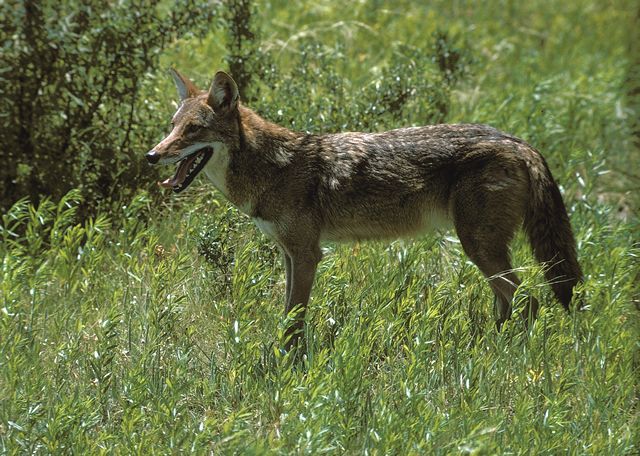
A study of urban coyotes is underway.

This is Passport to Texas

Coyotes are widespread throughout Texas.

In any county, in any city, in any suburb—there’re going to be a few coyotes.

Texas Parks and Wildlife urban wildlife biologist Kelly Simon says we have abundant data on rural coyotes, but less on urban coyotes.

In urban areas they act a little differently. And so, we’re hoping to get an idea of not only the home ranges, for example, but also what prey items they might consume, and also what they might show us about the toxins that might be in the environment.

Toxins such as poisons we use to kill rats—primary prey of coyotes. TPWD is undertaking a year-long study of urban coyotes with Huston Tillotson University in Austin.

So, one of the things that the students at Huston Tillotson are looking at are the presence of toxins in the blood of the coyote, as well as in the fur and the footpads of the coyote.

Students trap, test and place radio collars on the animals.

So, we have the traps monitored with a device that sends out a text message and lets us know that an animal has been snared. Our goal is to get to the trap within 30 minutes, so the animal is immobilized for no more than 30 minutes in the field.

Better data means improved management strategies. This spring, we’ll follow students and teachers into the field as they work with the coyotes, and feature their work on our new podcast Under the Texas Sky.

The Wildlife Restoration program supports our series.
[W-190-R-1]

For Texas Parks and Wildlife…I’m Cecilia Nasti.
