Archive for the 'Shows' Category

Wildlife: Quail & Drought in Texas

Monday, October 14th, 2013
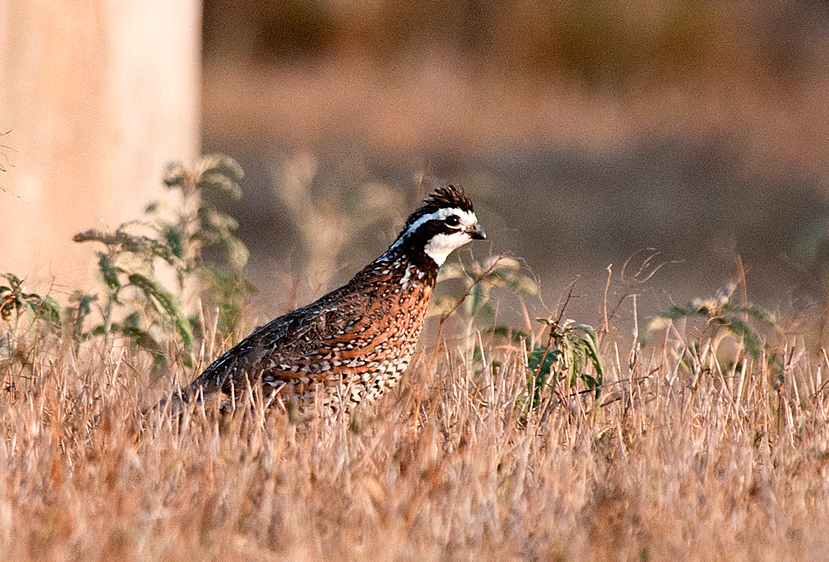
Bobwhite quail.

Bobwhite quail.


This is Passport to Texas

A major issue affecting bobwhite quail in southern brush lands and the Rolling Plains regions of Texas is drought.

06 —Long term drought. I’m talking in some areas eight, ten, eleven years now of below average rainfall.

Robert Perez is the upland game bird program leader at TPW. He says the drought is beginning to take its toll on bobwhite.

16—And it’s really caused some declines in the numbers – at least in recent years. So what we hope is things can turn around weather-wise in those areas that are still holding birds, and they will be able to rebound in those areas. And that’s certainly something that we know the species can do.

I asked Robert if there is a threshold at which the birds will not rebound even if we get relief from the drought.

17—I think that you can get there at some point, but in Texas it’s just not very likely to happen any time soon in the Big Country…because the landowner practices and our traditional land uses in some of these areas just lend themselves to quail if mother nature will just cooperate.

Many areas of the state received meaningful rainfall last month. Whether that improves the quail outlook remains to be seen. Meantime, there’s another threat to the well-being of this charismatic game bird.

04—If you’re anywhere eat of I35, then the issue becomes fragmentation.

That’s tomorrow.

The Wildlife and Sport Fish Restoration program supports our series and receives funding from your purchase of fishing and hunting equipment and motor boat fuel. For Texas Parks and Wildlife…I’m Cecilia Nasti.
History: Fanthorp Inn — Our Past and Progress

Friday, October 11th, 2013

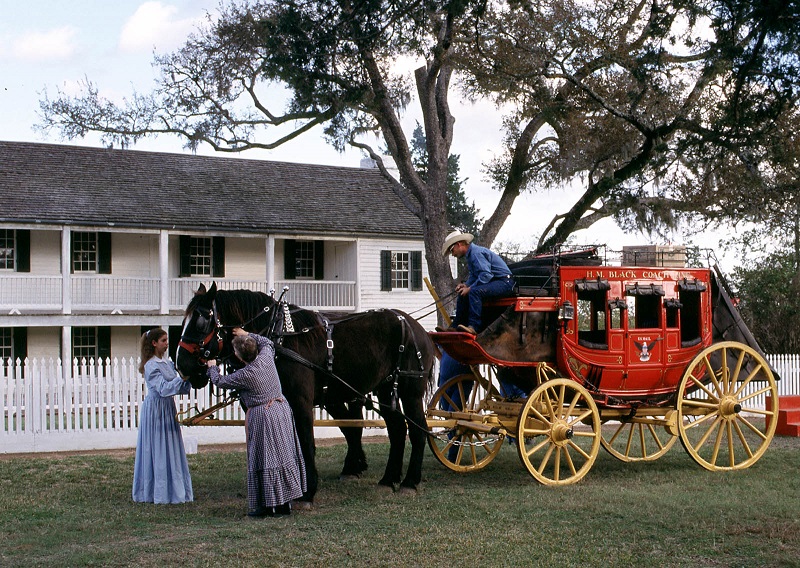
Fanthorp Inn Stagecoach

Fanthorp Inn Stagecoach


This is Passport to Texas

Stagecoaches were vital to the development of Texas. They carried people and the mail – making them important tools for communication and advancement.

11—Without communication, how can people organize to band together to make political and social changes without the knowledge of what’s going on 50 miles away?

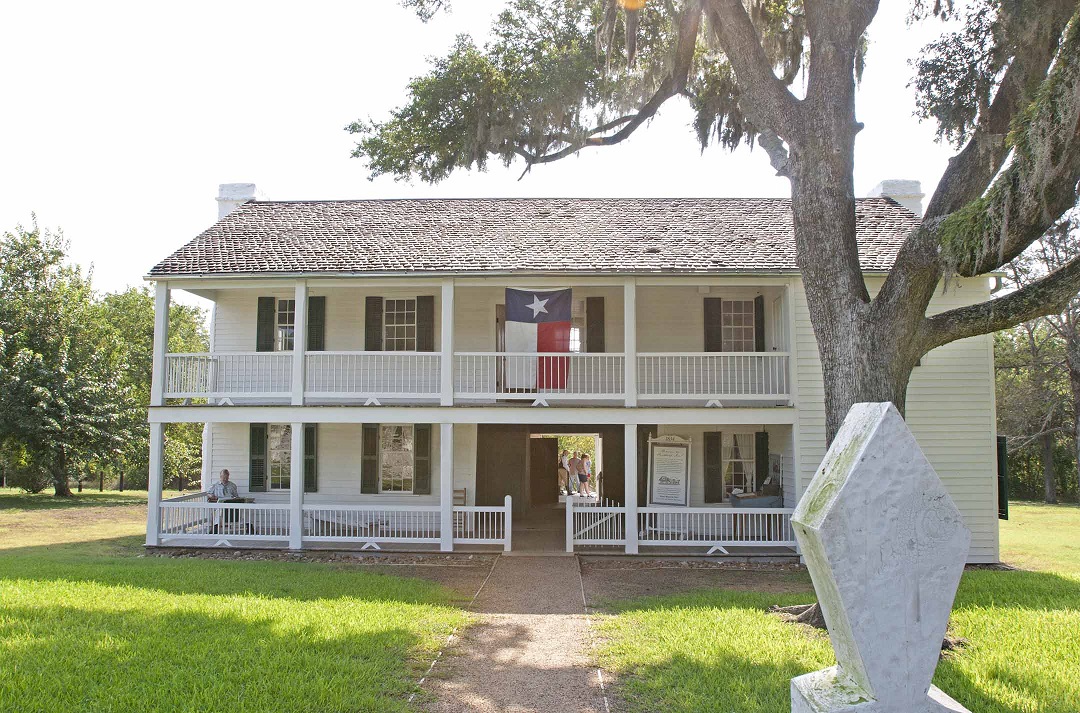
Tom Scaggs, a park ranger at Fanthorp Inn SHS in Anderson, says the inn served as a communications and transportation hub for stagecoaches that rolled in with their passengers and post. Today the inn and stagecoach is a reminder of our past and our progress.

25—I think Fanthorp Inn really offers people the opportunity to stop and think about how far we’ve come in terms of travel and communication, and be so grateful for – if nothing else – the fact that those nice rubber tires on our coaches today, carry us at such a rapid speed, and such comfort compared to the stagecoach that they can experience there at the inn.

Visitors to the historic site may have the opportunity to experience 18th Century life and travel.

18—Just as in the 1800s today, we offer a variety of entertainment and hospitality at Fanthorp Inn. On the second Saturday of each month, we fire up the stagecoach and offer rides, taking you around the little town of Anderson, and bringing history to life.

Find more information about Fanthorp Inn at texasstateparks.org.

For Texas Parks and Wildlife…I’m Cecilia Nasti.
History: Fanthorp Inn Impact on Texas

Thursday, October 10th, 2013

Fanthorp Inn

Fanthorp Inn


This is Passport to Texas

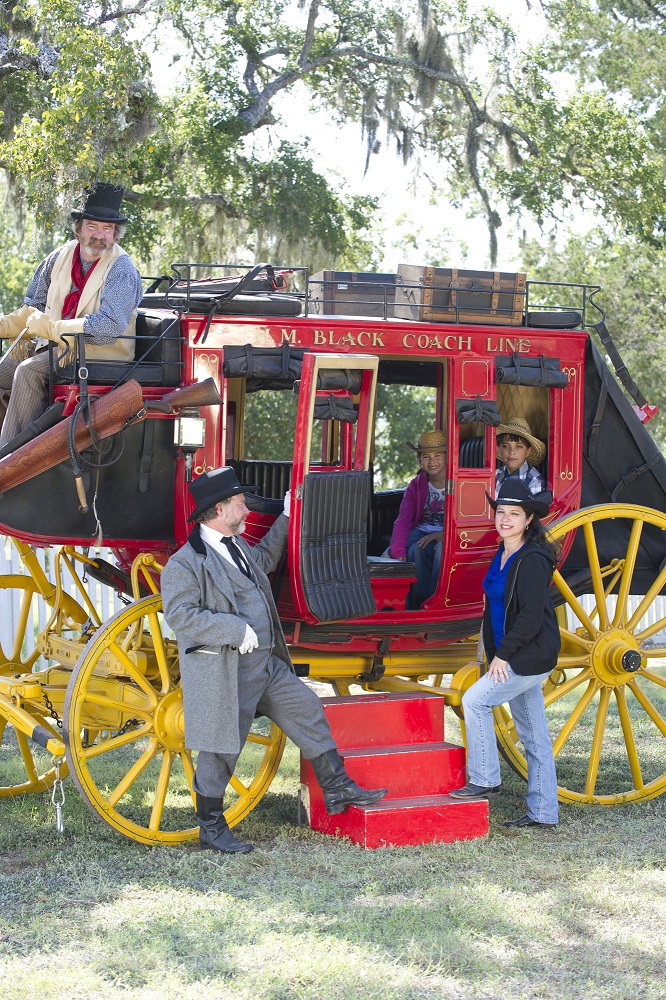
During the 19th century, before Texas was…well…Texas… places like Fanthorp Inn State Historic Site in Grimes County, were essential to the development of the state.

12—if it were not for the major transportation stops like Fanthorp Inn, the ability to communicate and travel would have been severely hindered.

Tom Scaggs is a park ranger at Fanthorp. The inn was a 19th century communication and transportation hub, and so much more.

30—Without communication, how can a people become educated to the rigors and problems of a new and struggling republic? How can they organize without communication to band together to make political and social changes without the knowledge of what’s going on 50 miles away? So, without the communication and transportation link, the development would have been severely slowed down, and who knows what direction it would have gone?

Visitors to Fanthorp Inn SHS get a sense of life in the 18oos, and …

06—On the second Saturday of each month, we fire up the stagecoach and offer rides.

Tomorrow Fanthorp Inn reminds us of our past and our progress.

For Texas Parks and Wildlife…I’m Cecilia Nasti.
History: Fanthorp Inn as a Communication Hub

Wednesday, October 9th, 2013

Fanthorp Inn Stagecoach

Fanthorp Inn Stagecoach


This is Passport to Texas

Fanthorp Inn State Historic Site is…

05—The old Stagecoach inn that brings history to life in Andersen, Texas.

Tom Scaggs is a park ranger at Fanthorp, which during the mid-19th century, served as a communication and transportation hub.

31—Before the days of the telegraph, and even before the railroad, the only way to communicate was by mail. And one of the early settlers to Texas, Henry Fanthorp, developed his home as a stagecoach inn. Basically he was providing an overnight facility for the stagecoaches tht were carrying the mail, and providing transportation for the many travelers finding their way through this new republic we call Texas.

Located at a major crossroads (about 30 miles southeast of what is today Bryan/College Station), Fanthorp Inn played a key role in the development of Texas.

15—As you can imagine, people were traveling through Texas, and traveling through Fanthorp…spending the night at a stagecoach inn like his was probably a wonderful experience in that you could communicate and visit with travelers almost worldwide.

It’s where information was exchanged and new ideas hatched. Learn the impact of Fanthorp Inn SHS on Texas history, and the history-makers who stayed there; that’s tomorrow.

For Texas Parks and Wildlife…I’m Cecilia Nasti.

Pre-History: Preserving Texas’ Ancient Past

Monday, October 7th, 2013

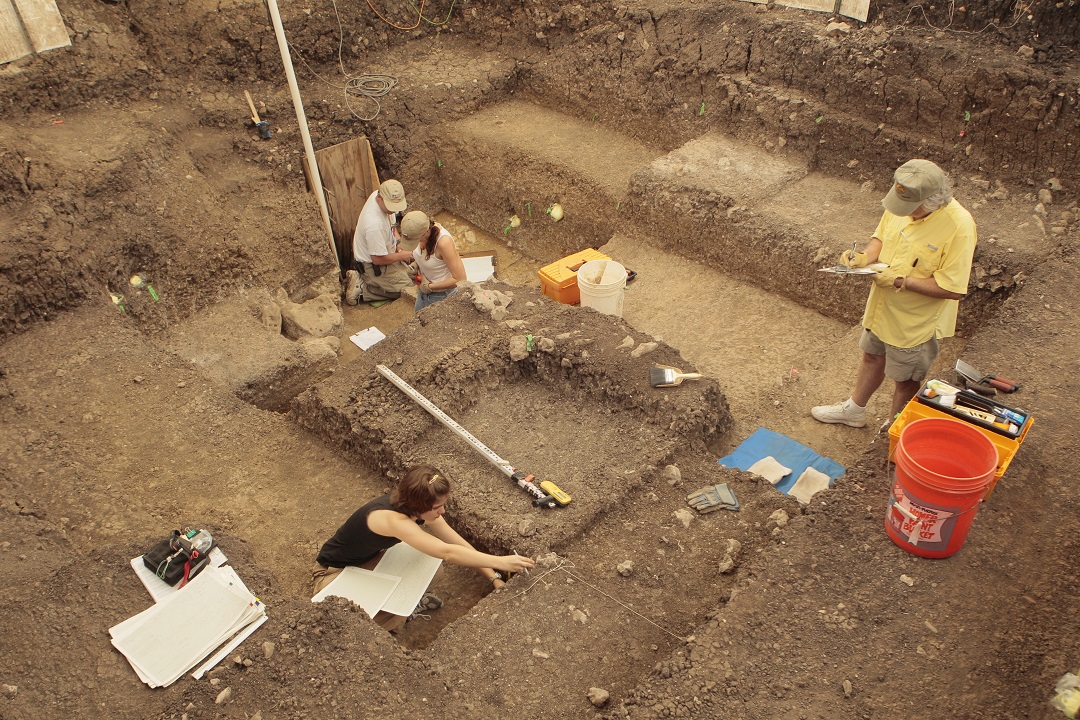
Archaeological Dig

Archaeological Dig


This is Passport to Texas

Before Texas Parks and Wildlife starts projects on its nearly 50 wildlife management areas, they call this man:

04— My name is Chris Lintz, and I’m the culture resource specialist for the wildlife division.

As an archaeologist, Chris ensures the agency complies with federal and state laws around preserving cultural resources.

10— Cultural resources constitute both the prehistoric Indian sites, and historic sites up to 50 Years of present, according to both federal and state laws.

Think: ancient campsites, rock art, and Indian burial mounds…. With more than three quarters of a million acres of public lands, Chris says there is plenty of history to protect and preserve.

17— And that’s true. There’s an awful lot of buried cultural resources that exist out there. Our goal – before we develop projects on our WMAs—is to go out and take a look and see what’s out there. And if we can, we try to redesign projects to avoid impacts to cultural resources.

Whether TPW is building a structure or an oil and gas company requests access to lay new lines on public lands, Chris says protecting the past has value in the present.

16—The folks that made these artifacts at various times in the past going back 11,000 years, are no longer with us. So the sites that they’ve left behind are finite. Our job is to identify which resources are the most important and save those for future generations.

That’s our show for today…funding provided in part by Ram Trucks. Guts. Glory. Ram.

For Texas Parks and Wildlife…I’m Cecilia Nasti.