Archive for the 'Shows' Category

Where to see Bald Eagles

Wednesday, November 14th, 2018
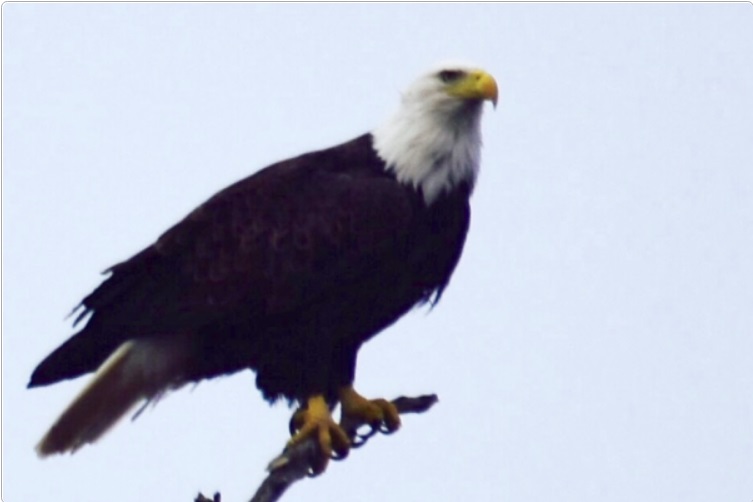
Bald Eagle at Lake Texoma. Image by: Hilary Roberts

This is Passport to Texas

After nearly disappearing from most of the United States decades ago, the bald eagle is now flourishing. It was removed from the federal list of threatened and endangered species in 2007.

The symbol of our nation got its name from an old English word “piebald”—which means white faced.

You’ll find bald eagles in every state but Hawaii; the largest US concentration thrives in Alaska.

These impressive birds also spend time in the Central and East Texas. Want to see one?

You’ll have the best luck finding eagles on lakes and rivers during peak season, which is October through March. Start your search at a Texas State Park.

Visitors to Fairfield Lake State Park, southeast of Dallas consistently spot bald eagles. They’ve also been seen at Martin Creek Lake State Park, near Longview.

There’s a bald eagle nesting site at Lake Texana, 35 mi. northeast of Victoria. Visitors can see them from the viewing stand on the east side of the parking lot.

In Central Texas, folks often spot the birds around Lake Buchanan, which is 70 miles northwest of Austin.

If you see bald eagles this fall or winter, document your observation at the Texas Eagle Nest project on iNaturalist.org.

For Texas Parks and Wildlife…I’m Cecilia Nasti.
TPW Magazine — Christmas Bird Count

Tuesday, November 13th, 2018

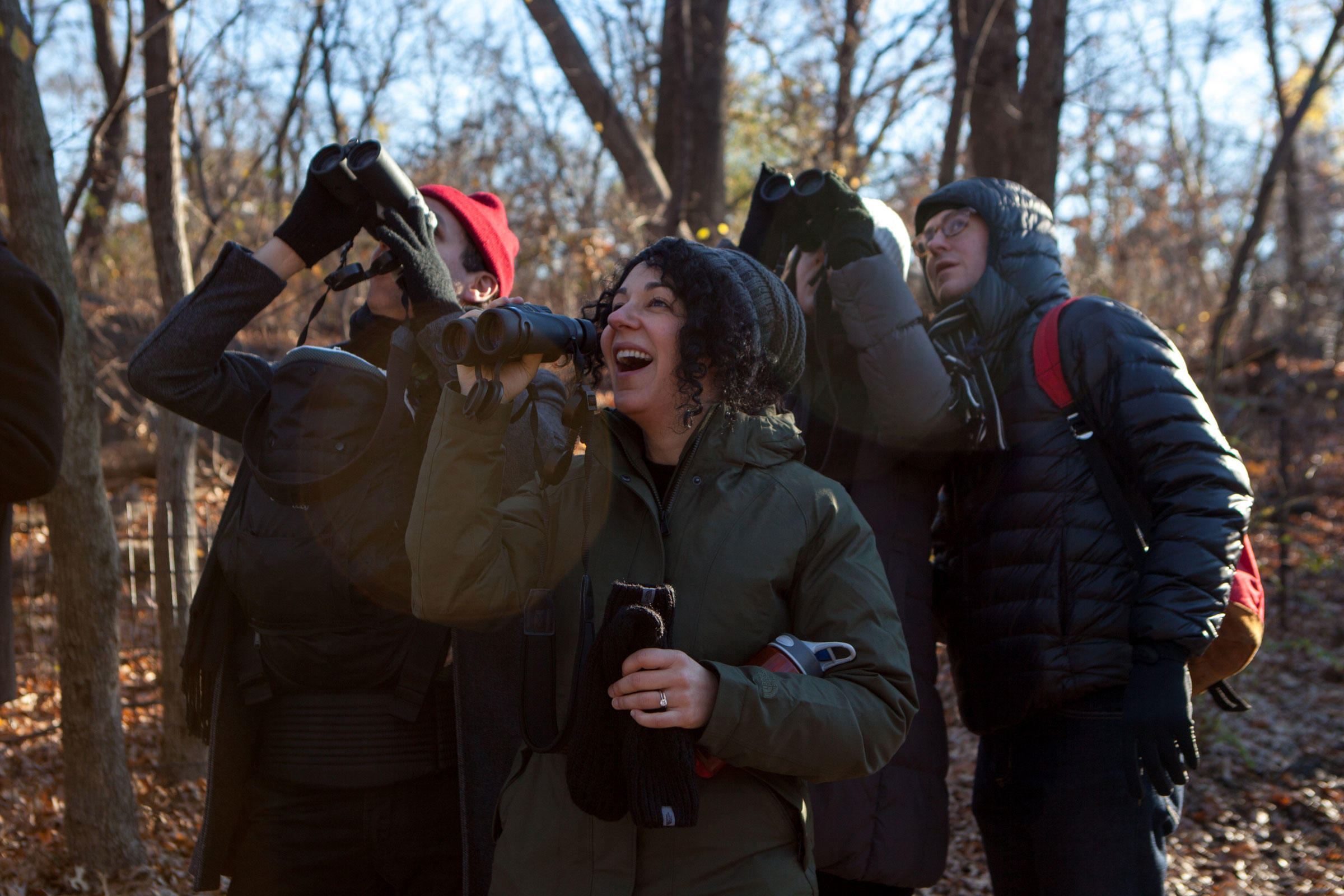
Having fun during the Christmas Bird Count. Image: Audubon.org

This is Passport to Texas

Mark December 14 through Saturday, January 5, 2019 on your calendar. Those are the dates of the 119th Annual Christmas Bird Count (CBC), organized by the National Audubon Society.

In the December issue of Texas Parks and Wildlife magazine, writer, Melissa Gaskill, takes readers to the Texas coast, and Matagorda County, where they become immersed in last year’s counting activities.

Gaskill writes: In the 2017 count, Matagorda County reported 220 species, ranking it number one for total species for the 11th year in a row and 25th time overall.

The article is part of the magazine’s year-long celebration of Epic Texas Challenges. Gaskill says: Between the wildlife, unpredictable weather, occasionally remote locations, and subtle but unmistakable air of competition, the Christmas Bird Count qualifies as bona fide adventure.

Researchers compile the data collected by birders and use it to guide allocation of conservation dollars, land management decisions, and wildlife policy.

To participate in the CBC, visit audubon.org and find a counting circle near you.

The Wildlife Restoration program supports our series.

For Texas Parks and Wildlife…I’m Cecilia Nasti.
Shell Collecting and Wildlife Viewing (You)

Monday, November 12th, 2018

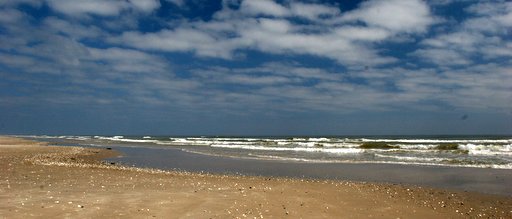
Matagorda Island. Image: USFWS

This is Passport to Texas

A leisurely stroll along one of Texas’ public beaches might include finding a sand dollar or two.

But at Matagorda Island WMA—you can pick up dozens of sand dollars, as well as giant Atlantic cockles and even shark’s teeth.

Shells are abundant on the island. And don’t be surprised if while sifting through the sand, you feel like you’re being watched.

It’s not uncommon to look up from your collecting pursuits to see members of the island’s white-tailed deer population a comfortable distance away, keeping tabs on your every move.

Or perhaps one or more of the 300 species of migratory birds that visit the island will fly in for a closer look, waiting to see what your efforts uncover.

During fall and winter, you might even see endangered whooping cranes.

Be mindful of when you visit, as the island is popular with hunters during whitetail season.

Matagorda Island WMA consists of nearly 57-thousand acres and is an offshore barrier island. All interior access is via hiking, biking, or TPWD vehicles during scheduled hunts or tours. No private motorized vehicles! There’s more information on the TPW website.

Out show receives support from RAM Trucks: Built to Serve.

For Texas Parks and Wildlife…I’m Cecilia Nasti.
Building Marine Habitat by Recycling a Ship

Friday, November 9th, 2018

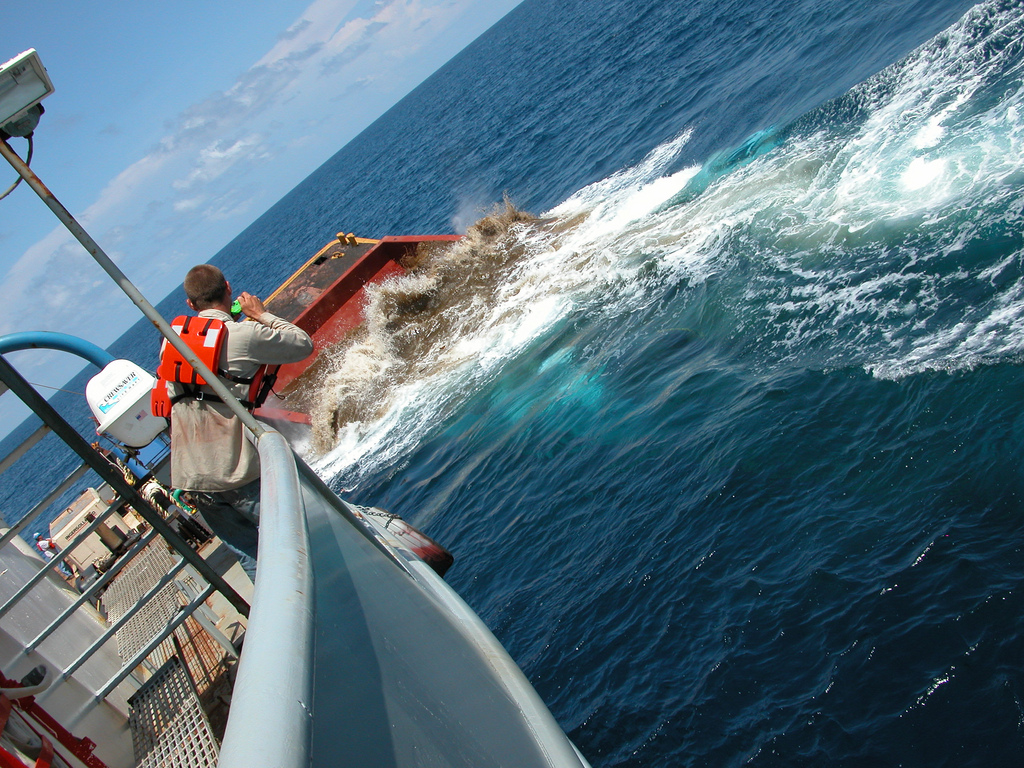
Onlookers watch the Kinta go under.

This is Passport to Texas

The Gulf of Mexico has a lot going for it, except for substrate—the hard material on which marine organism live and grow. That’s where this guy comes in.

[I’m] Dale Shivley; I’m the program leader for the artificial reef program for Texas Parks and Wildlife

Artificial reefs provide habitat for saltwater fish as well as destinations for underwater divers. About four years ago Shively and his crew were preparing to reef a 155 foot decommissioned freighter, called the Kinta, in 75 feet of water off the coast of Corpus Christi.

Basically, what we have is a huge piece of metal that will benefit the local environment. Marine organisms will begin to grow on it; fish will be attracted to it immediately; it’s been cleaned of environmental hazards and is ready to go. [ambience]

The ship has a new purpose on the gulf floor: nurturing marine life. Brooke Shipley-Lozano, a Scientist with the GIS Lab at Parks and Wildlife explains what happens when they reef a ship.

So, the water will start coming in at the stern. And then gradually the water will fill up the ballast tanks one by one from the stern to the fore, and the rear of the ship should hit the bottom, and then eventually the bow will follow suit, and it will land perfectly upright and everyone will celebrate…

See a video that features reefing the Kinta on the Texas Parks and Wildlife YouTube channel Find a link at passporttotexas.org.

The Sport Fish Restoration program supports our series.

For Texas Parks and Wildlife…I’m Cecilia Nasti.
Hunting Alligators in Texas

Thursday, November 8th, 2018
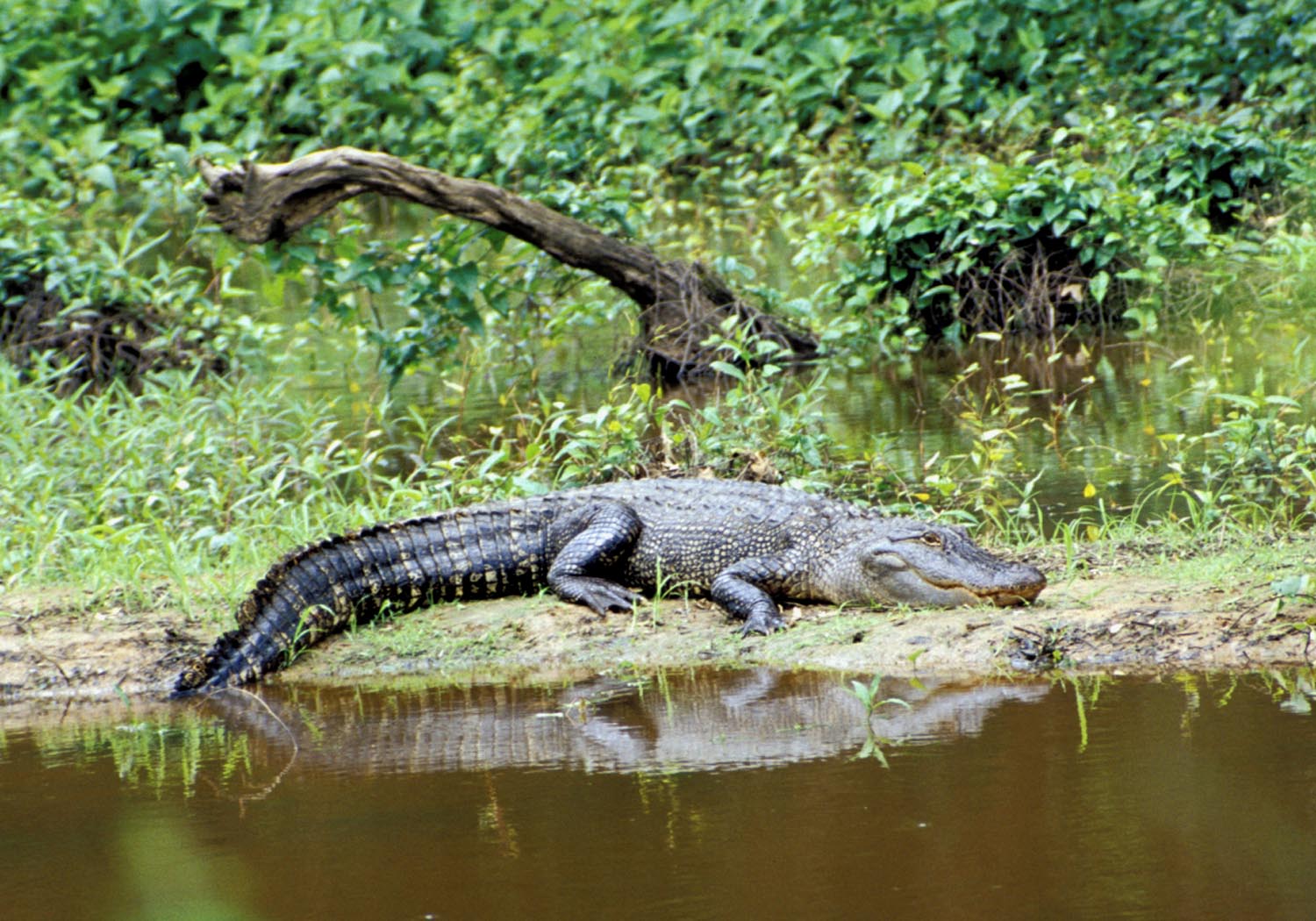
American Alligator, photo TPWD

American Alligator, photo TPWD

This is Passport to Texas

It’s a hot muggy afternoon in the marshes of east Texas; and that’s where we find hunters on the trails of alligators at J.D. Murphree Wildlife management Area.

The area that we’re hunting in, it’s a vast bayou of swamps and marshes, with canals running through. The adrenaline rush is way more than deer hunting or anything else because you’re after something that can actually get you. /There’s one probably about 10 foot and two seven footers right up here. In about 150 yards we’re going to try and put a set. / Never been gator hunting before. You know you see ’em on TV. See the alligator shows. And, this is exactly what it looks like. / Our bait is chicken thigh quarters/ Those smell savory. /It’s savory; thats for sure. Mmmm./And we let ’em sit out in the sun for a day or two and it got quite ripe./Upwind is better than downwind when you get those things out. [distant laughter] I am amped up; adrenaline’s pumping, and then it’s on!/ Alligator hunting — it’s just not like anything else I’ve ever done. You know, there’s one on the line and you start pulling me in. I don’t know. You get anxious, you get excited. You get nervous.

The story continues on the Texas Parks and Wildlife YouTube Channel. Find a link at passporttotexas.org. https://youtu.be/vPWtSs0iMBg

The Wildlife Restoration Program supports our series.

For Texas Parks and Wildlife, I’m Cecilia Nasti.
