Archive for the 'Shows' Category

TPW TV–Swift Saviors

Wednesday, September 18th, 2019
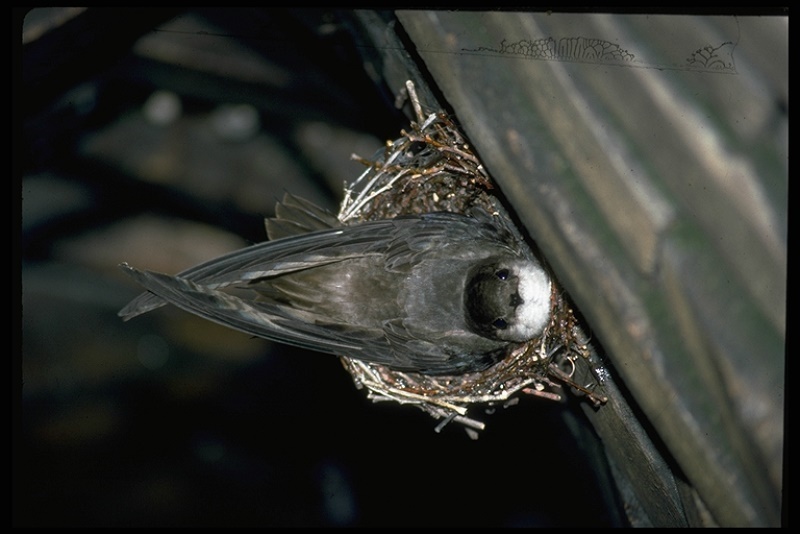
Nesting chimney swift.

Nesting chimney swift.

This is Passport to Texas

Chaetura [KAY-tura] Canyon… is a chimney swift sanctuary of sorts, found in the growing city of Lakeway…just west of Austin.

Their numbers are declining dramatically, they’re down by probably fifty, sixty percent since the sixties here in the United States. And [in] Canada they are on the threatened and endangered list; they’ve lost ninety percent of their chimney swift population.

Paul and Georgeann Kyle, who oversee KAY-tura, say chimney swifts are unable to perch or stand upright, and so they rely on a type of habitat that’s been disappearing.

Historically they roosted in large hollow trees, and those are not allowed to stand anymore. They then moved into the brick chimney’s, but now most of those are aging and many are being capped or torn down.

In an upcoming segment of the Texas Parks and Wildlife TV series we meet the Kyles, and learn how they’re helping to save these small, endearing black birds by building them towers for roosting and raising young.

The perfect home for Chimney swifts, it’s a nice rough surface, little grooves for them to hold on to, attach their nest. Ya basically anybody that can use a few power tools and read a tape measure can build one of these chimney swift towers and just one structure can make a real big difference in the breeding success of the birds.

Learn more about the Kyle’s work with chimney swifts the week of September 29 on the Texas Parks and Wildlife TV series on PBS.

For Texas Parks and Wildlife…I’m Cecilia Nasti.
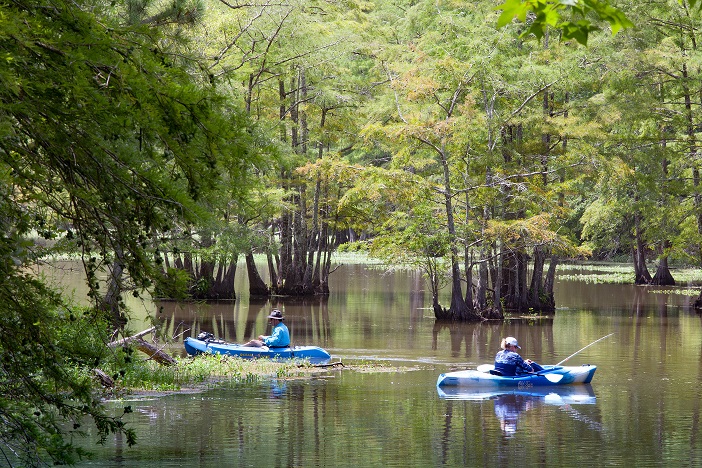
Kayaking in Texas State Parks

Tuesday, September 17th, 2019
Kayak fishing

Kayak fishing at Gum Slough, part of the Hen House Ridge Unit at Martin Dies SP

This is Passport to Texas

Have you always wanted to learn to kayak? Then we have some great news! Ten state parks teach the basics of this paddling sport to interested park visitors.

Getting out on the water is something a lot of people haven’t tried because they don’t have the equipment.

Ben Horstmann is with Texas Parks and wildlife. He says each park that offers these classes provide attendees with a kayak, paddle and life jacket for the duration of the lesson.

So, this is an opportunity for us to give them the equipment and show them how much fun it can be.

If you go, you’ll learn the basics in a safe, ranger-led environment.

At state parks, for the most part, you pay your entry fee when you go into the park and the program is free.

Each park is different and so each offers a unique experience. Yet, all offer instruction in safety and basic paddling techniques as well as tours with rangers.

A lot of them, when they get out, are saying … Hey, how can I do this again. And that’s really the goal of this, to introduce them to a great way to use the park. You’re going to see things that would never see hiking. Paddling out to some of the islands you can see that they are just filled with life. The best part of kayaking is giving people a look at those resources that they would just never see before.

Find paddling opportunities in the calendar section of the Texas Parks and Wildlife website.

For Texas Parks and Wildlife…I’m Cecilia Nasti.
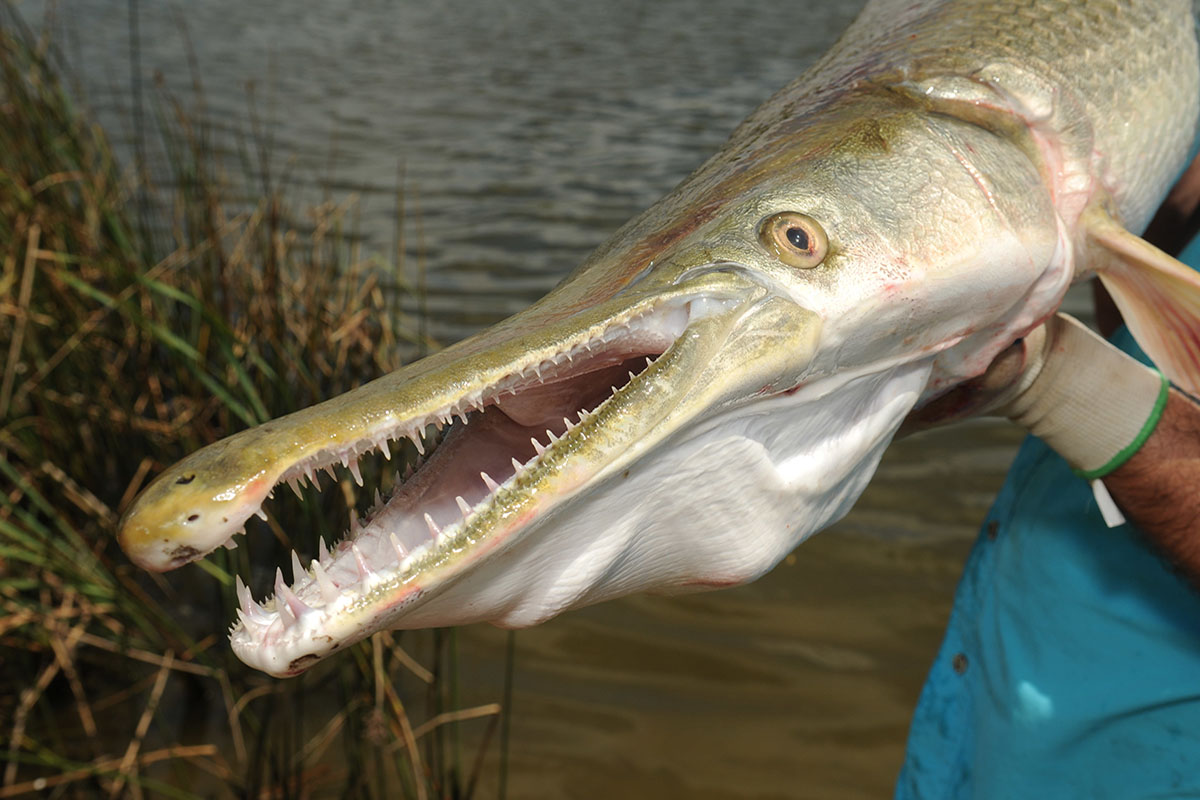
Alligator Gar and Thermonuclear Weapons Testing

Thursday, September 12th, 2019
Alligator Gar

Alligator gar: What a lovely smile.

This is Passport to Texas

Here’s a fish story about alligator gar, a curious biologist and thermonuclear weapons testing.

We’ve done a lot of work recently on the alligator gar. Being able to accurately age these fish is important. Because it tells us not only how long they live, but how they grow and in what years they were produced.

Dan Daugherty is a biologist with Texas Parks and Wildlife.

Fish have structures called otoliths that are like the bones in our inner ear – they accrue a layer of calcium carbonate each year of the fish’s life. If you remove the otolith and section it, you can see growth bands like the rings on a tree stump. Count the rings and estimate of the age of the fish. We estimate that some Alligator Gar caught in recent years at over 60 years old. But counting that many rings on a small structure is difficult. So, to verify our ages, we turned to radiocarbon.

You may know it as Carbon-14. But how is it used to age this fish?

Radiocarbon, or carbon-14, is a rare carbon isotope, naturally occurring at about 1 part per trillion. However, thermonuclear weapons testing in the 1950’s released massive amounts of this isotope into the environment, which was absorbed by all organisms at that time. Given that some of these fish were estimated to be over 60 years old, they would have hatched around that time. And, if the fish were truly that old, then we should measure high levels of radiocarbon in their otoliths. When we analyzed the radiocarbon concentrations in the otoliths, they matched the levels found in the environment in the 1950s, confirming the accuracy of these Alligator Gars’ age.

Now that’s a fish story for the ages.

For Texas Parks and Wildlife…I’m Cecilia Nasti.
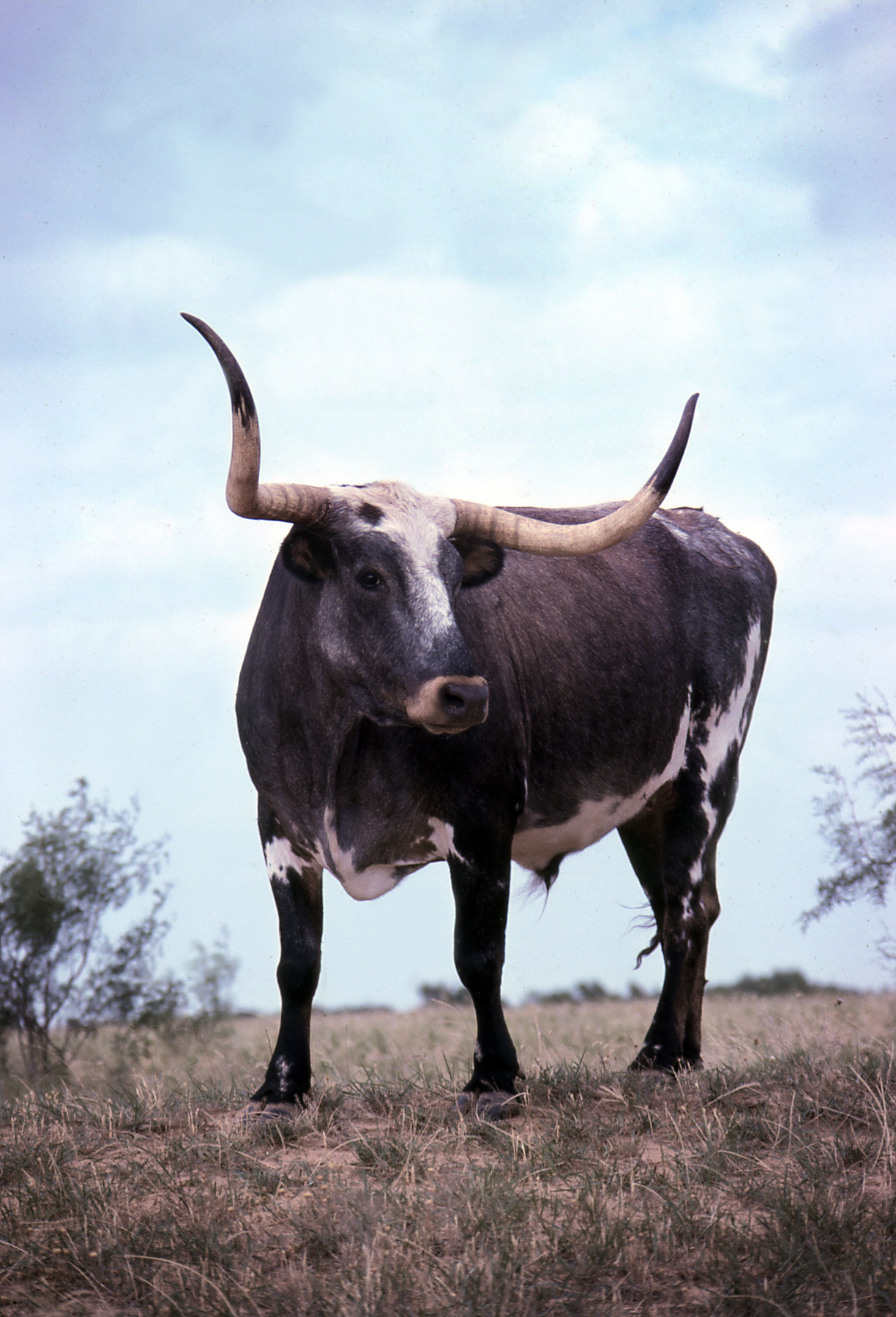
State of Texas Longhorn Herd

Wednesday, September 11th, 2019
Texas Longhorn

Texas Longhorn

This is Passport to Texas

The longhorn is a true Texas icon. This distinctive breed has played a role in Texas’ heritage.

In the early 20’s Frank Dobie and a couple of other ranchers decided that the longhorn was so important that the state needed a herd.

Jim Cisneros is park superintendent at San Angelo State Park where a portion of the herd lives.

They took about 10 or 12 years and they went around all over Texas – down into old Mexico until they put together a good enough herd of historically correct animals as they could. And they gave the herd to Texas Parks and Wildlife.

In 1969, the Texas Legislature officially recognized the State of Texas Longhorn Herd. Currently the herd numbers about 200 animals. Groups of them are located at various state parks and historic sites.

We work real hard on getting the right bulls to keep them historically correct.

Bill Guffey is the herd manager at San Angelo SP.

The state herd is managed just like anybody else would. We breed them, vaccinate them, brand them and cull them just like any other place.

Get to know the Official State of Texas Longhorn Herd at San Angelo State park.

We provide a tour. We call the cattle up to the gates and we talk a little about the cattle where they come from, the history, their importance, and how they shaped Texas.

Learn more about Texas Longhorns on the TPW website. For Texas Parks and Wildlife…I’m Cecilia Nasti.
Dealing with Snakes

Tuesday, September 10th, 2019
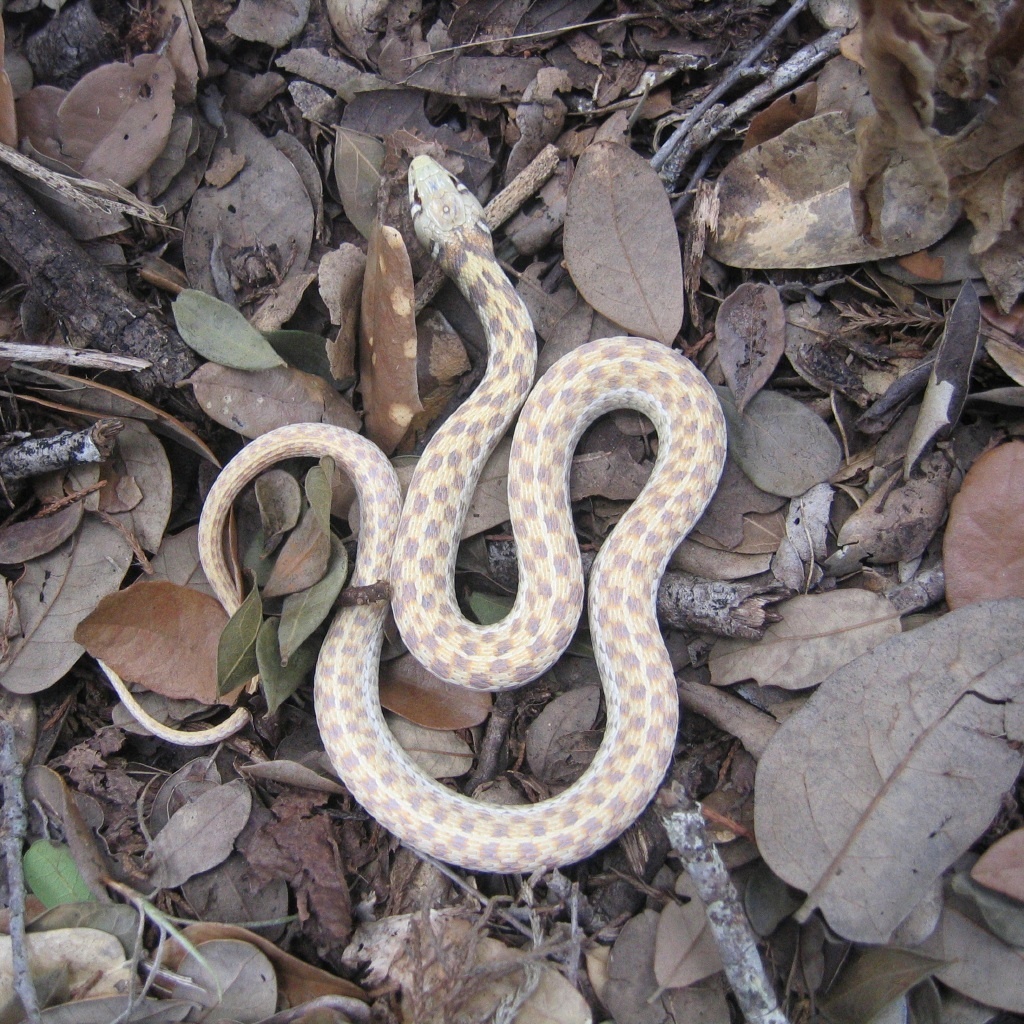
Albino Garter Snake

Albino Garter Snake

This is Passport to Texas

What should you do if you see a snake around your home?

You can run into a snake anywhere. I’ve seen snakes in downtown Houston.

Like all animals, snakes need food and shelter, so if you’re attracting these unwanted guests, you may need to make a few changes to your immediate environment. Paul Crump is a natural resources specialist for Texas Parks and Wildlife.

We recommend that you modify your yard to minimize the attractiveness of your yard to snakes. You can do things like remove any brush piles, old fence posts, or a shed that’s falling apart. Remove the objects that snakes are seeking cove under.

Snakes often settle near an abundant food source. For many snakes, that means small rodents. Minimize close encounters of the snake kind by making areas around your home unappealing to mice and rats: cover open trash bins, clean up debris piles and keep your lawn trimmed.

We encourage people to take a look at their environment and see what they can do. [Eliminate] things like bird food or deer corn, any of that kind of stuff that could be attracting rodents or other things.

Avoid the urge to kill any snakes that you may see. Snakes play a key role in the balance of nature. If you give a snake some space, more than likely you won’t see it again.

For Texas Parks and Wildlife…I’m Cecilia Nasti.
