Archive for the 'Wildlife' Category

Wildlife Surveys Support Species Management

Wednesday, June 15th, 2016
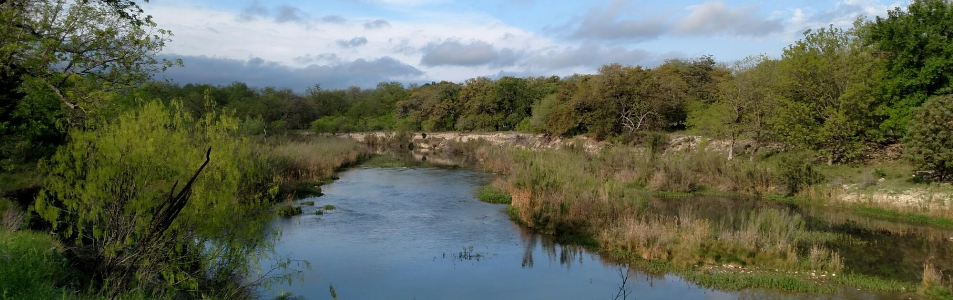
South Llano River

South Llano River

This is Passport to Texas

Wildlife biologists use data from field surveys to manage the state’s game and non-game wildlife populations.

One thing that’s important to remember is that we’re never going to count every single animal.

Biologist, Heidi Baily, says the public sometimes confuses “survey” with “census”. The latter implies a tally of all individual animals in a population. Instead, biologists look for trends.

We like to put it in context of the years behind us and look at it in relation to that. And determine what the trend is doing: are we on a steady incline; is the population decreasing; is the sex ratio improving? Things like that.

As the majority of the state is in private hands, landowners are encouraged to conduct wildlife surveys on their property.

We can actually go out there and teach them how to do surveys on their own property. Usually, when we go out, we have a look at their habitat, and we’ll visit with them about the things that they’re concerned about, and what they want to manage for. And then we can actually teach them ways to go ahead and monitor their own populations. They’ll forward the results of those surveys to us for any kind of habitat or population management recommendations.

Learn more about wildlife surveys on the Texas Parks and Wildlife website.

The Wildlife Restoration Program support our series.

For Texas Parks and Wildlife…I’m Cecilia Nasti.
Surveying Wildlife

Tuesday, June 14th, 2016
Wildlife biologist in the field.

Wildlife biologist in the field.

This is Passport to Texas

Wildlife biologists collect data on game and non-game species using field surveys. One survey method does not fit all species.

For instance, deer surveys. We go out at night in the truck and spotlight for them. In that case we are looking for the animals themselves. There are other surveys that we do; for instance, otter surveys. In that case, it’s very rare to actually see an otter, and so we’re actually out there just looking for tracks and signs of otter.

Biologist, Heidi Bailey says they use the data to understand a species’ status and struggles; this includes threatened and endangered animals.

We want to determine if the populations are holding steady, or if we’re lucky, increasing, or if they’re on a decline we definitely want to know that as well.

Survey data on game species allow biologists to make recommendations regarding best management practices.

In some cases, it will help us to know if we need to change the bag limits. If we’ve got an over population of deer in a particular county and the density’s way too high for a healthy habitat, we may go ahead and increase the bag limit, or change season dates—we may lengthen the season or shorten the season. So, we’ve got a whole bunch of tools that we can actually manipulate the populations with based on the survey data.

More about wildlife surveys tomorrow.

The Wildlife Restoration Program support our series.

For Texas Parks and Wildlife…I’m Cecilia Nasti.
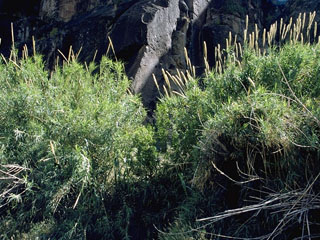
Giant Reed is a Giant Problem in Texas

Monday, May 16th, 2016
Arundo donax, also called Giant Reed.

Arundo donax, also called Giant Reed.

This is Passport to Texas

Texas has its share of invasive plants and animals, including Arundo Donax, or giant reed; you’ve probably seen it along roadways and river banks.

13— If you see it on roadsides, it’s very tall—grows up to about 30 feet. Has segments, really broad, pointed leaves—huge showy plumes. It can actually be quite pretty. And it looks somewhat like corn.

Giant reed is a non-native grass. Monica McGarrity who studies aquatic invasive for Texas Parks and Wildlife, says its greatest impact occurs when it gets into areas along rivers and creeks.

18—They have these impacts because they’re able to outcompete the native plants and push them aside, displace them. And when we’re talking especially about riverside, riparian areas, along our creeks – diversity of native plants is really important to the wildlife, and for maintaining the overall health of the community.

When giant reed displaces native plant communities, the result is reduced habitat quality.

17— It reduces quality for birds and other wildlife. And then it can start to— over time – have impacts on the stream itself, and reduce the habitat that’s available to the aquatic community, and make it more homogenous, more the same throughout. Rather than having diverse pools and riffles and habitats that they need.

Monica McGarrity returns tomorrow to tell us how not to try and remove this plant from our property.

The Sport Fish Restoration program supports our series.

For Texas Parks and Wildlife, I’m Cecilia Nasti.

Kidnapping or Rescuing Wild Baby Animals?

Thursday, April 28th, 2016
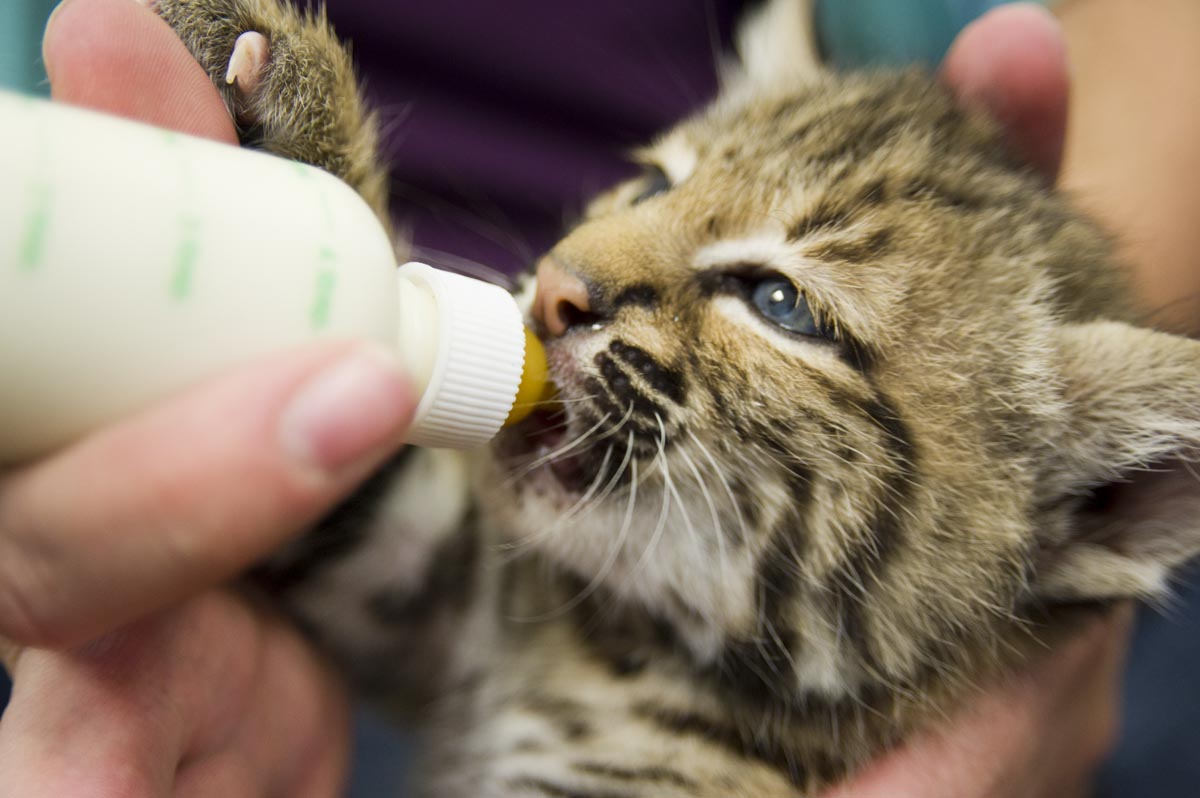
Baby bobcat, Lexi when she was still a bottle baby. Photo courtesy of http://lexiandmoxi.blogspot.com/

Baby bobcat, Lexi, when she was still a bottle baby. Photo courtesy of http://lexiandmoxi.blogspot.com/

This is Passport to Texas

You know the story of spring: reawakening, renewal, and baby animals. That last part – baby animals – can be tricky. You see, sometimes we find infant wildlife when we’re outdoors, and want to “rescue” them, which might actually be more like kidnapping.

For example, a baby dear [or fawn] will hide quiet and mama will almost always come back. That’s their strategy.

See what I mean. Jonah Evans is a mammalogist at Texas Parks and Wildlife; he says unless an animal is injured or clearly in distress, leave it alone, but monitor it at a safe distance if you’re concerned. Even then…

I recommend, before touching an animal, call a rehabilitator and ask them.

Licensed rehabilitators know animal behavior and can provide guidance, which may also include instructions to leave the animal alone because of legal considerations.

There are actually some regulations about possessing certain wildlife that you have to make sure you’re not violating. Possessing a non-game animal without a license, could be in violation of certain laws.

That can be avoided when you know who to call. Find a list of licensed wildlife rehabilitators—by county—on the Texas Parks and Wildlife website.

The Wildlife Restoration Program supports our series

For Texas Parks and Wildlife, I’m Cecilia Nasti.

Look But Don’t Touch Wild Babies

Wednesday, April 27th, 2016
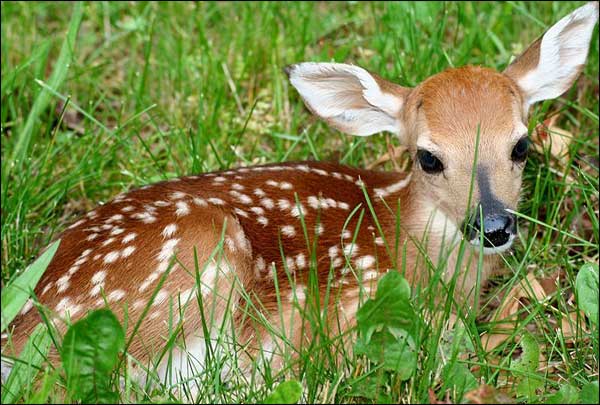
Fawn waiting for mom to return.

Fawn waiting for mom to return.

This is Passport to Texas

This time of year, reports start rolling in to Parks and Wildlife from people who think they’ve discovered abandoned baby animals.

What could have happened is you walked up there, and mama ran off and hid – and baby is hiding there. And, as soon as you leave, mama will come back.

That’s not true in every case, though, says Jonah Evans, Texas Parks and Wildlife mammalogist. If you see an abandoned baby possum, for example, mom could be gone for good.

With 184 some odd mammals in the state, it’s probably pretty difficult to give you a list of which mothers will come back wand which ones won’t. So, what I recommend is before touching and animal – call a [wildlife] rehabilitator.

Licensed rehabilitators know animal behavior and can tell you which critters may benefit from intervention.

If you contact one of the many throughout the state – and there’s a whole long list of them on our website – they are really the experts in this. Not Parks and Wildlife.

Jonah Evans says although—as a mammalogist—he researches and studies warm-blooded animals, rehabilitators are the ones with skills suited to helping citizens’ where abandoned baby animals are concerned.

Find a list of licensed rehabilitators by county on the Texas Parks and Wildlife website.

The Wildlife Restoration Program supports our series…

For Texas Parks and Wildlife, I’m Cecilia Nasti.