Archive for 2014

Fishing: Drought and the Freshwater Forecast 2014

Wednesday, February 12th, 2014

Lake Travis in Austin, Texas

Lake Travis, Austin, TX. 46.52 feet below normal due to drought.


This is Passport to Texas

Low water levels this year may have a negative effect on freshwater fishing in Texas.

15— Water levels, number one, affect whether boat ramps are accessible, and also affect where the fish will be when you’re fishing. And as the water level changes, anglers sometimes have to learn new places to go to find fish.

On the other hand when water levels rise, anglers may find fish where they had not been before, says Larry Hodge, with the Texas Freshwater Fisheries Center in Athens. Unfortunately, drought conditions continue in Texas.

18— When access becomes impossible because of dropping water levels, anglers may have to find a different lake to fish. And this is kind of hard for most people because research shows that most anglers have a favorite lake where they like to fish. They consider it kind of their home lake.

And if fishing is not available, many of these folks just don’t fish.

14— We are trying to encourage people to take a look at other fishing locations in their area that they might get out on the water and catch some fish, and maybe learn a new favorite fishing hole.

Larry Hodge compiled a freshwater fishing forecast for 2014, available in the digital fishing issue of Texas Parks and Wildlife magazine. Look for it at tpwmagazine.com.

That’s our show for today .. Funding provided in part by Ram Trucks. Guts. Glory. Ram. For Texas Parks and Wildlife I’m Cecilia Nasti.
Fishing: Managing Catfish for the Future

Tuesday, February 11th, 2014

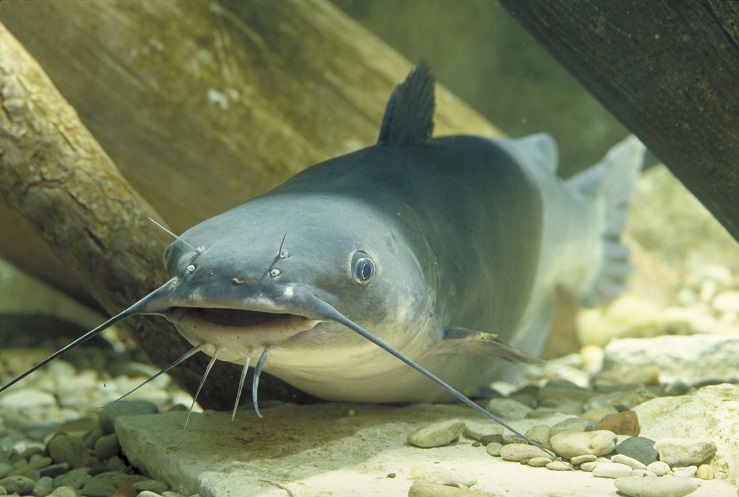
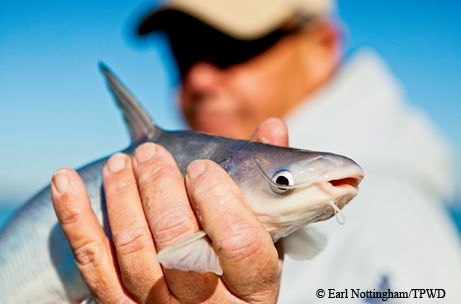
Blue Catfish

Blue Catfish


This is Passport to Texas

Largemouth bass is hands down the favorite sport fish among anglers in Texas

04— Today in Texas about 50% of our anglers say they prefer largemouth bass.

Dave Terre, chief of inland fisheries research and management, says another fish is gaining on largemouth.

05—About 20 percent of anglers prefer fishing catfish in Texas.

That’s right – the humble catfish. Catfish are better able than largemouth bass to survive and thrive when water levels are low, such as during drought.

06—We’re trying to study catfish more intensively to determine how we can make fishing for catfish even better.

Over the next couple of years Texas Parks and Wildlife will develop management plans for catfish, and ask for public input. Until then, grab a rod and reel and cast for cats.

15— Most people in Texas – when they think of a fish, they think of a catfish. I think that’s the honest truth. Bass get more notoriety, but catfish are very important and I think a perfect fish to start new anglers on fishing, and to get a new generation of Texas interested in fishing.

Lots of folks are interested in eating catfish, too. So Dave Terre says as the agency develops fisheries across the state, it’s ensuring opportunities for the harvest of decent sized catfish for your dining pleasure.

The Sport Fish Restoration Program supports our series and funds fisheries research in Texas. For Texas Parks and Wildlife I’m Cecilia Nasti.

Fishing: Rethinking Catfish

Monday, February 10th, 2014

Catching Blue Cats in Lake Waco

Catching Blue Cats in Lake Waco


This is Passport to Texas

An old timey freshwater fish is gaining in popularity again. What is it?

04— A traditional fish that’s been caught by anglers for many, many years.

That’s more of a clue than an answer, Dave. Dave Terre is chief of inland fisheries research and management. Here’s another clue: Parks and Wildlife produces and stocks this fish in Texas water bodies.

05—Yes, we do produce many, many catfish in our state fish hatchery system in Texas.

Catfish! Was that so hard?

28—As a matter of fact, we stock literally thousands of advanced size channel catfish in small ponds located throughout the state. One of those programs is our neighborhood Fishin’ program, where we’re stocking every two weeks adult channel catfish 12-inches or larger, into some 14 water bodies across the state to offer up great fishing opportunities for people who reside in urban areas of our state, which is definitely a group that we would like to reach out to.

To the original point: serious anglers are rediscovering catfish. This begs the question: why?

15— Texas is changing. We’re going to be experiencing more drought conditions in Texas; and what we know about catfish is they are able to deal with fluctuating water levels better than largemouth bass, which have been – and will continue to be – a popular sport fish in Texas.

With heavy stocking and a new eye toward management catfish is a traditional species for changing times.

The Sport Fish Restoration Program supports our series and funds fisheries research in Texas.

For Texas Parks and Wildlife I’m Cecilia Nasti.
TPW TV: Growing Pains

Friday, February 7th, 2014

Urban wildlife at Lake Corpus Christi -- Northern Raccoon.

Urban wildlife at Lake Corpus Christi — Northern Raccoon.


This is Passport to Texas

Some of Texas’ greatest thinkers, including San Antonio Businessman and Philanthropist, Louis Stutman, and Dr. Roger Tory Peterson, Ornithologist, Writer, Educator, talk about striking a crucial balance about the stewardship between our states’ economy and our natural resources.

You’re in an enormously changing environment – doubling a population in your lifetime. With that happening, you’ve got to be sure that those people have jobs, transportation; you’ve got to be sure they’ve got a place to live. And at the same time, to be sure that the wildlife and the other things aren’t frozen out.

You see, we’re the dominant primate; Everything else has to, you might say, do our bidding. The other things have no voice. They’re like children. And it’s a moral thing to protect them, because they have a right to live, too.

Well, certainly you have to make hard choices, but that doesn’t mean they’re impossible choices. As long as you can say to yourself, ‘Look. I want to try to find a good solution,’ rather than saying, ‘this is the way you’re going to do it’ – that’s no solution.

My problem is that I don’t understand this thing of growth, because growth eventually kills itself jut by size.

Hear more from Mr. Stutman and Dr. Peterson on the TPW TV series on your PBS station. Check local listings.

That’s our show for today… Funding provided in part by Ram Trucks. Guts. Glory. Ram. For Texas Parks and Wildlife, I’m Cecilia Nasti.

Conservation: Crab Trap Removal, 2

Thursday, February 6th, 2014

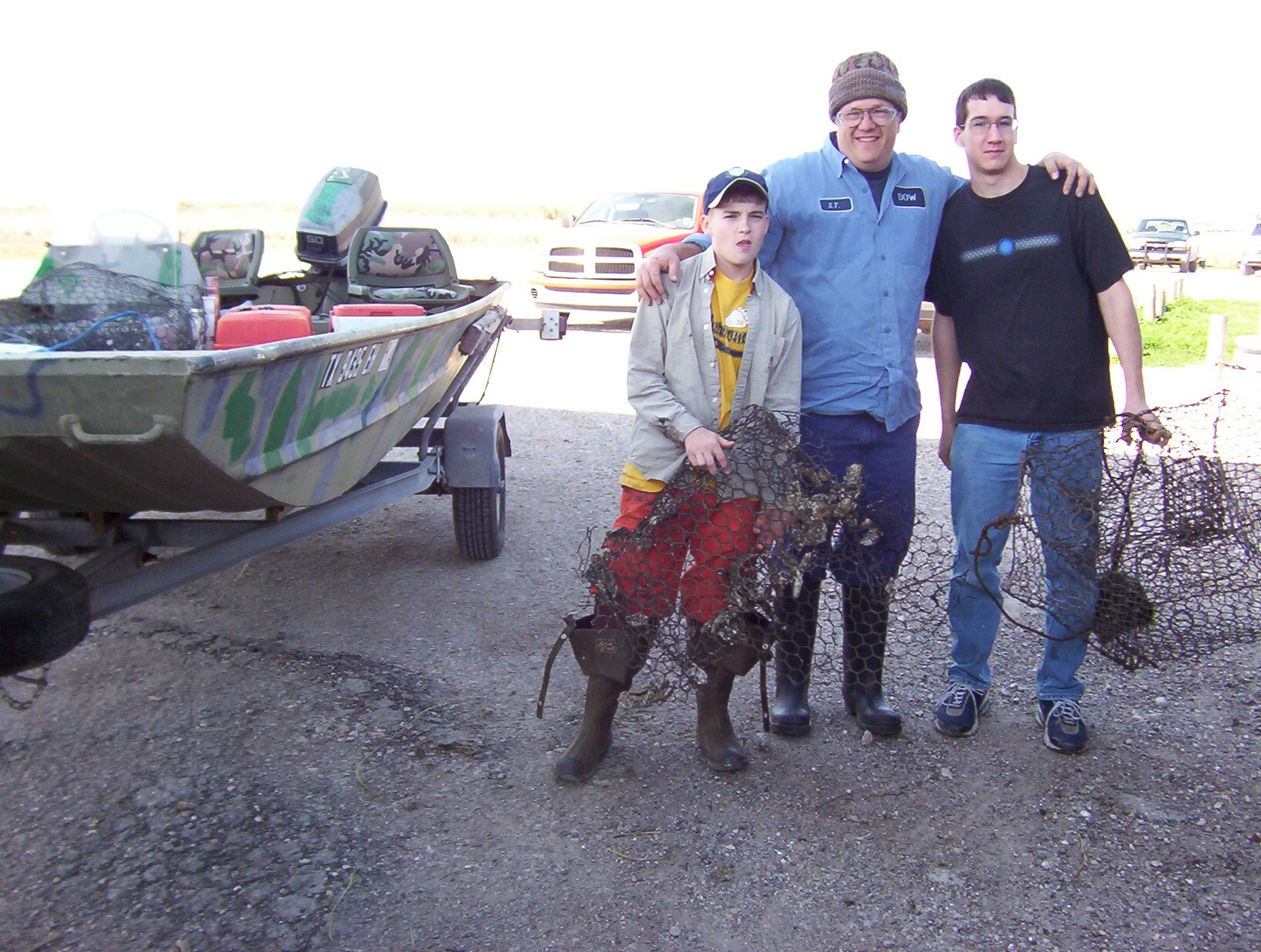
Crab trap removal from Texas bays

Crab trap removal from Texas bays


This is Passport to Texas

Crab traps—abandoned by their owners in Texas bays—continue to snare crabs, sport fish and other marine life. Since 2002 TPW, its partners and volunteers have removed traps annually during a 10 day cleanup.

04— And we’ve removed 30,449 traps to date.

Coastal biologist, Art Morris, says one derelict trap can ensnare 26 crabs a year; since the removal program, a half million crabs have been spared. This year’s cleanup is February 21 through March second.

14— Anytime during that closure, anybody can remove traps from the bays. But, on Saturday the 22nd, we’ll have our main event day, where we have our staff facilitating some of the sites on the coast and some of our partners will be facilitating some of our sites on the coast.

The program welcomes volunteers with boats, as well as those who wish to work on shore.

18—We will pass out gloves and tarps for people; we will have water available at our facilitated sites. All ages can participate. We’ve had boy scout troops come out and help out. We’ve had the elderly and everybody in between that’s spent significant time doing this.

At some locations along the coast, partners and volunteers even have cleanup parties.

11— There are some places that have barbeques and hot dog and hamburger grills going. Some of these places have had a party every year and really get into it.

Contact your local coastal fisheries field stations, or visit the TPW website for details about getting involved.

The Sport Fish Restoration program Supports our series…For Texas Parks and Wildlife I’m Cecilia Nasti.
