Archive for the 'Conservation' Category

Climate Change Lottery and its Affects

Wednesday, October 4th, 2017
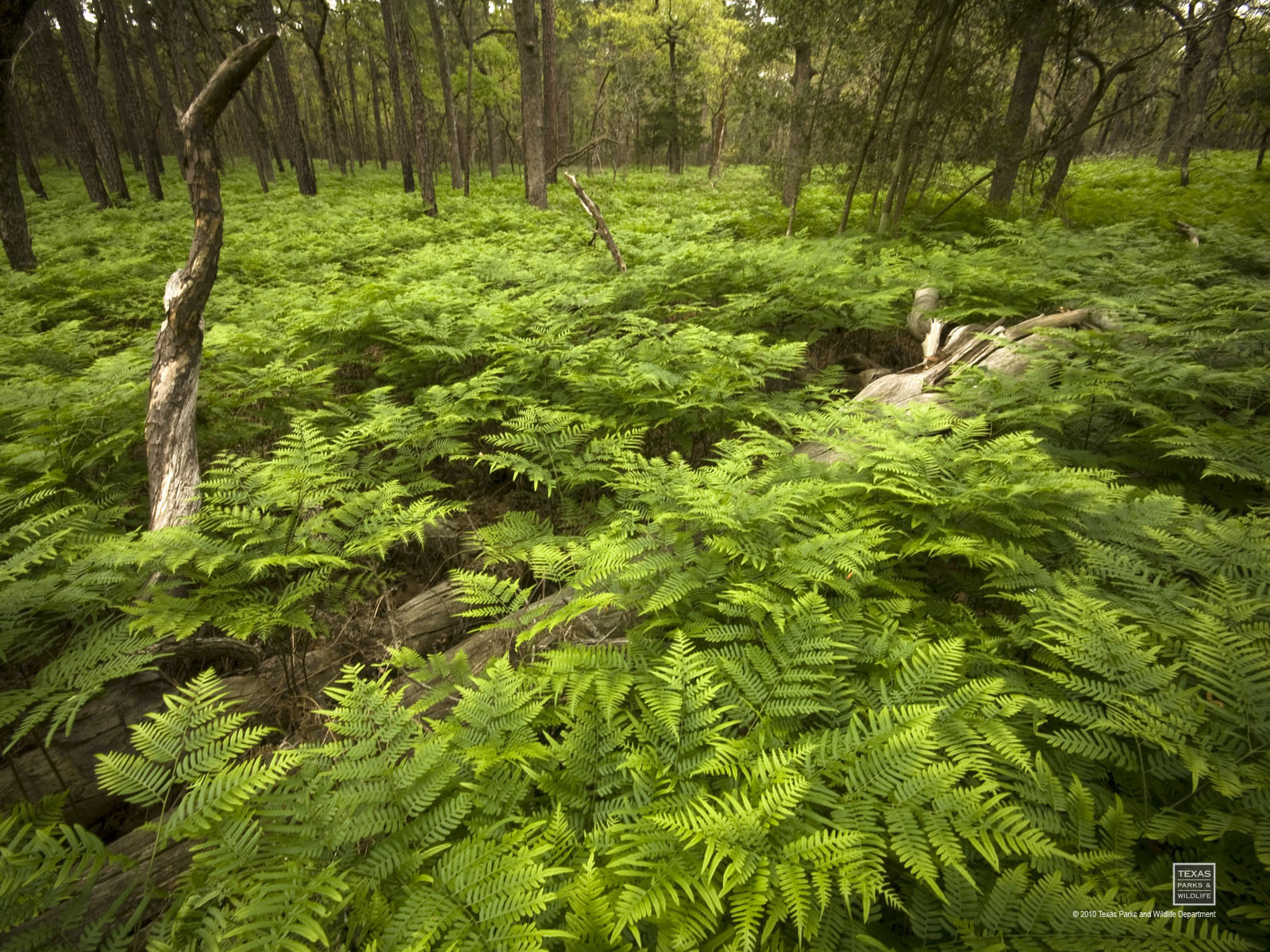
Bracken ferns at Bastrop State park

Bracken ferns at Bastrop State park

This is Passport to Texas

Texas wildlife has a stake in the climate change lottery.

Climate change is going to affect species that are found – and breed – in backyards here in Texas.

Former Texas Parks and Wildlife biologist, Cullen Hanks, says models that predict impacts of climate change on wildlife vary, so we need baseline information on each species.

To be able to document change, we need to know where things are before they change. And, this highlights the need of documenting the distribution of species that we have today in Texas. And, there aren’t enough biologists to do all of that. And so, what we do is we reach out to citizens. That’s exactly right! Texas is a big state with a lot of species, and the community of naturalists and citizens interested in wildlife in Texas can play a huge part in documenting wildlife in Texas.

Monitor backyard species, and then share your observations online.

ebird, a citizen science platform, created by the Cornell laboratory of Ornithology is a great way to maintain your checklist of birds. In addition, iNaturalist is a really useful platform for documenting your wildlife sightings of any species — not just birds.

Texas Parks and Wildlife has various projects on iNaturalist. Just go to the Texas Nature Trackers page on the Texas Parks and Wildlife website for details.

For Texas Parks and Wildlife…I’m Cecilia Nasti.
2017 Texas Pollinator BioBlitz

Tuesday, October 3rd, 2017
#TXPollinators

#TXPollinators

This is Passport to Texas

Love bugs? There’s still time to participate in the Pollinator BioBlitz, which continues through October 8th.

[We have] two goals in mind: to increase awareness about pollinators, and about the habitat that they require.

Johnnie Smith is Conservation Education Manager. Pollinators include bees, butterflies, beetles, moths and other critters that move pollen while foraging.

If you participate in the pollinator bio-blitz, you’re going to have an opportunity to observe pollinators at a site that you visit, like your local zoo or aquarium or nature center. And observe the pollinators that are there. Grab a picture of the pollinators you find, and you can post them onto Instagram. We’re asking all of the participants to use the hashtag #savethepollinators.

Post findings, on iNaturalist.org. Texas Parks and Wildlife’s website, has pages dedicated to the Pollinator Bioblitz.

Where people can learn what pollinators might be in their area. Links to what might be blooming in your area right now—that’s hosted out of the Wildflower center—and then also, to be aware of habitat you have that supports pollinators. And if you don’t have habitat in or near your home, school library… We’re encouraging people to try and get organized in planting pollinator habitat.

The Pollinator BioBlitz began September 23 and runs through October 8th.

The Wildlife restoration program supports our series.

For Texas Parks and Wildlife…I’m Cecilia Nasti.
Big or Small, WMAs Are Places to Learn

Friday, September 29th, 2017
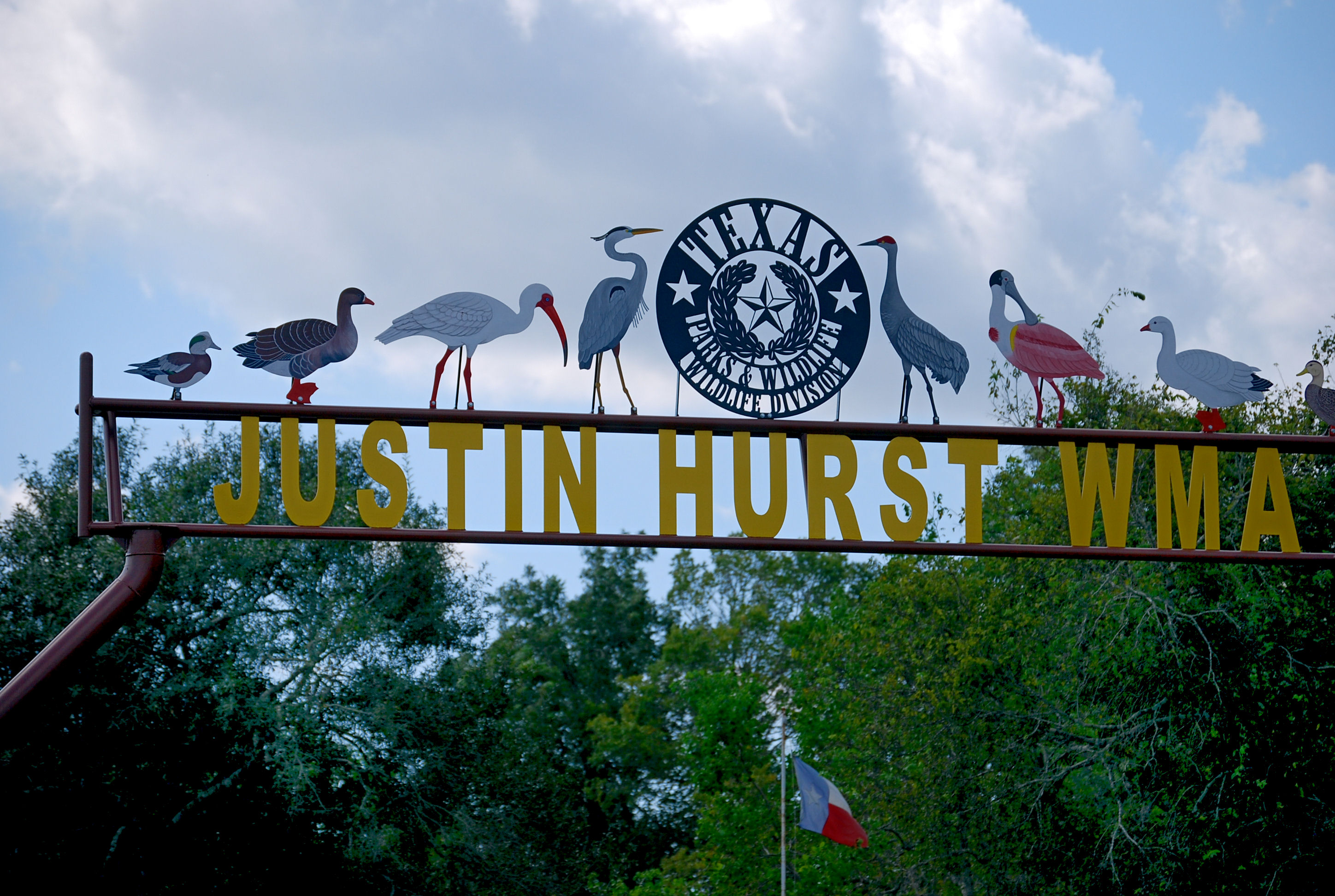
Entrance to Justin Hurst WMA

Entrance to Justin Hurst WMA

This is Passport

Texas Landowners learn how to manage their acreage by emulating wildlife biologists who keep the state’s Wildlife Management Areas in top form.

Wildlife biologists go out on the WMAs and they take a look at what we have; what the baseline is. And then they take a look at historically what has been there in terms of vegetation and wild animals. They’ll determine what it takes to restore that habitat, or to enhance that habitat.

Dennis Gissell is Wildlife Management Area facilities coordinator. Texas Wildlife Management Areas’ encompass about three-quarters of a million acres.

[The] largest WMA is in east Texas – the Sam Houston National Forest, which is actually a US Forest Service Property that we lease/license from them to manage. It’s over 160-thousand acres. The smallest is near Corpus Christi.

And that WMA is only 36 acres! The aim is to have WMAs for teaching and research in each of the state’s 10 ego-regions. Every one provides opportunities for discovery and learning, even when they are small.

These smaller tracts of land have really unique features. In this case – this particular property – has a wetland and a pond that has historically, been very attractive to waterfowl.

Find more information about WMAs on the Texas Parks and Wildlife website.

The Wildlife restoration program supports our series and helps to fund the management of Texas’ 50 Wildlife Management Areas.

For Texas Parks and Wildlife…I’m Cecilia Nasti.
Landowners Learn Conservation on WMAs

Thursday, September 28th, 2017
Texas Wildlife Management Areas provide landowners an opportunity to become better stewards of the land.

Texas Wildlife Management Areas are a training ground for landowners who wish to become better stewards of their land.

This is Passport

Texas landowners are vital to long-term statewide habitat and wildlife conservation strategies.

Something that folks really are not aware of is that the water that they drink, the air tht they breathe, the clothes they wear, and even the fuels that provide energy for their vehicles and power plants, come from private lands in Texas.

Dennis Gissell is Wildlife Management Area facilities coordinator.

Private landowners really are stewarding not only the natural habitat, but they’re providing the resources that we as humans must have to survive.

Texas Parks and Wildlife uses Wildlife Management Areas to educate landowners about conserving wildlife and habitat, including water.

When you’re dealing with either surface water or groundwater, people need to be aware that that surface water is coming through lands that are owned by private landowners, and the extent to which they manage the vegetation and the habitat there, allows that water to be filtered naturally before it arrives at a lake or a river.

Texas landowners take stewardship seriously. Gissell says he hopes this remains true as ownership changes.

The former farms and ranches that were owned by some of the original settlement families in Texas are being sold off and broken up to some degree; we call that habitat fragmentation. As landowners acquire those lands, we think it is very important that they understand the role of stewardship, and managing and conserving wildlife habitat.

The Wildlife restoration program supports our series and helps to fund the management of Texas’ 50 Wildlife Management Areas.

For Texas Parks and Wildlife…I’m Cecilia Nasti.
The Ecosystem Functions of Wildlife

Thursday, September 21st, 2017
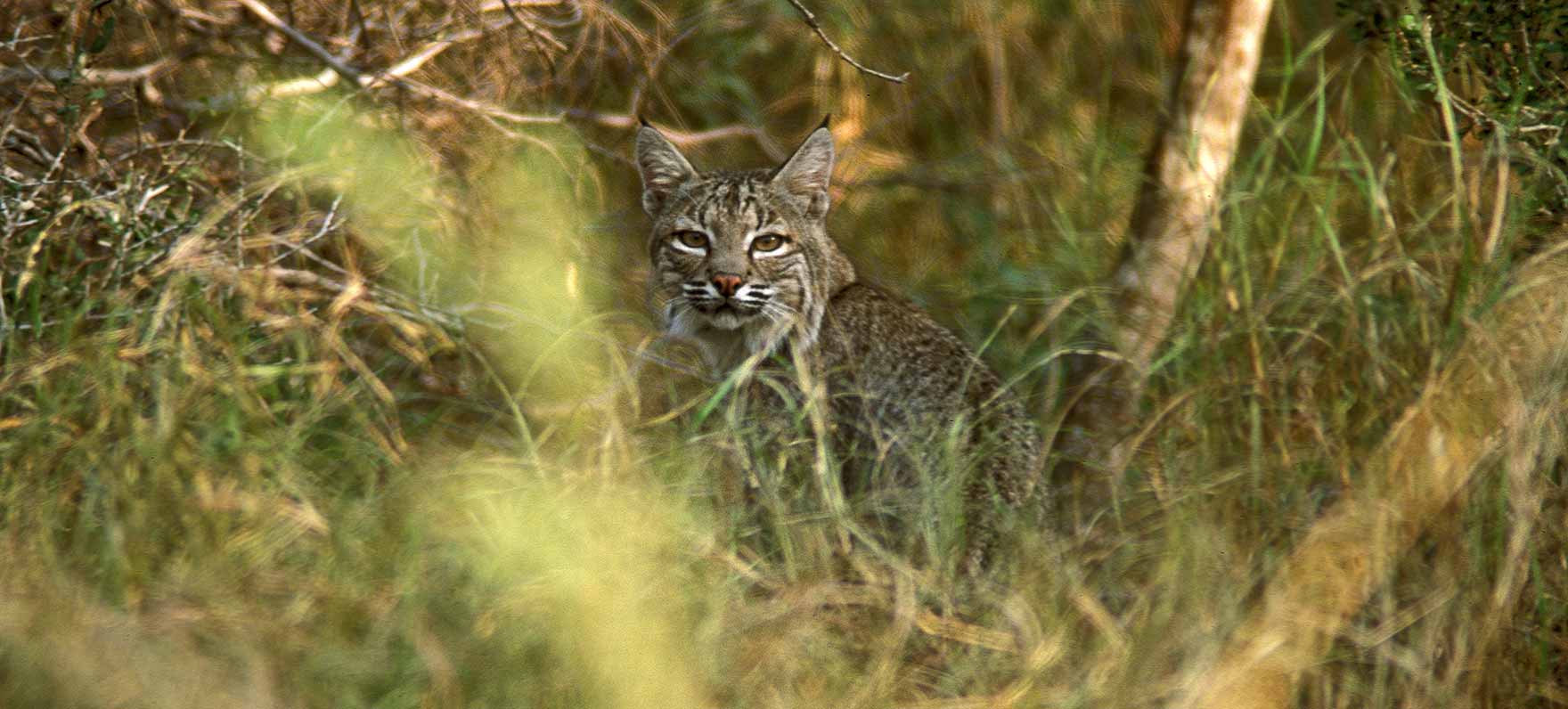
Bobcats serve an ecosystem function.

Bobcats serve an ecosystem function.

This is Passport to Texas

Golf courses, cemeteries, creeks, parks and greenbelts, all common in urban areas, provide habitat for wildlife.

In a typical greenbelt [for example], you’ll find owls and hawks and songbirds and lizards and snakes and coyotes and bobcats. And all of those put together form a functional ecosystem that only exists in those urban areas.

Richard Heilbrun is team lead for the urban wildlife technical guidance program. These biologists work with communities to ensure humans and wildlife coexist comfortably.

Most people recognize that seeing wildlife is a great thing, and they feel fortunate to see that wildlife. Every once in a while we get folks who are nervous, but once they talk to our urban wildlife biologists, and are told this is a good thing, they change their perception fairly quickly. So, someone that might be nervous about seeing a coyote, when they call an urban wildlife biologist and are told that coyote populations perform an ecosystem function – they keep those rats at bay, or they make sure that the skunk populations don’t go haywire. So, when they realize there’s a benefit, their perception changes fairly quickly.

Find your urban biologist when you log onto the Texas Parks and Wildlife website.

The Wildlife restoration program supports our series and helps fund Wildlife technical guidance and assistance to urbanites of Texas.

For Texas Parks and Wildlife…I’m Cecilia Nasti.
