Archive for the 'Conservation' Category

Restoring Oyster Habitat After Ike

Tuesday, June 23rd, 2015
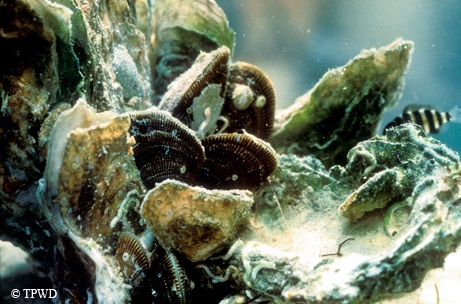
Oyster Bed

Oyster Bed


This is Passport to Texas

Texas lost 8-thousand acres of submerged oyster habitat when Hurricane Ike blew into the gulf in 2008. Some reefs will restore naturally; other will receive some help.

24- We are trying to accelerate that that recovery effort by putting some the materials down to allow new oysters to settle on. We also worked closely with the commercial industry and got them involved in pulling their dredges up with bags off of them across some of these reefs that were marginally covered up, and to pull the shell back to the surface to provide that substrate for young oysters to attach to and start growing.

Lance Robinson is with coastal fisheries. Ike pushed saltwater and debris 15-20 miles inland, which decimated saltmarsh habitat — habitat that’s a marine nursery for sport and commercial species. Restoration work is ongoing.

12-And it took several weeks just for heavy equipment to get into the marshes to remove the mountains of debris before we could get in and assess what the other impacts were. And at that point it was just gut-wrenching.

As bad as the damage after Ike, Robinsons says it could
have been worse.

13-Both from a human impact and a natural resource impact had the storm tracked a little bit farther to the north. It would have brought the eye farther into the bay, and we would have seen a much more devastating impact.

The Wildlife and Sport Fish Restoration project supports our series.

For Texas Parks and Wildlife…I’m Cecilia Nasti.
Hidden Damage from Hurricane Ike

Monday, June 22nd, 2015
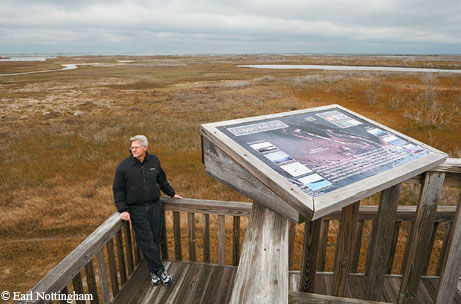
Galveston Island.  Steve Alexander, president of Galveston Island SP friends group.

Galveston Island. Steve Alexander, president of Galveston Island SP friends group.


This is Passport to Texas

Few will forget the images from 2008 of the devastation to Galveston Island by Hurricane Ike. Yet, there is Ike caused damage we cannot see.

06- The losses of some of the invaluable habitat associated with Galveston Bay.

Including submerged oyster habitat. Lance Robinson is with coastal fisheries. The hurricane deposited sediment on top of 8-thousand acres of oyster reefs in Galveston Bay. That’s nearly half of the consolidated oyster habitat within the system.

24-That is a huge loss of a valuable resource. Not only from the commercial fishing aspect to it, but for the ecosystem services that they provide that a lot of people don’t really recognize or really see. Such as: water filtration, providing habitat for other fish and crabs and other organisms that are associated with structures. Sort of like an oasis in a desert.

A single adult oyster filters water at a rate of about 50 gallons a day, improving ecosystem water quality.

10-The waste water treatment plants within Houston filter the same amount of water as a hundred and thirty acres of oyster reef; we lost 8-thousand acres of those reefs.

Restoring the reefs–that’s tomorrow.

The Wildlife and Sport Fish Restoration project supports our series, and funds diverse conservation projects in Texas.

For Texas Parks and Wildlife…I’m Cecilia Nasti.
Conservation Hero: Bessie Cornelius

Thursday, June 11th, 2015
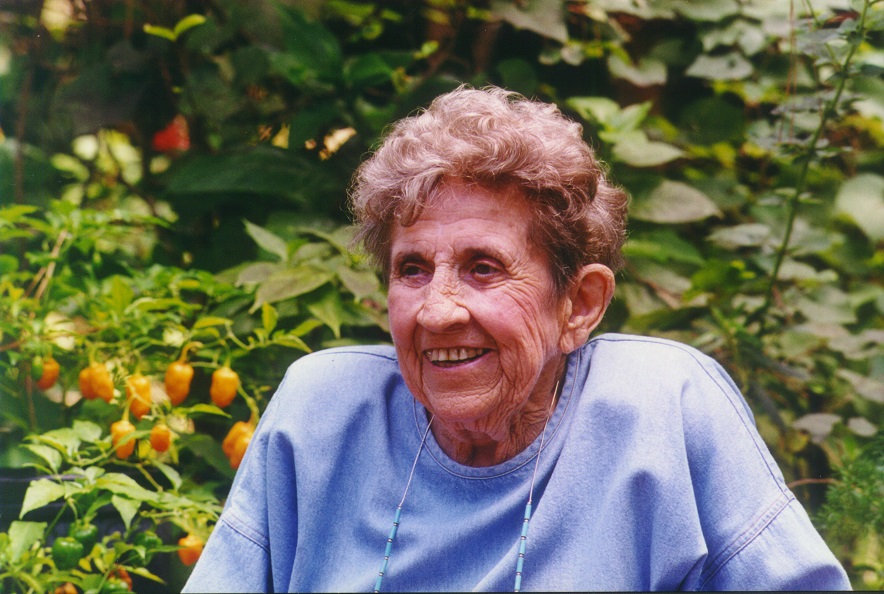
"Miss Bessie" Cornelius

“Miss Bessie” Cornelius. Image courtesy www.texaslegacy.org.


This is Passport to Texas

When she was alive, Bessie Cornelius was an avid birder and staunch conservationist. During an interview with Ms. Cornelius in 1999, she recalled a time when the endangered Brown Pelican was an abundant species along the Gulf Coast.

41-When we first came in fifty-six, you could see the pelicans all lined up on the pilings, right there at the ferry. You could just go anyplace and see them. There were a lot of brown pelicans. They were using DDT then, and before that was banned, brown pelicans began to disappear. And the reason for that, they learned later, was that DDT eventually ran off from the farms into the streams, and streams into the gulf. And the shells of their eggs were very thin and the birds would be killed, you know, before they could hatch.

Cooperation between individuals like Ms. Cornelius, conservation organizations, and government, led to protections being enacted for the Brown Pelican.

During her lifetime Ms. Cornelius helped preserve important bird sanctuaries in the state.

Find more Conservation Heroes at texaslegacy.org.

For Texas Parks and Wildlife…I’m Cecilia Nasti.
TPW TV: Chicken Land

Wednesday, June 10th, 2015
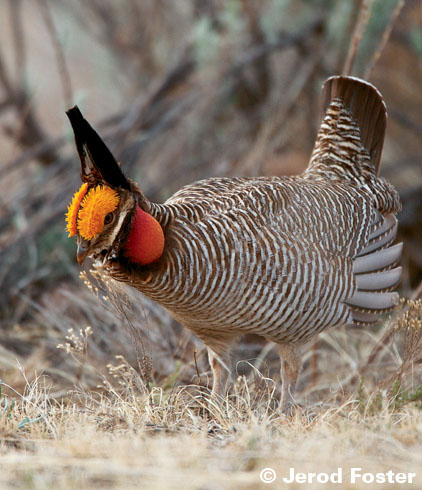
Lesser Prairie Chicken

Lesser Prairie Chicken


This is Passport to Texas

The Lesser Prairie Chicken has declined in Texas. Wildlife biologist Jeff Bonner says the reason: its historic range
has dwindled to almost nothing.

07-Here in Donley County they’re pretty sparse. And, that’s pretty much relative to the quality of the habitat that they have.

Landowners play a crucial role in the restoration of prairie chicken habitat, and hopefully saving the bird; Amarillo Cattleman and landowner, Jay O’Brien.

18- I don’t think you’ll find a cattleman who’s not very interested in the overall ecology of his ranch. That includes wildlife and improving wildlife habitat on his ranch as long as they see that nobody’s going to be dictating exactly how they should do their business.

Landowners may request and receive technical guidance from biologists like Gene Miller, about managing their property for a variety of wildlife.

12-The Hallmark of what we do is providing free, confidential, nonbinding assistance to private landowners. We go where we’re called, and we offer any level of assistance we’re asked to provide.

The future of the Lesser Prairie Chicken is in the hands of private landowners willing to create habitat to keep this iconic species on the landscape for generations to come.

View a segment called Chicken Land, about prairie chicken conservation, on the PBS Texas Parks and Wildlife TV Series the week of June 14. The Wildlife Restoration program supports our series.

For Texas Parks and Wildlife…I’m Cecilia Nasti.
Funding Conservation in Texas

Tuesday, June 9th, 2015
Enjoying the beauty of Texas thanks to funding thoughtful conservation projects.

Enjoying the beauty of Texas thanks to funding thoughtful conservation projects.


This is Passport to Texas

The turn of the 20th century saw the US population begin its migration from farms and ranches into cities.

05- We’ve got almost all the people living in cities [now], and very few people living on the land.

Urban Wildlife biologist, Kelly Simon (SEA-mah) says an unintended consequence of the migration was estrangement from the natural world.

Hunters who maintained a close connection with the land witnessed the outcome of unregulated hunting and lack of habitat conservation first hand. At their urging, Congress enacted the Pittman-Robertson Act of 1937, creating a funding stream for conservation.

07- Through the purchase of hunting license fees and hunting equipment–these things help to fund conservation in the state of Texas.

It’s a new century, and we’re in need of fresh ideas to fund conservation in the 21st Century and beyond. Kelly Simon invites you to take part in the conversation.

12-You can go online, and find Teaming with Wildlife–True to Texas. Texans can get together, just as we did earlier in the last century; we can decide for ourselves in this century how we want to pay for conservation.

The Wildlife Restoration Program supports our series.

For Texas Parks and Wildlife…I’m Cecilia Nasti.
