Archive for the 'Conservation' Category

Conservation: Bighorn Sheep Restoration, 1

Tuesday, April 23rd, 2013
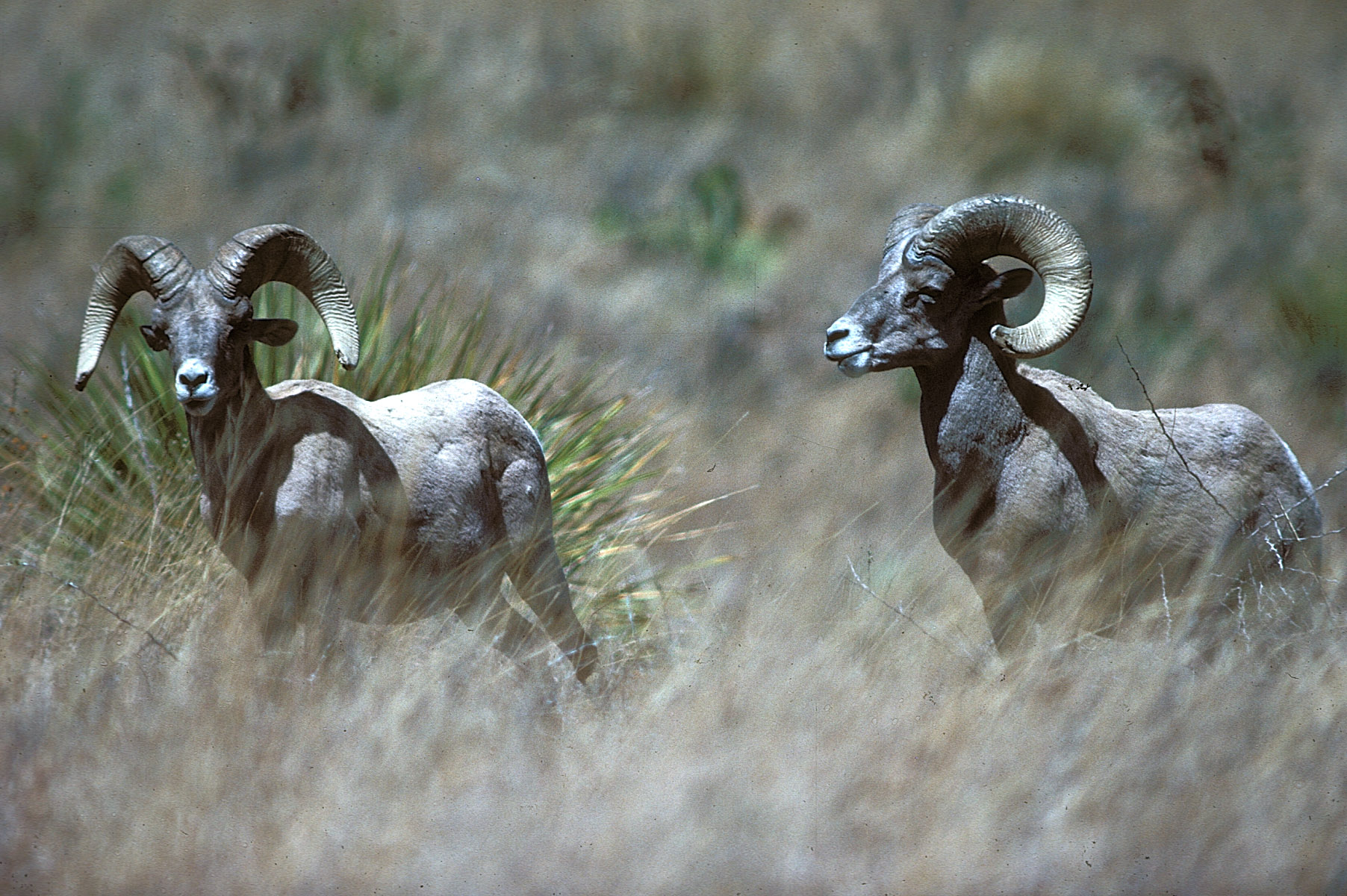
Bighorn Sheep © Texas Parks and Wildlife Department

Bighorn Sheep © Texas Parks and Wildlife Department


This is Passport to Texas

In the late 19th century, upwards of 3-thousand native desert big horned sheep roamed the Trans Pecos region of Texas. By the mid-20th century, they were gone.

07— It’s commonly agreed that the introduction of domestic sheep and goats, [with their] diseases, net wire fencing, and unregulated hunting played a big part [in their demise].

Froylan Hernandez is the Desert Bighorn Sheep Program Leader for Texas Parks and Wildlife. He is quick to say, there’s no ill will toward the domestic livestock industry.

06— I’m just merely stating the facts of the Bighorn’s demise. We need to live in harmony with the domestic livestock industry.

Native Texas Bighorn Sheep no longer exist despite active restoration efforts of the species that began in the late 1940s and early 50s.

09— So we started introducing sheep from other states; primarily Nevada, Utah, Arizona, some from Baja California, Mexico. So the efforts started way back when.

Restoration of Desert Bighorn Sheep involves relocation, monitoring, data collection and analysis. The sheep historically appeared in 15 mountain ranges in the Trans Pecos.

07— Our goal is to get them back to the critical habitat – to those mountain ranges, and for them to number about 25-hundred. So, we’re kind of halfway there.

More on Desert Bighorn Sheep Restoration tomorrow.

The Wildlife and Sport Fish Restoration Program supports our series and funds Desert Bighorn Sheep Restoration in Texas.

For Texas Parks and Wildlife…I’m Cecilia Nasti.

Conservation: Texas Master Naturalists, 2

Friday, March 29th, 2013

Sheryl Smith Rodgers

Sheryl Smith Rodgers


This is Passport to Texas

The article Nurturing Nature in the April issue of Texas Parks and Wildlife magazine, highlights the Texas Master Naturalist program.

07 – I just wanted to give readers a flavor of what Texas Master Naturalists are doing across the state.

What they are doing, says author, Sheryl Smith Rodgers, is increasing public awareness about the natural world in which they live.

20—You know, our state’s undergoing so much growth, and we’re losing so much of our natural ecosystems to subdivisions and shopping centers. People like master naturalists, who have more of an awareness of how important those elements are to our overall lifestyle, they’re going to share what they know with others and just raise awareness that we need to protect these areas.

Master Naturalists undergo weeks of training, says Smith Rodgers, who, herself, is a certified Master Naturalist.

25 – The classes cover geology, native grasses… Last spring I took my training from March into May. We went to different places. You don’t just sit in a classroom. You have field outings; you go out and actually look at the native grasses. We went to Jacob’s Well near Wimberley and talked about hydrology. You just cover a whole lot of different topics.

Once certified, citizens volunteer in their communities. There are more than 40 chapters statewide. Find more information on the TPW website.

The April issue of Texas Parks and Wildlife magazine with Sheryl Smith Rodgers’ article Nurturing Nature is on newsstands now.

For Texas Parks and Wildlife…I’m Cecilia Nasti.

Conservation: Master Naturalist, 1

Thursday, March 28th, 2013

Sheryl Smith Rodgers, from www.commanderben.com

Sheryl Smith Rodgers, from www.commanderben.com


This is Passport to Texas

They say you never forget your first love. For writer her first love had eight legs.

07 – Spiders are my first love, and from there I grew into plants and animals.

Eager to fully understand the natural world around her, Smith Rodgers completed Texas Master Naturalist training.

20 – I’m with the Highland lakes chapter, which is based out of Burnet. So you learn about your own ecosystems in your region. I’m learning about the plants that are indigenous to this area. Whereas, if you live on the coast, you’ll be learning about those kinds of plants. So, we’re all learning what’s important to our area.

Trainees learn about living things in their ecosystem, as well as their region’s geology, hydrology and more. After receiving certification, Smith Rodgers says Master Naturalists volunteer in their communities where needed.

23 – Volunteers go to ranches and survey the plant species, and they offer land management advice. In a city, volunteers might go into a city park and create a butterfly garden. For instance, here in Blanco – at Blanco State Park – the Master Naturalists help put on program every May for third graders. They do so many different things [laughs].

Tomorrow: Learn how to become a Texas Master Naturalist.

For Texas Parks and Wildlife…I’m Cecilia Nasti.
Conservation: Biological Inventory Team, 2

Wednesday, March 27th, 2013

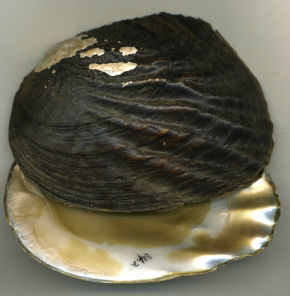
Washboard mussel

Washboard mussel


This is Passport to Texas

Texas Parks and Wildlife is recruiting citizen experts to volunteer for biological inventory teams to monitor four species groups on private lands.

17—We’re wanting to put together teams of experts throughout the state to work within each wildlife district to monitor four groups of species: one for herps, one for plants, one for invertebrates and then, also, one for birds.

Biologist and program coordinator, Marsha May, says the data Biological Inventory Teams collect will become part of the Texas Natural Diversity Database.

18—That database includes information on rare species throughout the state—their locations—and that information is used by various entities. Well, that database has a lot of holes; we’re hoping to fill in a lot of those holes with information collected by these volunteers.

Anyone with expertise with the previously mentioned species groups may volunteer. Individuals will participate in an orientation, and may choose the counties they wish to work.

12—We would have a training to give them information on what is expected, what type of monitoring that would be required. The protocol involved each group of species.

Find complete details on volunteering for biological inventory teams on the Texas Parks and Wildlife website under Texas Nature Trackers.

That’s our show for today…with support from the WSFR program…providing funding for a variety of conservation projects throughout Texas.

For Texas Parks and Wildlife…I’m Cecilia Nasti.
Conservation: Biological Inventory Teams, 1

Tuesday, March 26th, 2013

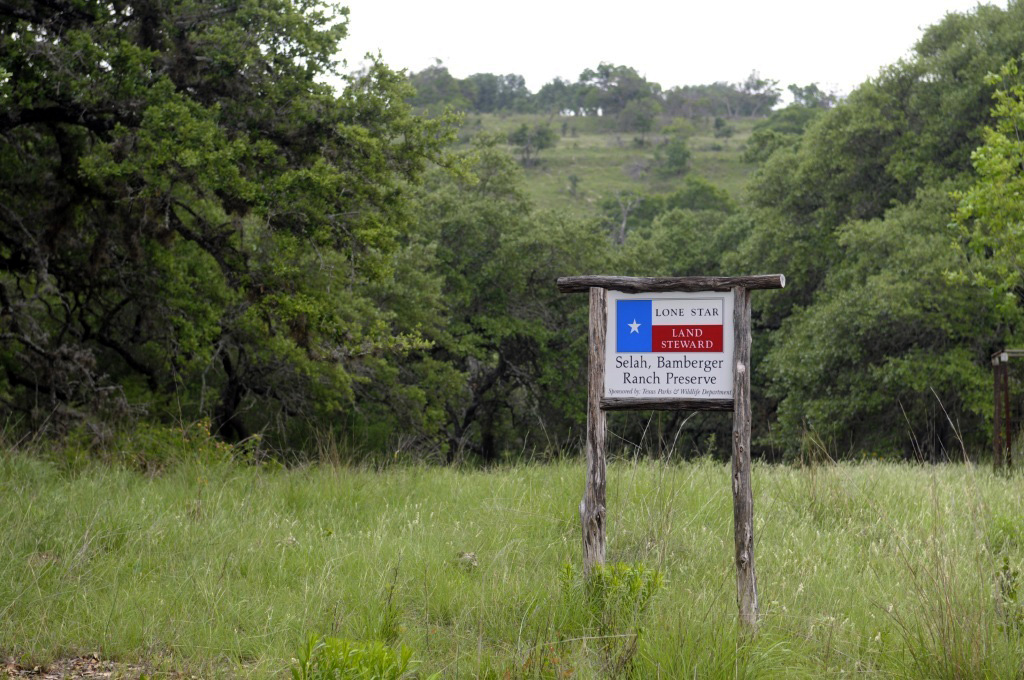
Image: CHASE A. FOUNTAIN - TPWD ©2009

Image: CHASE A. FOUNTAIN – TPWD ©2009


This is Passport to Texas

With the help of biological inventory teams of citizen scientists, Texas Parks and Wildlife plans to monitor the plants… herps…

02—Which are the amphibians and reptiles…

…birds and invertebrates…

05—…and that would mainly be: butterflies, dragonflies, beetles, bumblebees and such….

…in Texas’ 8 wildlife districts; biologist Marsha May oversees the program. She says she’s recruiting experts statewide to join these monitoring teams.

24—Mostly, we’re looking at hobbyists; people who have joined herp societies. They know their herps. As well as birders. There’s people involved in Audubon society’s that know their birds. So those are the types of people [as well as those with expertise in native plants and invertebrates] that we’re looking for, for these projects.

These biological inventory teams will monitor species on private land.

17—So, my plan is to start with organizing teams throughout the state. And once we get good, solid teams in place, then we’re going to go out there and open it up to the landowners, and let them know that these teams are available to come and do surveys on their property.

Knowing what’s on the land helps landowners becoming better stewards. Fine more information about the Biological Inventory Program on the Texas Parks and Wildlife website under Texas Nature Trackers. Our show receives support from the Wildlife and Sport Fish Restoration Program.

For Texas Parks and Wildlife…I’m Cecilia Nasti.
