Archive for the 'Saltwater' Category

Angling: Accessible Coastal Angling

Thursday, April 11th, 2013
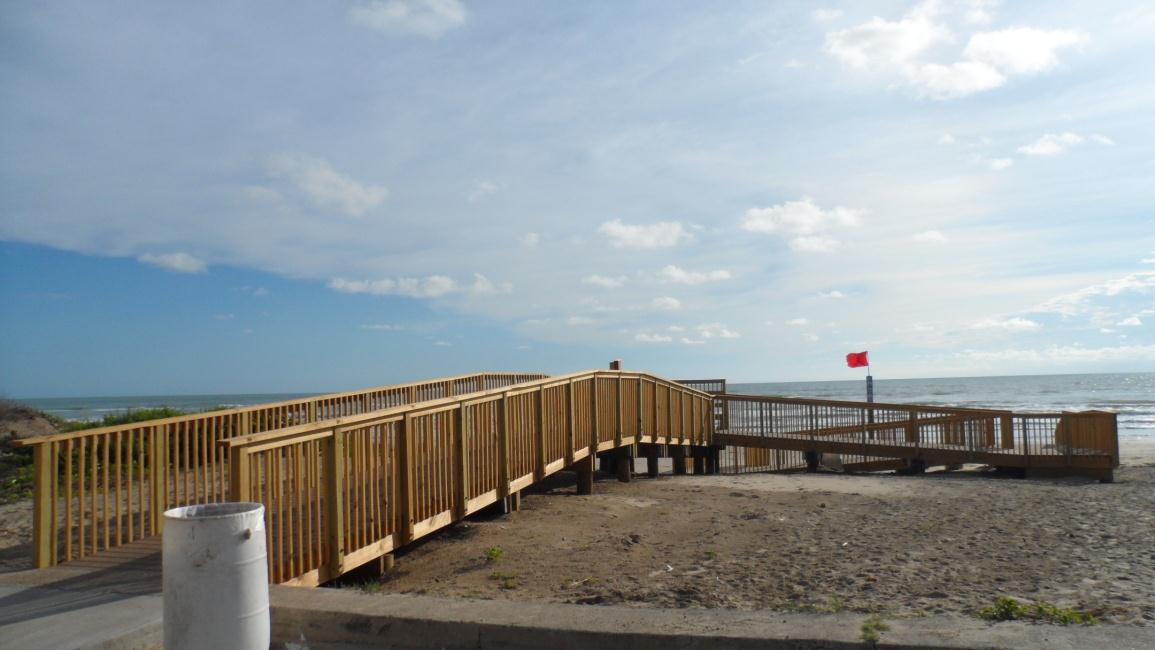
Accessible Beach Access South Padres, image http://www.myspi.org/

Accessible Beach Access South Padres, image http://www.myspi.org/


This is Passport to Texas

All Texans deserve reasonable access to coastal fishing opportunities, regardless of their physical abilities.

04 –This is Texas and Texans love to fish; and we want to make sure that everybody can fish.

Jim Suydam (SUE-dam), press secretary to Texas General Land Office Commissioner Jerry Patterson, says mobility impaired Texas anglers shouldn’t let concern over beach access stop them from casting a line in Gulf waters.

16 – I think people would be amazed to find how easy it really is. Some people may be intimidated to think that it would be harder to access the beach if they have a disability. But I think if they look at how most Texans go to the beach, that you can just drive up and find a nice spot– it’s really very easy.

Although the Americans With Disabilities Act doesn’t apply to the coast, Suydam says the state follows its accessibility guidelines because it’s the right thing to do.

25—It’s important in the mix for us when we’re looking at a city’s beach access plan, that we make sure that there is adequate vehicular access as well as pedestrian access. Also, we work to funnel grant monies to areas that will provide special ADA dune walkovers; that’s an important part of the mix. And we’ve put those in, in surfside and in Sea Rim State Park – some of the most popular parks in Texas for fishers.

Find information about the Texas Beach and Bay Access Guide on the Texas parks and Wildlife website

The Sport Fish and Wildlife Restoration Program supports our series… providing funding for the operations and management of Texas State Fish Hatcheries.

For Texas Parks and Wildlife…I’m Cecilia Nasti.
Conservation: Crab Trap Cleanup

Wednesday, February 13th, 2013

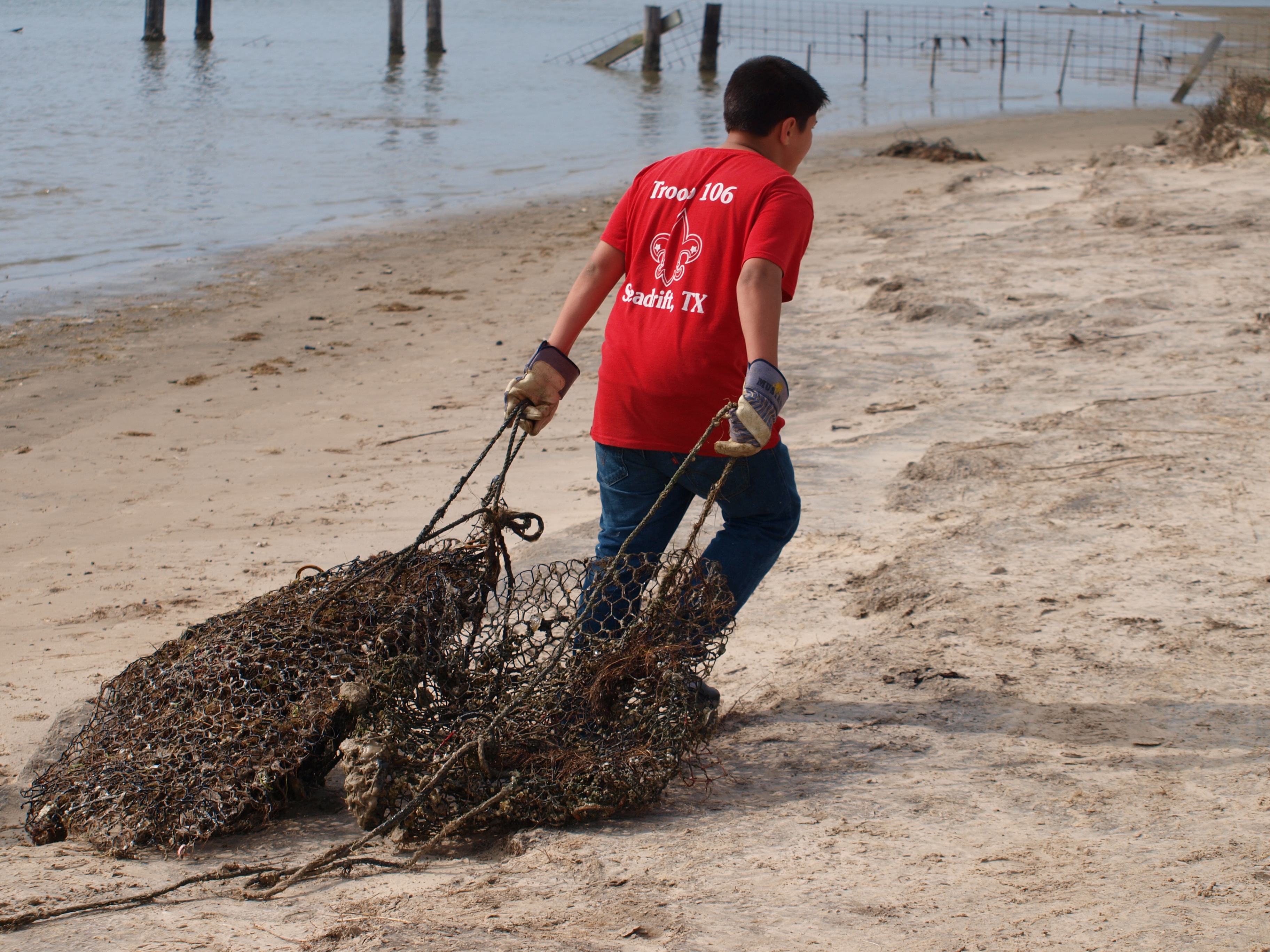
Crab Trap Cleanup, photo by Art Morris, © Texas Parks and Wildlife Department

Crab Trap Cleanup, photo by Art Morris, © Texas Parks and Wildlife Department


This is passport to Texas

Since 2002, more than 29-thousand derelict crab traps have been removed from Texas bays.

:13— Through our program we have documented over forty species of organisms that are caught in these traps that include game fish, and commercially important fish, and even Diamond back terrapins which are a species of special concern.

That’s Art Morris is a biologist with Coastal Fisheries. He says Parks and Wildlife is gearing up for the Sixteenth annual Crab Trap clean up, February 15-24. Volunteers are needed.

:34—Anybody can volunteer, however, we primarily need people with boats, and particularly air boats. But there are jobs for people that don’t have a boat. We need people to unload boats; we need people to maybe sometimes to go out with people that will have crew members to go out with them. We’ll provide gloves; we’ll have tarps for boats. You don’t need to sign up for anything. We would like you to call ahead of time so we can get an estimate of how many people are going to come to that site. Most of our work’s going to be done in San Antonio bay, north, because that’s where most of the crabbing effort goes on. But anybody can volunteer, and they can do it on their own.

The main cleanup event is February 16 from 8:00 to noon; check the Texas Parks and Wildlife website or find information on how to volunteer at passporttotexas.org.

Morris warns to remove traps only during Feb. 15-24 as it is illegal all other times as traps are private property.

That’s our show…with support from the Sport Fish Restoration Program…For Texas Parks and Wildlife…I’m Cecilia Nasti

Angling: Ghost Fishing

Tuesday, February 12th, 2013

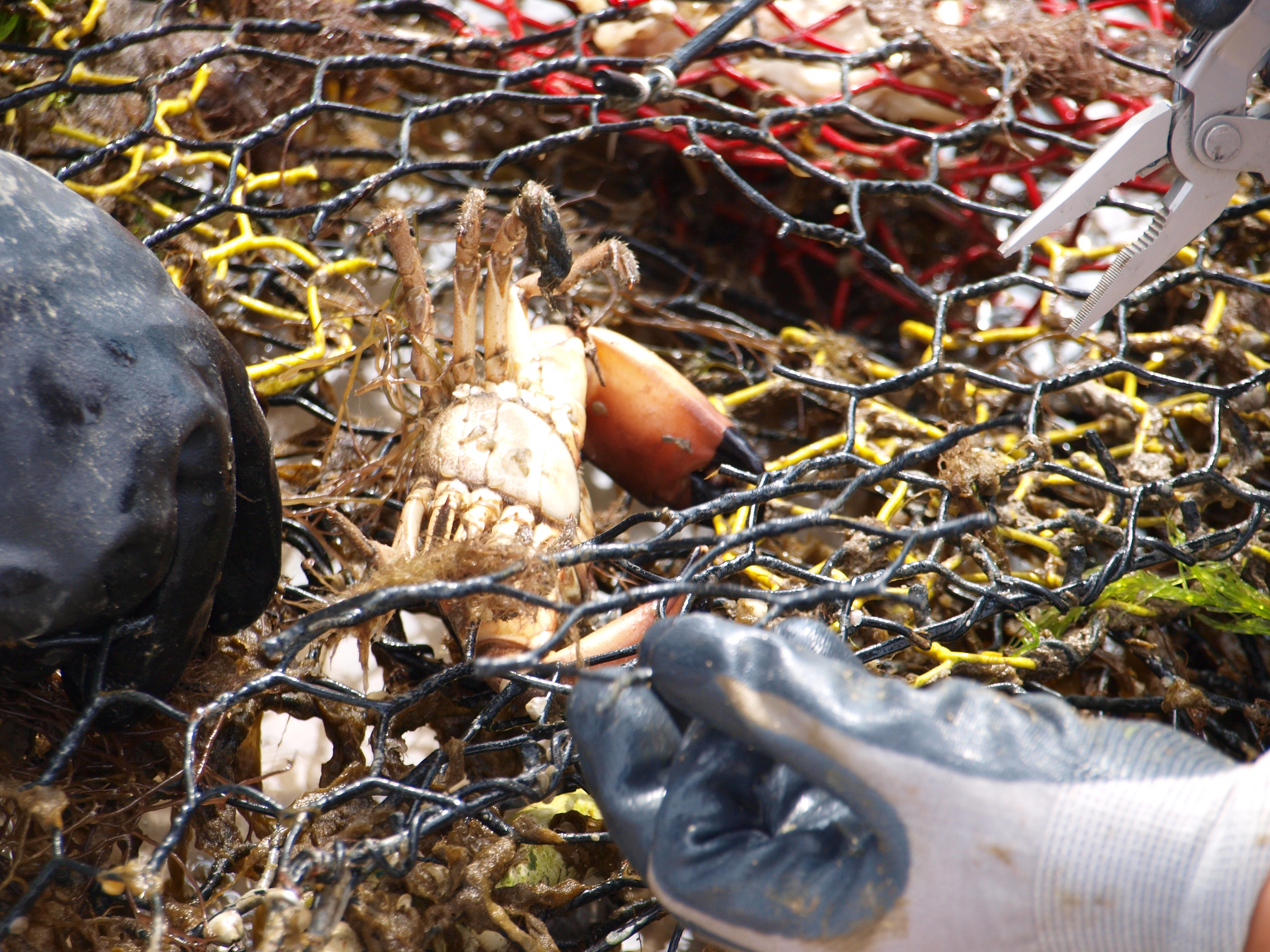
Crab Trap Cleanup Art Morris, © Texas Parks and Wildlife Department

Crab Trap Cleanup Art Morris, © Texas Parks and Wildlife Department


This is Passport to Texas

There are ghosts in the gulf that silently trap and kill thousands of marine species annually.

09— They are a perpetual trapping machine. When something gets caught in there, it has nothing to eat and it dies, and it becomes bait and it attracts other fish and other organisms.

That’s Art Morris…ghost buster. Actually, he’s a biologist with Coastal Fisheries. The entities he’s after are abandoned crab traps…adrift in the gulf…ghost fishing.

09—And one of the key things about this, because they’re targeting for crabs, that’s the number one species that we see—the targeted organisms is what we’re losing to these derelict traps.

Weather and vandalism are the primary reasons why traps end up adrift, indiscriminately ensnaring crustaceans and other sea life. Morris says since 2002, more than 29-thousand of these A.W.O.L. traps have been removed from Texas bays.

12—A single trap can kill 26 blue crabs per trap per year. And we can extrapolate those numbers out and we estimate somewhere in the area of half million blue crabs are saved through this program alone—or have to date.

Morris hasn’t removed these traps alone—he’s had a lot of help from volunteers during annual crab trap clean ups. Your chance to help rid the gulf of ghost fishing happens next month… details tomorrow.

That’s our show…with support from the Sport Fish Restoration Program…For Texas Parks and Wildlife…I’m Cecilia Nasti.
Angling: Fishing Forecast 2013

Wednesday, January 23rd, 2013

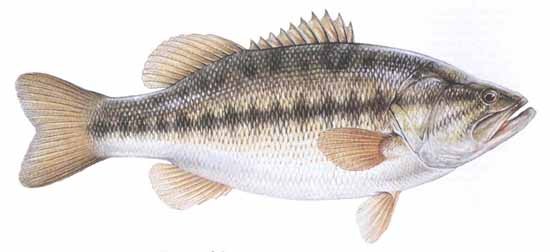
Largemouth Bass

Largemouth Bass


This is Passport to Texas

Anglers may not have a crystal ball to tell them where the best fishing is, but they have the next best thing.

02—Our fisheries biologists are a great deal of help.

Steve Lightfoot is a wildlife & fisheries information specialist with Parks and Wildlife; his article on the late winter/early spring fishing forecast appears in TPW magazine’s February digital fishing issue. He says fisheries biologists assess three areas when making their predictions.

29— One are the creel surveys they conduct at boat launches and around fishing areas where they talk to anglers and ask them what their catches were. The other is their own surveys, using mostly gill netting and other nets that they collect out in the water. They identify the fish and they go through algorithms and so forth, and come up something called a biomass. And a biomass is how healthy the fish populations [are] and what types of fish are at each lake.
The third element is their knowledge and experience. Most of these guys are anglers, too, so they have some input as well.

Lightfoot adds there’s good news for anglers.

10— The good news is most of our fish populations are in healthy condition. There are over a hundred lakes where you can go out and expect to have a reasonably good opportunity to catch a variety of different species.

But you’ll never know unless you go. How to use the fishing forecast to your best advantage on tomorrow’s show.

The Wildlife and Sport Fish Restoration program supports our series… For Texas Parks and Wildlife…I’m Cecilia Nasti.
Angling: Fishing for Flavor

Friday, November 23rd, 2012

Chef Cindy Haenel, photo by Cecilia Nasti, www.fieldandfeast.com

Chef Cindy Haenel, photo by Cecilia Nasti, www.fieldandfeast.com


This is Passport to Texas with support from the Wildlife and Sport Fish Restoration Program

If you’re tired of turkey leftovers already, maybe you can find a fishing hole and reel in something tasty during your Thanksgiving break. Chef Cindy Haenel says there’s nothing like catching your own dinner.

09—It’s fabulous. I know exactly how old that fish is, when it came out of the water and how long it’s been dead. And that’s important with fish especially. Fresh is always best.

Cindy is a chef instructor at Central Market in Austin. She and her husband Ken are avid anglers.

08—I love the saltwater as well as freshwater. But the saltwater you have more variety. You never know what you’re going to pull up. It’s exciting – like Christmas morning.

Immediately put your catch on ice, and if there’s a cleaning station on shore, consider doing the dirty work there. Chef Cindy says be careful not to overcook your fresh fish.

22—Most people, if they don’t like the taste of fish, it’s probably because they’ve overcooked it. And, as it cooks, and the oil of the fish starts to come out of the flesh, it burns very, very quickly. So, if you will under cook your fish, or protect that fish with either a salt crust, or even if it just has a little butter, or some kind of fat on the outside it still protecting that fish while it’s cooking.

Find fish recipes from Chef Cindy as well as a link to the Fish Texas e-Newsletter at passporttotexas.org…

The Wildlife and Sport Fish Restoration Program supports our series and works to increase fishing and boating opportunities in Texas.

For Texas Parks and Wildlife…I’m Cecilia Nasti.
______________________________________________

Salt Crusted Whole Fish

Ingredients:

3 egg whites
2 cups sea salt
2 cups all-purpose flour
3 tablespoons chopped Italian parsley
1/2 cup water
1 (2 1/2-pound) fresh whole white fish, such as striped bass
2 tablespoons julienned sun-dried tomatoes
1 tablespoon chopped kalamata olives
2 tablespoons chopped artichoke hearts
2 slices lemon, sliced in half, plus more for garnish
1 tablespoon minced garlic
1/2 teaspoon freshly cracked black pepper

Directions:

Preheat the oven to 400 degrees F. Line a baking sheet with parchment paper, trimmed to extend 3-inches in diameter around outside of the fish.

In a medium bowl, combine the egg whites, sea salt, flour, parsley and 1/2 cup of water. Mix with your hands until a thick paste forms.

Fill the cavity of the fish with the sun-dried tomatoes, olives, artichoke hearts and lemon slices. Rub the exterior of the fish with the garlic, then sprinkle with parsley and freshly ground black pepper

Put the fish on the parchment lined baking sheet. Mound the salt paste evenly over the entire fish. Press the mixture firmly down to the baking sheet, being careful to seal any cracks.

Bake the fish until the crust is golden brown and very firm, about 18 to 20 minutes.

Slide the parchment and fish onto serving platter or cutting board and crack the crust with a handle of a large knife. Slide a spoon under the top fillet, over the spine, and lift it to a serving platter. Turn over and repeat. Garnish with lemon slices and serve immediately.

Serves 2
