Archive for the 'Shows' Category

Wildlife: Ivory-Billed Woodpecker

Monday, October 21st, 2013
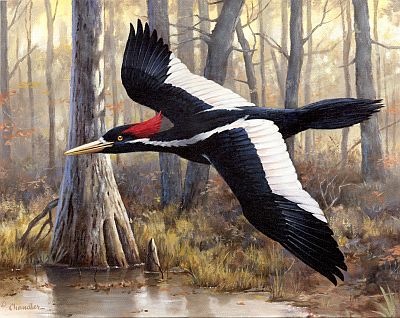
Ivory-Billed Woodpecker, Image from www.ivory-bill-woodpecker.com

Ivory-Billed Woodpecker, Image from www.ivory-bill-woodpecker.com


This is Passport to Texas

In April 2005 a national announcement proclaimed the Ivory-billed woodpecker, considered extinct, had been re-discovered in an area called the Big Woods of Arkansas.

06—And it was definitely the most exciting news that anyone can remember in the birding circles.

Cliff Shackleford is a non-game ornithologist with Parks and Wildlife.

16—There have been a lot of skeptics that have seen the documentation – it’s a little fuzzy – but there have been lots of people going back to the site, and have had glimpses. But no one’s been able to secure that really golden shot of the bird.

Cornell Lab of Ornithology’s Ivory-Billed Woodpecker research project put a team on the ground in Arkansas in 2005, and for 5 years searched there and eight other states in the Southeast US for this elusive bird.

20—The exciting thing is that this bird possibly has survived after sixty years of not being detected in the US; and the last sighting of the Ivory Billed Woodpecker in Texas was in November 1904. So, it’s been a long time since that bird has been in Texas. It occurred in the eastern third of the state, roughly, in mature river-bottom habitat.

Although Cornell did not find definitive evidence of a surviving ivory-bill population, the Lab continues to analyze data from the past five years.

Meantime, many east Texans claim to have seen Ivory-Billed Woodpeckers, but tomorrow we discuss a case of mistaken identity.

For Texas Parks and Wildlife…I’m Cecilia Nasti.
TPWD TV: 2013-2014 New Season

Friday, October 18th, 2013

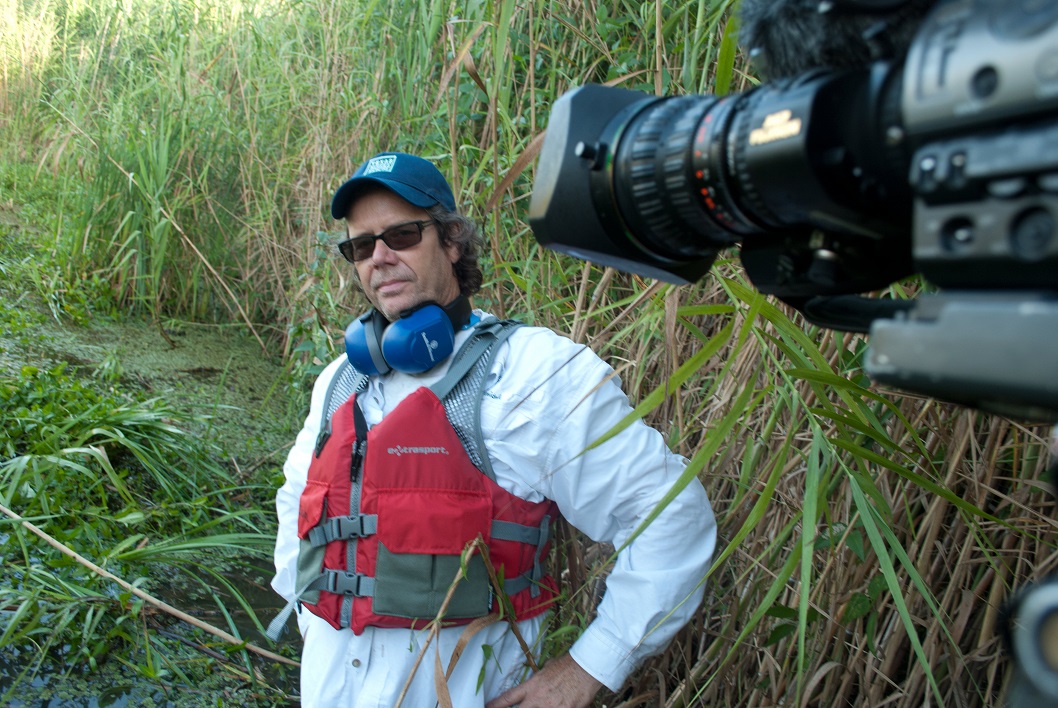
TPWD TV Series producer, Don Cash.

TPWD TV Series producer, Don Cash.


This is Passport to Texas

[TPW TV theme music]

October 20 the TPW TV Series begins its 28th season on PBS stations in Texas. Expect stories about everything you love about the outdoors.

05— You name it – if it happens outdoors in the state of Texas, we are going to have it on our PBS television show.

Don Cash, series producer, says sometimes he and his crew find stories and sometimes the stories find them.

49— Basically what we do is we look at the programs that Texas Parks and Wildlife is involved in; we try to do stories on the programs and the people. One of the best ways to come up with story ideas is just being out there in the field and meeting people. We’ll be doing one story and someone will say, ‘Oh, you should go look at this over here.’ And by George, all of a sudden you know you’ve got another story to do. .

In addition to its 28 year history, what are you most proud of with respect to the Parks and Wildlife television series?

What I think we’re really proud of is being able to go out and show people what’s available here in Texas. We’ve got a lot of new people moving here; they don’t know what’s out there. And a lot of people have been out here a long time and don’t really get outdoors. And that’s what the show is about really: showing you what’s out there and what’s available and maybe inspiring you to get out and enjoy the Texas outdoors. Hope you’ll watch.

Check your local listings for the TPW PBS television series. Funding provided in part by Ram Trucks. Guts. Glory. Ram.

For Texas Parks and Wildlife…I’m Cecilia Nasti.
Meteor Showers in Texas

Thursday, October 17th, 2013

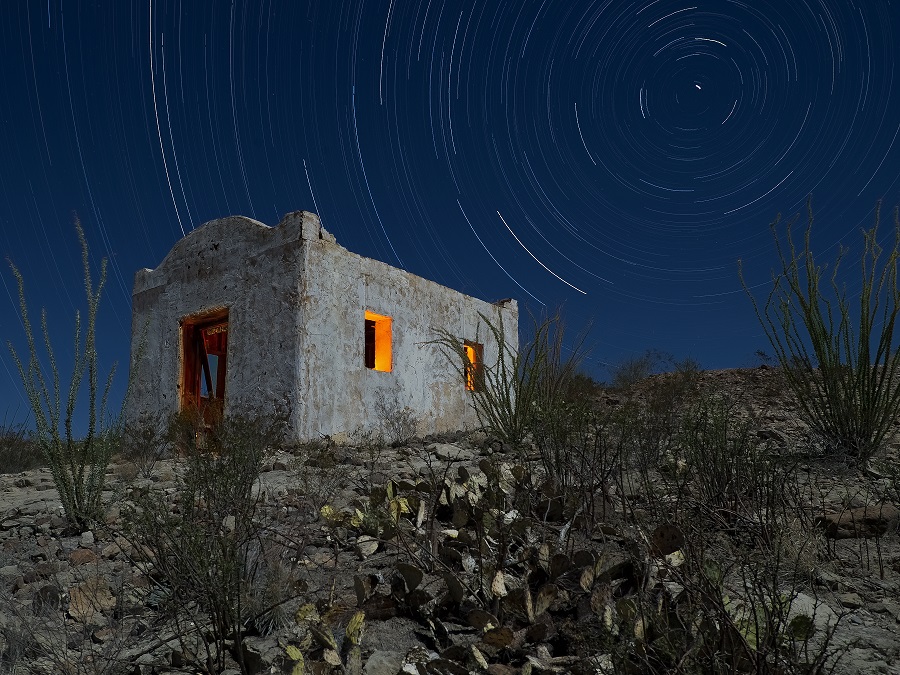
The stars at night....

The stars at night….


This is Passport to Texas

07—You can see a meteor on any night of the year if you get lucky, but it’s in the showers that you have a much higher chance of seeing something.

Anita Cochran is the assistant director at the McDonald Observatory. Dark skies are necessary to view meteors.

10—The most important thing for watching meteors is to get to dark skies. These things are not super bright. In order to see it, you probably want to be in the second half of the night because the moon will be up for the beginning.

There are more than twelve annual meteor showers, with the Orionids coming up on October 21st – but Cochran believes star gazers should leave city limits to view them.

11—Some cities have regions where you can get away from the light. Many of the larger cities in Texas, there’s really no place you can go to get away from the significant amount of light and so you’d be much better off going out into the country.

Cochran claims you won’t regret the trip.

14—A good meteor shower is something that very much worth going out and seeing because it’s kind of fun to see these things go shooting through the sky. It’s always more fun to go with people and everyone is sitting there “Oh! Look at that one!” “Oh, look at that one!” And so if you get a chance to see a good meteor shower, it’s worth doing.

Want to see more meteors? The Leonids appear the night of November 16, and the Geminids fill the night sky December 12&13.

For Texas Parks and Wildlife…I’m Cecilia Nasti.
Wildlife: Quail & Landowner Cooperatives

Wednesday, October 16th, 2013

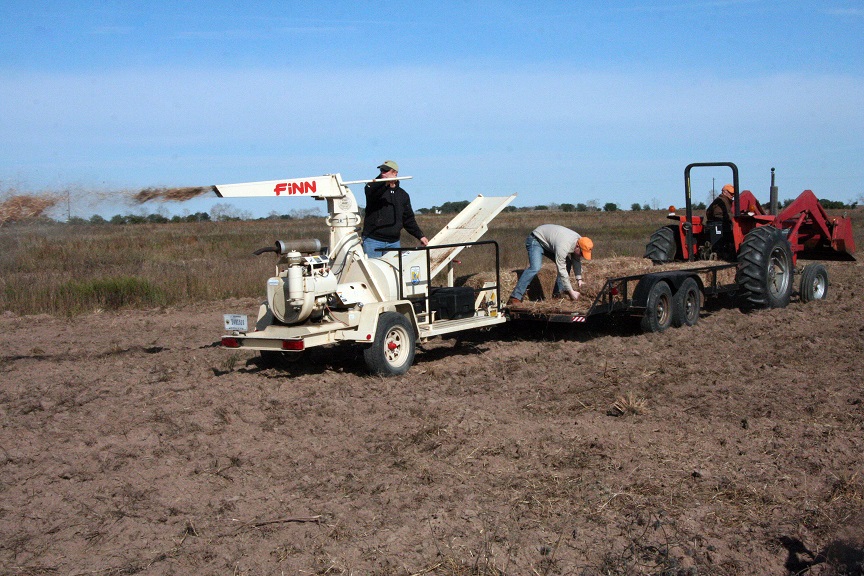
Landowners restoring quail habitat

Landowners restoring quail habitat


This is Passport to Texas

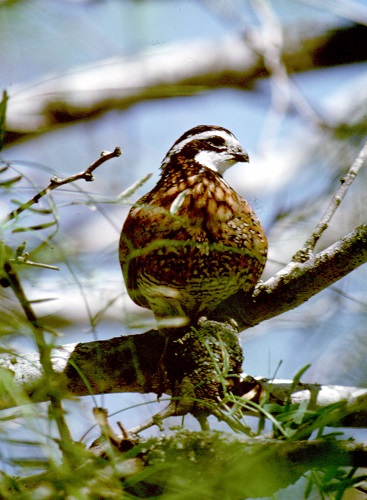
Embracing the “it takes a village model”, Texas landowners are banding together to restore fragmented bobwhite quail habitat in Texas. Think of fragmentation as a puzzle missing many pieces.

09 —Fortunately, we’ve got landowners that are working together with parks and Wildlife that formed landowner cooperatives that have formed specifically to help bobwhite quail.

Robert Perez is the upland game bird program leader at TPW. Quail populations need hundreds and sometimes thousands of acres to prosper. Neighboring landowners work together to manage their properties to support this charismatic game bird –which is primarily a grassland species.

16—Usually dominated by what’s called a bunch grass. And that’s something like little bluestem, Indian grass – grasses that grow in clumps. The growth patterns of these native grasses allow for the passage of adult quail, but more importantly, small, little, tiny chicks that can navigate through these areas.

Why would landowners go through the effort and expense to make their property more welcoming to a small bird?

08—We’re talking to landowners, and they’re not interested in hunting quail. They’re interested in seeing a quail and hearing a quail and having their kids see a wild quail on their farm and on their ranch.

The Wildlife and Sport Fish Restoration Program supports our series and receives funding from your purchase of fishing and hunting equipment and motor boat fuel.

For Texas Parks and Wildlife…I’m Cecilia Nasti.
Wildlife: Quail & Fragmentation

Tuesday, October 15th, 2013

Bobwhite Quail

Bobwhite Quail


This is Passport to Texas

In the rolling plains and south Texas brush land, years of drought has taken its toll on bobwhite quail populations. East of Interstate 35, the problem is fragmentation.

09 —And so it’s more an issue of: how much habitat is left. And the question is: if you build habitat will the birds respond? And I think that they can and they do.

Robert Perez is the upland game bird program leader at Texas Parks and Wildlife.

19—Right now we’re working in three different focus areas of the state, where we are concentrating resources, manpower, habitat funding, working with partners in select counties to do that very thing: to impact enough acreage to reverse the trend of fragmentation and to demonstrate through surveys – through counting birds – a positive response. Because we know it’s possible.

But how much habitat is enough in our modern, highly developed times?

23—In the old textbooks, they talk about a quail living its whole life on 40 acres if it has everything that it needs. While that very well may be the case, you can’t have a viable population on 40 acres in the middle of a shopping mall. So you’ve got to have some area. And there have been researchers that have taken estimates at what that may be. And it ranges anywhere from 800 to 10-thousand acres depending on the quality of the habitat.

How landowners work together to create quail habitat: that’s tomorrow.

The Wildlife and Sport Fish Restoration Program supports our series and receives funding from your purchase of fishing and hunting equipment and motor boat fuel.

For Texas Parks and Wildlife…I’m Cecilia Nasti.
