Archive for the 'Shows' Category

Spend Every First Friday at a Texas State Park

Monday, April 2nd, 2018
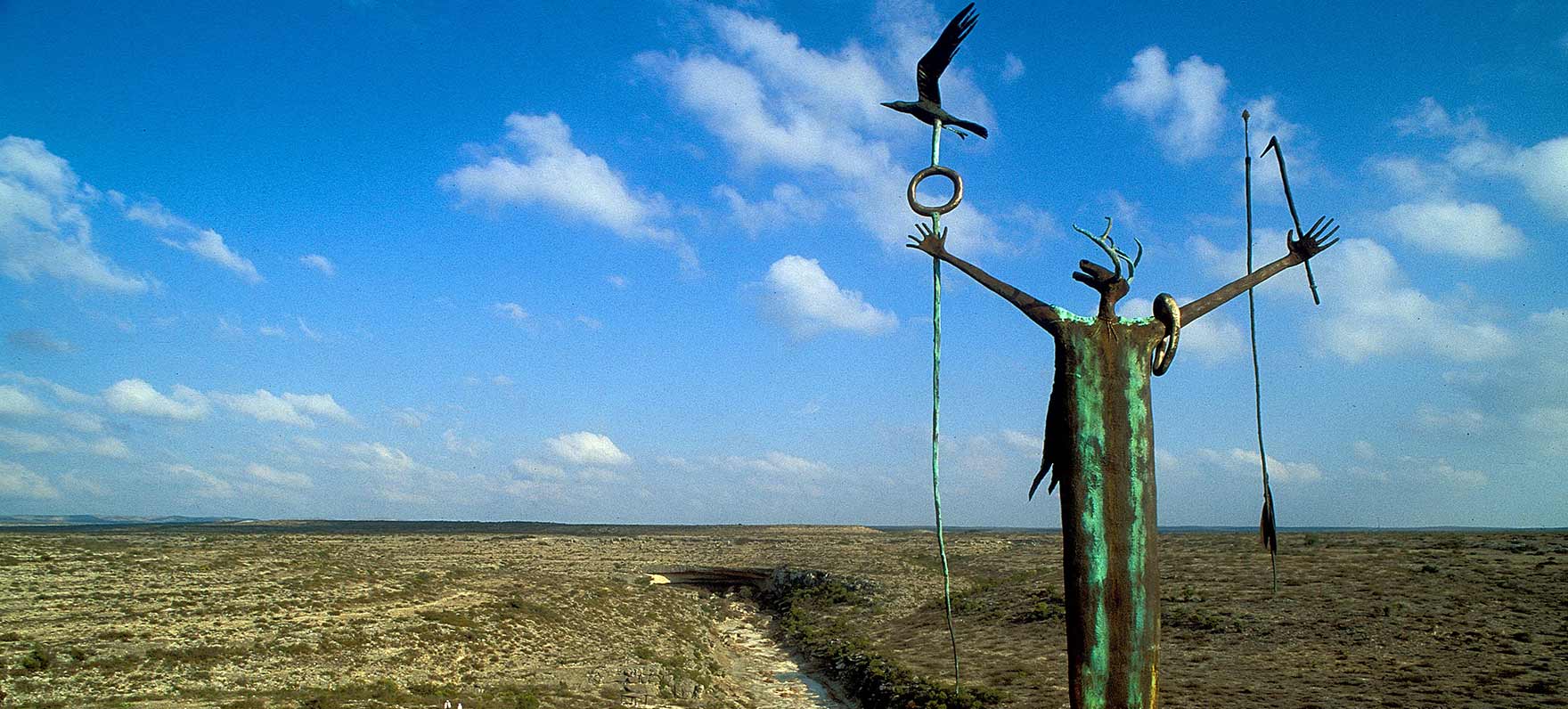
Seminole Canyon State Park

Seminole Canyon State Park

This is Passport to Texas

On Friday, April 6th, get out to one of your state parks.

The first Friday of every month join park staff at Palmetto State Park from 9 to noon for First Friday Birding. Everyone from first time fledglings to seasoned eagle eyes, are welcome.

Are you closer to Seminole Canyon State Park & Historic Site? Then consider taking part one of two guided hikes—one at 10am and then again at 3pm—and head down into the canyon to view ancient pictographs at Fate Bell shelter. Fresh air and ancient art—what could be better?

You West Texas folks might want to mosey to Davis Mountains State Park for Snakes of the Big Bend! It’s from 5 – 6 p.m. Go to the Interpretive Center to learn from an expert and see live, non-venomous, snakes from the Big Bend! It’s sort of like a snake happy hour.

There are so many stories found in the night sky. Hear some of them at Stories under the Stars at Atlanta State Park. Listen as a park ranger points out constellations and shares ancient stories of the stars and more…Arrive no later than 9 p.m. for the fun.

Find complete details about these and other park events at texasstateparks.org.

That’s our show for today… Funding provided in part by Ram Trucks. Guts. Glory. Ram

For Texas parks and Wildlife…I’m Cecilia Nasti
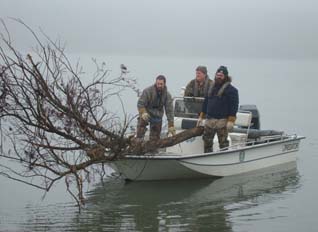
Creating Habitat for Freshwater Fish

Friday, March 30th, 2018
Creating a brush reef with dead trees.

Creating a brush reef with dead trees.

This is Passport to Texas

As we age, it’s natural to experience physical decline. That’s what’s happening to Texas’ reservoirs.

Many Texas reservoirs were formed years ago by constructing dams across rivers. As water filled the low lying areas it submerged trees and shrubs, which became fish habitat.

That organic matter’s been breaking down ever since—and has reached a breaking point in some reservoirs.

This past fall, with the help of local volunteers—and financial support from the Brazos River Authority (or BRA)—Inland Fisheries staff from TPWD completed several projects to improve fish habitat at Aquilla Lake, Lake Georgetown and Granger Lake.

Each water body received a different treatment, from replanting water willows and establishing new plant colonies, to creating artificial reefs, to sinking brush piles—all of which help to improve fishing.

These projects were completed with funding from the Brazos River Authority as part of a multi-year effort to improve all 11 BRA System reservoirs in the basin through 2020.

Learn about these habitat projects as well as others that have taken place in reservoirs across the state on the TPW website.

The Sport Fish Restoration program supports our series.

That’s our show…For Texas Parks and Wildlife, Cecilia Nasti.

Bird Words with Cliff Shackelford: Cere

Thursday, March 29th, 2018
Harris' Hawk, Image: Gary Peeples USFWS

Harris’ Hawk, Image: Gary Peeples USFWS

This is Passport to Texas

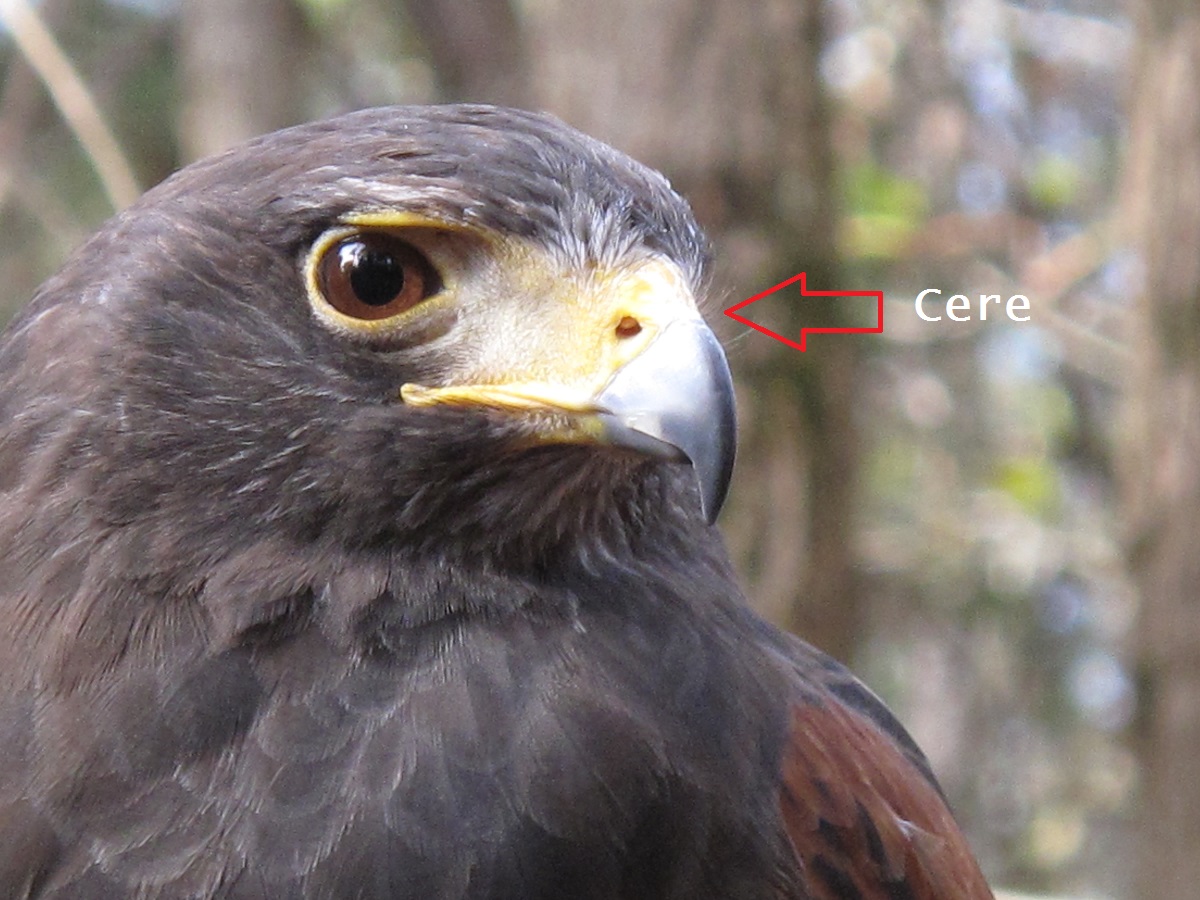
There’s a name for everything—including those things about which we don’t give much thought. Like that little waxy lump between the beak and eyes of certain birds.

And it’s usually found in raptors and parrots.

Ornithologist, Cliff Shackelford calls this feature a cere (seer).

Cere—c-e-r-e. And for people that like crossword puzzles, this might be a good one you might often see.

If you have a pet parakeet, parrot, or cockatoo, you will see that waxy, hard covering around the nostrils.

And that featherless hard area is the cere. People will see them in caged parrots, but in raptors, too. So, falconers will notice these unique features on these birds. And it’s just a waxy, hard covering to expose the nostrils.

So is this structure functional or just decorative?

It’s not very decorative, although it can be brightly colored in some raptors. But there’s no real understanding why these groups of birds—raptors and parrots—have it and no one else does. There’s another similar structure on a dove and a pigeon called an operculum; why don’t all birds have that? So, there are certain things that not all birds have.

Such as the cere (seer).

And that’s our word of the day here: cere.

The more you know….

That’s our show… For Texas Parks and Wildlife…I’m
Cecilia Nasti.

Keep Kitty Indoors to Protect Wildlife

Wednesday, March 28th, 2018
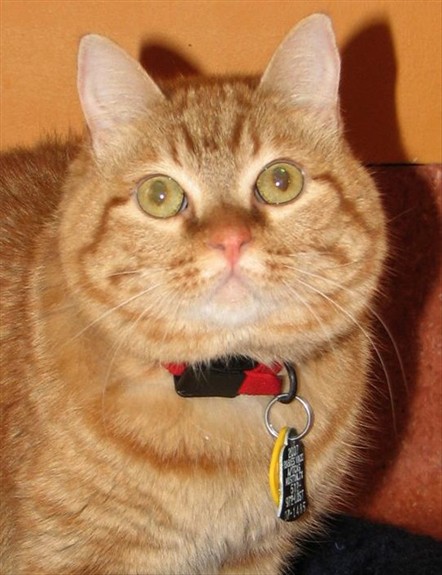
Cute and cuddly, but deadly to birds.

Cute and cuddly, but deadly to birds.

This is Passport to Texas

As cute and as cuddly as they are, cats are born killers.

Some people estimate that cats will take a total of 39-million prey animals per year.

Prey animals include invertebrates, small mammals, reptiles and birds. Kelly Simon is an Urban Wildlife Biologist with Texas Parks and Wildlife.

From a wildlife management standpoint, we really should be keeping our cats indoors…
Indoor cats are safer, healthier and live longer than outdoor cats.

If your cats roam free, place bird feeders and baths in open areas away from places where they can hide and ambush birds.

 …and realize that by not spaying or neutering our cats, we are producing an awful lot of predators each and every year.

Finally, do not release your unwanted cats in rural areas. It is NOT more humane than taking them to a shelter where they will be housed, fed and with luck—rehomed.

Released in an unfamiliar setting, former housecats are confused, terrified and vulnerable. If they survive, that’s when they become a threat to wildlife…and it’s not their fault.

That’s our show…For Texas Parks and Wildlife, Cecilia Nasti.

Feral Cats Wreak Havoc on Songbirds

Tuesday, March 27th, 2018
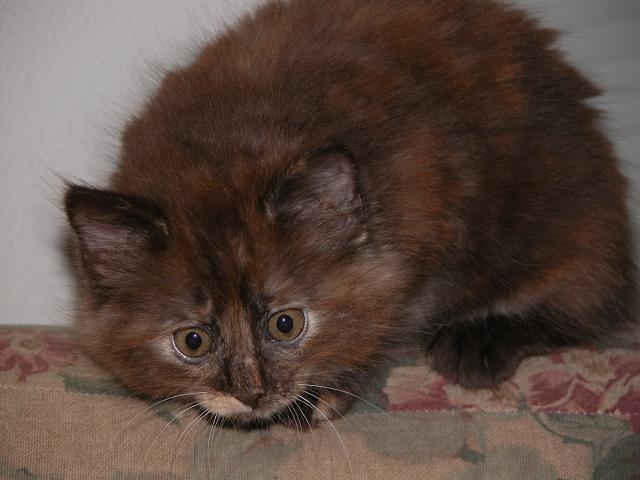
Formerly feral cat, now indoor only kitty.

Formerly feral cat, now indoor only kitty.

This is Passport to Texas

It’s estimated there are more than 100-million cats in America—both housecats and feral cats.

A feral cat is not under the direct care of humans…they are the ones out roaming around.

Kelly Simon is an Urban Wildlife Biologist with Texas Parks and Wildlife. Feral cats regularly compete with wildlife predators for the same food sources…

They outnumber them and they out-compete them. So they are using the same kinds of prey animals that our native predators, like hawks, are using; and they’re exerting pressure on them.

Small mammals, like mice, account for about 70 percent of a feral cats’ prey, while birds account for at least 20 percent. A single cat can kill up to 1,000 animals a year.

They can even cause the endangerment of some species, especially those species that are already under pressure from habitat loss or habitat derogation.

Feral cats aren’t the only feline predators decimating small wildlife. Even well-fed housecats—whose owners allow them outside—hunt and kill prey with precision and skill.

From a wildlife management standpoint, we really should be keeping our cats indoors.

We’ll talk about that tomorrow. Find information on cats and wildlife on the Texas Parks and Wildlife website.

That’s our show for today… Funding provided in part by Ram Trucks. Guts. Glory. Ram.

For Texas Parks and Wildlife…I’m Cecilia Nasti.