Archive for the 'Shows' Category

Solution to Woodpecker Damage to Home

Thursday, November 30th, 2017
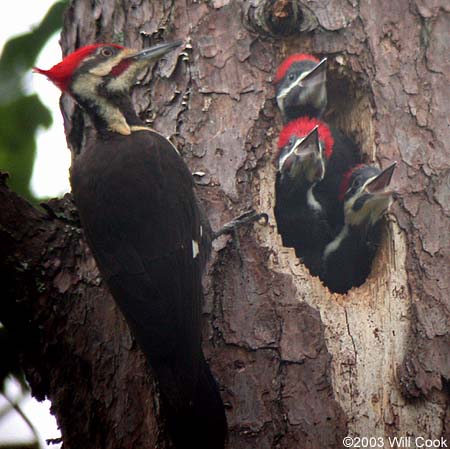
Pileated Woodpecker

Pileated Woodpecker

This is Passport to Texas

As a rule, woodpeckers dig out cavities in dead trees, called snags. Once construction is done—they move in. The exception occurs when they mistake your home’s wood siding, for a snag. When they do—homeowners have problems.

And it looks like cannon balls have been shot through the house. Maybe two or three; and we’ve seen some with fifteen, sixteen holes.

Cliff Shackelford is a non-game ornithologist with TPW. He says woodpecker damage occurs most often in urban and suburban areas where homeowners have removed the dead trees from their property.

What we recommend people to do with problems with woodpeckers is to put a nest box. If you’re familiar with a bluebird box, it’s just a larger version of that custom made for woodpeckers.

Find information and free blueprints to make your own woodpecker nest box at passporttotexas.org.

People can build this in a couple of hours on the weekend, and put it up on the side of the house, and in all cases that we’ve done this – it’s worked. And the woodpecker stops chiseling on the home, and goes to this next box, and is very content.

The Wildlife Restoration program supports our series.

For Texas Parks and Wildlife…I’m Cecilia Nasti.
Don’t Blame the Termites for this Damage

Wednesday, November 29th, 2017
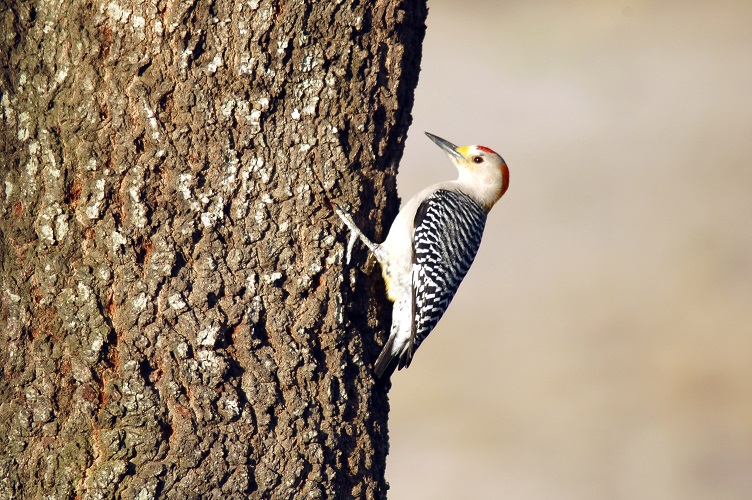
Golden fronted woodpecker

Golden fronted woodpecker

This is Passport to Texas

If you live in East Texas, and have noticed strange holes in the wood siding of your home, don’t panic and call the police—call an ornithologist.

There are fifteen species of woodpeckers in Texas, eight of which are in the eastern third of Texas. And that’s where we get most of our calls of woodpecker damage.

Non-game ornithologist, Cliff Shackelford, says the pileated and red bellied woodpeckers are among the feathered culprits inflicting damage on homes with wood siding.

What happens a lot of time is that they see these houses that might be painted brown, they might have cedar siding, and this is very attractive to the birds to try to excavate a cavity. So, they’re not looking for food when they’re doing this; they’re looking to make a cavity to call home.

The pileated woodpecker, about the size of a crow, can excavate holes as big as a man’s fist—and not just in the outside walls of your home, either.

That’s right. We’ve documented pileateds going through into the sheetrock and into the room of the house. Of course, they’re very lost when they do that, they quickly go out. They’re not looking to make a mess of the house.

But they do. How to keep woodpeckers from damaging your home…that’s tomorrow.

The Wildlife Restoration Program supports our series.

For Texas Parks and Wildlife, I’m Cecilia Nasti.

Fall Fishing in Texas

Monday, November 27th, 2017
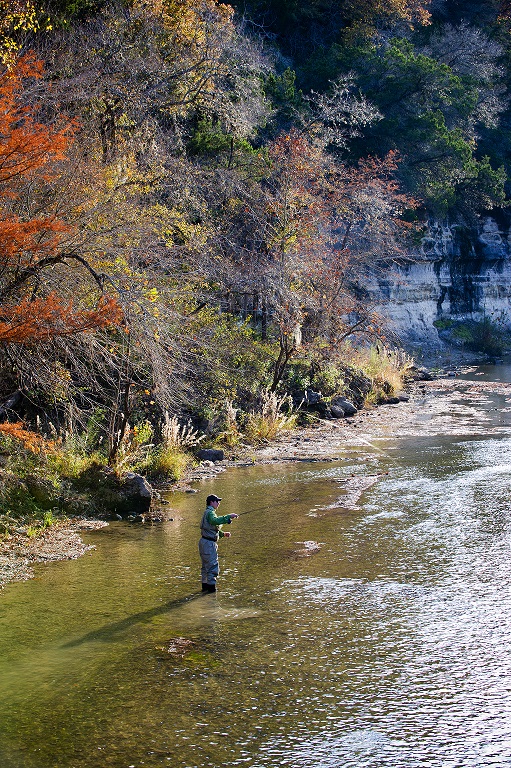
Fly Fishing in Fall (with Reid Whittliff)

Fly Fishing in Fall (with Reid Whittliff)

This is Passport to Texas

When was the last time you went fishing? Fall weather makes spending extended periods of time outdoors more pleasant, but beyond that: fishing is simply great this time of year – saltwater and freshwater.

While Hurricane Harvey stirred things up along the coast, saltwater fishing is shines this time of year. Red drum—or redfish—are favorites of coastal anglers as they migrate into the beachfront waters of the gulf for their annual spawn.

According to veteran anglers, autumn is an ideal time to cast for tarpon and snook, too. You’ll find those farther south.

Not a saltwater fisher? No worries—there’s plenty of action in freshwater during the cooler months. With more great bass lakes than you can shake a stick at, expect to reel in some big fish as they move to shallower waters in fall.

Remember: if you reel in a largemouth bass weighing 13 pounds or more, consider donating it to the Toyota Texas ShareLunker program for use in the spawning program.

Some bass lakes to visit this fall include Lake Fork, Falcon Lake, and Choke Canyon Reservoir.

Any time is a good time to fish in Texas, and fall may just be the best time.

The Sport Fish Restoration program supports our series.

Food Week: Respecting the Source

Thursday, November 23rd, 2017
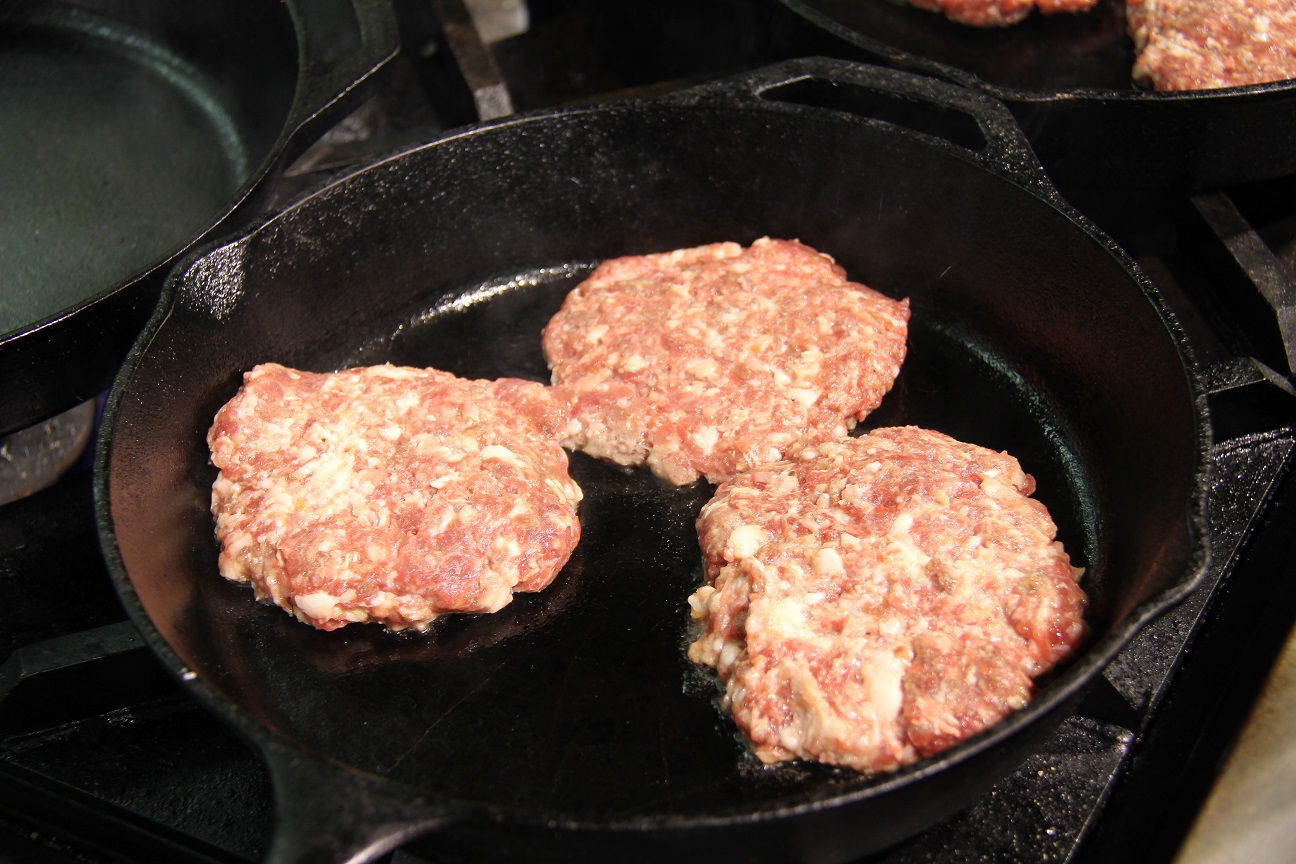
Venison burgers cooking in a cast iron skillet.  Image: Bruce Biermann

Venison burgers cooking in a cast iron skillet. Image: Bruce Biermann

This is Passport to Texas Food Week

Holly Heyser, Communications director for California Waterfowl took up hunting to spend more time with her boyfriend who is a hunter, author and chef.

I got sick of being alone on weekends when he was out duck hunting all day long. He would get up at two in the morning and be out forever….well…it didn’t take that for me to join him. What it took was for him to cooking a lot of ducks, and wild ducks, especially where we live in the Sacramento Valley. Amazing. Really great food.

It’s appropriate that on Thanksgiving, Holly shares that hunting deepened her respect for animals and the meat they provide, and not just the wild ones.

Since I started hunting, I am so much less wasteful of meat. Even if I’m at a restaurant, if there’s a burger on my plate, I will not leave one single bite of meat on my plate, because I know an animal died for that. And when it’s animals you hunt, especially…we invest a lot of time. We can spend 12 hours and a lot of money on gas, to go and maybe get two ducks one day. That’s a precious gift, and you don’t waste it. So it’s really made me understand the value of the food we eat. And, I appreciate it a lot more than I ever used to. And the fact that it’s wild food and it’s absolutely delicious is icing on the cake.

Wild game is free range, organic, sustainable, and nutritious.

Find game recipes on the Texas Parks and Wildlife website.

The Wildlife and Sport Fish Restoration Program supports our show.

Happy Thanksgiving from all of us at Passport to Texas.

For Texas Parks and Wildlife I’m Cecilia Nasti.

TPW TV–Texas Clipper 10 Years Later

Friday, November 17th, 2017
Reefing the Texas Clipper 10 years ago.

Reefing the Texas Clipper 10 years ago.


This is Passport to Texas

Ten years ago, Texas Parks and Wildlife sent a ship called The Texas Clipper to the gulf floor to serve as an artificial reef.

Texas Parks & Wildlife has taken a section of the Gulf of Mexico that was once a barren dessert, and created an enormous ecosystem of 180,000 square feet of substrate, to bring new life for both the fisherman and the divers.

Tim O’Leary takes sport divers out to explore the Texas Clipper which now teems with marine life.

This is a world class wreck. I want Texans and Texas to get excited.

The Clipper is an oasis for the marine life of the Gulf of Mexico. Dale Shively headed the project for Texas Parks and Wildlife.

This is quite an adventure to come back 10 years later and see that it’s a tremendous dive opportunity, it’s a great place for fishing, and it’s a great place for marine habitat. I think it’s a great dive destination. Lots of marine life, a lot of coral, juvenile reef species of all different types. You’ve got thousands and thousands of square feet of hard surface area and you can see that where the marine life is growing on the ship itself. I would consider this a big success for an artificial reef.

The Texas Parks and Wildlife TV series on PBS airs a segment on the Texas Clipper, then and now, the week of November 19. Check local listings.

The Sport Fish Restoration program supports our series.

For Texas Parks and Wildlife…I’m Cecilia Nasti.