Archive for the 'Conservation' Category

TPW TV- Goliad Paddling Trail

Friday, May 11th, 2018
Enjoying time on the Goliad Paddling Trail

This is Passport to Texas

Goliad State Park and Historic Site was the first park to host an inland paddling trail. The trail meanders along the San Antonio River.

It’s about 6.1 miles of beautiful pristine river. The site here in our park is the take out site. The other developed areas to get on the paddling trail is north of our park. So once you get to the park people have to get off the river unless they want to continue to float with no easy access to get off.

Brenda Justice is park superintendent. Next week the Texas Parks and Wildlife TV series on PBS features the trail and the folks who love it, including Charles Clapsaddle.

The six and a half miles current trail I can make in about an hour and a half, most people take a little over two hours. We will go pretty close to downtown Goliad, a couple of blocks from the courthouse and you wouldn’t know you were near a town. You hear crickets and cicadas and birds, nothing that sounds like humans. It’s a nice friendly river.

Even people new to paddling will enjoy the Goliad Trail.

It’s a coastal stream so it has muddy banks. Grass and trees grow right down to the bank. You usually see a lot of wildlife because of that. It’s good for families. You don’t have to be a skilled canoeist or a kayaker to enjoy the river. Right now we’re just drifting, we’re floating on the current.
Get a sense of the Goliad paddling trail’s serene beauty next week on the Texas Parks and Wildlife TV series on PBS. Check your local listings.

That’s our show…For Texas Parks and Wildlife, Cecilia Nasti.
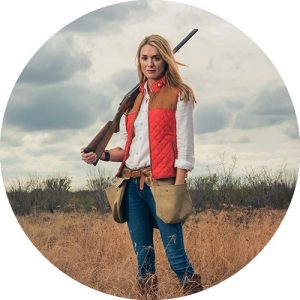
There’s No Taming Adrian Sabom

Monday, April 30th, 2018
Adrian Sabom

Adrian Sabom

This is Passport to Texas

Lifelong outdoorswoman, Adrian Sabom, grew up on a working cattle ranch in South Texas. Her parents, passionate land stewards and avid quail hunters, raised her to respect and protect the beauty of wild things. Taking a page from her folks’ “parenting handbook”, Adrian exposes her two kids to rich outdoor experiences.

When they were little we would take them somewhere where you could go our and just romp around. And then we would take them to South Texas as often as we could, and go hunting. Two weeks ago we went down to see my parents and took [the kids] hunting; they love it. You’re out, all day long, and you have such good conversation where you can just talk about whatever. You just don’t get that opportunity that much.

Sabom encourages parents to share the gift of wild spaces with their children so that their children will have them enjoy in the future.

You know, if we live in San Antonio and we just keep them in the city, that’s what they’re going to know. So, we make sure we take them [outdoors] and do things, so they’re exposed to it, so then they appreciate it.

Learn more about connecting with and conserving Texas wild places during Texas Parks and Wildlife Foundation’s We Will not be Tamed campaign. Find details at tpwf.org.

For Texas Parks and Wildlife…I’m Cecilia Nasti.

City Nature Challenge Seeks Experts

Tuesday, March 13th, 2018
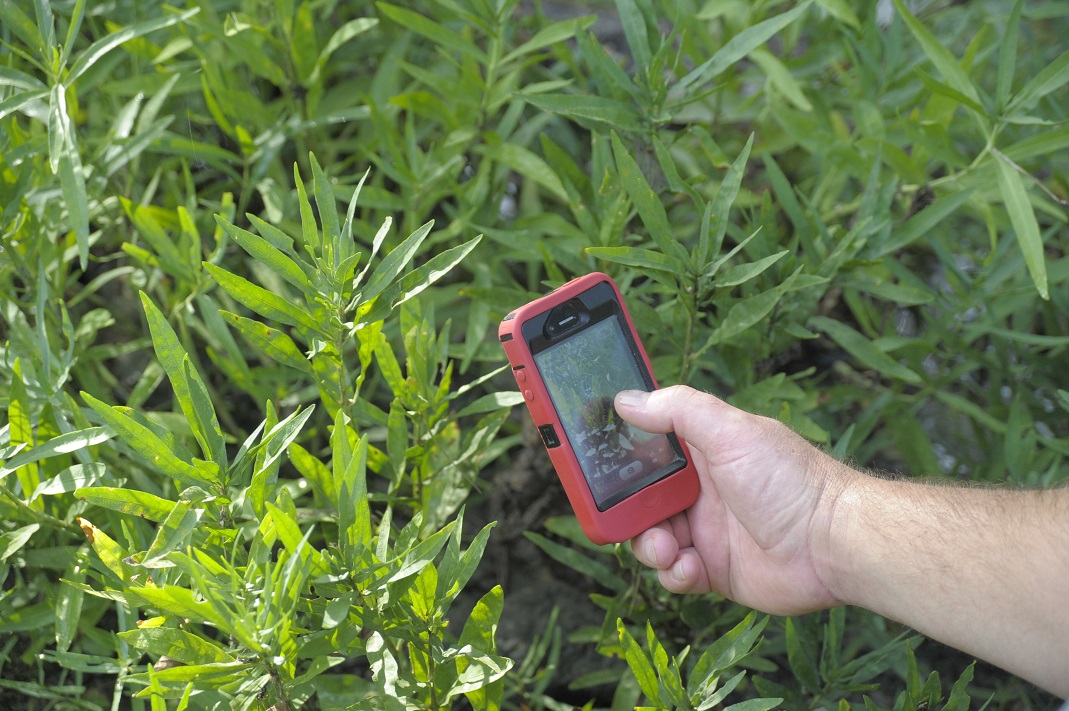
Upload images to iNaturalist during the City nature Challenge.

Upload images to iNaturalist during the City nature Challenge.

This is Passport to Texas

In about a month, competitors from around the globe will head outside with their smart phones to photograph the flora and fauna of their regions, and then upload those images to iNaturalist as part of…

The City Nature Challenge.

Marsha May is a biologist and challenge coordinator for the Austin region—one of seven TX regions involved.

And there are over 60 cities worldwide that are involved in this challenge.

April 27th—30th, participants worldwide will try to “out-document” their competitors, for bragging rights.

All that data is collected in iNaturalist, and it will be evaluated a week after the challenge is over.

Regions can win for most observations, verified species or members. May said last year’s event drew nearly more competitors than they had experts to verify the data.

We really needed more people to help with verifying the observations. That’s the call [to action] I would like to make. So, if you’re a herpetologist, a birder, a botanist and such—please, help us verify. Go to iNaturalis[.org] and look for the projects. You can go to any one of the cities and help verify these observations. Because, the more we get verified—that’s research grade observations—so those count more toward this contest.

The Wildlife Restoration program supports our series.

That’s our show… For Texas Parks and Wildlife…I’m
Cecilia Nasti.

TPW TV — Building Habitat for Fish

Friday, March 2nd, 2018
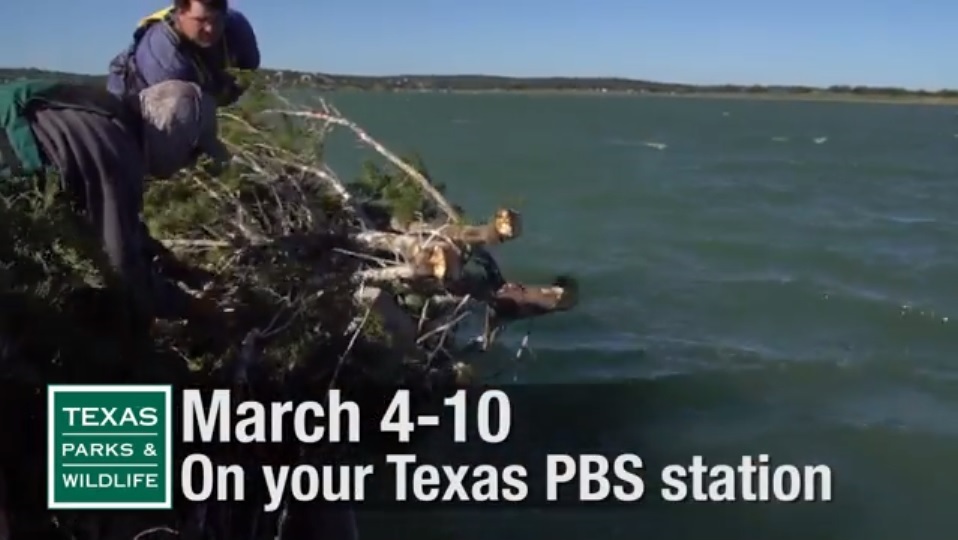
Creating fish habitat in aging reservoirs.

Creating fish habitat in aging reservoirs.

This is Passport to Texas

Most freshwater fishing in Texas happens in reservoirs.

So we want to make sure we conserve the reservoirs and these fishing opportunities by restoring habitat.

Marcos de Jesus is with For Texas Parks and Wildlife Inland Fisheries. On next  week’s For Texas Parks and Wildlife TV series on PBS, the agency and its partners renew underwater habitat in reservoirs for better angling.

We can always supplement the woody debris, the vegetation, or any type of cover that fish need by cutting something like cedar trees. We can also use artificial habitat that different commercial producers make. These things are put together to mimic trees, that creates cover.

Although TPW has the expertise…

These projects can become expensive and they are labor intensive so we need partnerships to actually get these great projects on the water.

Partnerships with groups like Friends of Reservoirs.

Friends of Reservoirs is a great group. And these groups are usually composed of stakeholders that have the common interest of conservation and fishing. So they team up with Texas Parks and Wildlife; we do some great projects around the state.

See reservoir renovation in action next week on the For Texas Parks and Wildlife TV series on PBS. Check your local listings.

If you want to get involved and help TPWD with conservation initiatives, feel free to call local district biologist. And get involved and help us in conservation. We can’t do it alone.

The Sport Fish Restoration program supports our series.

That’s our show… For Texas Parks and Wildlife…I’m Cecilia Nasti.

Habitat for Monarchs and other Pollinators

Wednesday, February 21st, 2018
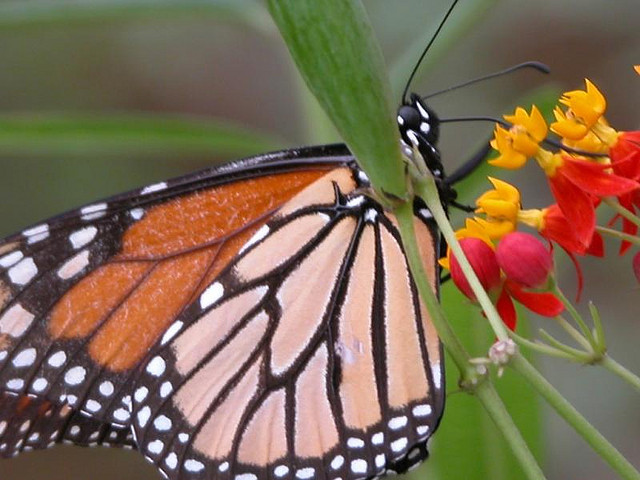
Monarch butterfly

Monarch butterfly on milkweed.

This is Passport to Texas

For as long as biologists have been studying the iconic monarch butterfly, they’ve come up with more questions than answers about its biology and basic needs. The biggest question: do land management practices, like controlled burns and reseeding with native plants improve monarch habitat?

We have lots of questions about patch size, too.

That’s Ben Hutchins, the state’s invertebrate biologist. So, what is patch size?

When I say ‘patch size’ what I mean is, how far will a monarch travel to get from one plot of nectar producing plants to another? How big of a prairie do we need to support healthy monarch populations? How many milkweed in it? What density do we need across the landscape to promote healthy breeding populations?

Expansive patches of prairie are best, but hard to come by due to urbanization. Having said that—all is not lost.

Even urban environments have lots of potential for habitat for monarchs moving through; so you have urban corridors. So, there’s no property that’s too big or too small to help out monarchs and other urban pollinators.

That means even planting native nectar producing plants and milkweed in empty lots, on building rooftops, or in containers on your downtown balcony—you are playing a role in supporting monarch and native pollinators.

The Wildlife Restoration Program supports our series.

For Texas Parks and Wildlife…I’m Cecilia Nasti