Archive for the 'Conservation' Category

Stewardship: Sycamore Canyon Ranch

Wednesday, July 16th, 2014


This is Passport to Texas

Ruthie and Johnny Russell, with their sons McLean and William, own and operate the 87-hundred acre Sycamore Canyon Ranch—along the Devil’s River in Val Verde County. This family understands the importance of preserving the wide, open spaces for both livestock and wildlife.

15— We don’t want fragmentation to occur here. We love the open spaces. And you really can’t protect water, wildlife and habitat without big, open spaces. If I were a billionaire I’d buy as many ranches as I could and protect them. [laughs]

Ruthie says their goal is to protect, share and communicate the public benefits of private lands stewardship, including preserving beautiful vistas, native wildlife habitats, clean air and water.

08—We look at this as a wilderness area. A wild area. We want to preserve it. We want to protect it. And, it’s just the perfect wild place to protect.

Some range management strategies they’ve used include deferred grazing and aggressive whitetail population control. In addition, they put their ranch under a conservation easement to protect it for generations.

11—My brother and I were both raised on ranches and in the outdoors. It would never have crossed our minds had this not been put under a conservation easement to sell this land.

The Russell’s Sycamore Canyon Ranch is a regional Lone Star Land Steward Award winner for 2014.

The Wildlife and Sport Fish Restoration program supports our series, and is funded by your purchase if fishing and hunting equipment and motorboat fuel.

For Texas Parks and Wildlife, I’m Cecilia Nasti.
Angling: Red Snapper

Monday, July 14th, 2014

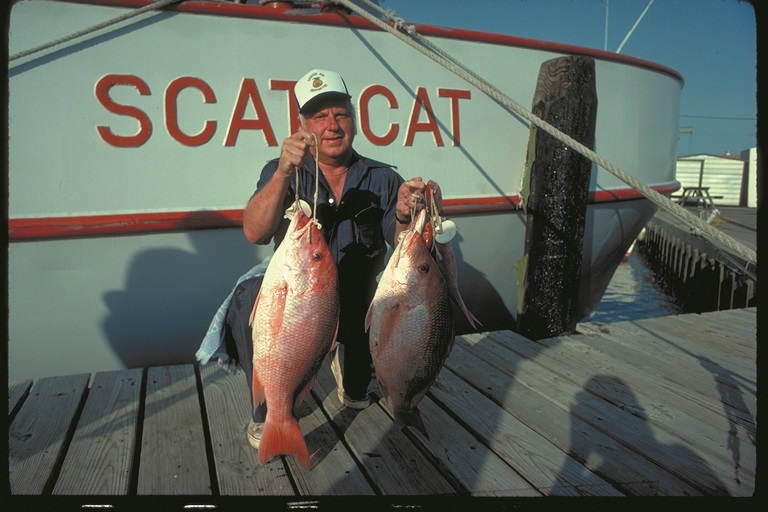
Nice looking red snapper.

Nice looking red snapper.


This is Passport to Texas

Seasoned anglers may roll their eyes when I make this confession, but I have been using “redfish” and “red snapper” interchangeably. This—I know now—is wrong.

11— Red snapper is different from what people commonly refer to as redfish or red drum. So, yes. Two different species. Red snapper and red drum… of which red drum is often referred to as redfish.

Thank you, Jeremy Leitz [LEETZ], for clearing that up. Jeremy is with coastal fisheries. These species are easy to tell apart: Red drum is more streamlined and has a black dot on its tail; red snapper is chunkier and…well… redder.

08—Red snapper are typically found in deeper waters along structures such as artificial or natural reefs. While red drum are in the gulf, they’re typically more sought after in our bay systems.

I’m telling you this because Parks and Wildlife’s Coastal Fisheries division requests your help with a voluntary red snapper survey, which makes accurate identification of the species vital.

14— What we’re asking of recreational anglers is that after a fishing trip, they log onto a website to record the number of red snapper that trip harvested. Only one angler needs to report per party, but again, after you’re done with your trip, log into the website and report the number you have caught.

The survey is a pilot program that continues through May 2015. Find it on the Texas Parks and Wildlife website.

The Wildlife and Sport Fish Restoration program supports our series; it’s funded by your purchase of fishing and hunting equipment and motorboat fuel.

For Texas Parks and Wildlife, I’m Cecilia Nasti.
Invasives: Aquarium Trade, 2

Wednesday, July 9th, 2014

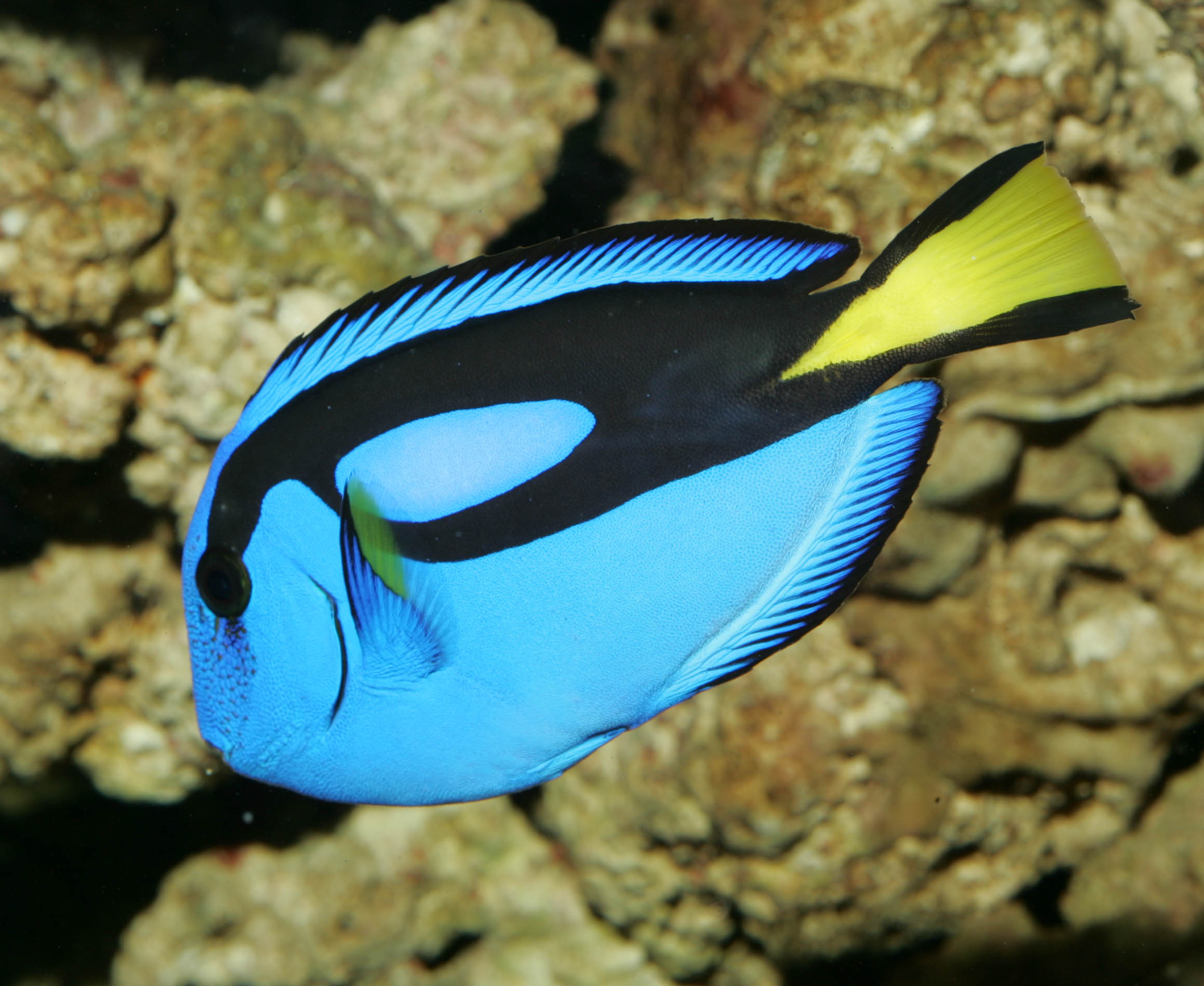
Fish at Sea Center Texas

Fish at Sea Center Texas


This is Passport to Texas

How far would you travel to ensure the future of your favorite exotic aquarium fish?

06—We had some folks telling us that they would go as far as 50 miles to find an appropriate body of water.

You may think releasing your pet fish into Texas waters, when you no longer want it or can care for it, is humane. Yet exotic aquaria species disrupt natural ecosystems and out-compete native fish for resources.

Priscilla Weeks is a senior research scientist at the Houston Advanced Research Center. Her team used a Texas Parks and Wildlife grant to research why people release their fish into Texas waters.

14—I think there might be a stereotype where folks think that it is easy, emotionally, just to release a fish. But actually what we’re finding is folks are very attached to their pets.

Research shows whether a person gets rid of their fish depends on personal preference like a fish’s behavioral or physical attributes. Weeks says oftentimes if those attributes change, so does the owners’ interest in the fish.

Weeks says some people think releasing a fish is the only option, but, among the alternatives are euthanizing it, and the less drastic: taking it back to the pet store.

The Wildlife and Sport Fish Restoration program supports our series and is funded by your purchase of fishing and hunting equipment and motor boat fuel.

For Texas Parks and Wildlife, I’m Cecilia Nasti.
Invasives: Aquarium Trade

Tuesday, July 8th, 2014

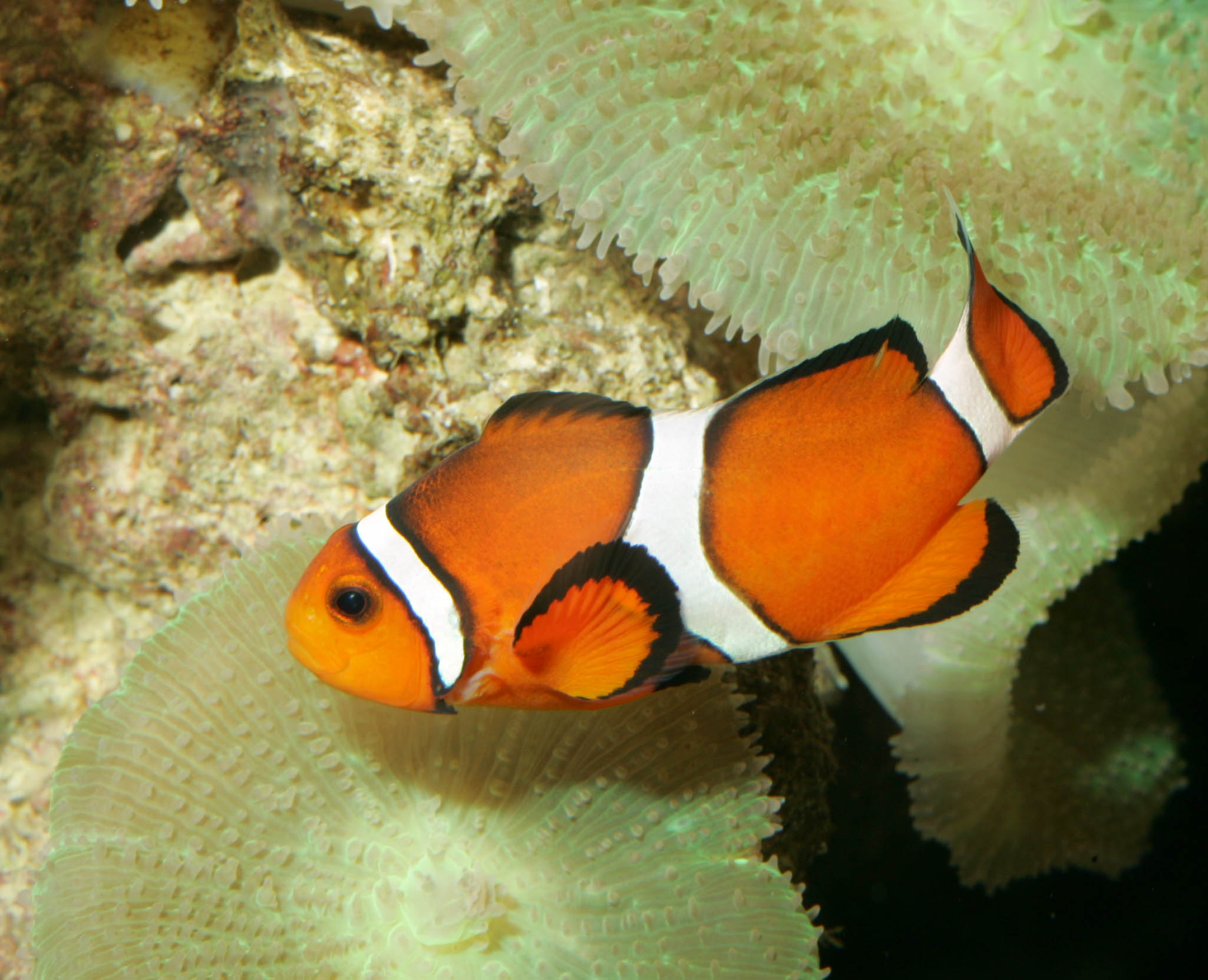
Aquarium fish

Aquarium fish


This is Passport to Texas

[Audio clip from Finding Nemo] 04—He’s gonna get out of here. He’s going to get flushed. What a smart little guy!

We love the scenario from the Pixar film Finding Nemo where a cute little aquarium fish escapes back into the wild. The problem is most of these captive species aren’t from Texas. Luci Cook-Hildreth is Texas Parks and Wildlife’s Inland Fisheries Division.

18—Even really smart people sometimes don’t understand that a fish is not just a fish and water is not just water. They go, “I have a creek in my backyard, and I have a fish that’s too big for my tank. Well, why don’t I just set him free?” And they don’t understand that there’s a lot of biological and ecological ramifications to that decision.

When these non-native fish thrive, they out-compete native Texas fish populations.

Cook-Hildreth says the internet makes buying exotic species of fish easy and practically impossible to regulate. Despite state laws, there seems to be a constant supply – and demand—for illegal species…and for good reason.

16—Folks that are interested in selling illegal fish have the potential to make thousands of dollars on these fish. And we can slap a fine on them, for $200 or $300 dollars; it’s really just the cost of doing business for these folks.

The Wildlife and Sport Fish Restorarion program supports our series… and receives funds from your purchase of fishing and hunting equipment and motor boat fuel.

For Texas Parks and Wildlife, I’m Cecilia Nasti.
TPW Magazine: “Upstream, Downstream”

Friday, July 4th, 2014

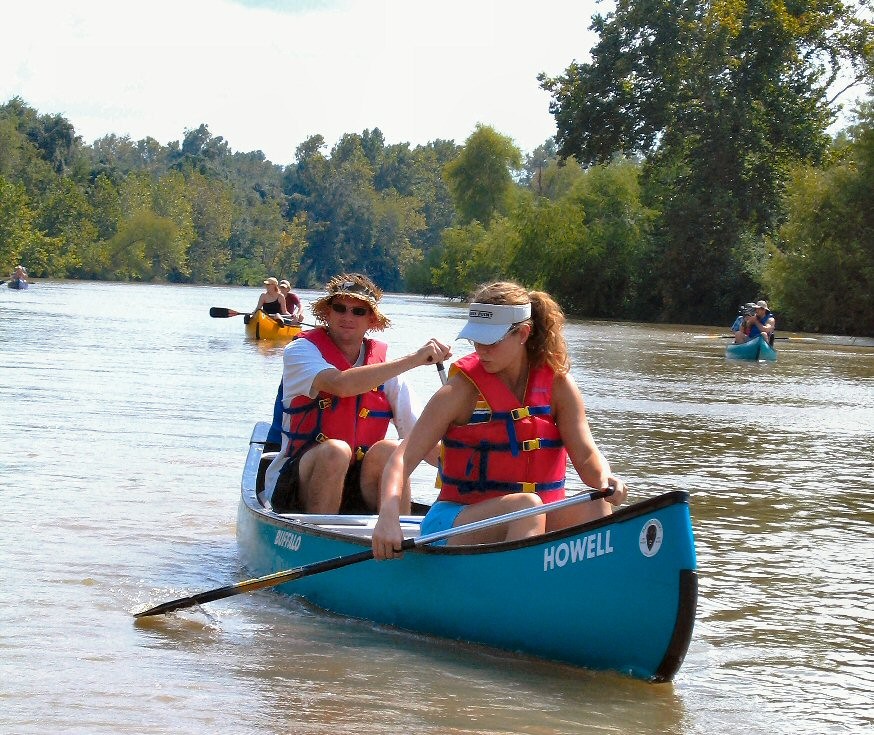
Canoe the Colorado River in Columbus (publicity photo by Tonya Britton)

Canoe the Colorado River in Columbus (publicity photo by Tonya Britton)


This is Passport to Texas

Continued drought and a growing population are taking their toll on the Colorado River. This important source of water for humans and wildlife stretches 600 miles from west Texas to the Gulf of Mexico.

11— The Colorado River is the lifeblood of the state of Texas because it runs right down the center [of the state]. It supports every single kind of Texan, [from] old cowboys and little fishes to everybody in-between.

In the July issue of TPW magazine, writer, Jenna Craig, provides an overview of the challenges regulatory agencies face regarding distribution of the resource among its users. She said, in the water game, no one emerges a winner.

18— We simply do not have enough water to meet everybody’s needs—and that is nobody’s fault. There is no way [so far] that anyone has [devised] a way to distribute the water to meet everyone’s needs that won’t be upsetting to somebody.

What we need is rain, and a lot of it, falling in recharge and runoff areas. Until then, personal responsibility must be part of the overall management strategy.

15—Conserve water. Think about what you’re doing. Think about the kind of plants you have in your yard [for example], and how often you water. Is watering your yard the most important thing you do with that resource? That’s a choice we make. [Remember: what you do] doesn’t just affect you and your yard. It affects everybody.

Find Jenna Craig’s article—Upstream, Downstream—in the July issue of Texas Parks and Wildlife magazine.

For Texas Parks and Wildlife, I’m Cecilia Nasti.
