Archive for the 'Shows' Category

Nature: Crawdads — the Gateway Species

Monday, December 30th, 2013
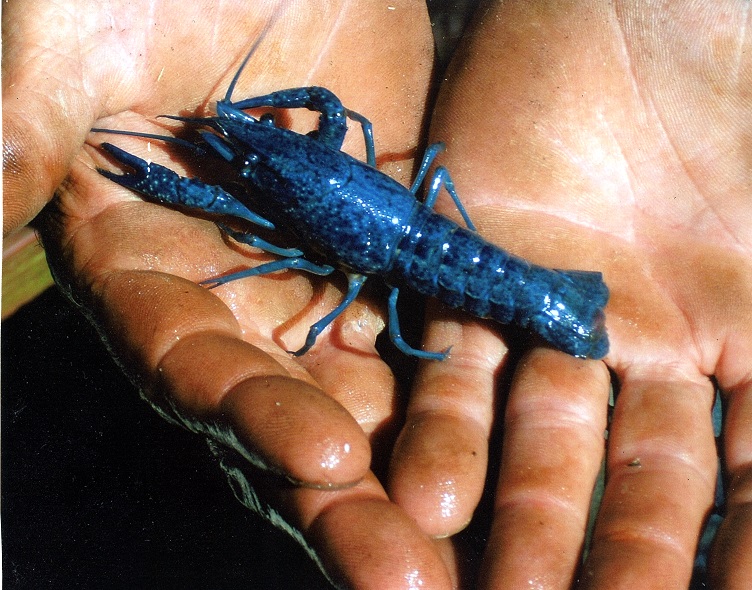
Blue Crawdad

Blue Crawdad


This is Passport to Texas

It all starts with the first catch…

08—Kids don’t start with large mouth bass, they start with crawdads. This is what I call a gateway species; it leads to greater nature appreciation in adults.

…but first, you have to go out to get one. Nathan Johnson is coauthor of the field guide, Texas Crawdads. He’s worried kids today spend too much time indoors and are missing out on the fun of nature. A lifetime creek adventurer himself, catching crawdads seems the perfect way to open kids’ doors to the outside.

16—It’s more than just catching crawdads. They’re going out there and their adventuring. It’s discovery. When I was a kid, the geography of my life was defined by which creeks and woods were within bicycling distance of my house. We’d considered those creeks our creeks and our woods and we’d explore.

And taking that sense of ownership a step further; he’s encouraged young folks to contribute to conservation efforts as well.

17—I talk to cub scouts and I tell them: you can make a difference, you can begin to record the crawfish of your state so that you can increase the awareness and the knowledge and the biodiversity. The work you do is just as important as the work that state biologist does with their inventories. All we gotta do is put it in their hands and say go.

Leave a comment with your crawdad catching adventures at passporttotexas.org.

That’s our show… For Texas Parks and Wildlife…I’m Cecilia Nasti.
Hunting: Lily Pulls the Trigger

Friday, December 27th, 2013

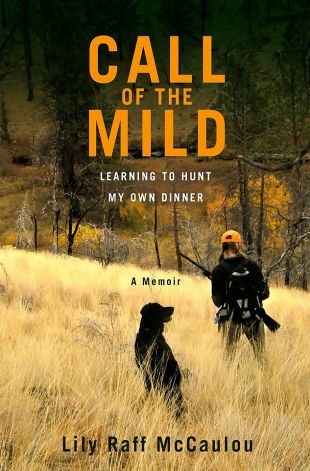
Call of the Mild by Lily Raff McCaulou

Call of the Mild by Lily Raff McCaulou


This is Passport to Texas

When you grow up in a hunting family, you learn to (at least) appreciate the tradition.

06—It was so different from what I grew up with and from anything I knew, that I wanted to know more about it.

Journalist Lily Raff McCaulou moved from NYC to Bend Oregon to write for a small newspaper, many readers of which were anglers and hunters. To connect with them and the food she ate, Lily learned to hunt.

22—You know, the locavore movement was starting to take hold, and I’d been a meat eater my whole life, and was wondering: do I really have what it takes to hunt and kill my own meat. And wanting to know what I could get from that experience — and that closeness to my food. So, it was a combination of all these different factors that made me decide this is something that I want to try.

It took a year from the time she completed hunter education, to participating in a pheasant hunt during a Becoming an Outdoors Woman Workshop. Even so, she wasn’t sure she’d take a shot, but then…

25—All the other women in my group had shot a bird, and I just started feeling like, ‘Hey, I’ve come all this way and it’s been a year in the making, and I want to take a shot, too.’ Eventually, all the stars aligned and the dog that I was with sniffed out a bird and held it on point [and when it flushed], and I got it; I took the shot and the bird fell immediately. Rather than feeling all the guilt and remorse, I felt empowered.

Lily Raff McCaulou writes about her experience in her book Call of the Mild.

For Texas Parks and Wildlife…I’m Cecilia Nasti.
History: Time off in Early Texas

Wednesday, December 25th, 2013

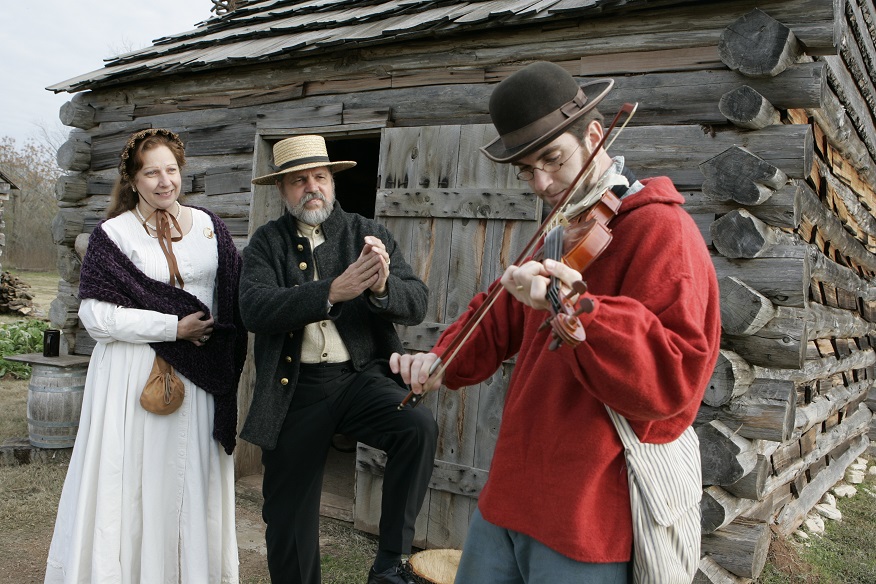
Barrington Farm Christmas

Barrington Farm Christmas


This is Passport to Texas

We have something in common with early Texans.

06 – Christmas and the month of December—in large part—was the time when Texans gathered.

Cynthia Brandimarte is program director for Texas historic sites. Unlike today when a short trip by car or plane will get us to our holiday destination, travel was difficult for early Texans.

09 – And so when you traveled, you tended to stay. People had time at Christmas to do that—to travel and spend weeks.

Which makes the few days that most of us get off at Christmas seem like a rip off. And early Texans made good use of this block of time.

08 – It was then that they celebrated not only Christmas, but other special events, and planned weddings for the month of December.

Since Texas was mostly rural in the 19th and early 20th Centuries, and there wasn’t a lot of farming that could happen in December…

15 – It almost gave 19th Century and early 20th Century rural Texans an excuse not to work. And thus to play a bit more, and socialize a bit more, than they had time to do many other months of the year.

How will you spend your time off this holiday season? How about making a little time to enjoy the great outdoors?

From all of us at Passport to Texas, we wish you a very Merry Christmas and a prosperous New Year…For Texas Parks and Wildlife…I’m Cecilia Nasti.
Texas History: Christmas Trees in Texas

Tuesday, December 24th, 2013

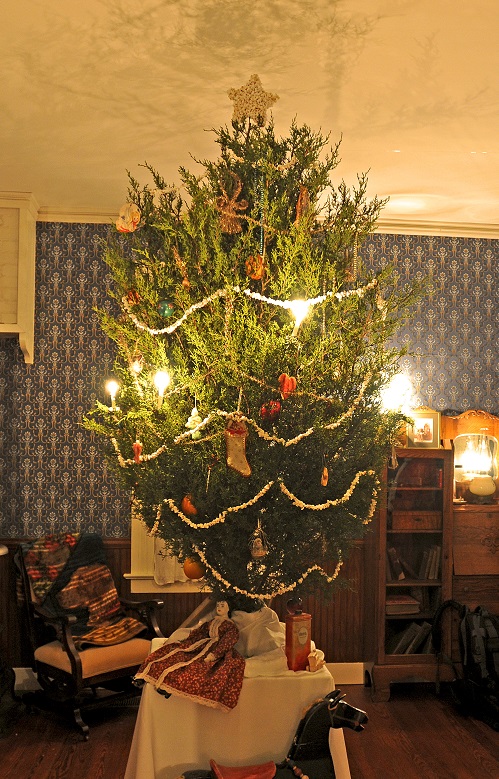
Christmas Tree inside Saur-Beckmann State Historic Site

Christmas Tree inside Saur-Beckmann State Historic Site


This is Passport to Texas

The custom of decorating trees for Christmas took root in German villages during the sixteenth century.

07—A lot of Germans, as you know, settled Texas. And they brought a tradition with them of the tabletop Christmas tree.

Cynthia Brandimarte is program director for Texas historic sites.

12—When you look at interior photographs of Texas houses, you see many tabletop Christmas trees ornamented for the season, particularly in German households in the late nineteenth century Texas.

Ornaments were handmade then, and small gifts often dangled from branches. Eventually, the tabletop conifer gave way to larger trees that became “floor models,” and the decorations sometimes mirrored the day’s events.

22—You saw more and more seven or eight feet trees that were placed on the floor. And because we had just ended the Spanish American war in victory, there was a fashion in the early part of the twentieth century to decorate trees with a few American flags here and there. We have photographic evidence for that.

If you celebrate Christmas, we wish you a joyous holiday. And if you do not, then it’s the perfect opportunity to spend time in nature, because Life’s Better Outside.

That’s our show… we record our series at the Block House in Austin, Texas.

For Texas Parks and Wildlife…I’m Cecilia Nasti.
TPW TV: The JA Ranch

Monday, December 23rd, 2013

JA Ranch

JA Ranch


This is Passport to Texas

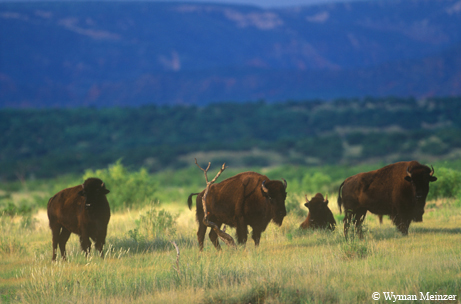
Andrew Bivins uses technology to manage his land.

11— He can tell you what kind of method they used. He can tell you how much it cost per acre. The amount of information he’s been able to incorporate into his databases is unheard of.

Bivins is managing partner of the historic JA Ranch in the Texas Panhandle, founded by Charles Goodnight and Bivins’ ancestor, John Adair. Texas Parks and Wildlife TV’s Ron Kabele produced a segment for the series about this fifth generation rancher.

05—When it comes to using computers and new technologies – Andrew gets it.

Bivins, a 2013 Lone Star Land Steward Award winner uses available GPS technology to keep track of his work on the property. This includes removing invasive woody species and prescribed burns to return the land to the prairie habitat it once was.

17—It’s a very long-term strategy. It will be my lifetime of working on it – and it will be my son’s lifetime of working on it. And hopefully, our grandchildren will have a ranch that’s more of a prairie than what my son and I will have.

Bivins has a detailed database of brushwork done on the ranch. Each acre he reclaims for prairie habitat translates into untold savings in water.

08— Everything out here is in competition for the little water we get. Pulling the woody invasive species out allows more water for the grasses.

This segment airs on the Texas Parks and Wildlife TV series the week of December 29.

For Texas Parks and Wildlife…I’m Cecilia Nasti.
