Archive for the 'Shows' Category

Hunting: Dove & Drought

Tuesday, August 27th, 2013
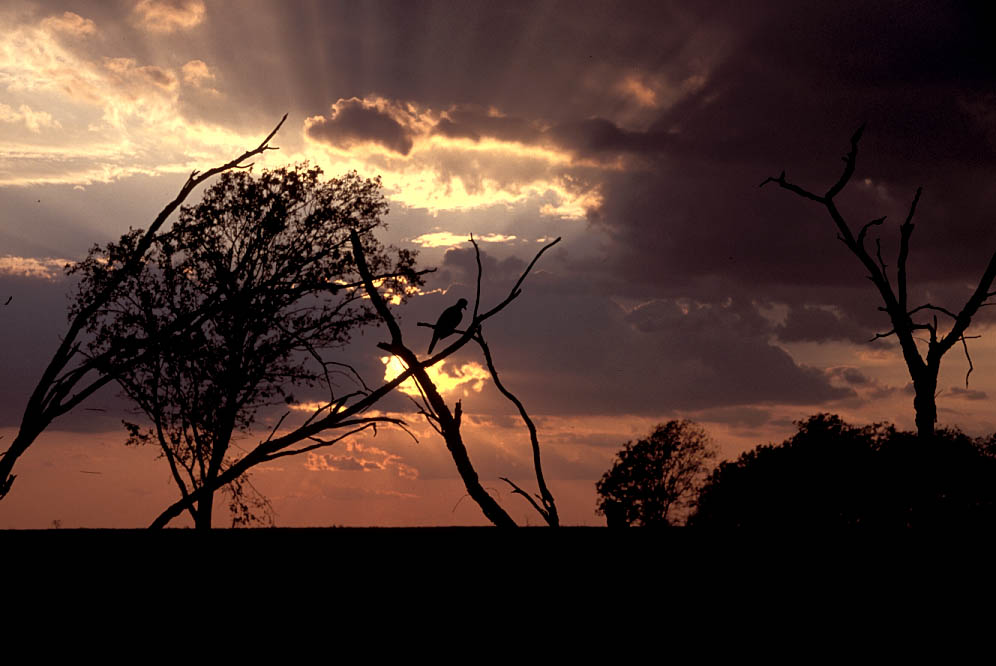
Dove at Dusk

Dove at Dusk


This is Passport to Texas

Doves may be harder to find in the Panhandle during the upcoming hunting season because of drought conditions in the area.

09— The drought can be a blessing when it comes to hunting – they can concentrate birds in some areas. But, the last few years we’ve seen a lot of decreased harvest in the Panhandle region just for the fact of conditions.

Shaun Olden-burger is migratory shore and upland game bird program leader at Parks and Wildlife. Farmers planting fewer crops and a shortage of water sent doves searching for more hospitable environs.

07— I probably see hunting opportunity somewhat similar to last year. It was probably average to poor in certain areas in the Panhandle.

However, Olden-burger says if hunters don’t mind traveling to other regions of the state, they can harvest their limit.

28— We look in the Edward’s Plateau area, in the central part of the state; I’ve already heard some very good reports as far as dove numbers there – in some of our initial surveys that we’ve done — we’ve actually found very good numbers in many locations compared to last year. So, I would expect the hunting in the central part of the state to be good, western Texas I’ve heard some good numbers as well, and even in south Texas where we have some drought areas, I’ve heard numbers were up this year compared to last year just based on some field reports. Eastern Texas probably very similar to last year, maybe a few more. We tend to have more consistent rainfall there.

The Wildlife and Sport Fish Restoration Program supports our series and works to increase fishing, hunting, shooting and boating opportunities in Texas. For Texas Parks and Wildlife…I’m Cecilia Nasti.
Hunting: Dove in Texas

Monday, August 26th, 2013

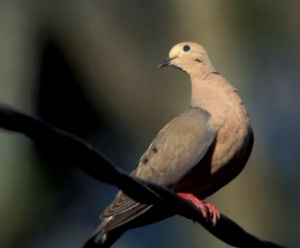
Mourning Dove

Mourning Dove


This is Passport to Texas

Dove hunters who get in the field early in the season may experience more success than those who wait.

05— For the most part, we see a lot of the harvest occur very early in all the seasons in all the zones.

Shaun Oldenburger is migratory shore and upland game bird program leader at Parks and Wildlife. September first marks the start of dove season in the North and Central zones and September 20th in the South Zone. While Mourning Doves are plentiful statewide, for greater success, Olden-burger says it pays to do your homework.

27— The nice thing about mourning doves is they tend to be a generalist. They primarily eat seeds, and they need a lot of water on a daily basis. So you think about two things when you go hunt doves: you think about water sources and you think about seeds. And seeds may be a harvested grain field, wheat field, or some other food plot. And so I think a lot of scouting needs to go into these locations. A lot of people do have traditional areas that they just tend to do to. But, you know, a little bit more scouting if you have access to properties, you can ensure – probably – a pretty good hunt on opening day.

What’s this season’s outlook for dove hunters considering we’re still in the throes of a drought?

04— The drought can be a blessing when it comes to hunting – they can concentrate birds in some areas.

But that’s not true everywhere. We’ll tell you more tomorrow. The Wildlife and Sport Fish Restoration Program supports our series and works to increase fishing, hunting, shooting and boating opportunities in Texas.

For Texas Parks and Wildlife…I’m Cecilia Nasti.
50th Anniversary: Building Relationships

Friday, August 23rd, 2013

Working with Landowners on Conservation

Working with Landowners on Conservation


This is Passport to Texas

Through confidential relationships with area biologists, Texas landowners conserve the state’s natural resources for future generations.

14 — Our goal is to develop these relationships. We do have laws that maintain confidentiality for the landowner. That’s helpful to people and gives them comfort to know that their private business is between them and their biologist.

Linda Campbell oversees the private lands and public hunting programs.

19— We have good relationships all over Texas. We have over 8-thousand wildlife management plans that we hold with active cooperators, one over 29-million acres. We do everything from deer management to quail management to whatever the landowner is interested in – and what the habitat can support.

For the past 18 years, Texas Parks and Wildlife’s honored landowner efforts through its Lone Star Land Steward Awards Program.

13 —And we hold them up to show people what they can do with this dedication and commitment these award winners show. And we want to honor those folks for their achievement and their commitment to good land stewardship.

Find information about free technical assistance and the Lone Star Land Steward Program on the Texas Parks and Wildlife website.

The Wildlife and Sport Fish Restoration program supports our series and provides funding for Private lands and Public Hunting programs.

For Texas Parks and Wildlife…I’m Cecilia Nasti.
50th Anniversary: Working with Landowners

Thursday, August 22nd, 2013
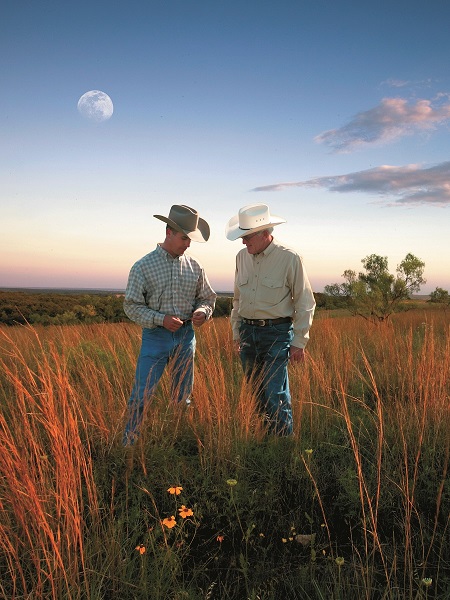
Private Ranch in Texas

Private Ranch in Texas


This is Passport to Texas

Ninety-five percent of land in Texas is in private hands, making landowners the key to long-term wildlife habitat conservation.

08 — We understand that in a private land state, we’re not going to make much of a dent in wildlife habitat conservation without our private land partners.

For the past 30 years, the private lands program at Parks and Wildlife has worked closely with landowners, providing free technical assistance for their long range land management goals. It’s another success story in the agency’s 50 year history. Linda Campbell oversees the program.

08—People can go to our website and find their local biologist, talk to them, and they can help you reach your wildlife management goals.

Through its Landowner Incentive Program, the agency provides funds to cost-share.

22 — Projects for landowners who want to enhance habitat for declining species, rare species – in certain targeted areas of the state. We also have funding for landowners who want to do work to enhance watersheds. We look at those as well, and we have a great website on that. So, people that are interested in financial incentives should certainly check out the landowner incentive program.

Find information about free technical assistance and the landowner incentive program on the Texas Parks and Wildlife website.

The Wildlife and Sport Fish Restoration program supports our series and provides funding for Private lands and Public Hunting programs.

For Texas Parks and Wildlife…I’m Cecilia Nasti.

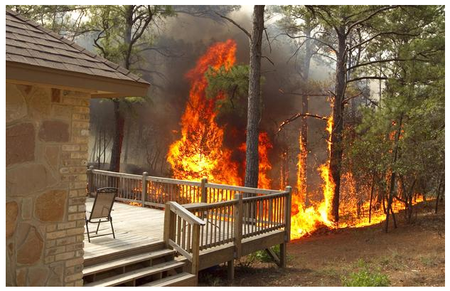
Firewise Landscapes: Defense Against Wildfires

Wednesday, August 21st, 2013
Wildfire in Bastrop, Image Jay Jenner Austin American Statesman

Wildfire in Bastrop, Image Jay Jenner Austin American Statesman


This is Passport to Texas

Low hanging tree branches that hug the roof line of your home may provide shade, but they could put you and your property in danger during a wildfire.

11— The roof is the most vulnerable spot on your house; and plants that grow their branches down very close to or even touching the ground, and continue up to your roof, are really plants you want to avoid.

Mark Klym coordinates the Wildscapes program for Parks and Wildlife. He says homeowners living near wildlands are encouraged to use firewise landscaping techniques to reduce their home’s vulnerability to wildfires.

33— Firefighters prefer to see 30 feet of cleared ground around your home if possible; if you can’t give them 30 feet, give them as much as you can. That doesn’t mean no plants – it simply means being very selective with the plants that you have. Some of our wildflowers are very good at retaining their moisture; those are the plants that you want up close to your home. But anything that’s got an oily resin in it… anything that’s going to ignite very easily – dried grasses – you’ll want to avoid that. You also want to try and clean up the leaf litter around your home if you can. Because that will carry the fire to your door.

Find Mark Klym’s article on firewise landscaping in the October issue of Texas Parks and Wildlife magazine.

Support provided by Ram Trucks. Doing what’s right and good regardless of the degree of difficulty — takes guts. Those are the people who build Ram trucks. RAM.

For Texas Parks and Wildlife…I’m Cecilia Nasti.