Archive for the 'Shows' Category

Invasives: Aquarium Animals and Plants

Friday, January 11th, 2013
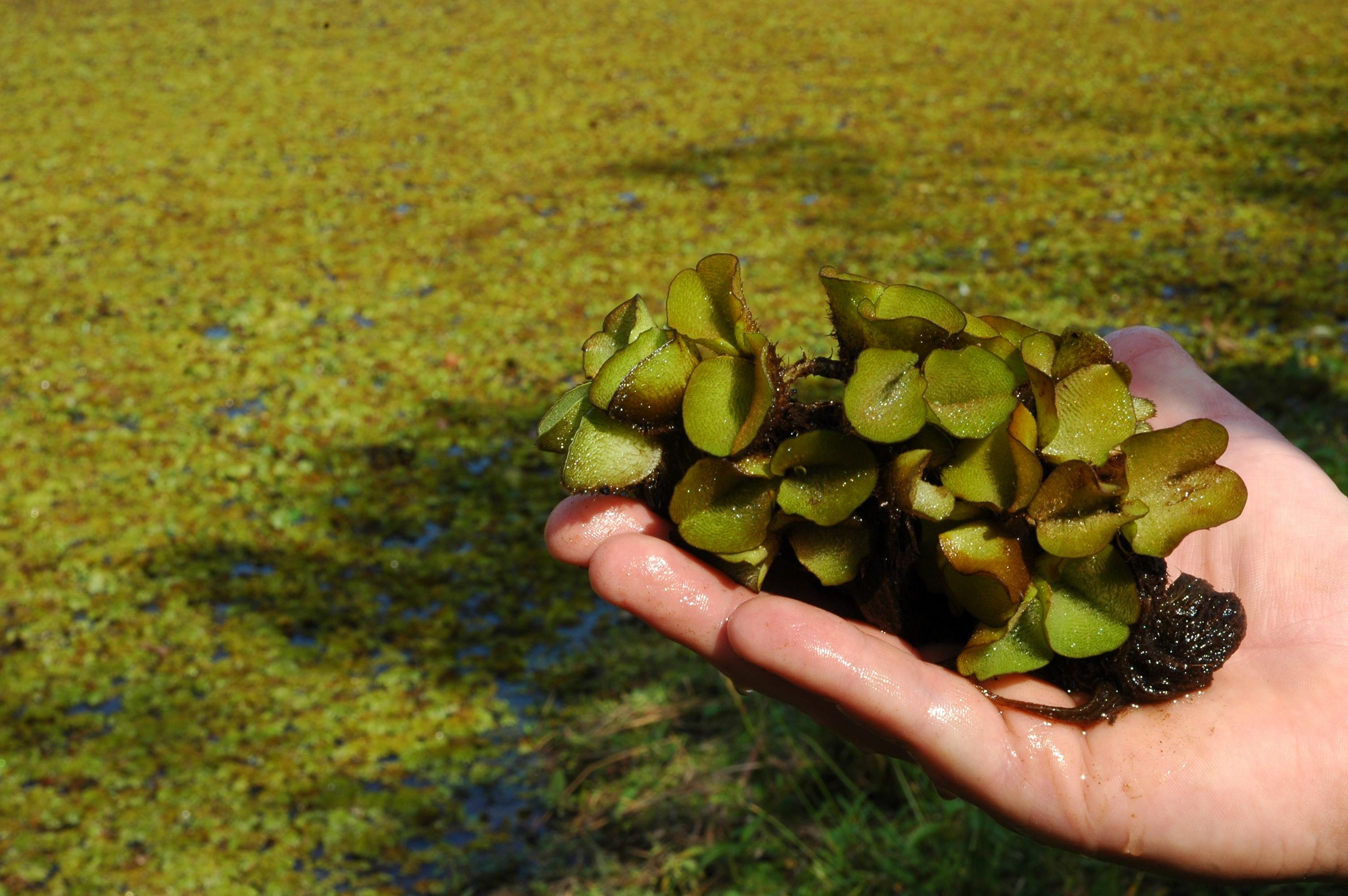
Giant Salvinia photo by Larry Hodge

Giant Salvinia photo by Larry Hodge


This is Passport to Texas

[Nats aquarium] Pet stores like Rivers and Reefs in Austin sell fish and plant species from all over the world.

10—Most of your Tetris species are from South America. Even your average gold-fish comes from China. Some of your Amazon sword plants obviously come from South America from the Amazon River.[ambience trails]

Manager Rachel Pohl says that’s why people should be careful not to dump their aquariums in rivers or lakes or even flush live fish down the toilet.

08—Some of these fish get into our rivers and start eating our fingerlings in our rivers, and it starts unbalancing the native population because they don’t have a predator here.

And it’s not just fish. Parks and Wildlife aquatic habitat biologist Howard Elder says the extremely invasive giant salvinia started out as a decorative aquarium plant… but it didn’t stay there.

09—Giant salvinia was found in a Houston school yard in 1998. It has since been found in 17 public reservoirs.

And it’s not pretty anymore.

10—The plant can produce dense mats that actually block out sunlight and displace native vegetation and fish species as well as many wildlife species.

So, enjoy your aquarium, but if you tire of it, don’t dump your fish and plants…check to see if a pet store will accept unwanted fish or at least tell you where you can take them.

The Wildlife and Sport Fish Restoration program supports our series… For Texas Parks and Wildlife…I’m Cecilia Nasti.
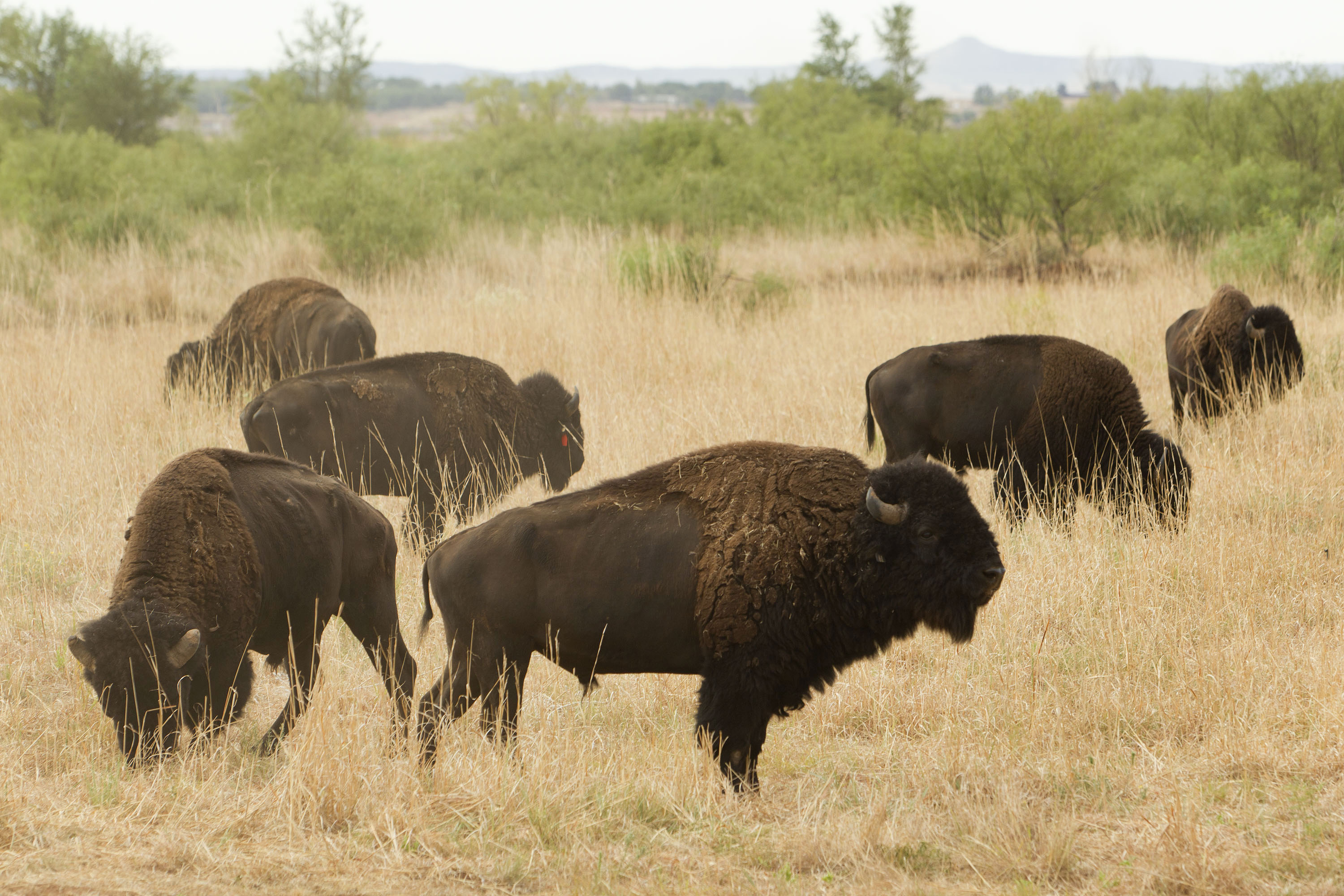
TPW TV: Caprock’s Bison Refuge

Thursday, January 10th, 2013

State Bison Herd


This is Passport to Texas

Legendary Texas rancher, Charles Goodnight helped preserve the last of the southern plains bison… the descendants of which are the Texas State Bison Herd at Caprock Canyons State Park.

Texas parks and Wildlife TV Producer Bruce Beirmann says expect a segment this month that explores the herd’s legacy and their new enclosure.

56—Just recently, the park opened up a whole other pasture so they now have a thousand acres to roam.

So, our goal is to expand their territory here in the park and have a unique experience to where you come in the park you are in the habitat with the bison.

The day they opened up the new pasture, I was at ground level looking into the gate where those bison were coming out. The experience of being at eye level with the bison as they’re charging towards you into this new pasture was just really awe inspiring.

These magnificent animals, the last remnants of the great southern plains bison…these animals belong to the state of Texas. They’re your animals. It’s a great opportunity to come view these animals –the last of their kind –as we do our best to expand their range and grow the herd.

You have to go see these bison. It’s the one place where you can still get right up to them [but you must remain in your vehicle] and experience it. It’s an experience you don’t want to miss.

Thanks, Bruce.

The show air the week of January 13

For Texas Parks and Wildlife…I’m Cecilia Nasti.

History: Butchering and Curing

Wednesday, January 9th, 2013

Heritage Breed Hogs, Barrington Living History Farm


This is Passport to Texas

They’re going whole hog at Barrington Living History Farm. On January 12 & 13 they’ll present a hog butchering and curing program to the public.

05—Butchering is just one part of many things that we do seasonally throughout the year.

Barb King is a park interpreter at the farm, located at Washington-on-the-Brazos SHS. The program takes place outdoors in January just as would have happened in 1850s rural Texas.

15—So, all the meat that will be produced, and the sausage and the fat that we will save for soap or cooking all needs to be at a constant temperature, which is cold—like your fridge. So that we can start the curing process without worrying about it spoiling.

The public will not witness staff dispatch the Ossabaw Island Hog: a heritage breed. After that, Barb says the rest is for public view, which is mostly a demonstration, but…

18—People are able to do a tiny bit if they choose—like helping us scrape the hogs. But cutting up the carcass into specific portions of meat is only done by staff. A lot of people come right at 10, and we normally have a big group waiting. And then on Sunday, we focus on more of the preservation aspect.

Visitors may return Sunday to see how staff cures the meat for storage.

The butchering and curing program at Barrington Living History Farm is January 12 & 13, beginning at 10 a.m. both days. Find complete details at texasstateparks.org.

For Texas Parks and Wildlife…I’m Cecilia Nasti.

History: Texas Farm Life 1850s

Tuesday, January 8th, 2013

Barrington Living History Farm, Image by Rob McCorkle

Barrington Living History Farm, Image by Rob McCorkle


This is Passport to Texas

Life in rural 1850s Texas wasn’t a charming, simple existence. Eating, for example, was an exercise in long-range planning.

11—One part of being a farmer, not only is growing what you’re going to need to eat today, or tomorrow or the day after. But you’re projecting ahead, maybe six months or a year.

Barb King is a park interpreter at Barrington Living History Farm SHS at Washington-on-the-Brazos. The farm belonged to Anson Jones, the last president of the Republic of Texas. Being president didn’t mean Jones was on easy-street.

23—Even for this family, which is upper middle class, they’re still worried about survival on a more intimate basis than we are. You know, just even getting hot water is a chore, not only in hauling, but then you have to heat it up. So, all the daily chores than we have today, and a lot more forethought—as well as just physical labor. Men, women and children—everybody’s working towards family survival.

Dispatching livestock and then curing the meat for use throughout the year was a chore that rural Texas families performed during cold months, because they lacked mechanical refrigeration. This month, visitors to Barrington Living History Farm have an opportunity to witness parts of that process.

02—We get a lot of interest in this event.

And if you’re interested, we’ll have details tomorrow.

For Texas Parks and Wildlife…I’m Cecilia Nasti.

State Parks: Texas Outdoor Family Grants

Monday, January 7th, 2013

Texas Outdoor Family Workshop

Texas Outdoor Family Workshop


This is Passport to Texas

Need guidance when it comes to spending time outdoors? The Texas Outdoor Family program can help.

23—And it basically just helps teach people how to camp, or remind them of the skills of pitching tents and building fires safely, and how to take their family outdoors. It’s something that we believe very strongly in here at Texas Parks and Wildlife.

Our state park guide Bryan Frazier says there are now ninety thousand additional reasons why the program is better than ever.

31—Texas Outdoor Families, through our interpretive services, here at Parks and Wildlife, received a ninety-thousand dollar grant from the National Outdoor industry Foundation. And that can actually parlay into a few hundred thousand dollars down the road. So, it’s a really important thing for lots of reasons. Not only does it recognize this program as significant, but it helps fund this program that state tax dollars now can be used in other ways. What it does, is it essentially allows us to stretch our budget. So, Kudos to our interpretive services and Texas Outdoor Families for getting this grant.

Thanks, Bryan.

That’s our show for today…with funding provided by Chevrolet, supporting outdoor recreation in Texas; because there’s life to be done.

For Texas Parks and Wildlife…I’m Cecilia Nasti.