Archive for the 'Regulations' Category

Hunting: HIP Certification

Tuesday, July 31st, 2012


This is Passport to Texas

If you plan on hunting migratory game birds in Texas this fall, you need to be HIP – HIP certified, that is. HIP stands for Harvest Information Program.

15—It’s purpose is to gain information on waterfowl and migratory bird hunters nationwide. Basically a name and address and a little bit about their previous year’s hunting activity—as well as what they plan on hunting what they plan on hunting in the upcoming year.

Kevin Kraai is Waterfowl Program Leader. He says the HIP program helps wildlife professionals improve resource management practices as well as track various waterfowl populations throughout the country.

05—It’s a very useful tool in setting the future year hunting regulations and management decisions.

Being a HIP certified waterfowl hunter isn’t just a good idea—it’s the law.

11—Officially it is a requirement by law that every individual that plans on hunting migratory birds in the state of Texas us HIP certified. If you are not HIP certified and you are hunting migratory game birds, you are subject to game violations.

We have a link to information about becoming HIP certified at passporttotexas.org.

The Wildlife and sport fish restoration program supports our series and is celebrating 75 years of funding diverse conservation projects throughout Texas…

For Texas Parks and Wildlife…I’m Cecilia Nasti.
Operation Game Thief

Thursday, January 28th, 2010

This is Passport to Texas

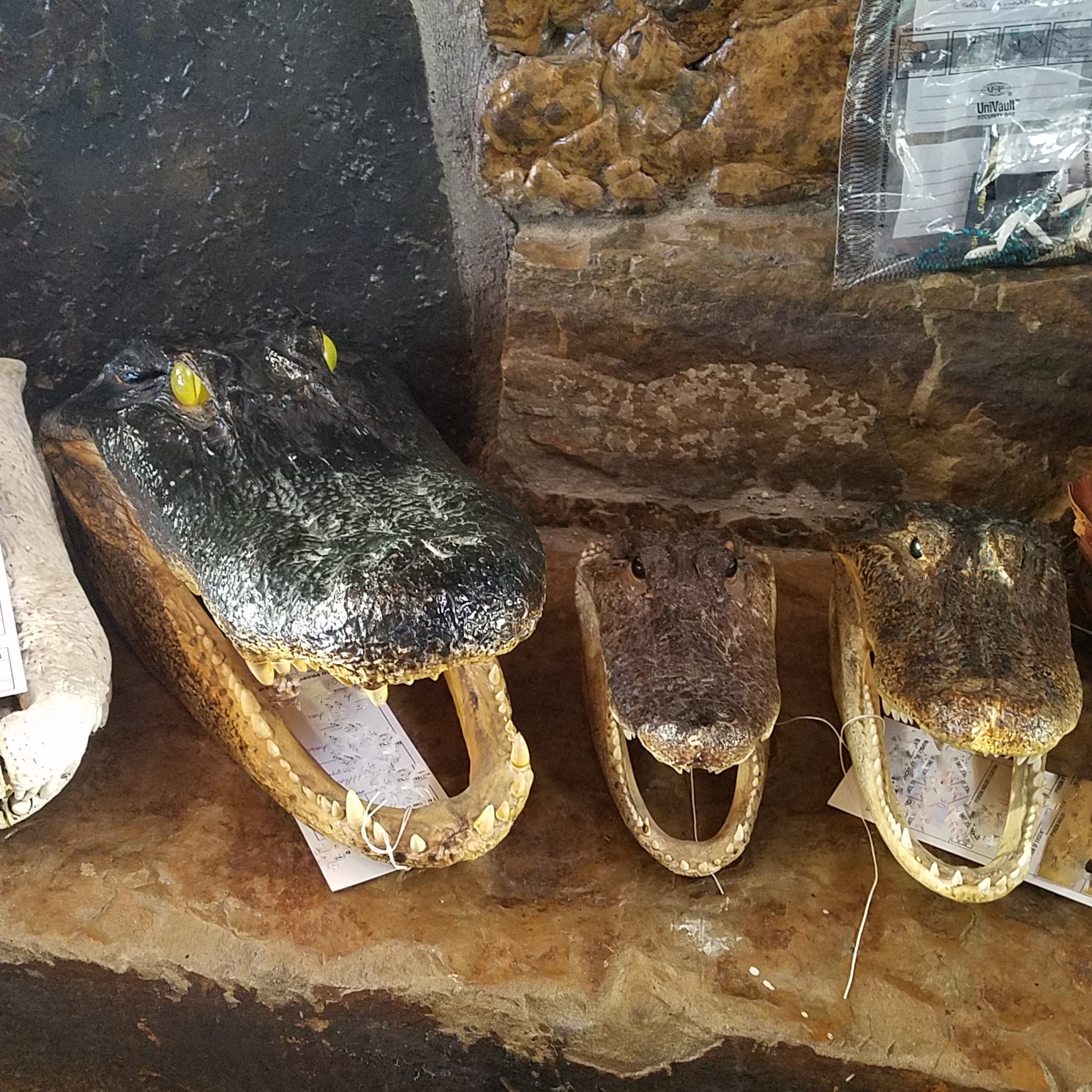
Since 1981, Operation Game Thief has been protecting Texas’ natural resources with the help of a nature-loving public that calls in with tips about law-breakers.

When our game wardens respond, and they can catch the individual, and make the arrest by citation—or physically take them to jail—upon their conviction, that individual can be eligible for a reward payment of us to one thousand dollars.

Eric Howard, Operation Game Thief program administrator, says most people who call the Crime Stoppers-like hotline aren’t interested in a reward.

It’s more just pride—love of Texas’ natural resources. When a person calls in, they’re asked, do they want a reward. About 60-65% will say no, they’re just calling in because they see something that they know isn’t right and they just want it stopped.

Game Warden Howard tells us about an incident this fall in which a man captured two hawks in Laredo and transported them to North Carolina. The case was still unfolding at the time of our interview.

Someone contacted the Operation Game Thief hotline number, and a Game Warden responded through a very lengthy investigation—not only through Texas Parks and Wildlife—but the USFWS, and NC Fish and game Service. It was determined that the person did not have a license, was not permitted to have the hawks and was not any kind of falconer.

And that made the trapping and transport illegal. Learn more about Operation Game Thief, and find the hotline number on the Texas parks and Wildlife website.

That’s our show… For Texas Parks and Wildlife…I’m Cecilia Nasti.
______________________________________________________

From the Operation Game Thief Website:

Poachers are stealing from you! Help stop to illegal hunting and fishing in Texas. If you have information which will assist game wardens in apprehending persons who are violating the hunting and fishing regulations of this state, Operation Game Thief needs your help!

Call immediately! Dial toll-free, 1-800-792-GAME (4263), any time, day or night and provide the following information to the Texas Parks and Wildlife police communications officer:

  • the nature of the violation
  • the location of the violation
  • the name and/or description of the violator
  • a description of any vehicle or boat involved in the violation
  • any other important information which will assist in apprehending the violator

If you wish to remain anonymous, a code number will be assigned to you. You do not have to give your name if you do not want to. The more information you can provide at the earliest opportunity will increase the probability of and arrest and conviction.

Report illegal hunting and fishing – call 1-800-792-GAME (4263).
“This information will not be used for any purpose other than to attempt to apprehend the offender being reported.”

“If this violation is currently in progress,
please call 800 792-4263 (GAME) immediately.”

It’s Cool to be HIP Certified

Wednesday, July 29th, 2009

Passport to Texas from Texas Parks and Wildlife and the Sport Fish and Wildlife Restoration Program

If you plan on hunting migratory game birds in Texas this fall, you need to be HIP – HIP certified, that is. HIP stands for Harvest Information Program.

Its purpose is to gain information on waterfowl and migratory bird hunters nationwide. Basically a name and address and a little bit about their previous year’s hunting activity—as well as what they plan on hunting what they plan on hunting in the upcoming year.

Kevin Kraai is Assistant Waterfowl Program Leader. He says the HIP program helps wildlife professionals improve resource management practices as well as track various waterfowl populations throughout the country.

It’s a very useful tool in setting the future year hunting regulations and management decisions.

Being a HIP certified waterfowl hunter isn’t just a good idea—it’s the law.

Officially, it is a requirement by law that every individual that plans on hunting migratory birds in the state of Texas us HIP certified. If you are not HIP certified and you are hunting migratory game birds, you are subject to game violations.

We have a link to information about becoming HIP certified at passporttotexas.org.

That’s our show for today…made possible by a grant from the Sport Fish and Wildlife Restoration Program…funded by your purchase of fishing and hunting equipment and motorboat fuel

For Texas Parks and Wildlife…I’m Cecilia Nasti.

Understanding Why Pet Fish Get Dumped

Thursday, July 16th, 2009

Passport to Texas from Texas Parks and Wildlife

How far would you travel to ensure the future of your favorite exotic aquarium fish?

We had some folks telling us that they would go as far as 50 miles to find an appropriate body of water.

You may think releasing your pet fish into Texas waters, when you can no longer care for it, is humane. Yet these exotic aquarium species disrupt natural ecosystems and out-compete native fish for resources.

Priscilla Weeks is a senior research scientist at the Houston Advanced Research Center, http://www.harc.edu/. Her team is using a Texas Parks and Wildlife grant to research why people release their fish into Texas waters.

I think there might be a stereotype where folks think that it is easy, emotionally, just to release a fish. But actually what we’re finding is folks are very attached to their pets.

Weeks says research shows whether a person gets rid of their fish depends on personal preference.

What we’re finding so far, but this is very preliminary, is that different individuals prefer different attributes of a fish. So it’s not necessarily that it grows too big in my tank because I may like a big fish.

…but if you don’t like big fish, you could have a problem. So what do you do?

Weeks says some people think releasing a fish is the only option, but, among the alternatives are euthanizing and the less drastic—taking it back to the pet store.

That’s our show…with research and writing help from Gretchen Mahan. For Texas Parks and Wildlife, I’m Cecilia Nasti.

Prescribed Burns, Part 1 of 2

Tuesday, February 26th, 2008

Passport to Texas from Texas Parks and Wildlife and the Wildlife Restoration Program

Fires can be very healthy for habitats

If you’re just getting started in prescribed burning, it’s a very valuable tool. It’s something that was one a way of maintaining the environments that we had.

David Synatzske is the manager of the Chaparral Wildlife Management Area. He says there are two main types of burns.

Basically, there are restoration fires where you are trying to restore habitats; where you’re trying to get back to what habitats were at one time. Then you have maintenance fires, fires that maintain the existing habitat.

Those fires are used to accomplished different goals.

People burn for different reasons. Some people burn to open country up, to control brush encroachment. Other goals might be to simply create a change in under story, to create more grass or to create more forbs.

There are different ways of conducting burns.

If you have a fairly open type of habitat and you only want to control the undergrowth, you may burn it with a backfire as opposed to a head fire.

The season the burn is conducted also has a dramatic impact on the results. More on that, tomorrow.

That’s our show…we had research and writing help from Kate Lipinski… providing funding for the operations and management of the Chaparral WMA.

For Texas Parks and Wildlife…I’m Cecilia Nasti.