Archive for 2014

Invasives: Aquarium Trade, 2

Wednesday, July 9th, 2014
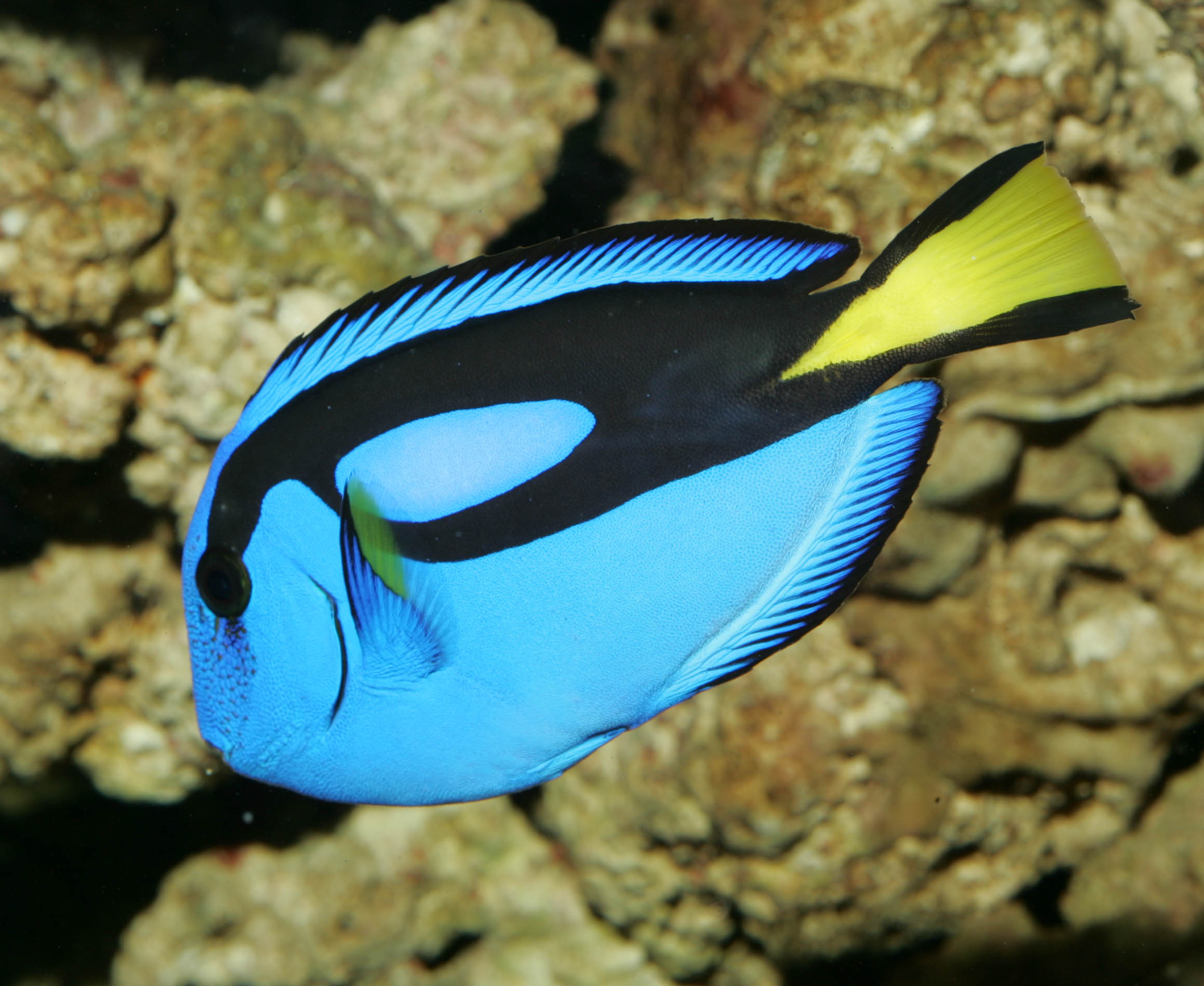
Fish at Sea Center Texas

Fish at Sea Center Texas


This is Passport to Texas

How far would you travel to ensure the future of your favorite exotic aquarium fish?

06—We had some folks telling us that they would go as far as 50 miles to find an appropriate body of water.

You may think releasing your pet fish into Texas waters, when you no longer want it or can care for it, is humane. Yet exotic aquaria species disrupt natural ecosystems and out-compete native fish for resources.

Priscilla Weeks is a senior research scientist at the Houston Advanced Research Center. Her team used a Texas Parks and Wildlife grant to research why people release their fish into Texas waters.

14—I think there might be a stereotype where folks think that it is easy, emotionally, just to release a fish. But actually what we’re finding is folks are very attached to their pets.

Research shows whether a person gets rid of their fish depends on personal preference like a fish’s behavioral or physical attributes. Weeks says oftentimes if those attributes change, so does the owners’ interest in the fish.

Weeks says some people think releasing a fish is the only option, but, among the alternatives are euthanizing it, and the less drastic: taking it back to the pet store.

The Wildlife and Sport Fish Restoration program supports our series and is funded by your purchase of fishing and hunting equipment and motor boat fuel.

For Texas Parks and Wildlife, I’m Cecilia Nasti.
Invasives: Aquarium Trade

Tuesday, July 8th, 2014

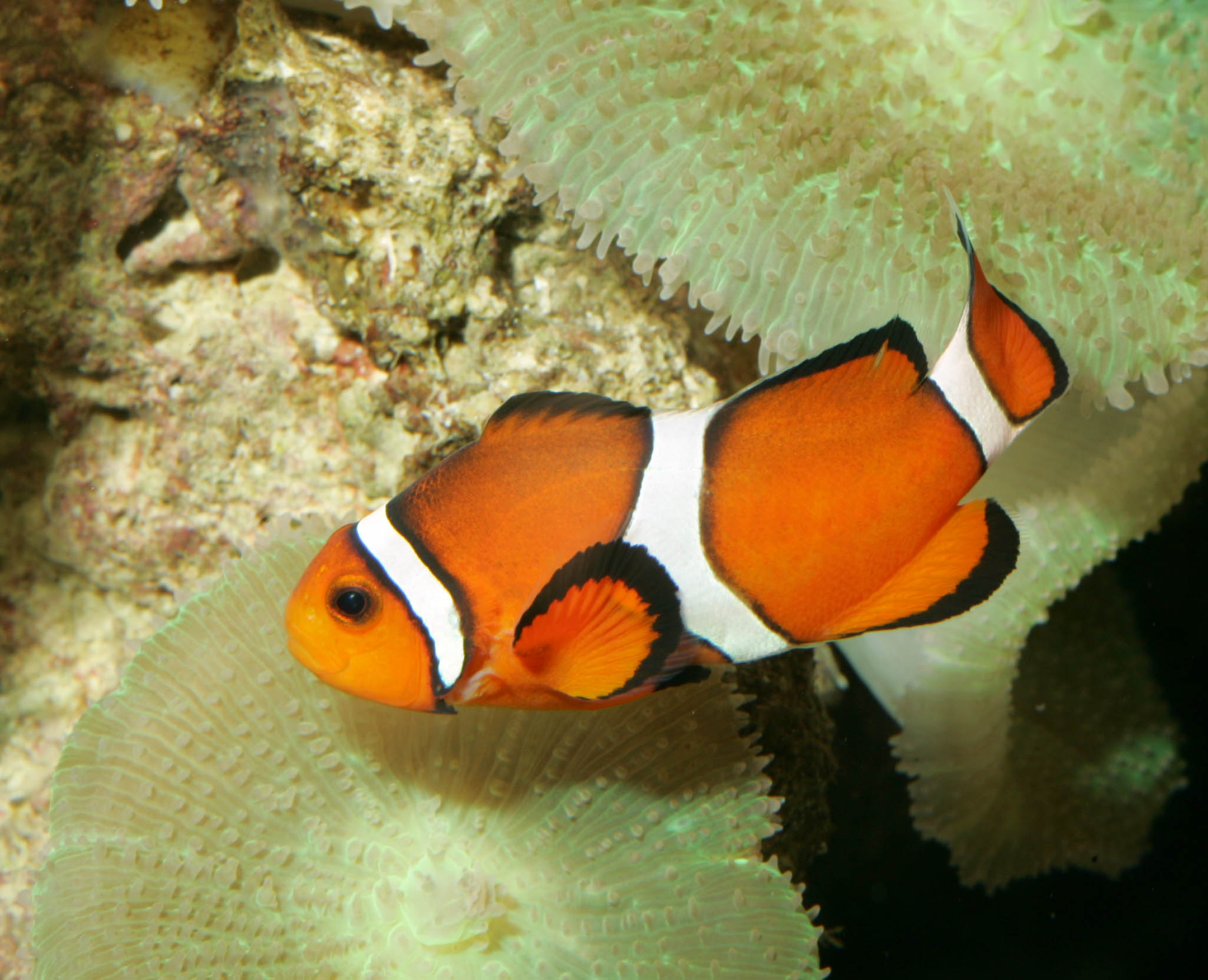
Aquarium fish

Aquarium fish


This is Passport to Texas

[Audio clip from Finding Nemo] 04—He’s gonna get out of here. He’s going to get flushed. What a smart little guy!

We love the scenario from the Pixar film Finding Nemo where a cute little aquarium fish escapes back into the wild. The problem is most of these captive species aren’t from Texas. Luci Cook-Hildreth is Texas Parks and Wildlife’s Inland Fisheries Division.

18—Even really smart people sometimes don’t understand that a fish is not just a fish and water is not just water. They go, “I have a creek in my backyard, and I have a fish that’s too big for my tank. Well, why don’t I just set him free?” And they don’t understand that there’s a lot of biological and ecological ramifications to that decision.

When these non-native fish thrive, they out-compete native Texas fish populations.

Cook-Hildreth says the internet makes buying exotic species of fish easy and practically impossible to regulate. Despite state laws, there seems to be a constant supply – and demand—for illegal species…and for good reason.

16—Folks that are interested in selling illegal fish have the potential to make thousands of dollars on these fish. And we can slap a fine on them, for $200 or $300 dollars; it’s really just the cost of doing business for these folks.

The Wildlife and Sport Fish Restorarion program supports our series… and receives funds from your purchase of fishing and hunting equipment and motor boat fuel.

For Texas Parks and Wildlife, I’m Cecilia Nasti.
TPW TV: Boat Builder

Monday, July 7th, 2014


This is Passport to Texas

Houston architect Skip Johnson builds boats for fun.

10—However elegant and beautiful a boat looks, it looks that much better in the water gliding out in front of you; that’s their function in life.

And the boats he builds achieve their destinies. During a TPW PBS TV segment this week, he shows off his skills.

09— I came up with the idea of a kind of a semi jet drive. All of the sail fru-fra is stuff I’ve added just to play around with here recently.

While Skip builds boats for fun, he puts some through their paces in competitions like the annual Texas Junior Safari.

03—The boat did real well. It just needs a better motor.

In the end, Skip Johnson says building boats and entering competitions isn’t about winning prizes…it’s about beauty.

06— Just my personal opinion, but anyone that looks at one of these boats and doesn’t see beauty in it doesn’t have a soul.

[ 16—Start Lyle Lovett song: If I had a Boat]

The Boat Builder segment airs the week of July 13 on the Texas Parks and Wildlife PBS TV series. Check your local listings.

The Wildlife and Sport Fish Restoration Program supports our series…For Texas Parks and Wildlife…I’m Cecilia Nasti.

TPW Magazine: “Upstream, Downstream”

Friday, July 4th, 2014

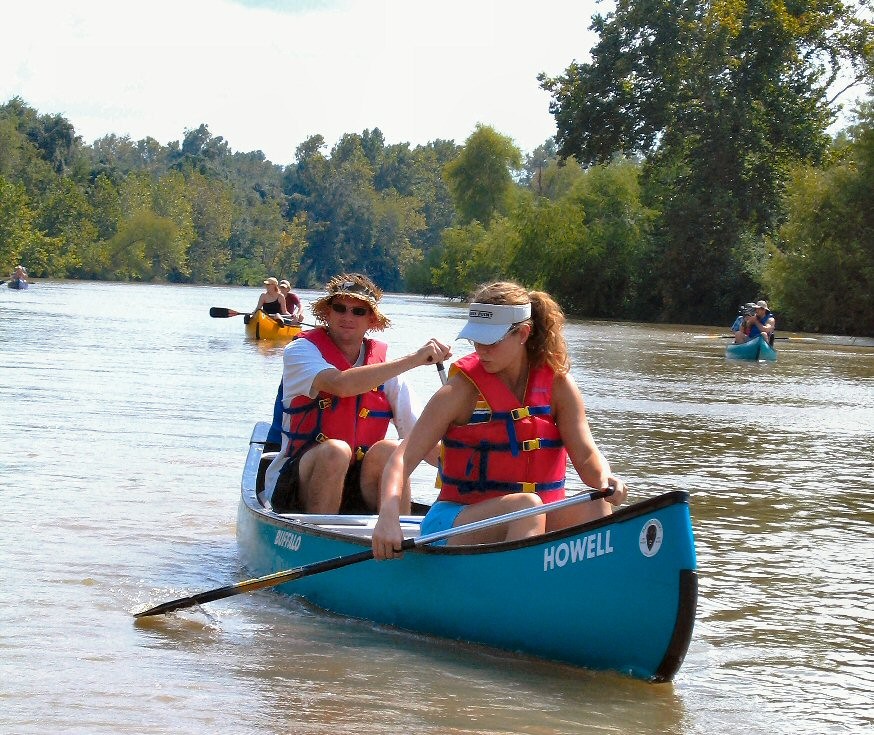
Canoe the Colorado River in Columbus (publicity photo by Tonya Britton)

Canoe the Colorado River in Columbus (publicity photo by Tonya Britton)


This is Passport to Texas

Continued drought and a growing population are taking their toll on the Colorado River. This important source of water for humans and wildlife stretches 600 miles from west Texas to the Gulf of Mexico.

11— The Colorado River is the lifeblood of the state of Texas because it runs right down the center [of the state]. It supports every single kind of Texan, [from] old cowboys and little fishes to everybody in-between.

In the July issue of TPW magazine, writer, Jenna Craig, provides an overview of the challenges regulatory agencies face regarding distribution of the resource among its users. She said, in the water game, no one emerges a winner.

18— We simply do not have enough water to meet everybody’s needs—and that is nobody’s fault. There is no way [so far] that anyone has [devised] a way to distribute the water to meet everyone’s needs that won’t be upsetting to somebody.

What we need is rain, and a lot of it, falling in recharge and runoff areas. Until then, personal responsibility must be part of the overall management strategy.

15—Conserve water. Think about what you’re doing. Think about the kind of plants you have in your yard [for example], and how often you water. Is watering your yard the most important thing you do with that resource? That’s a choice we make. [Remember: what you do] doesn’t just affect you and your yard. It affects everybody.

Find Jenna Craig’s article—Upstream, Downstream—in the July issue of Texas Parks and Wildlife magazine.

For Texas Parks and Wildlife, I’m Cecilia Nasti.
Parks: Sea Rim — Better than Before

Thursday, July 3rd, 2014

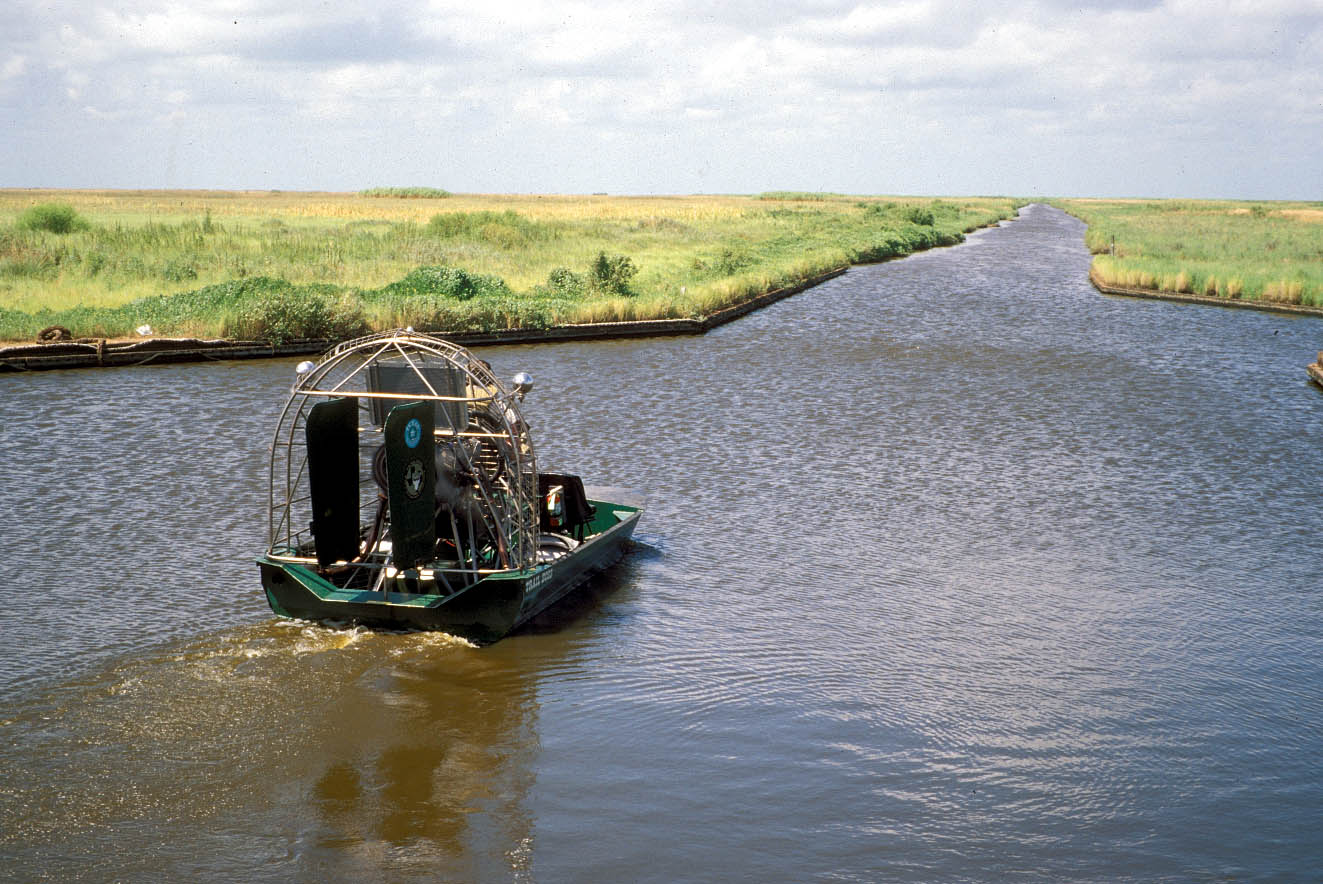
Air boat at Sea Rim

Air boat at Sea Rim


This is Passport to Texas

Hurricane Rita in 2005 and Ike in 2008 destroyed Sea Rim State Park in Sabine Pass.

06— You can kill the facilities, but what you can’t kill is the park, itself. Because the park, itself, is memories.

Ben Herman is Sea Rim’s superintendent. After years of planning and hard work, Sea Rim had a grand reopening June 20; it’s fully functional now, and ready for visitation.

08— That is something that is a proud moment for us, a true legacy for us as a park staff, because we get to have people come build those memories again.

Staff used lessons learned from the hurricanes – in conjunction with Dade County Florida Building Standards, which is ground zero for many Atlantic-spawned mega-storms – to guide their rebuilding efforts.

15— So, everything we put out here is built on Dade County standards and is able to withstand pretty severe weather. Of course, you know, Mother Nature is always going to have the upper hand on us, but we’re very confident that it will be able to stand up to most everything that’s thrown at us out here.

Sea Rim State Park offers RV and primitive beach camping, fishing, paddling trails, wildlife viewing. Oh, and don’t forget the breathtaking sunrises and sunsets.

13— We have from horizon to horizon sunsets and sunrises. And, man, they are beautiful – they light up the entire sky. And you can see them out here like you can’t see them any other place because there’s nothing to block them.

Make camping reservations online at the Texas Parks and Wildlife website.

For Texas Parks and Wildlife, I’m Cecilia Nasti.
