Archive for the 'Fishing' Category

Wildlife/Angling: Fish Genetics

Friday, January 3rd, 2014
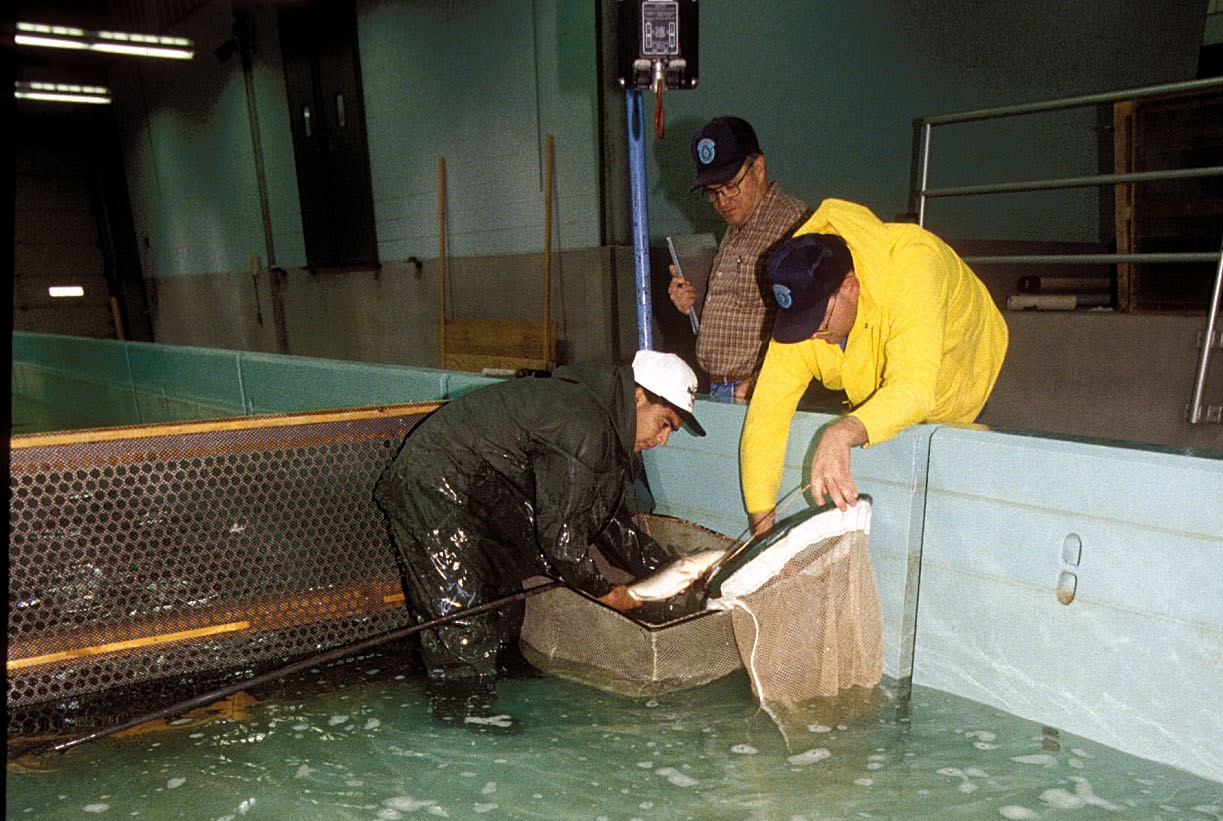
A.E. Wood Fish Hatchery

A.E. Wood Fish Hatchery


This is Passport to Texas

04—It’s definitely high tech, cutting edge…we’re really happy to have it.

Lorraine Fries is talking about a DNA Analyzer – a high tech piece of equipment used at the A.E. Wood laboratory in San Marcos. Ms. Fries was the site’s lab director before retiring. Researchers use the analyzer to “fingerprint” hatchery raised fish.

14—We also can use the DNA analyzer for selective breeding programs. We can identify markers associated with traits that we’re interested in and breed for those. We can use it to evaluate stocking success because we can tell what fish we stock.

They do that by simply analyzing a small piece of tissue from the animal.

10—One of the other really great things about DNA is that it’s in all tissues.

Which means by taking a very small piece of fin, for example, researchers obtain as much DNA as needed. Before the analyzer, Fries says they performed liver biopsies on the fish.

04—Which is okay, but the fish don’t like it too well. (laughter)

Understanding fish genetics allows fisheries biologists to improve fisheries.

The Sport Fish Restoration Program supports our series and funds fishery operations in Texas. For Texas Parks and Wildlife…I’m Cecilia Nasti.
Nature: Outdoor Resolutions for the New Year

Wednesday, January 1st, 2014

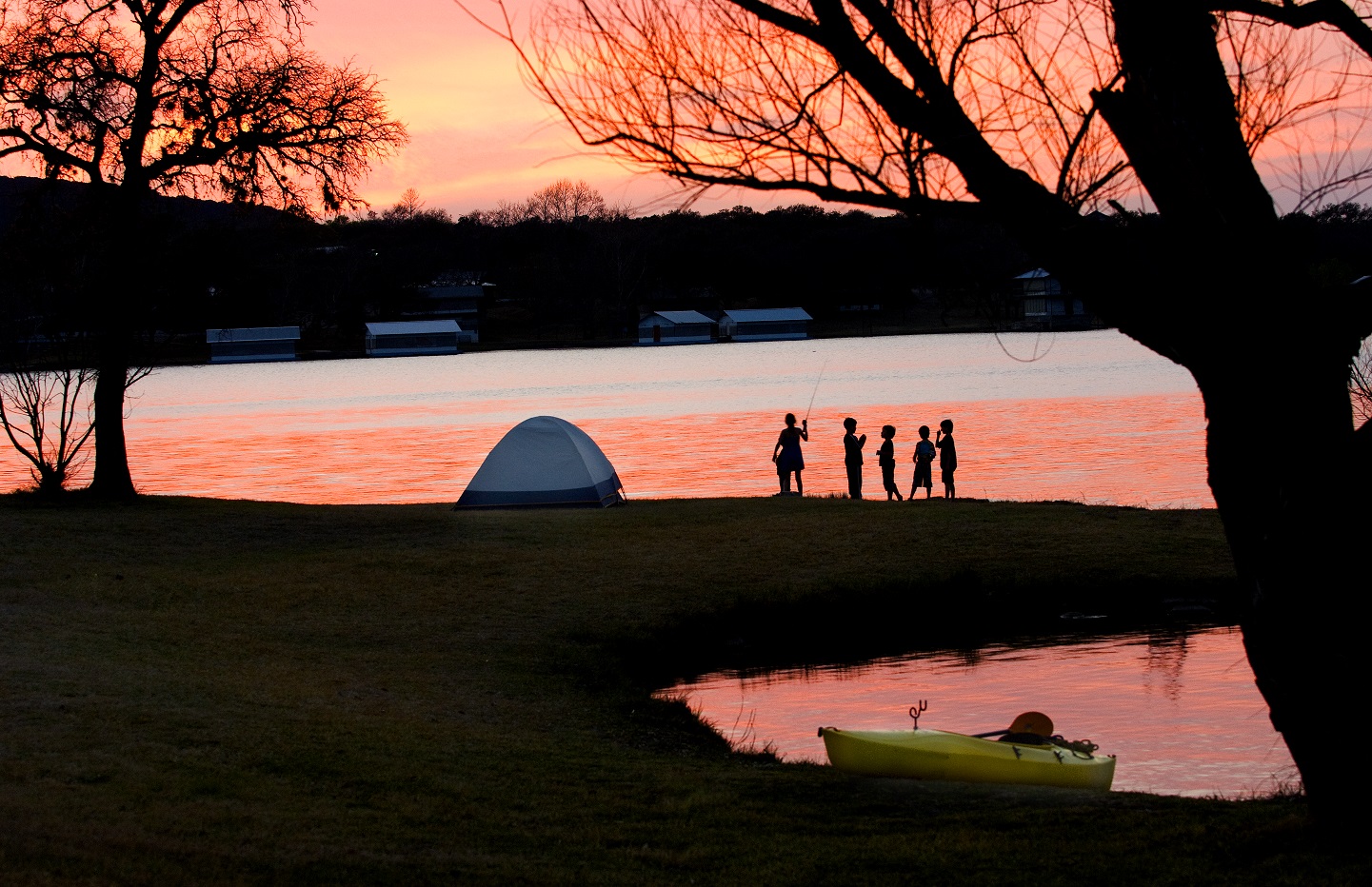
Camping at Inks Lake

Camping at Inks Lake


This is Passport to Texas

Don’t you love the start of a new year? It‘s totally fresh and filled with possibilities. So, take a few minutes to consider how you’re going to make this year better for you and your family.

One way would be to get outside more, because—as we like to say: life’s better outside.

Spending time in the natural world has a way of resetting the brain and giving you a fresh perspective. Researchers have discovered that children who spend time in nature do better on exams, and are less disruptive in the classroom.

Bring a pair of walking shoes to the office, and during your lunch hour, stroll outdoors in the fresh air. Even if you’re in a city, you can still observe the varied wildlife and plant life you see along the way. It’s amazing how much nature you can actually find in a concrete jungle.

Spend time with friends or family at one of our many state parks. Most folks are within 90 minutes of a state park or natural area; many are much closer. Take a nature hike, ride a bike. Pitch a tent and sleep under the stars, or find a park with cabins and rough it indoors.

Commit to learning something new about Texas history by visiting one of the state’s incredible historic sites.

There’s a world of wonder out there, and once you spend more time outdoors, you’ll wonder why you didn’t do it sooner.

That’s our show…Funding provided in part by Ram Trucks. Guts. Glory. Ram…For Texas Parks and Wildlife…I’m Cecilia Nasti

Fishing: A New Year Resolution for Anglers

Tuesday, December 31st, 2013

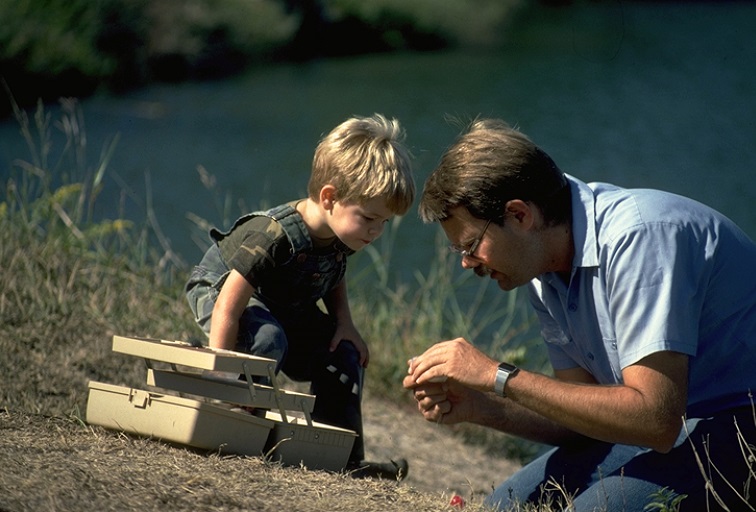
Resolve to take a child fishing in 2014

Resolve to take a child fishing in 2014


This is passport to Texas

We’re on the threshold of 2014, a time when a lot of us make resolutions to do better and be better in the New Year. If you’re wondering what to resolve this year—we have a suggestion:

09—Today we have so many things competing for our time, and fishing can be such a wonderful activity…resolve to take a child fishing.

Gary Saul is Director of Inland fisheries. He says while grownups take kids fishing to stir their imaginations—we get just as much satisfaction from the experience.

14—When a child catches a fish…to watch them reel it in…to pick it up and to look at you and then get excited about when are we going fishing again… it’s great fun.

And if you’ve resolved to remain faithful to a budget in 2014, you’ll be glad to know it’s free to fish in state parks. Some locations even have a tackle loaner program. So resolve to take your kids fishing soon—a good time will be had by all.

15–Woo…you’ve got a bass.

Whoa…that’s bigger than mine…I think.

Did ya get him in? Woo, okay.

Get a catfish?

No, it’s a bass.

Whoa…my dad gonna be happy.

Our show is made possible with a grant from the Sport Fish Restoration Program…working to increase fishing, and boating opportunities in Texas.

For Texas Parks and Wildlife…Cecilia Nasti

Nature: Crawdads — the Gateway Species

Monday, December 30th, 2013

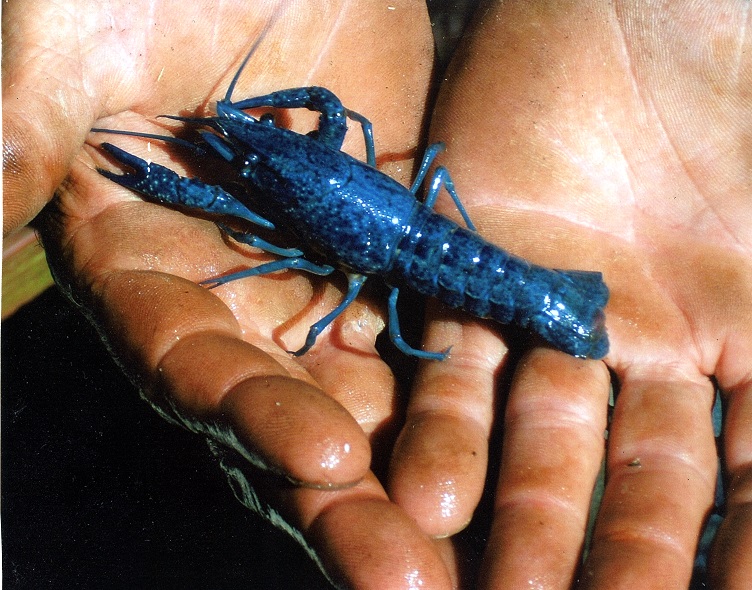
Blue Crawdad

Blue Crawdad


This is Passport to Texas

It all starts with the first catch…

08—Kids don’t start with large mouth bass, they start with crawdads. This is what I call a gateway species; it leads to greater nature appreciation in adults.

…but first, you have to go out to get one. Nathan Johnson is coauthor of the field guide, Texas Crawdads. He’s worried kids today spend too much time indoors and are missing out on the fun of nature. A lifetime creek adventurer himself, catching crawdads seems the perfect way to open kids’ doors to the outside.

16—It’s more than just catching crawdads. They’re going out there and their adventuring. It’s discovery. When I was a kid, the geography of my life was defined by which creeks and woods were within bicycling distance of my house. We’d considered those creeks our creeks and our woods and we’d explore.

And taking that sense of ownership a step further; he’s encouraged young folks to contribute to conservation efforts as well.

17—I talk to cub scouts and I tell them: you can make a difference, you can begin to record the crawfish of your state so that you can increase the awareness and the knowledge and the biodiversity. The work you do is just as important as the work that state biologist does with their inventories. All we gotta do is put it in their hands and say go.

Leave a comment with your crawdad catching adventures at passporttotexas.org.

That’s our show… For Texas Parks and Wildlife…I’m Cecilia Nasti.
TPW Magazine/Invasives: Eating Lionfish

Friday, December 20th, 2013

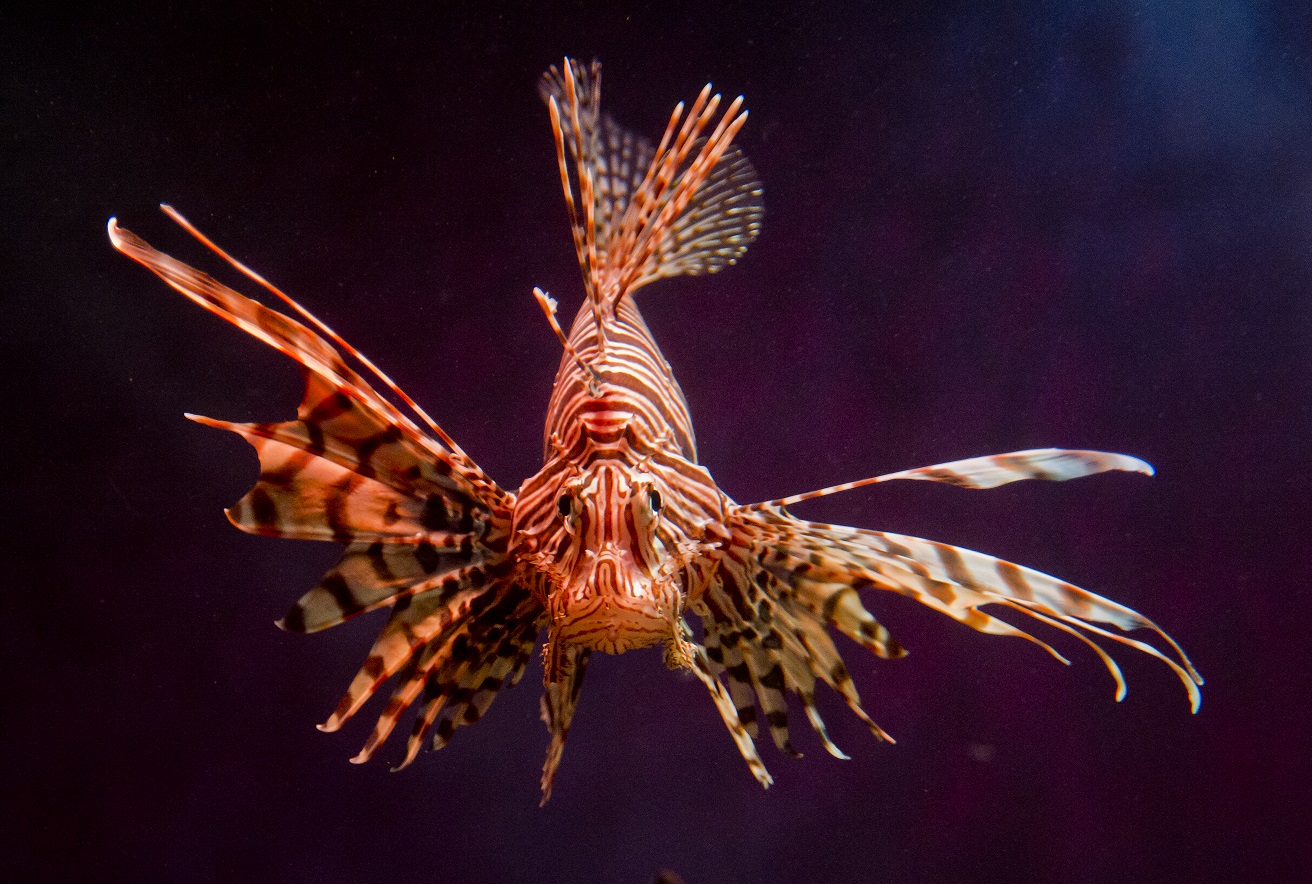
Lionfish, photo by CHASE FOUNTAIN TPWD 2013

Lionfish, photo by CHASE FOUNTAIN TPWD 2013


This is Passport to Texas

Popular among saltwater aquarium enthusiasts, the beautiful and venomous Lionfish – native to reefs in the South Pacific –ended up in South Atlantic waters where no predators exist.

06—Mainly nothing eats them because their coloring and their appearance says ‘danger’ to other animals.

Melissa Gaskill is a science and travel writer living in Austin. Considered invasive, Lionfish – known as voracious eaters and prolific breeders—outcompete and eat native gulf species. Gaskill says it’s time humans make short work – and dinner—of Lionfish.

08—This is one of the few fish where authorities encourage you to catch and eat as many as you can. There’s no limit; the more the better.

Florida holds Lionfish derbies where people remove the fish in bulk from gulf waters. Gaskill says if you bring one to shore, steer clear of the venomous fin tips. She says if you want to eat lionfish without the risk…

21— Well, the easiest way is to get a commercial fishery going and order it in a restaurant. And I think that will eventually happen – and it’s delicious, so that will be a good thing. In the meantime, certainly most of the derbies people spearfish; and actually lionfish are really easy to spearfish because they don’t dart away. You know, they’re top of the food chain type behavior and they just sort of sit there looking at you saying like, ‘Yeah. Bring it on.’

Melissa Gaskill’s article on lionfish appears in the December issue of Texas Parks and Wildlife magazine.

For Texas Parks and Wildlife…I’m Cecilia Nasti.