Archive for the 'Shows' Category

TPW TV: Birding Basics

Friday, September 4th, 2015


This is Passport to Texas

Birdwatching continues to grow in popularity in Texas.

07—Texas is a good place to start birding, because there are more species of birds documented in the state of Texas than any other state in the country.

Texas Parks and Wildlife ornithologist, Cliff Shackelford appears on a segment of the Texas Parks and Wildlife PBS TV series next week along with avid teen birder, Jesse Huth. Together they offer tips on birding basics. Like how to use binoculars.

09— If you spot a bird, what you want to do is look right at the bird, and bring the binoculars right up to our eyes while you’re still looking at the bird. And the bird should be right in that field of view.

If you want to do more than just casually look at birds, you’ll need a field guide. And it may surprise you to know most birders prefer guides with paintings rather than photos of the birds. Cliff Shackelford.

08—Paintings are a lot better, because the artist does a lot of homework trying to get the one images to be the fitting image for the bird.

Texas Parks and Wildlife Nature Tourism director, Shelly Plante is also in the segment, reminding folks of the trail maps available to find birding hot spots.

07— People can buy these maps for the region in Texas they’re going to visit, or tht they live in, and they can go see hundreds of birding hot spots throughout the region.

Watch the birding basics segment on the Texas Parks and Wildlife PBS TV series next week. Check your local listings.

That’s our show…Funding provided in part by Ram Trucks. Guts. Glory. Ram

For Texas Parks and Wildlife, I’m Cecilia Nasti.
What You Need to Know to Hunt Dove

Wednesday, September 2nd, 2015
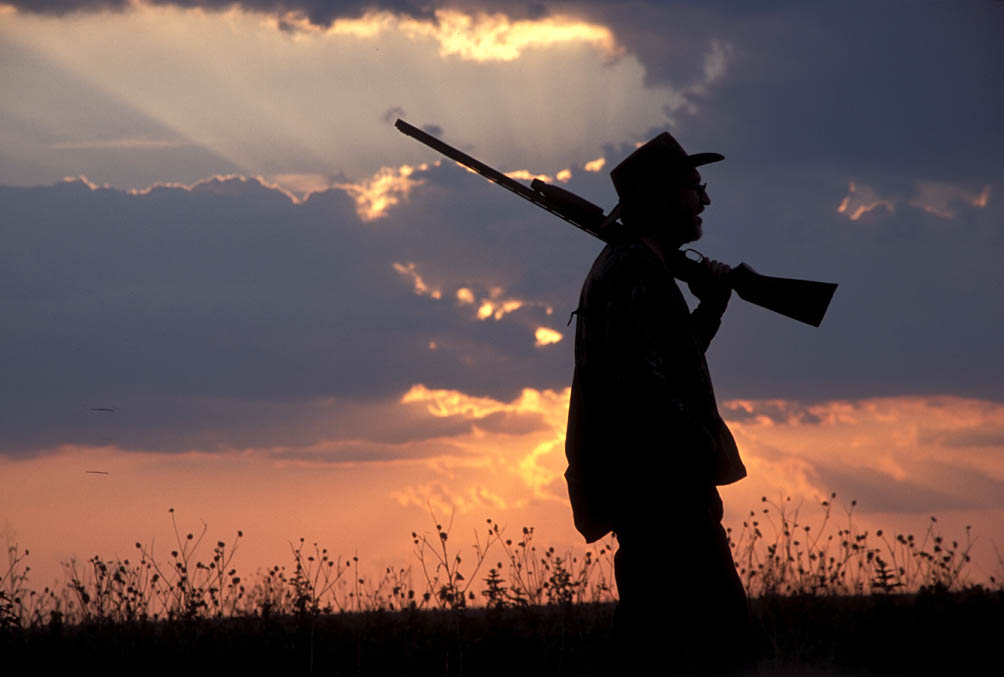
In the field, ready to hunt dove.

In the field, ready to hunt dove.


This is Passport to Texas

Dove season got underway yesterday in the north and central zones. Unlike hunting other game where one or two people sit quietly in a stand or blind, dove hunting is social.

12— Yeah. And one of the big traditions that we do see in Texas is family and friends getting together for the opening of dove season. It seems to be a very popular thing to do around Texas. And you can talk and have conversations while you’re dove hunting.

Biologist Shaun Oldenburger says whether you hunt solo or with a crowd, first get your ducks in a row, so to speak.

22—Make sure – obviously – you have your right hunting license. You are going to need a migratory game bird stamp – a Texas stamp. And you’re also going to have to go and get HIP certified before you go dove hunting or you go hunt any other migratory game bird in the state of Texas. A lot of times September first approaches us pretty quick; we just want to make sure folks get the right licenses before they head into the field, and to also go out and actually practice with a shotgun before September first.

The season opens in the south zone September 18.

08— Per Fish and Wildlife Service regulations, the season will be 70 days this year. And the bag limit will be 15, which includes both mourning doves and white-winged doves.

Find complete dove season information on the Texas Parks and Wildlife website.

The Wildlife and Sport Fish Restoration Program supports our series. Through your purchases of hunting and fishing equipment, and motorboat fuels, over 40 million dollars in conservation efforts are funded in Texas each year.

For Texas Parks and Wildlife, I’m Cecilia Nasti.
Dove Season 2015

Tuesday, September 1st, 2015
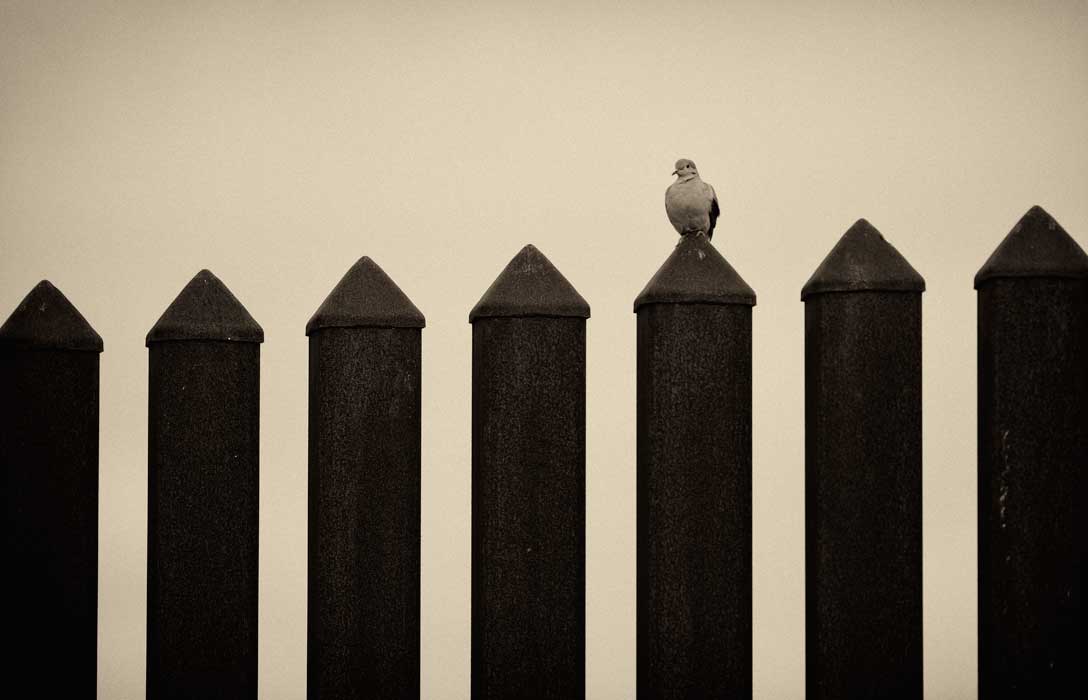
A mourning dove sits atop the iron posts of the Texas-Mexico border fence near Brownsville, tX

Mourning dove sits on iron posts of the Texas-Mexico border fence near Brownsville, TX


This is Passport to Texas

Thanks to ample spring rains across the state, dove hunters can expect excellent opportunities in the field.

05— We got a lot more precipitation around the state, so we’re looking really good on the landscape.

Biologist Shaun Oldenburger says the season, which begins today in the north and central zones, includes mourning and white-winged dove—but don’t expect to hunt them in the same place.

08—With white-winged dove, over 90% of our white-winged doves now in the state of Texas do breed in suburban or urban locations compared to most of our mourning doves which tend to be more rural.

For white-winged dove, consider setting up in grain fields and pastures nearby urban and suburban areas…

15— …that may have good croton, or sunflower crops and then vetch, pigweed – stuff like that. For mourning dove, we look for perching habitat, we look for water and we look for food. And if you have a combination of those things, you usually can have a fairly decent hunt in those types of locations.

Find more information about dove season on the Texas Parks and Wildlife website. And if you go to our YouTube channel, you’ll find a tasty recipe for cooking up the dove you harvest.

The Wildlife and Sport Fish Restoration Program supports our series. Through your purchases of hunting and fishing equipment, and motorboat fuels, over 40 million dollars in conservation efforts are funded in Texas each year.

For Texas Parks and Wildlife, I’m Cecilia Nasti.
We All Have a Coastal Connection

Monday, August 31st, 2015
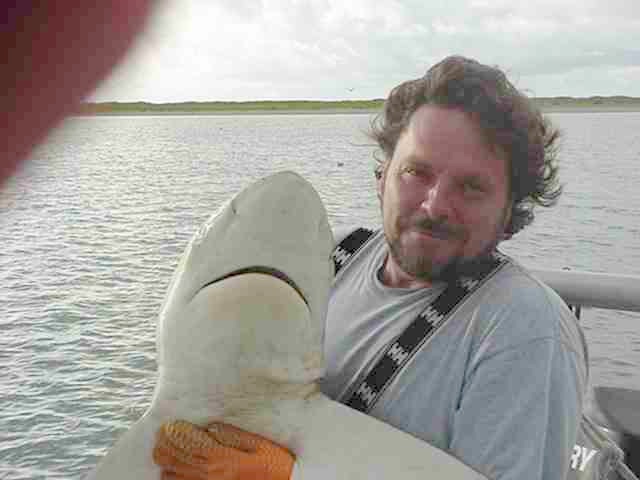
Bill Balboa (and friend), Texas Sea Grant

Bill Balboa (and friend), Texas Sea Grant


This is Passport to Texas

I’ve always thought of Texas as a state with a coast. But Bill Balboa says it’s really a coastal state. And he’s making sure the next generation knows this.

13- I’m trying to bring coastal education inland so kids that don’t get a chance to get down there a lot learn some things about the Texas coast and maybe become better stewards of the environment here.

Balboa is the Matagorda County Marine Extension Agent. He says when we view Texas as a coastal state we recognize that our actions affect the Gulf no matter how
far inland we live. We spoke when he was in Austin to speak to a group of young people at the main library. He said his talks involve show and tell.

27- I talk to them about freshwater gradient, the different kinds of fish, invasive species. I bring sharks. And so, I just talk to them about the diversity that’s there on the Texas coast, and why it is important to be good stewards and for freshwater to make it down to the coast as well. I want to back up. You bring sharks? You know, I work with some of my parks and Wildlife folks–that I used to work with–and I bring some sharks that were caught in sampling, and I bring a lot of other fish. And it makes a lasting impression.

Bill Balboa did say the sharks and other gulf creatures he brings to his talks are not alive; they’re frozen. Sort of like fish sticks–but really–nothing like fish sticks.

Find links to information about the Gulf and the creatures that live in it at passporttotexas.org.

The Sport Fish Restoration program supports our series.

For Texas Parks and Wildlife, I’m Cecilia Nasti.
TPW TV: The Plant Guy, Jason Singhurst

Friday, August 28th, 2015
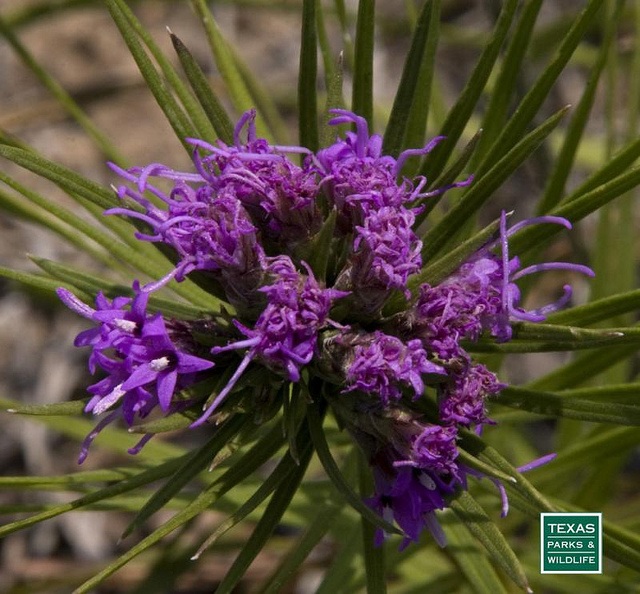
Gayfeather

Gayfeather


This is Passport to Texas

Jason Singhurst is a man outstanding in his field. In fact, he stands in lots of fields…and prairies. He’s a botanist with Texas Parks and Wildlife.

04-That is a Blazing Star of Kansas Gayfeather.

Jason is responsible for creating and updating the rare plant community list for the Texas conservation action plan.

03-[The] gamma grass–they’re in flower right now.

Jason has published over 90 articles on the plants of Texas, and has produced the largest data set on native prairies in America. He also works closely with
volunteers, like Katie Emde with the Native Plant Society of Houston.

10-It’s such a treat to go out with Jason in the field, because he knows so much; he’s so eager to teach and share his knowledge. And, it’s so much fun when he gets excited about plants.

Jason Singhurst has added to herbariums in Texas, won awards, and co-authored a book on rare Texas plants. But what give him the most pride?

07-Well, I think the one thing I’m most proud of is discoveries. I’ve actually found species that have never been described and have been able to publish on them. It makes me very happy.

Get to know more about Jason Singhurst and his work next week on a segment of the Texas Parks and Wildlife PBS TV show. Check local listings.

For Texas Parks and Wildlife, I’m Cecilia Nasti.
