Archive for the 'SFWR' Category

Angling: The Sharelunker Program

Tuesday, April 2nd, 2013

Johnny Spruiell of Iowa, Cody Talley, © Texas Parks and Wildlife Department

Johnny Spruiell of Iowa caught ShareLunker 546 , Cody Talley, © Texas Parks and Wildlife Department


This is Passport to Texas

Anglers know they can find big bass in Texas.

06—We have more big bass caught in Texas than anywhere I know of. I’m talking about anywhere in the United States or anywhere in the world.

From its inception in 1986, until he retired from Parks and Wildlife in 2012, David Campbell coordinated the bass spawning program at Parks and Wildlife, called the Toyota ShareLunker program.

17—I know there’s been some bigger fish caught in California, Florida—but it’s the numbers of big fish. And the anglers can go to almost any reservoir in the state of Texas and have the potential of catching a thirteen pound plus large-mouth bass. I don’t think that Anyone else can come close to that.

Anglers who reel in largemouth bass weighing 13-pounds or more are encouraged to donate their catch to the ShareLunker program. The donated bass enter into a spawning program, with the hope of creating faster growing, bigger bass.

11—We’ve had somewhere in the neighborhood of three quarter of a million fry from the sharelunkers through the years. We only had one year last year. We’ve had some years we didn’t have any spawn. Then some years we might have five, six or seven spawn.

The challenges of breeding bass in captivity…that’s tomorrow.

That’s our show for today…with support fro the Sport Fish Restoration Program…providing funding for the Texas Freshwater Fisheries Center in Athens…

For Texas Parks and Wildlife…I’m Cecilia Nasti.
Conservation: Urban Life / Rural Impact

Thursday, March 14th, 2013

Austin watershed, Artwork Virginia Vaughan, vaughan.com

Austin watershed, Artwork Virginia Vaughan, vaughan.com


This is Passport to Texas

Most urbanites don’t realize they reside in watersheds; they’re also unaware the vitality of these natural drainage systems affects their quality of life, and that their behavior inside the concrete jungle influences the natural world beyond it. How do we raise collective awareness?

04— One thing we’re doing is trying to get them out of those urban areas and on to the countryside to go enjoy it.

Dr. Gary Garrett is state director of the watershed conservation program for Texas Parks and Wildlife. He says engaging nature leads to understanding and protecting it.

05— If you can use it, you support it; that’s just human nature. If you don’t use it, you’re not very interested in it.

While Dr. Garrett’s work involves guiding landowners through proper land management practices – which affects water runoff, absorption, quality and quality – he says educating cities and their citizens about their role in protecting watersheds is critical.

21— That clean, abundant water that we all want takes work. I’d love to see cities fully embrace that, and actually invest in those upstream areas – for their own good – to help us preserve those…
and to keep those solid clean flowing waters, and solid good environments available to use…and always there for your benefit.

Learn more about watersheds when you log onto the Texas Parks and Wildlife website.

The Wildlife and Sport Fish Restoration Program supports our series and funds conservation projects in Texas.

For Texas Parks and Wildlife…I’m Cecilia Nasti.

Angling: Sport Fish Restoration Program,2

Thursday, February 28th, 2013

Sport Fish Restoration Monies

Sport Fish Restoration Monies


This is Passport to Texas

The Federal Sport Fish Restoration program—funded by your purchase of fishing equipment and motor boat fuel—funds a variety of conservation projects in Texas. Last year Texas Parks and Wildlife received $17.4-million from the program.

11—That funding went to support sport fisheries management, sport fish stocking in Texas waters, fish habitat conservation, enhancement and restoration efforts, and aquatic education.

Timothy Birdsong coordinates the Sport Fish program for Parks and Wildlife.

08 – Fifteen percent of that program is used to perform improvement to boat ramps and other boating access facilities around the state.

Birdsong says this is a successful conservation model—a user pay, user benefit program.

24 – The taxes that you contribute as anglers, and as boaters, to this pot of money, is used to improve the resource for you…to provide additional opportunities…provide additional access to these waters. So, it is vital that we continue to have the support of the anglers and the boating community to be able to maintain the program at the level that it is currently.

See how Parks and Wildlife spends these funds when you visit the Texas Parks and Wildlife website.

That’s our show… with support from the Sport Fish restoration Program…funded by your purchase of fishing equipment and motor boat fuel.

For Texas Parks and Wildlife…I’m Cecilia Nasti.
Angling: Using the Fishing Forecast

Thursday, January 24th, 2013

Neighborhood Fishing

Neighborhood Fishing


This is Passport to Texas

Texas Parks and Wildlife magazine’s February digital fishing special offers freshwater and saltwater fishing forecasts compiled by Steve Lightfoot.

07— You won’t catch anything if you don’t go. The only way you can determine for certain that you will or will not catch anything is by casting a line.

Lightfoot, a wildlife & fisheries information specialist, used input from fisheries biologists to craft the forecast. He said for the best success — you can’t go wrong with rainbow trout.

16— Our community fishing lakes and some of the other hot spots around the state that we stock in winter with rainbow trout, offer a wonderful opportunity to take novices out… children… families…. These fish are stocked with the purpose and intent for people to go catch them, take them home, and eat them.

Lightfoot recommends using the fishing forecast as a planning guide…especially for coastal angling.

22— If you’re planning a trip to the coast, you want to make sure that you’ve got as much information as you can so that you can prepare for what species are most abundant. For example, our biologists are seeing a lot of black drum, a lot of sand trout showing up in our bay systems. So, these are overlooked species
that anglers should possibly try and target if they’re planning a trip to the coast.

Find the forecast in Texas Parks and Wildlife magazine’s digital fishing special online this month at tpwmagazine.com.

The Wildlife and Sport Fish Restoration program supports our series…and funds rainbow trout stocking in Texas… For Texas Parks and Wildlife…I’m Cecilia Nasti.
Angling: Fishing Forecast 2013

Wednesday, January 23rd, 2013

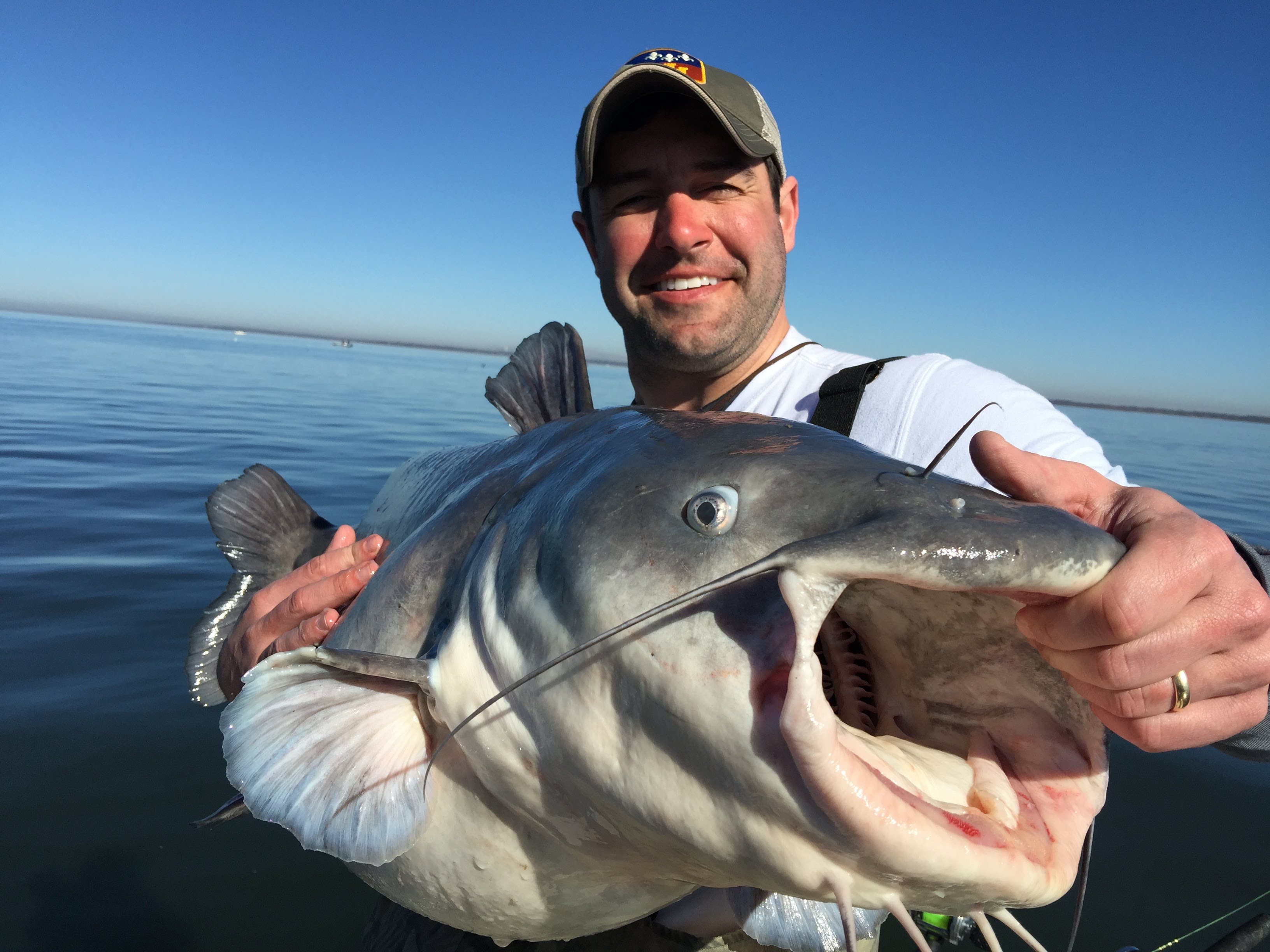
Largemouth Bass

Largemouth Bass


This is Passport to Texas

Anglers may not have a crystal ball to tell them where the best fishing is, but they have the next best thing.

02—Our fisheries biologists are a great deal of help.

Steve Lightfoot is a wildlife & fisheries information specialist with Parks and Wildlife; his article on the late winter/early spring fishing forecast appears in TPW magazine’s February digital fishing issue. He says fisheries biologists assess three areas when making their predictions.

29— One are the creel surveys they conduct at boat launches and around fishing areas where they talk to anglers and ask them what their catches were. The other is their own surveys, using mostly gill netting and other nets that they collect out in the water. They identify the fish and they go through algorithms and so forth, and come up something called a biomass. And a biomass is how healthy the fish populations [are] and what types of fish are at each lake.
The third element is their knowledge and experience. Most of these guys are anglers, too, so they have some input as well.

Lightfoot adds there’s good news for anglers.

10— The good news is most of our fish populations are in healthy condition. There are over a hundred lakes where you can go out and expect to have a reasonably good opportunity to catch a variety of different species.

But you’ll never know unless you go. How to use the fishing forecast to your best advantage on tomorrow’s show.

The Wildlife and Sport Fish Restoration program supports our series… For Texas Parks and Wildlife…I’m Cecilia Nasti.