Plants for Pollinators

March 23rd, 2017
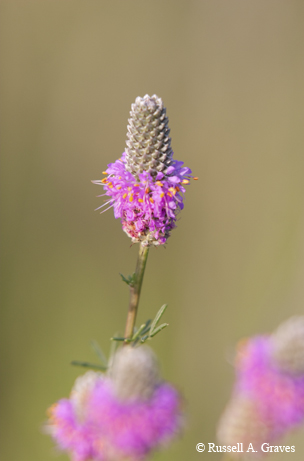
Prairie Clover. Image: Russell Graves

Prairie Clover. Image: Russell Graves

This is Passport to Texas

It’s springtime, and a perfect time for planting a garden for pollinators like bees, butterflies and birds.

Even a few native flowering plants will draw a multitude of winged wildlife to your yard. Monarchs and other butterflies, bees, and even hummingbirds swarmed the few flowering plants I installed in my side yard last year.

What a thrill it was to come up the driveway each evening after work to a battalion of butterflies flitting through my garden.

This month I’m going install plants that will bloom from spring to fall, and thrive in the dry clay soil and sunny location I have in mind. These plants include: the Pasque flower, which is a perennial that gets about a foot tall, forms clumps, and blooms in April.

The Pale purple coneflower, which is a 2 to 3 foot tall perennial, and one of the earliest-blooming coneflower species.

Purple prairie clover is a care-free perennial I’m considering. A midsummer-bloomer, it attracts insects like mad. And it’s one to 2 feet tall and just as wide.

A species of Liatris, Tall Blazing Star, is a late-summer to early-fall bloomer that grows 1 foot wide and 3 to 4 feet tall. And, finally, the aromatic aster, a small shrub that blooms in September and October, will provide fuel for a few late season pollinators just passing through.

Pollinator gardens are fun and rewarding. Plant one.

That’s our show…For Texas Parks and Wildlife, I’m Cecilia Nasti
Stay Calm and Carry on — It’s Only a Black Bear

March 22nd, 2017
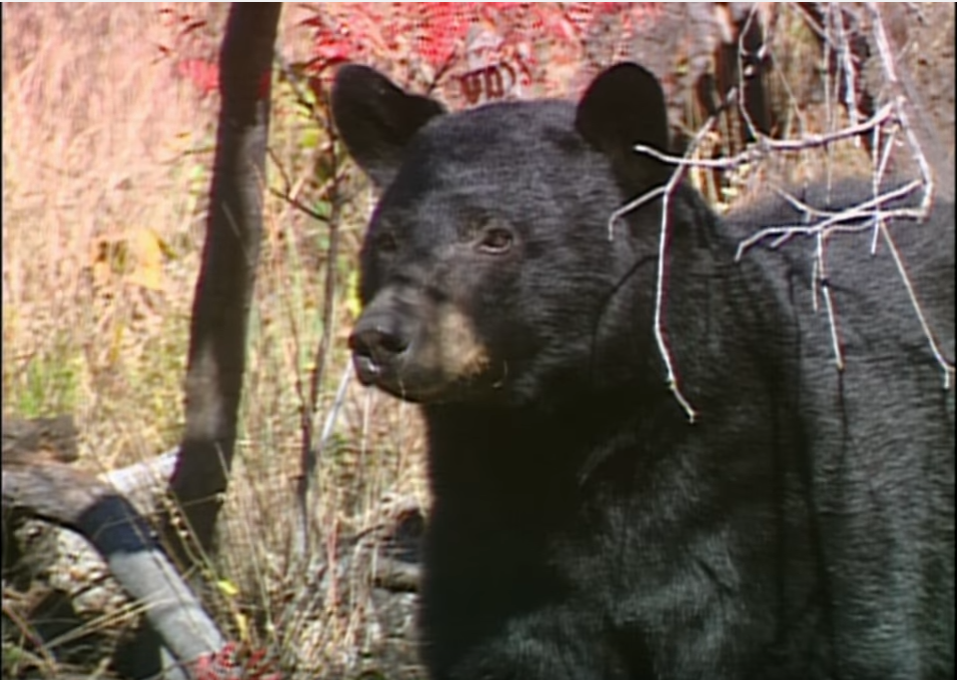
Friendly neighborhood black bear.

Friendly neighborhood black bear.

This is Passport to Texas

Black bear are threatened in Texas. And what might their biggest threat be?

That really is people.

Nobody intentionally threatens them, of course. But Texas Parks and Wildlife Mammologist Jonah Evans says because the black bear population is sparse across the state, we don’t know how to behave…when our paths do cross.

What we can be doing is working to make Texas a friendly place for bears to live, by educating people how to live with bears, so that bears do not become a nuisance. And to teach people that bears are not the big, scary animals that they think they are. They are relatively safe compared to domestic dogs, for example.

One way bears become a nuisance is when they associate people with food, and get into “trouble.”

We did have that happen in 2011 when all those bears were here. We had a number of bears get in trouble. They got used to getting into trash cans. Once a bear learns that people equal food, it’s really hard to teach it otherwise. That particular bear, we relocated it, and it immediately got into trouble again, so we had to trap it. And it’s living out the rest of its days in the Gladys Porter Zoo in Brownsville.

Jonah Evans says Texas Parks and Wildlife’s goal is to ensure all wildlife lives a wild life. If you see a bear, contact your local Texas Parks and Wildlife office.

The Wildlife Restoration Program program supports our series and funds diverse conservation projects in Texas.

For Texas Parks and Wildlife, I’m Cecilia Nasti.

Why the Black Bear BOOM Went BUST

March 21st, 2017
Black bears snacking on deer feed.

Black bears snacking on deer feed. Image: Larry Meyers.

This is Passport to Texas

Wildlife lovers were optimistic with increased reports of black bears in West Texas in 2011 and 12. Mammologist, Jonah Evans, says the drought drew animals across the Mexican border; yet, once the rains fell, so did reports of bears.

Yes, it was a blip as the result of the drought—but that’s the way that dispersal happens. And that’s the way that bears recolonize: in pulses. So, they’ll pulse out into the landscape, try to find little places where they can survive.

Evans says bears that relocate take a risk, and many do not make it. He adds that bears follow the food. So I asked about the feasibility of creating bear-attracting habitat in West Texas.

They want big oak trees making lots of acorns, or pecan trees, or fruit trees, or things like that. And those are things that take many, many years or even decades to establish. With white-tailed deer, you can put in a food plot, and next the next year, you’re feeding deer. It’s not that simple with bears.

Then I asked about relocating black bears to suitable habitat—as we’ve done with eastern wild turkeys.

Given that Texas has so much private land and the bears travel so far, it’s a very tricky issue to release bears somewhere in Texas where they won’t have the possibility of becoming a nuisance on a neighbor’s property.

Jonah Evans says the agency works to support natural recolonization of black bears in Texas.

The Wildlife Restoration program supports our series and funds Black Bear research in Texas.

For Texas Parks and Wildlife, I’m Cecilia Nasti.

Black Bear Boom or Bust

March 20th, 2017
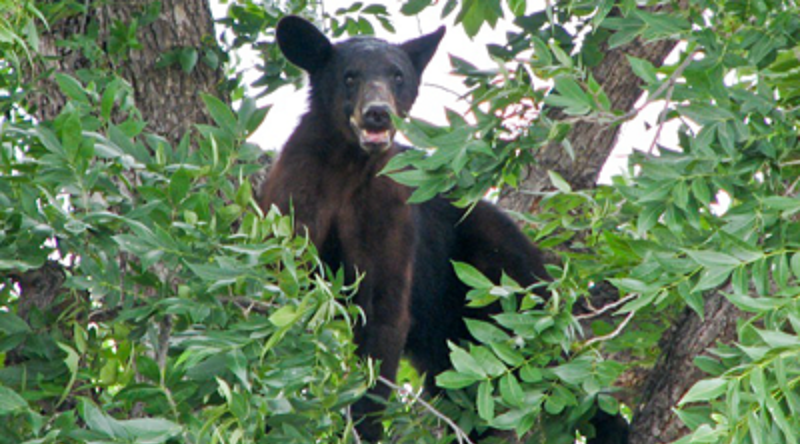
Black bear up a tree.

Black bear up a tree.

This is Passport to Texas

A few years back we spoke with Texas Parks and Wildlife mammologist, Jonah Evans, about increased sightings of black bear in West Texas.

A few years ago during the drought, we had a major boom in bears. What was happening is, when food resources were very low, they started dispersing, looking for other places to make a living. And, a lot of those bears came across—from those big mountain ranges in Mexico—into Texas.

Black bears have, in effect, been absent from West Texas for years. So this was good news…but it did not persist.

In the years since that big drought and that big dispersal period— 2011 and 2012—we really haven’t seen nearly as many bears. In fact, last year [2016] we only had one bear report in West Texas. Not counting Big Bend National park, where, of course, they have many reports every year.

The big bear boom went bust. But Jonah Evans says that’s typical of this natural system of checks and balances.

It’s a bit disappointing, but I think it’s also a little dose of realism, I guess—that this is probably the way that recolonization is going to happen. I haven’t given up on the bears.

Learn more about black bears on the Texas Parks and Wildlife website.

The Wildlife Restoration program supports our series and funds diverse conservation projects in Texas.

For Texas Parks and Wildlife, I’m Cecilia Nasti.

TPW TV–Casting Call with Neighborhood Fishin’

March 17th, 2017
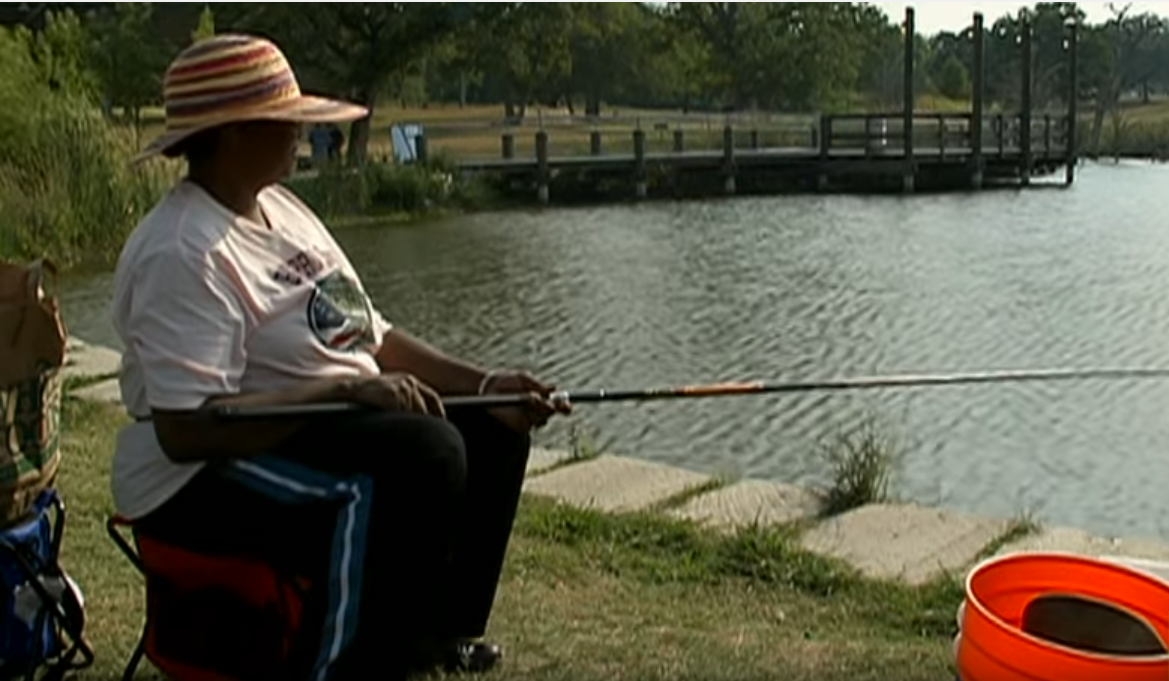
Effie Dukes at her Neighborhood Fishin' pond.

Effie Dukes at her Neighborhood Fishin’ pond.

This is Passport to Texas

Texas Parks Wildlife’s Neighborhood Fishin’ program creates convenient and close-to-home fishing opportunities for city-dwellers by stocking urban lakes.

Our goal with the neighborhood fishin’ program is to bring the focus back to the outdoors.

Effie Dukes and her husband David took the bait. In a segment of the Texas Parks and Wildlife TV show next week, viewers wait along with them at East Metropolitan Park in Travis County for the stocking truck to arrive.

I think they’ll be coming momentarily, because they said between 9 and 9:30. Yeah, look. They’re coming with the fish.

Marcos de Jesus is a natural resource specialist with Texas Parks and Wildlife. He says the fish they stock are big, healthy, and fun to catch. As Effie and David discovered.

What we try to do is to actually bring fishing close to home. Most people in Texas are moving into bigger and bigger towns. Having these opportunities in your backyard, basically, is what it’s all about. [Effie] Yeah! Got a big one! [David] That’s what I’m talking about.

The Neighborhood Fishin’ Program provides an outdoor experience with fishing at its core. Perhaps her successful experience means the program reeled in Effie Dukes as its newest recruit.

It’s a big catfish. And I caught it with a net. With the help of my husband. With a rod and reel that I don’t know how to use. [laughs]

Catch the segment, Casting Call, next week on the Texas Parks and Wildlife TV show on PBS. Check your local listings. The Sport Fish Restoration program supports our series.

For Texas Parks and Wildlife…I’m Cecilia Nasti.