August 11th, 2016
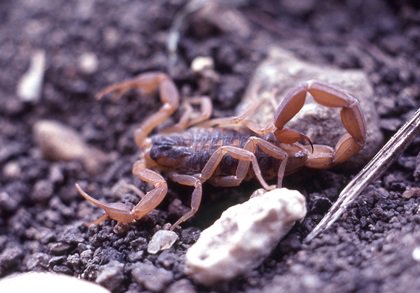
Scorpions are beneficial; we just don’t want them in the house.
This is Passport to Texas
Texas boasts a fair number of scorpion species.
There are about 18 species in Texas. Depending on where you’re at—you may have more or less.
Ben Hutchins is an invertebrate biologist at Texas Parks and Wildlife.
In all of Texas, we don’t have scorpions that are considered life threatening. As with any animal that has venom, there’s always the possibility of an allergic reaction.
To healthy non-allergic people a scorpion sting may simply cause short-term discomfort. In nature, scorpions are highly beneficial.
Scorpions are predators, and so they feed on a variety of potential pest organisms. Some scorpions also feed on other scorpions, so they do have an important role in the environment potentially controlling pest populations…insects…spiders…other arachnids. There’s also potential medical utility for scorpions as well—using venom to treat medical conditions.
Therefore, if a scorpion inadvertently wanders into your home some evening while foraging…
There’s really no cause for alarm. What I usually do is use a cup [and place it over the scorpion and use a] piece of paper that you kind of slide under there to pick up the scorpion. And then you can just remove it and put it in an area where it can do its business.
That’s our show…For Texas Parks and Wildlife, I’m Cecilia Nasti.
Posted in Invertebrates, Scorpions, Wildlife | Comments Off on Scorpions are Beneficial, Just not in the House
August 10th, 2016
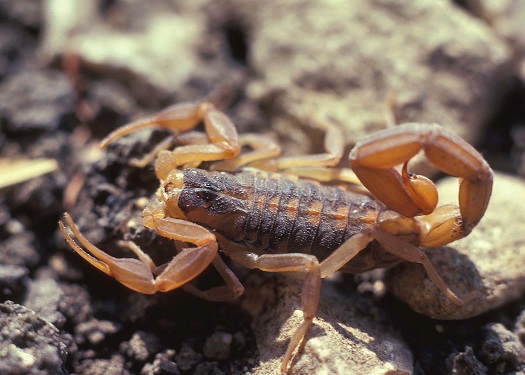
Scorpion in Texas
This is Passport to Texas
I find scorpions in my house from time to time. With their crablike pincers and barbed tails, they’re scary little guys.
I think we have a natural reaction to anything with different body morphology.
Ben Hutchins is an invertebrate biologist at Texas Parks and Wildlife. He says scorpions dwell in a wide variety of habitats.
Pretty much any habitat except Alpine environments.
Although we have several species this arachnid in Texas, Hutchins says we’re not likely to run into them.
Usually, we don’t run into them that often because they’re mainly active at night; during the day they’re usually hiding under rocks, under logs—deep in leaf litter as well. So, we don’t run into them a lot, except when perhaps we’re in the yard gardening, or they might wander into our house at night.
Why do they come into our homes?
It’s not really intentional; during their foraging, they might see a crack under your door as just another crevice that they’ll be traveling through in search of prey.
Once they’re inside, they could make themselves comfy.
If you have a room with the lights off and lots of boxes—places to hide—that mirrors their natural environment with lots of secure hiding place for them…
How scorpions are beneficial in the environment. That’s tomorrow.
For Texas Parks and Wildlife, I’m Cecilia Nasti.
Posted in Invertebrates, Scorpions, Wildlife | Comments Off on Scorpions Making Themselves at Home–in Yours
August 9th, 2016
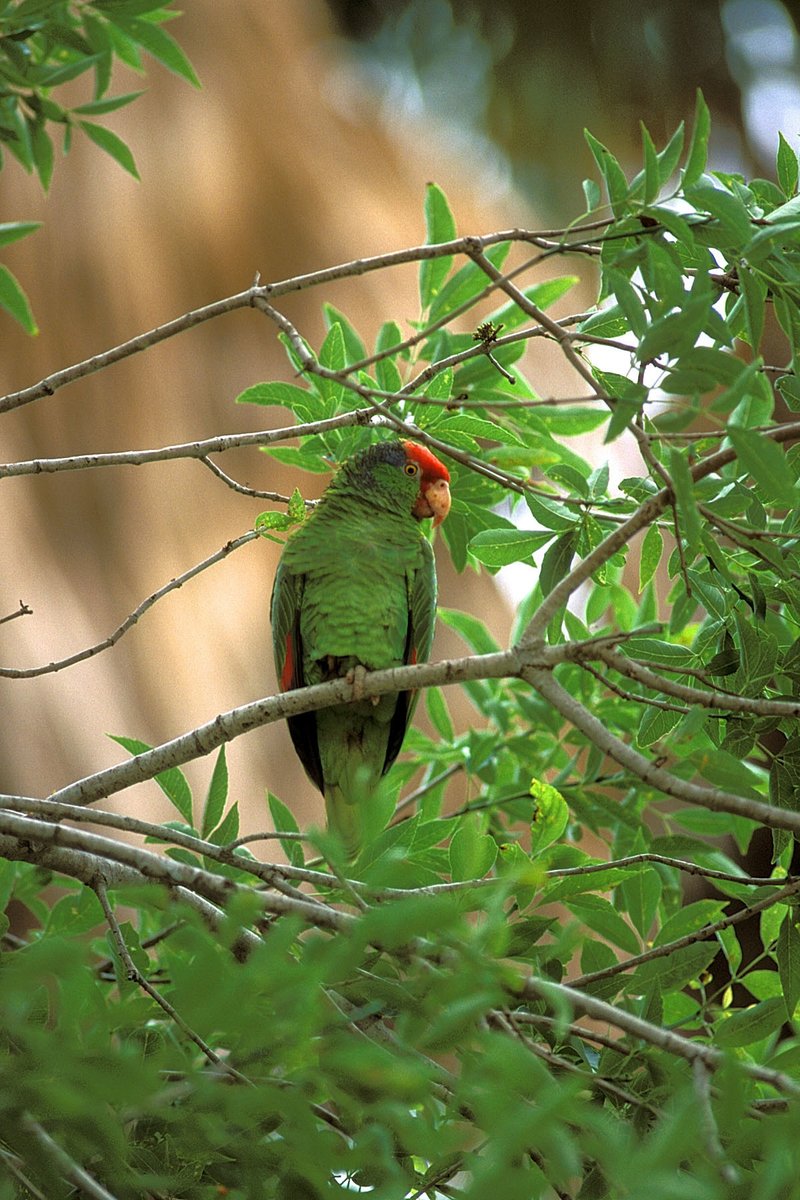
Red-crowned Parrot
This is Passport to Texas
It may surprise no one that the Rio Grande Valley is home to a native parrot species. What may astound you, though, is to find one in your yard.
They’re going to come to fruiting trees. When acorns are in season in the fall, they’ll really hit those. If you have a platform bird feeder, you might get parrots coming to your platform bird feeder for sunflower seeds.
Cliff Shackelford, non-game ornithologist with Texas Parks and Wildlife, says the native Red-crowned Parrot makes itself at home in urban settings; readily building nests in abandoned “real estate.”
They really like dead palm trees. The kind that there’s just a trunk standing, they’re no more green fronds, and it’s very brittle. The golden fronted woodpecker comes in and excavates a cavity and uses it to raise a family; well the next year, a parrot might use it. A parrot can’t really excavate like a woodpecker, but he says,’hey, I just need to make this a little bigger, and I’ll use it.’
If you live in the Rio Grande Valley and have a dead or dying palm in your yard (that doesn’t pose a safety threat), leave it for the birds. It’s good for them and nature tourism.
Brownsville, Harlingen, Weslaco and McAllen–all have city ordinances where you cannot mess with the birds. And one reason is the nature tourists from all over the world come to the valley to see several unique birds, and the red-crowned parrot is usually near the top
of the list.
Learn more about Texas birding opportunities on the Texas Parks and Wildlife website.
The Wildlife Restoration Program supports our series.
For Texas Parks and Wildlife…I’m Cecilia Nasti.
Posted in Birding, feeding | Comments Off on Some RGV Residents Have Backyard Parrots
August 8th, 2016
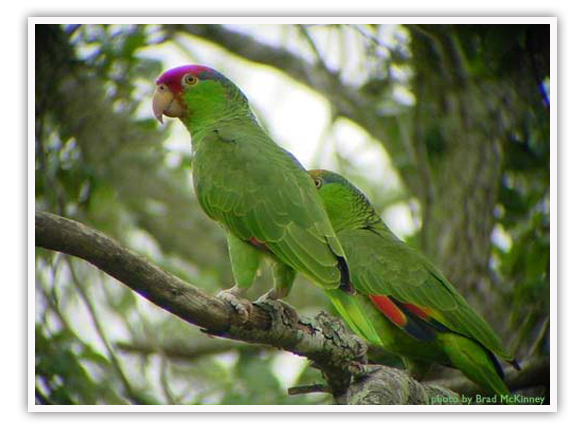
Red-crowned Parrots, Photo credit: Brad McKinney
This is Passport to Texas
If you live in any of the urban areas of Texas, you’ve probably seen large colonies of the green and gray colored bird known as the monk parakeet. You might think they are native to Texas, but they’re not.
And they were escaped birds that have done very well. But what’s very neat, is if you go a little farther south into the Rio Grande Valley, we have a native parrot, that’s green and has a little red on the forehead, called the Red-crowned Parrot.
Cliff Shackelford is a non-game ornithologist with Texas Parks and Wildlife.
And that bird [the red-crowned parrot] is a native species with a very small global range that is from south Texas all the way to parts of northeast Mexico.
Cliff says you’ll find the native red-crowned parrot in the Rio Grande Valley. And they may be closer than you think.
They’re highly urbanized. That’s where a lot of the green space is. A lot of the fruit that they’re eating in backyards. Seed feeders and so forth. They’re really thriving well in south Texas.
We’ll have more about this charismatic native parrot and its tendency to dine and nest in the backyards of Rio Grande Valley residents.
Meanwhile, explore the unique and beautiful regions of Texas with our nine interactive Great Wildlife Trail Maps! Find them on the Texas Parks and Wildlife website.
That’s our show. Funding provided in part by Ram Trucks. Guts. Glory. Ram
For Texas Parks and Wildlife…I’m Cecilia Nasti.
Posted in Birding | Comments Off on Red-crowned Parrots–a Texas Native
August 5th, 2016
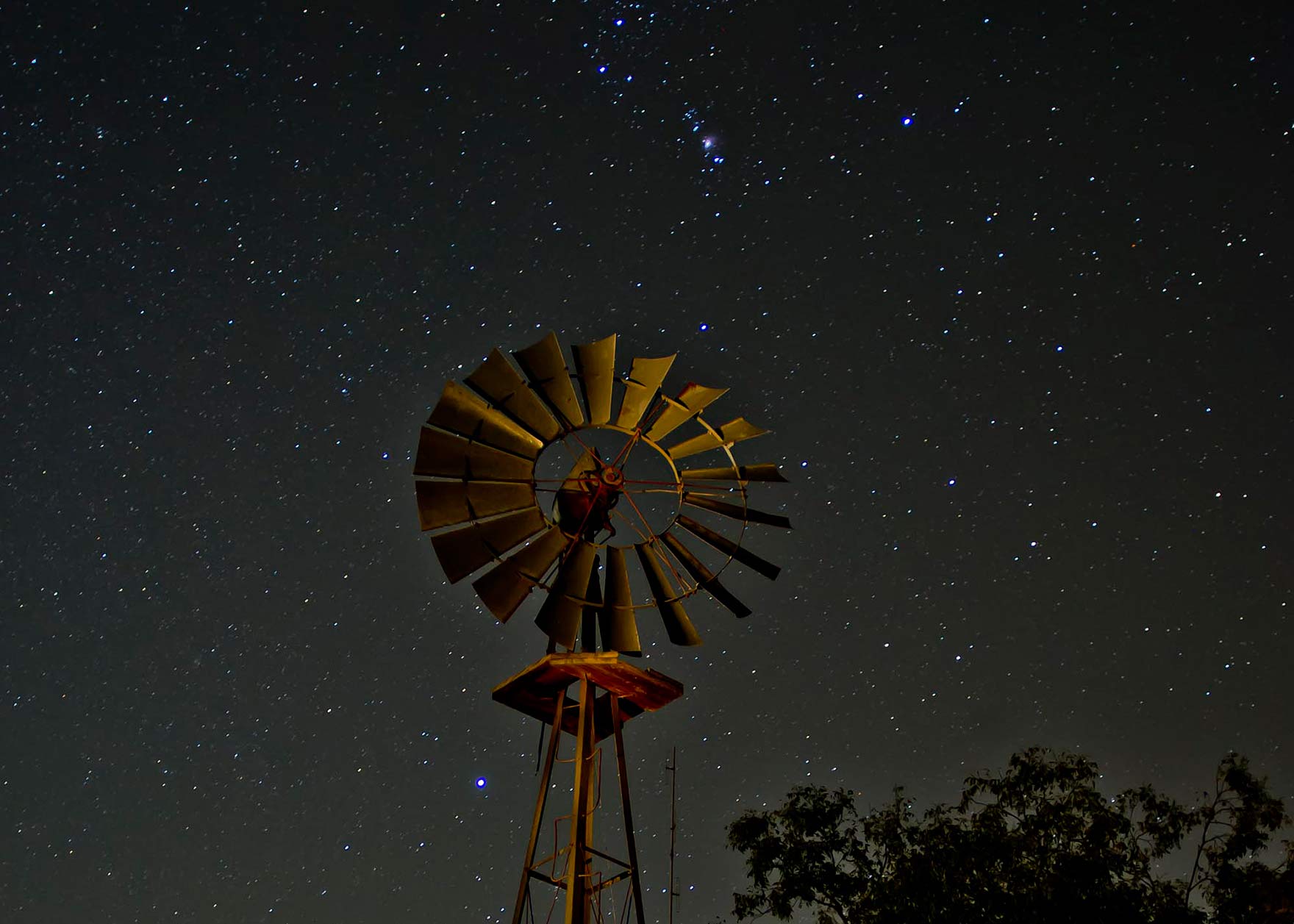
Keep an eye on the night sky and you might see a meteor.
This is Passport to Texas
When small fragments of cosmic debris—created when a comet swings past the sun—enter the earth’s atmosphere at high rates of speed, they’re visible as streaks of light in the night sky. And there are plenty of meteor showers on the way.
The popular Perseid meteor shower, which peaks in mid-August, is among the more popular meteor events, and seems to originate from the constellation Perseus. In dark sky locations, expect to see up to 75 meteors an hour.
From early October to Mid-November the Orionids are visible. In a normal year you may see 20-25 meteors an hour; in a great year, as many as 50/hr.
The Leonids, are visible much of November, caused by the comet Temple-Tuttle. The Leonids have offered stunning meteor storms as recently as 2001, but expect only 15 meteors an hour through 2031 when the comet reappears.
The Geminids, visible from early to mid-December, are often bright and intensely colored. Meteors start showing up before 10 p.m., which means you don’t have to get up in the middle of the night to see them.
Whether you see 1 or 100 meteors, it’s always a thrill. You can always find more stargazing information in the Texas Parks and Wildlife website.
For Texas Parks and Wildlife…I’m Cecilia Nasti.
Posted in stargazing, State Parks | Comments Off on Meteors Over Texas


 Passport to Texas is a
  Passport to Texas is made available by: