August 4th, 2016
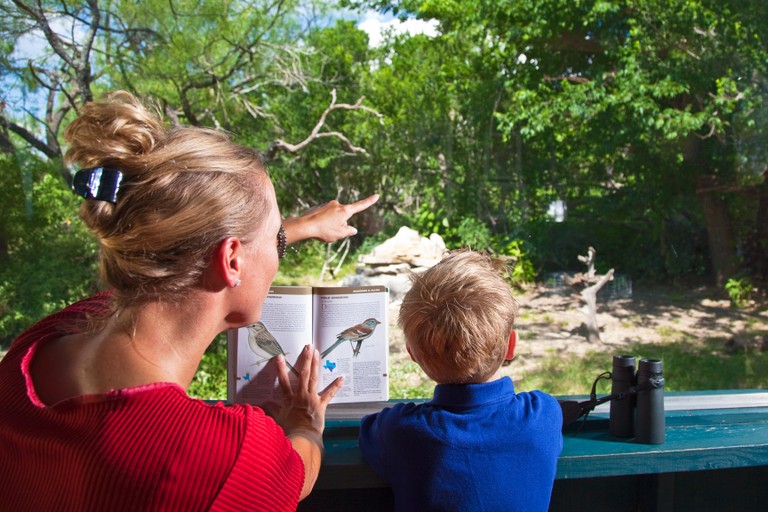
Birds and humans need the same things to live; spend time getting to know them.
This is Passport to Texas
The Convention for the Protection of Migratory Birds, signed in 1916, between the US and Great Britain–which signed for Canada–paved the way for conservation of all migratory birds.
All birds out there, except our upland game birds are covered underneath this act and this convention. It includes songbirds, doves, ducks, cranes… And it includes nearly all the birds that you see on the landscape.
Shaun Oldenburger is a migratory game bird biologist with Parks and Wildlife. Grassroots conservation efforts have been ongoing since the 19th century, but it wasn’t until the Convention, also known as the Migratory Bird Act, that meaningful protections were put into place.
A lot of these laws came forth in the 20th Century, but these ideas have been around a long time. A lot of folks now are engaged in bird conservation; it’s more out there. It’s more, say, in your face. But there are a lot of groups out there doing a lot of good work. And a lot of this is spawned from 100 years ago from this convention.
Oldenburger says birds enrich our lives. We share the planet with them, and as such, we also share that which makes life possible.
We depend on water. We depend on air. We depend on resources. The same as birds. So, if folks start thinking about walking out of their house in the morning and hear birds calling–they can make that connection: we are all here, we’re all depending on the same things, and birds play an integral part of our world.
The Wildlife Restoration program supports our series.
For Texas Parks and Wildlife…I’m Cecilia Nasti.
Posted in Birding, Conservation, Migration | Comments Off on Save Birds, Save the World
August 3rd, 2016
Migratory Bird Treaty Centennial, Image: US Fish and Wildlife Service
This is Passport to Texas
This year is the centennial of the Convention between the United States and Great Britain for the Protection of Migratory Birds–also called the Migratory Bird Treaty.
That was signed by Great Britain for Canada at the time–in August of 1916–where that was a protection for all migratory birds between Canada and the United States.
Shaun Oldenburger, a migratory game bird biologist with Parks and Wildlife, says as early as the 1860s grassroots efforts evolved to develop game laws for birds.
There became this knowledge that birds cross political boundaries, and that they needed protection in both wintering and breeding locations. This primarily happened due to some droughts that were occurring, some habitat loss that was occurring during the earliest part of the 20th century. And so, some very smart people and some very proactive individuals got together and decided that we needed to protect these birds both on the breeding and wintering grounds.
It was that understanding of natural laws that set the stage for the Convention and man’s laws.
The idea of the convention is that we need this holistic protection for these birds across their lifecycle. I think it’s really interesting that as long ago as a hundred–and even more than a hundred years ago–people were thinking about conserving species, when I think that a lot of us consider it [conserving species], sort of, a new idea. Yeah. It’s amazing. In fact, a lot of the bird conservation work we’ve had has really spawned in the last 30 or 40 years. But, the premise–in the state of Texas and beyond the boundaries in the United States, Canada, Mexico, and japan–was established in the 19th Century.
We’ll talk more about the Migratory Bird Treaty tomorrow.
The Wildlife Restoration program supports our series.
For Texas Parks and Wildlife…I’m Cecilia Nasti.
Posted in Birding | Comments Off on 100 Years of the Migratory Bird Treaty
August 2nd, 2016
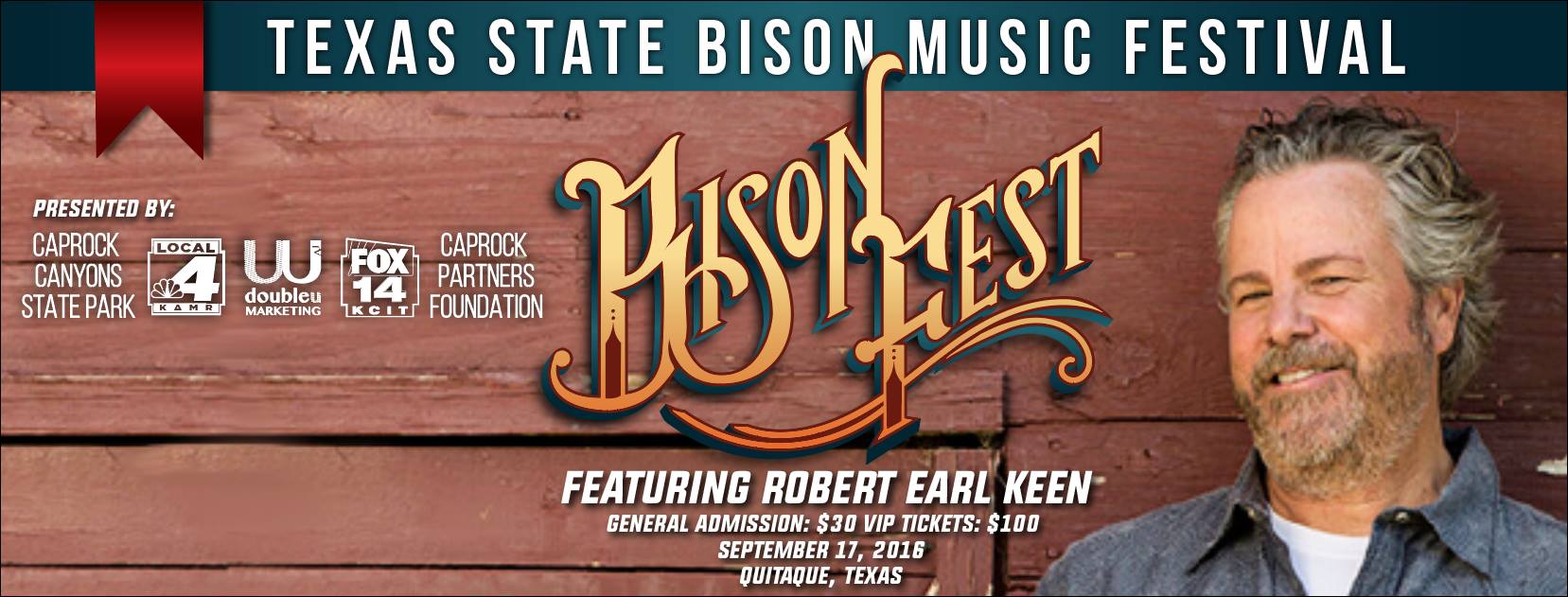
Texas State Bison Music Festival
This is Passport to Texas
Clear your calendar the weekend of September 17 and make plans to attend the annual Texas State Bison Music Festival.
This year’s festival is in the town of Quitaque; it’s a street dance where we close off part of the street. We have arts and craft vendors, lots of food, and some fantastic entertainment this year.
Quitaque is south of Caprock Canyons State Park, home to the state’s bison herd. Donald Beard is superintendent. The festival is a fundraiser for the Texas State Bison Herd Restoration Project.
It’s a good way to have a fundraiser and have a lot of fun. This year we’re also celebrating because the bison has recently been named as our national mammal. So, we’ve got lots of reasons to celebrate this year.
Tickets are available now; festival details and ticket prices at bisonfest.com.
The festival this year will be headlined by Robert Earl Keen. We have several other entertainers: Mark Powell, Zac Wilkerson, and Kevin Deal. You can call the park for more information, or you can check us out at our website or Facebook…Texas State Bison Music Festival. The concert starts at about 3 p.m.; vendors start at 9 a.m. Come all day and bring your lawn chairs.
The Texas State Bison Music Festival, benefiting the Texas State Bison Herd Restoration Project is Saturday September 17 in Quitaque. Plenty of food and drink–including adult beverages–available from vendors.
Be safe and have a designated driver.
You can bring a cooler when you pay a $10 cooler fee.
For Texas Parks and Wildlife…I…m Cecilia Nasti.
Posted in Bison Music Festival, Events, State Parks | Comments Off on Bison Music Festival at Caprock Canyons
August 1st, 2016
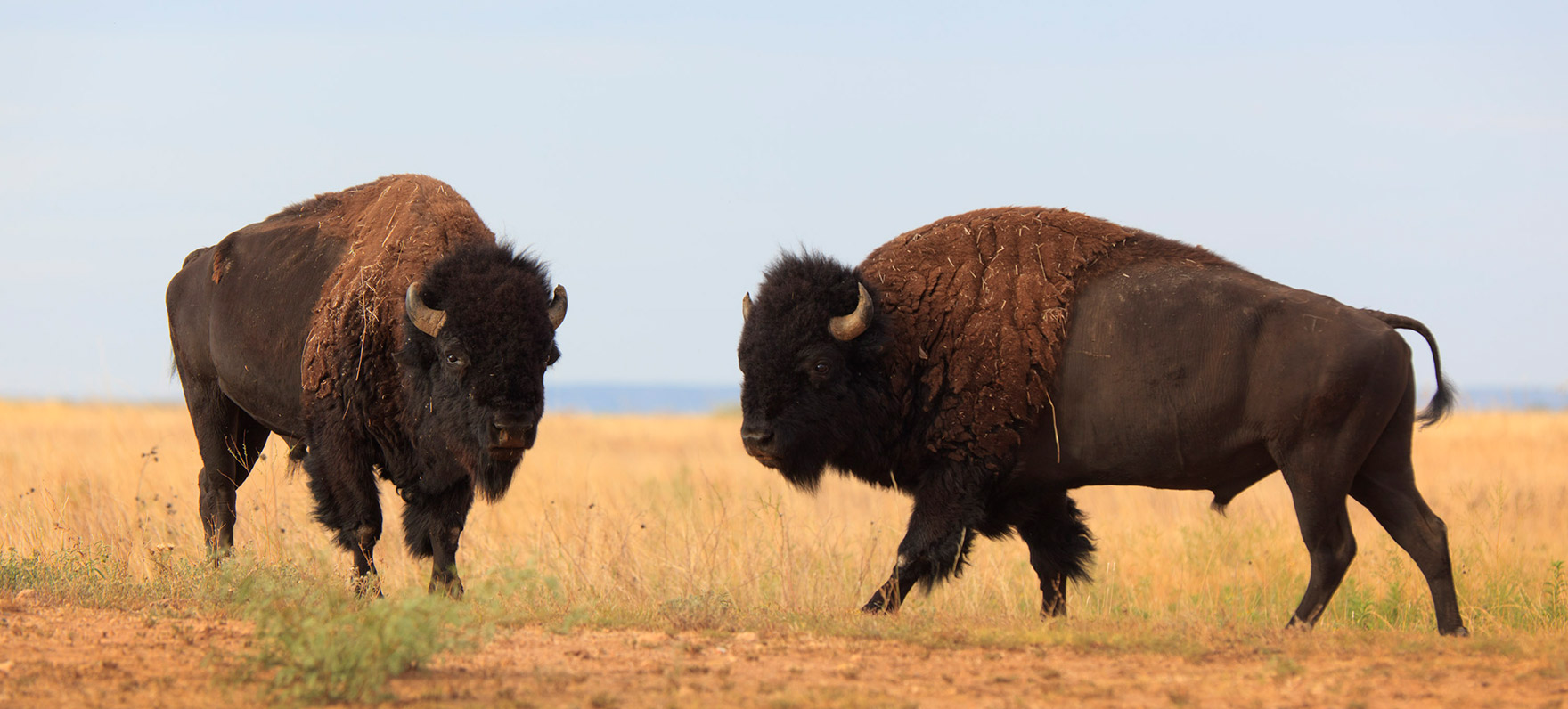
Members of the Texas State Bison Herd at Caprock Canyons State Park
This is Passport to Texas
Caprock Canyons State Park is home to living history: the State Bison Herd.
The herd was started by Charles Goodnight back in the 1870s. And it’s one of the five foundation herds that all bison today pretty much come from.
Unchecked slaughter of Bison nearly brought them to extinction. Mary Goodnight, wife of legendary Texas rancher Charles Goodnight, encouraged her husband to capture calves to save the species. The 130 or so bison roaming Caprock Canyons today are direct descendants of those animals.
There is about 12-thousand acres of bison range in the park. Just about everything that’s open to the public is open to the bison. You can run into them almost everywhere in the park.
Donald Beard, Park Superintendent, says although bison roam freely, visitors must not interact with them.
We do everything we can to keep the park visitor and the animal safe. We educate the visitors as they come in. There are signs. As they come into the visitor center, they’re hand a safety message pamphlet that talks about what to do if you run into a bison on the trail. We just have to keep telling visitors that this is a bison range; of course the bison have the right-of-way. So, the best thing you can do if you run along a bison on a trail is find a shade tree, get out your camera, take some pictures, and wait for them to move on.
Tomorrow: the annual Texas Bison Music Fest.
That’s our show… Funding provided in part by Ram Trucks. Guts. Glory. Ram
For Texas Parks and Wildlife…I’m Cecilia Nasti.
Posted in History, Official State Bison Herd, State Parks, Wildlife | Comments Off on State Bison Herd at Caprock Canyons State Park
July 29th, 2016
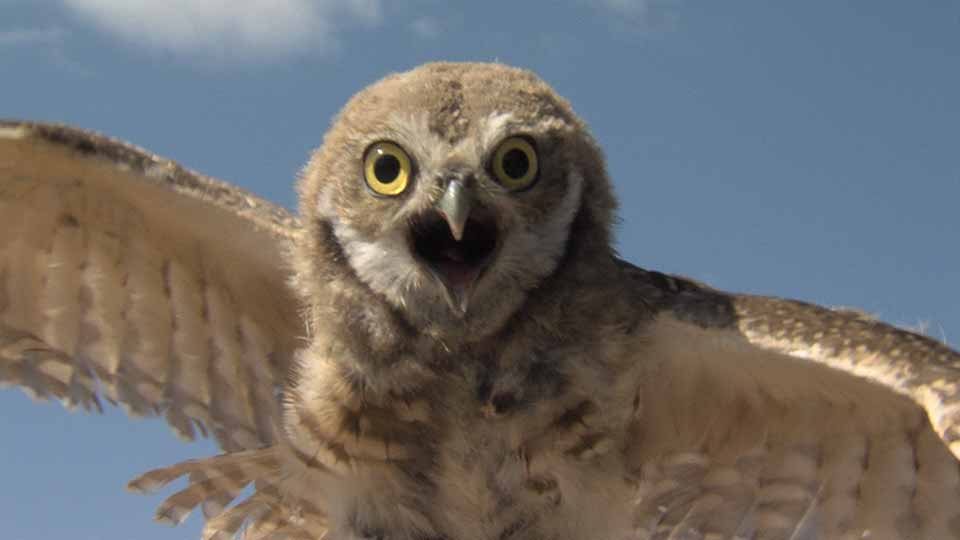
Hey! Outta my burrow, you skunk!
This is Passport to Texas
Birds don’t get much cuter than the burrowing owl. And you won’t have to stay up past your bedtime to see one.
One of the great things about these owls is [unlike most owls] they’re out during the day; they’re active day and night.
The week of July 31, get to know this small sandy colored owl with long legs during a segment of the Texas Parks and Wildlife TV series on PBS. Alan Fisher produced a story that looks at how this species, threatened and endangered in some part of North America, survives its dwindling habitat in El Paso.
So, they’re a species of concern here because of habitat loss. Burrowing owls don’t tend to dig their own burrows from scratch. They will occupy burrows left from prairie dogs or ground squirrels or other burrowing animals. So, as those animals get pushed out burrowing owls lose their habitat as well.
Fisher also talks with Texas Parks and Wildlife biologist Lois Balin, who creates artificial owl nest borrows fitted with video surveillance systems.
Having the cameras underground, gives the biologists a lot of new tools. It’s pretty awesome.
Not surprisingly, says Fisher, the cameras are revealing much about the hidden lives of burrowing owls, from the number of eggs and nestlings, to prey items, and even visitors.
The skunk discovery is the rather astonishing discovery. Skunks are going into the burrows and occupying them, and in some cases preying on the owls.
To find out how the burrowing owls fare, tune into the Texas Parks and Wildlife TV series on PBS the week of July 31. Check your local listings.
For Texas Parks and Wildlife, I’m Cecilia Nasti.
Posted in Conservation, Owls, Threatened, TPWD TV, Wildlife | Comments Off on TPW TV – Owls Underground


 Passport to Texas is a
  Passport to Texas is made available by: