Like to fish? Then you should know this Saturday, June fourth, is Free Fishing Day in Texas.
People don’t need a fishing license to fish on that first Saturday in June.
Great news, right? Texas Parks and Wildlife aquatic training specialist, Caleb Harris, says everyone can fish free in state parks with fishing opportunities any day, but Free Fishing Day opens all public waters for your angling pleasure. Harris says when you reel in a fish you intend to keep, there is a humane way to dispatch your catch before it becomes dinner.
Most people say that the kindest way to care for a fish that you want to keep [for dinner] is to put it on ice as fast as possible.
The cold temperature, says Harris, causes the fish’s bodily functions to slow down…way down.
The ice will anesthetize it; it’ll be virtually painless at that cold temperature; the fish will get cold and will slowly pass. So, yeah. If you have a boat, and you have the ability to bring an ice chest, you know—catch the fish—if you intend to keep it, make sure it’s a legal size, and put it right on ice.
When you get the fish home, you’ll want to immediately filet it and either cook it up right away, or freeze it. Find a video on how to filet fish, and a link to information on the best way to freeze fish at passporttotexas.org.
The Sport Fish Restoration program supports our series.
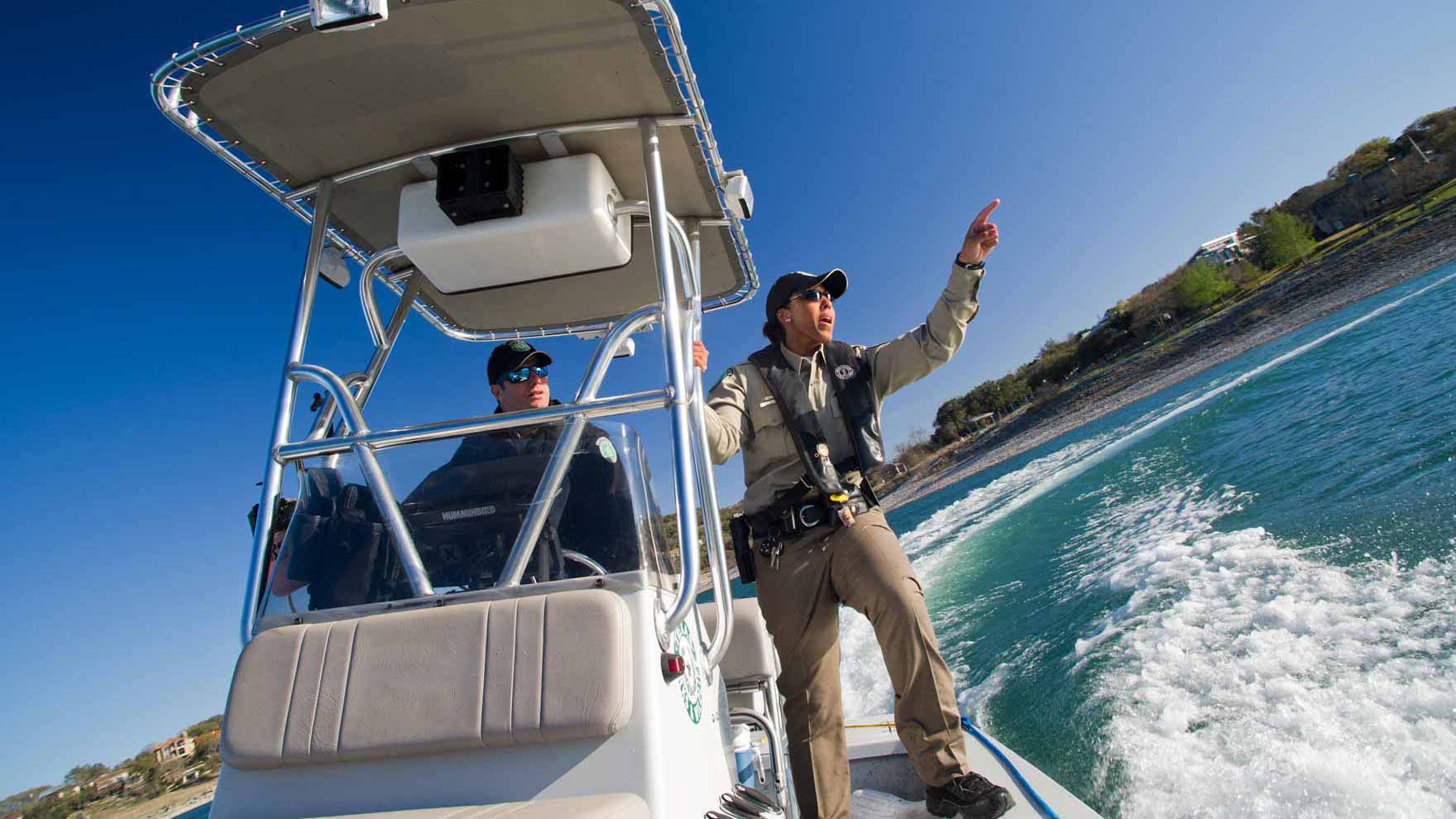
Game Wardens and State Troopers are state peace officers; although assigned to specific areas, they enforce laws and regulations wherever needed statewide.
Sharon Cundiff of Williamson County contacted us to ask about the difference between Wardens’ and Troopers’ jurisdictional areas. We reached out to Game Warden Travis Porter, in Tarrant County, to help sort things out.
43—One of the main differences between State Troopers and Game Wardens are that Game Wardens have the added ability to enforce wildlife and natural resource rules and regulations throughout the state as well. Game Wardens are the law enforcement off the pavement. Most of the time, we get off the roadway, and that’s where we enforce most of our rules and regulations. Texas Law grants us the ability to enforce those laws anywhere wildlife lives, roams, or can be found—with a few limitations. These laws are designed so that we can enter private and/or public property to enforce hunting, water safety, natural resource laws and regulations, when the situation is called to do so. Game Wardens use these abilities to promote and regulate safety among those who are fortunate enough to be able to enjoy the outdoors, and to help conserve natural resources for future generations.
Lone Star Law featuring Texas Game Wardens airs on Animal Planet Thursdays at 9 p.m. CT.
The Texas Parks and Wildlife Foundation supports our series and helps keep Texas wild with the support of proud members across the state. Find out more at tpwf.org.
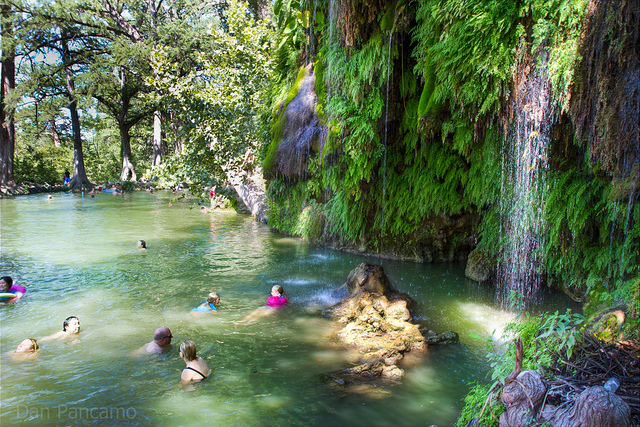
Over the three decades the Texas Parks and Wildlife TV show’s been airing, the name and its personnel have changed, but one thing remains — it delivers the best of Texas to you. Next month the series revisits a story from 1990 featuring Central Texas Swimming holes, many of which, like Krause Springs near Spicewood, offered more than mere recreation.
Years ago I was baptized here on this place.
Barton Springs—in Austin—one of the largest natural spring-fed swimming holes in Texas, has long been the subject of enjoyment and controversy. In this same segment, the series followed the heated debate concerning how development would affect the springs.
We need stronger protection in our watershed. In our inner city. You must find all the causes of pollution and treat them. You will represent all the city of Austin, and don’t get caught up in the cause celeb of the moment. I think without water, we will not have life. With all due respect, I cannot get away from the feeling that the new ordinance, as proposed is simply a no growth ordinance. It is very simple: if you build over the aquifer, you will pollute our water supply.
Although the segment on Central Texas swimming holes is more than a half century old, the issue is timeless. Catch it the week of June 5th on the Texas Parks and Wildlife TV series on PBS. Check your local listings.
Firearm safety should be every gun owner’s top priority.
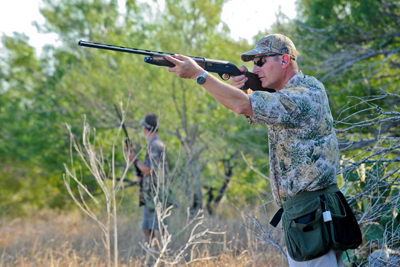
Firearm safety really revolves around four main things, and that’s the primary rules of shooting safety or hunter safety.
Steve Hall is hunter education coordinator at Texas Parks and Wildlife. He says the first rule of firearm safety is to have your gun pointed in a safe direction at all times.
Number two is, check the action and make sure it is unloaded. That’s the rule of treating every firearm as if it were loaded. Number three is keeping your finger outside of the trigger guard. And then number four is be sure of your target. What is in front of and beyond.
Hall says if there is one rule that gun owners break most often it is muzzle control.
There are a lot of folks who just unknowingly point the firearm in an unsafe direction. Whether they’re walking next to their buddies, or pulling a firearm out of a vehicle, or putting it into a vehicle—or even inspecting it in the home. Maybe when they’re cleaning the firearm.
Learning and practicing the four rules of firearm safety will prevent accidents in the field and at home. Need help? Find a hunter education class near you when you log onto the Texas Parks and Wildlife website.
The Wildlife Restoration program supports our series and works to increase shooting sports and hunting in Texas.
For Texas Parks and Wildlife, I’m Cecilia Nasti.
Posted in Firearm Safety | Comments Off on Firearm Safety
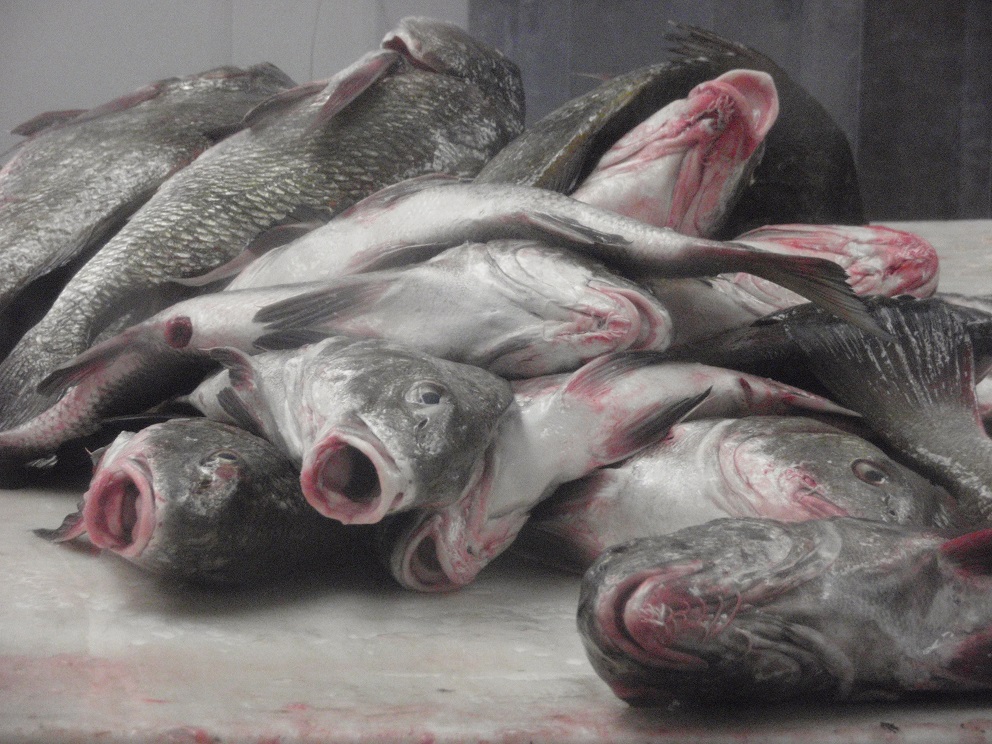
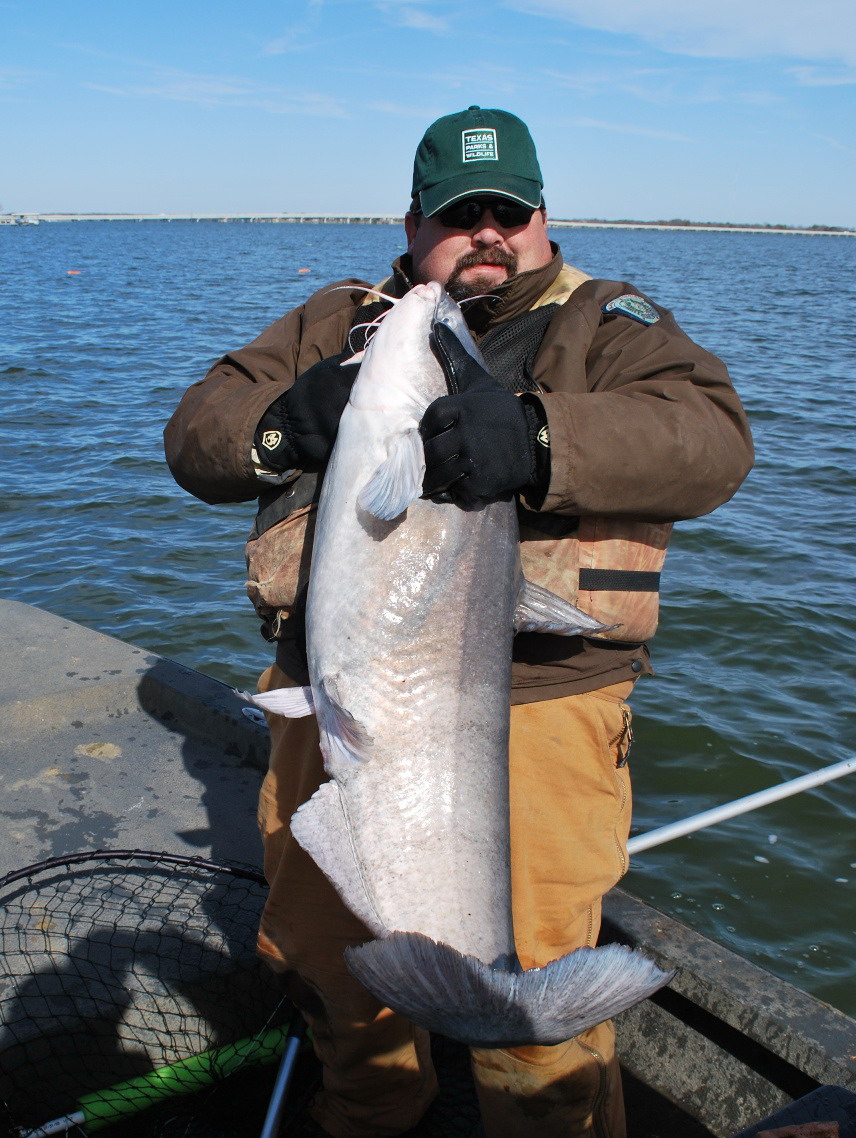
Catfish are more adaptable to changing environmental conditions than other game fish, are popular among anglers, and are good eating. For those and other reasons, the Texas Parks and Wildlife Commissioners approved a new Catfish Management Plan earlier this year. Dave Terre.
The first step in this plan was to go to our anglers and ask them what they want for the future of catfish angling in Texas. And we took their opinions and their needs and desires for catfish fishing in the future, and we tried to look to see what we could do with our catfish populations to make fishing better for them.
Terre is chief of fisheries management and research at Texas Parks and Wildlife. Stocking, habitat management, and regulations, are among the tools they’ll use to implement the plan. In addition, he says, they’ll bring fish to the fishermen.
People want good, quality fishing opportunities close to home. So, what we strive to do is to use catfish to create good catfish fishing opportunities on smaller, public water bodies in major metropolitan areas close to where people live in cities. So, look for us [to be] doing more of that in the future.
All these strategies have been confirmed with our anglers as things tht they want us to do. So, for the next decade or so, this is the direction that we’ll be moving with our catfish program.
The Sport Fish restoration program supports our series.


 Passport to Texas is a
  Passport to Texas is made available by: