April 28th, 2016
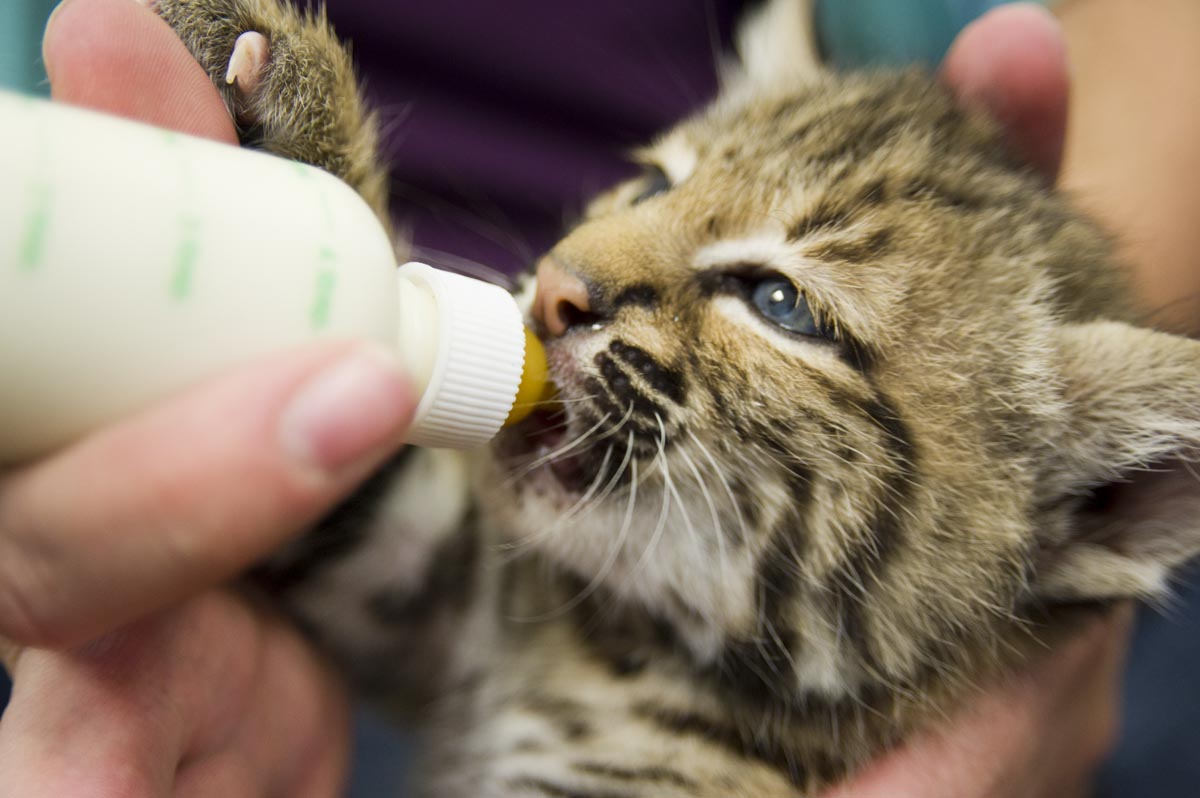
Baby bobcat, Lexi, when she was still a bottle baby. Photo courtesy of http://lexiandmoxi.blogspot.com/
This is Passport to Texas
You know the story of spring: reawakening, renewal, and baby animals. That last part – baby animals – can be tricky. You see, sometimes we find infant wildlife when we’re outdoors, and want to “rescue” them, which might actually be more like kidnapping.
For example, a baby dear [or fawn] will hide quiet and mama will almost always come back. That’s their strategy.
See what I mean. Jonah Evans is a mammalogist at Texas Parks and Wildlife; he says unless an animal is injured or clearly in distress, leave it alone, but monitor it at a safe distance if you’re concerned. Even then…
I recommend, before touching an animal, call a rehabilitator and ask them.
Licensed rehabilitators know animal behavior and can provide guidance, which may also include instructions to leave the animal alone because of legal considerations.
There are actually some regulations about possessing certain wildlife that you have to make sure you’re not violating. Possessing a non-game animal without a license, could be in violation of certain laws.
That can be avoided when you know who to call. Find a list of licensed wildlife rehabilitators—by county—on the Texas Parks and Wildlife website.
The Wildlife Restoration Program supports our series
For Texas Parks and Wildlife, I’m Cecilia Nasti.
Posted in Wildlife | Comments Off on Kidnapping or Rescuing Wild Baby Animals?
April 27th, 2016
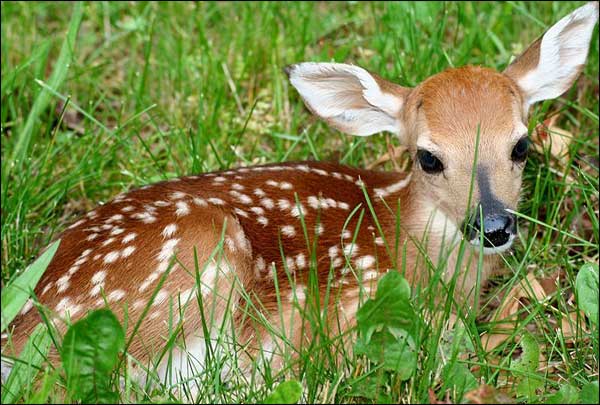
Fawn waiting for mom to return.
This is Passport to Texas
This time of year, reports start rolling in to Parks and Wildlife from people who think they’ve discovered abandoned baby animals.
What could have happened is you walked up there, and mama ran off and hid – and baby is hiding there. And, as soon as you leave, mama will come back.
That’s not true in every case, though, says Jonah Evans, Texas Parks and Wildlife mammalogist. If you see an abandoned baby possum, for example, mom could be gone for good.
With 184 some odd mammals in the state, it’s probably pretty difficult to give you a list of which mothers will come back wand which ones won’t. So, what I recommend is before touching and animal – call a [wildlife] rehabilitator.
Licensed rehabilitators know animal behavior and can tell you which critters may benefit from intervention.
If you contact one of the many throughout the state – and there’s a whole long list of them on our website – they are really the experts in this. Not Parks and Wildlife.
Jonah Evans says although—as a mammalogist—he researches and studies warm-blooded animals, rehabilitators are the ones with skills suited to helping citizens’ where abandoned baby animals are concerned.
Find a list of licensed rehabilitators by county on the Texas Parks and Wildlife website.
The Wildlife Restoration Program supports our series…
For Texas Parks and Wildlife, I’m Cecilia Nasti.
Posted in Wildlife | Comments Off on Look But Don’t Touch Wild Babies
April 26th, 2016
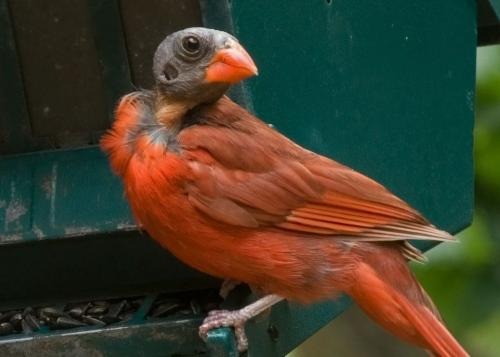
Northern Cardinal during molt. Image courtesy Kay’s Garden
This is Passport to Texas
Imagine the sleek, bright red body of a male cardinal topped with a small, lumpy black walnut-shaped head. That’s what you’ll see mid to late summer when cardinals molt.
Feather molt is really important because feathers fray, they’re fragile.
You don’t want to look, but you can’t look away. Texas Parks and Wildlife Ornithologist Cliff Shackelford says the cardinal’s head feathers fall out over a short amount of time. While a bird with a naked noggin may be shocking, Cliff says “don’t fret.”
All we’re doing is witnessing that annual molt that replaces those old feathers—and he’s about to get new ones.
Their head feathers regrow within a few weeks. And, mercifully for the cardinals, they lose body and flight feathers at a more leisurely pace.
They just lose a couple at a time and they can still fly. So, most of our land birds and songbirds like the Cardinal don’t lose all their flight feathers at once because they would never make it. They wouldn’t be able to flee from predators and keep warm with the weather.
This summer, if you see a red bird that looks like it was put together with spare parts, it’s probably a cardinal suffering the humiliation of molting. Try not to point and laugh.
For Texas Parks and Wildlife…I’m Cecilia Nasti
Posted in Birding | Comments Off on Bad “Hair Day” for Cardinals
April 25th, 2016
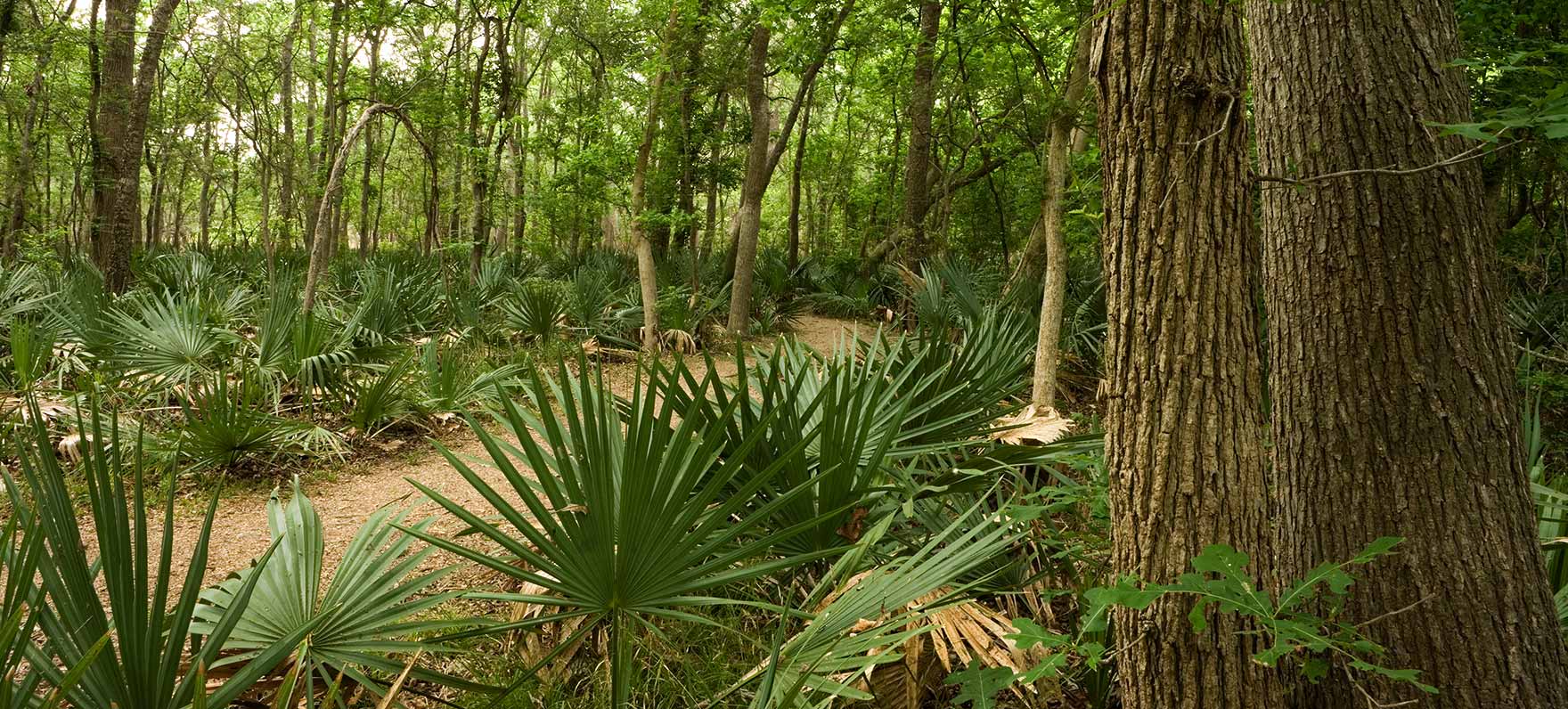
Palmetto State Park
This is Passport to Texas
If you get the itch to visit a tropical locale, but are short on time, and want to skip all the shots, do the next best thing: visit Palmetto State Park.
Named for the dwarf palmetto palm found around the ephemeral swamp, some areas of the 270 acre Central Texas Park resemble the tropics.
Located in Gonzales County, between Gonzales and Luling, Palmetto State Park abuts the San Marcos River, making it a favorite place for canoeists to put in.
Situated within the Great Texas Coastal Birding Trail, the park has a reputation as a birding “hot spot.” Birders from across the country flock to Palmetto State Park to view many of the over 240 species of birds observed within the park’s boundaries.
Palmetto State Park has more than 39 campsites – all with water, some with water and electricity. There’s a group camping area and a group picnic shelter complete with kitchen.
If you want to stretch your legs and imagination, trek the park’s 3 miles of interpretive and hiking trails.
State Parks are closer than you think. Find out just how close when you visit the Texas parks and Wildlife website.
That’s our show for today… Funding provided in part by Ram Trucks. Guts. Glory. Ram
For Texas Parks and Wildlife…I’m Cecilia Nasti.
Posted in State Parks | Comments Off on Palmetto State Park
April 22nd, 2016
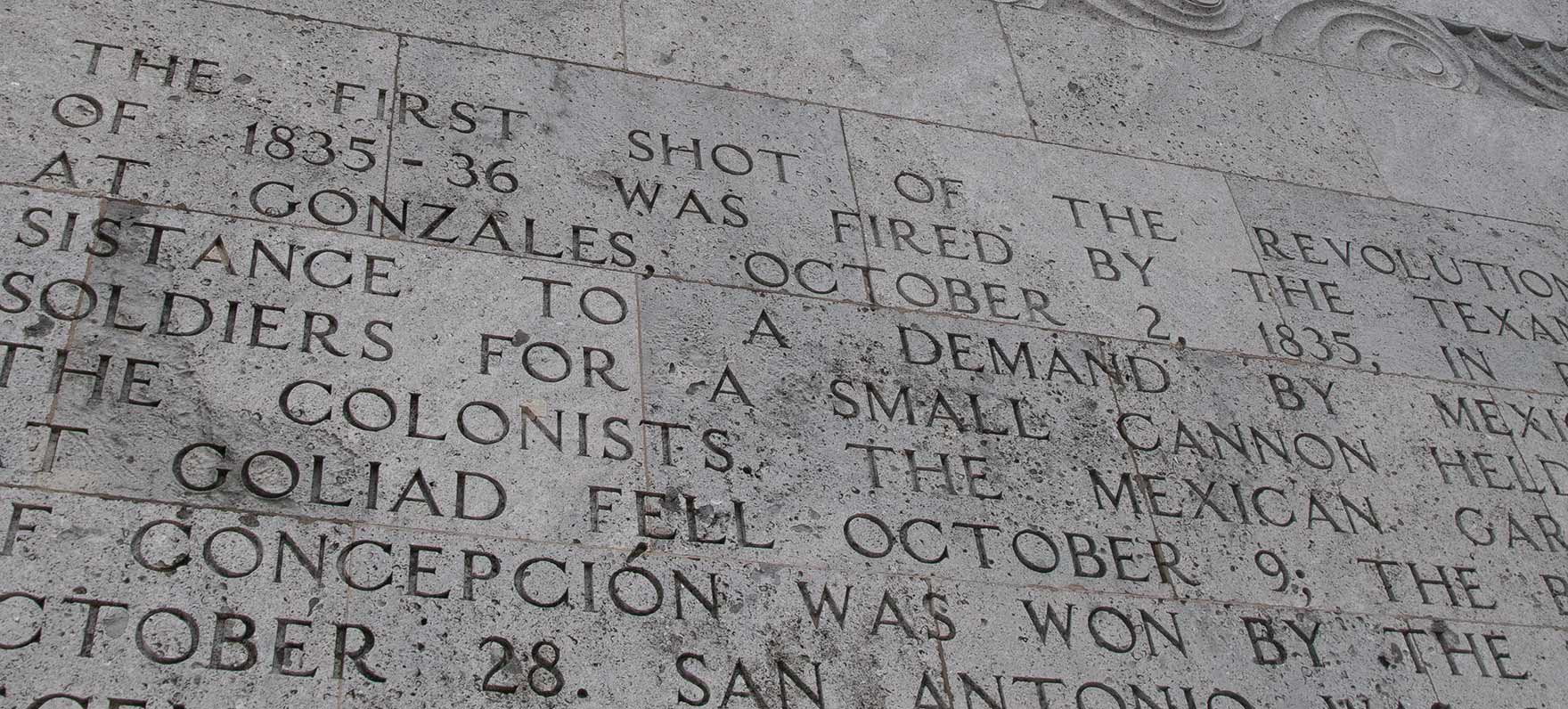
Inscription on San Jacinto Monument
This is Passport to Texas
The Mexican culture is integrated into the fabric of Texas. So, how do we handle something like the anniversary of the Battle of San Jacinto, where we celebrate the Texian Army’s victory over Mexico?
That’s something we’ve been trying to address here at San Jacinto.
Boyd Harris is a park interpreter at San Jacinto Battlegrounds and State historic Site in La Porte.
In the past it has been more of a centric, white Texan kind of history. But, nowadays, we like to commemorate and honor both sides. We’re more about education here, as well as the memory of these soldiers. The Mexican Army, itself—half the army was conscripts—and so they weren’t volunteers. But they weren’t the only people of Mexican decent at the battlefield. There were also Tejanos fighting on the Texian Army side, so we want to talk about them. Juan Seguin and his Tejano company is in the very forefront of the battle, and we want to talk about those guys. Because this is a revolution—and revolutions are messy. They’re complex, and we want to give due respect and due remembrance to all those involved with it.
We commemorate the battle of San Jacinto and all those involved on Saturday April 23 at the San Jacinto Battlegrounds and State Historic Site in La Porte.
Find details in the calendar section of the Texas Parks and Wildlife website.
For Texas Parks and Wildlife…I’m Cecilia Nasti
Posted in Historic Sites, State Parks | Comments Off on Cultural Sensitivity and the Battle of San Jacinto


 Passport to Texas is a
  Passport to Texas is made available by: