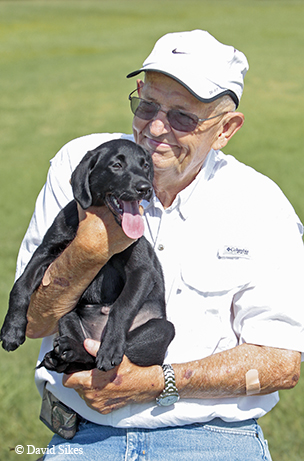
A great hunting dog will leave an indelible mark on the heart of the hunter who owns it.
06—I hesitated to use the word love. But I don’t think there’s a better word than love for it.
David Sikes is the outdoor writer at the Corpus Christi Caller Times. He wrote about hunters and their dogs for the November issue of Texas Parks and Wildlife magazine.
13—I’ve been duck hunting for a few decades now. So, I’ve sat beside many, many dog owners and their beloved hunting dogs, and I’ve become fascinated just by the relationship that they have.
Sikes says these highly trained animals are also loyal family pets. But when they’re in the field, they have a job to do. And when done well, they’re a source of pride.
26—The dog owners take such a sense of pride in what the dogs can accomplish. And, of course, they only take partial credit for that. Because they give the dogs credit for their intelligence. They do. The dogs that seem to perform best have more intelligence and more heart. And just more drive than others. And most of them, like some of the subjects of this story, have a special place for those special dogs they’ve had over the decades.
Such as Jim Remley’s black lab Kareem, or Rob Sawyer’s Chesapeake, Nellie, or even Harvey Evans’ Chesapeake named Taffy that also helped him sell crackers in the 1950s. Read about all of them in David Sikes piece in this month’s Texas Parks and Wildlife Magazine.
For Texas Parks and Wildlife…I’m Cecilia Nasti.
Posted in Duck, Hunting, TPW Mag | Comments Off on TPW Magazine: Ducks and Dogs
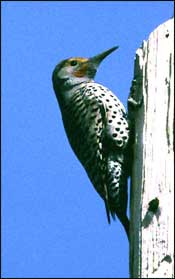
As a rule, woodpeckers excavate cavities in dead trees, called snags, which they then live in. The exception to the rule occurs when in their home building zeal, they mistake dark colored house siding, for a snag. When they do—homeowners have problems.
And it looks like cannon balls have been shot through the house. Maybe two or three; and we’ve seen some with fifteen, sixteen holes.
What we recommend people to do with problems with woodpeckers is to put a nest box. If you’re familiar with a bluebird box, it’s just a larger version of that custom made for woodpeckers.
Visit passporttotexas.org for a link to information and free blueprints to make your own woodpecker nest box.
People can build this in a couple of hours on the weekend, and put it up on the side of the house, and in all cases that we’ve done this – it’s worked. And the woodpecker stops chiseling on the home, and goes to this next box, and is very content.
That’s our show for today… For Texas Parks and Wildlife…I’m Cecilia Nasti.
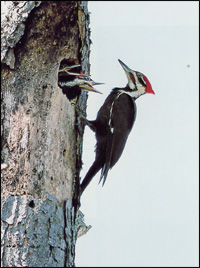
If you live in East Texas, and have noticed strange holes in the wood siding of your home… don’t call the police; call an ornithologist.
08—There are fifteen species of woodpeckers in Texas, eight of which are in the eastern third of Texas. And that’s where we get most of our calls of woodpecker damage.
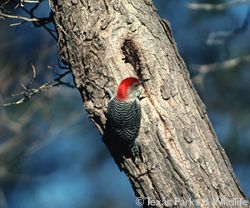
Non-game ornithologist, Cliff Shackelford, says the pileated and red bellied woodpeckers are among the culprits inflicting the damage to these homes.
15—What happens a lot of time is that they see these houses that might be painted brown, they might have cedar siding, and this is very attractive to the birds to try to excavate a cavity. So, they’re not looking for food when they’re doing this; they’re looking to make a cavity to call home.
The pileated woodpecker, about the size of a crow, can excavate holes as big as a man’s fist — and not just in the outside walls of your home, either.
11—That’s right. We’ve documented pileateds going through into the sheetrock and into the room of the house. Of course, they’re very lost when they do that, they quickly go out. They’re not looking to make a mess of the house.
Keeping woodpeckers from damaging your home…that’s tomorrow.
November is the gateway to the holiday season. And that means Texas State Parks will be bustling with festive activities.
04—Yeah, we have a lot of fall activities happening in November.
Thomas Wilhelm works with Texas State Parks.
13—For example, at Meridian State Park, which is just west of Waco, they’re having a Thanksgiving recovery hike. So, the Saturday after Thanksgiving you can go out and hike off some of those calories that you may have picked up on Thanksgiving.
Want to go in the other direction and consume calories instead of burn them? Learn to make food fit for a holiday camp out… including sweet treats.
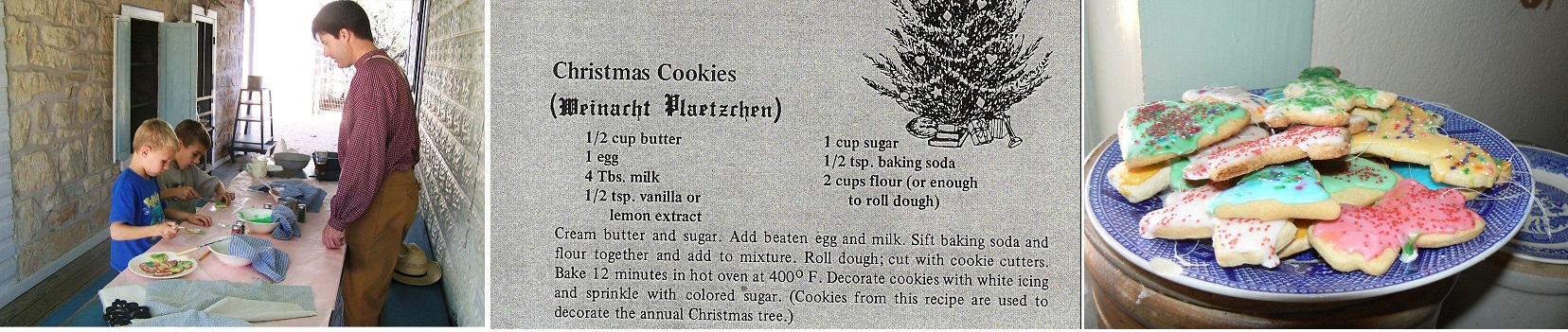
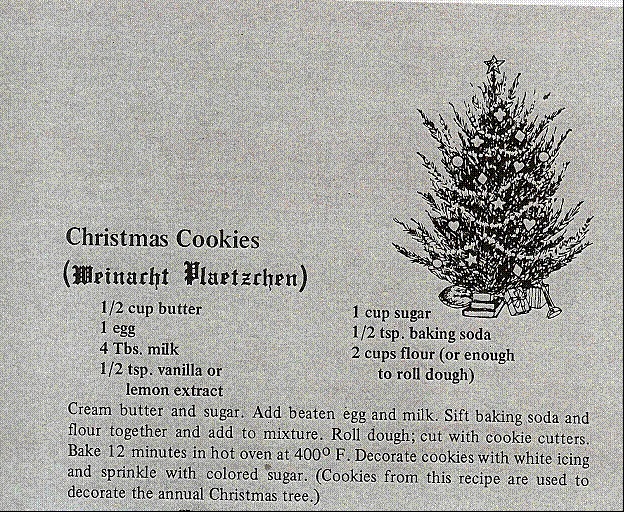
14—Palmetto State Park is having a harvest themed Dutch oven Cooking session, and Lyndon Baines Johnson State Parknear Johnson City is having a holiday cookie decorating event as they start preparing for the Christmas season.
The folks at LBJ State Park even shared an old fashioned cookie recipe with us. Find it at passporttotexas.org.
11—The holidays tend to be so rushed—and they’re so commercialized—so, parks offer an opportunity to slow down just a little bit. Take it in. And celebrate the holidays the way they were intended.
Grassland birds throughout North America, including the bobwhite quail, have been in decline.
06—Over the past 20, 30 years—we’ve seen serious declines across its entire range, including Texas.
Robert Perez is upland game bird program manager for Parks and Wildlife. He and others concerned about this enigmatic species’ survival appear in a segment called The State of Quail on the Texas Parks and Wildlife TV series on PBS.
07— Fundamentally, conservationists agree that the root cause is the changes in the quality and quantity of habitat.
During the segment, airing next week, watch conservation groups and private landowners, like Jim Willis, collaborate to improve habitat for quail, by planting native grasses, which provide shelter, seeds and insects for the birds.
19— This is a sample of a native grass. This plant contributes to the health of the land. This is the way you conserve moisture. Man has come in and ripped out a lot of this native grass and planted what we call improved grasses, which is really not improved, they’re invasive species, like Bermuda grass, and Bahia grass, and they don’t give back to the soil. They take from the soil.
The State of Quail airs the week of November 15 on the Texas Parks and Wildlife TV series on PBS. Check your local listings.


 Passport to Texas is a
  Passport to Texas is made available by: