Invasive Tilapia: Defeating by Eating

July 30th, 2015
Blue Tilapia

Blue Tilapia


This is Passport to Texas

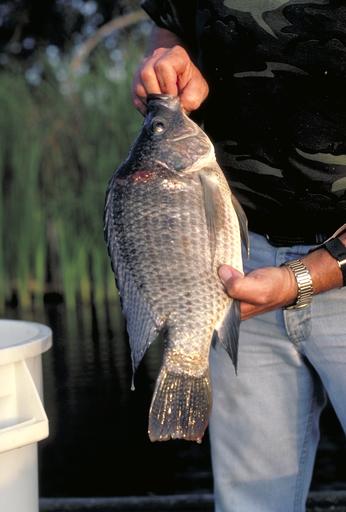
When you hear the word tilapia, you may think of a savory meal with lemon and butter sauce, but you probably don’t think of the term “invasive species.”

11—The tilapia are great to eat. They’re raised as a food fish, and they’re quite tasty. They’re quite popular in restaurants. But the problem is when they’re in our natural waters they are upsetting the ecosystem.

Tilapia, found in Texas for decades, originally came here as a food source, and raised in fish farms. Eventually the fish ended up living wild in Texas waters.

What makes them invasive? Gary Garrett, former inland fisheries biologist with TPW, said tilapia pose a potential threat to largemouth bass and other native species.

16—They build big pit nests and in doing that they stir up a lot of the settlement. And it’s been shown, for example, with large mouth bass, all that sediment stirred up and settling back down will often kill largemouth bass eggs.

When the tilapia does this, they can potentially damage the entire ecosystem because of the intricate nature of the food chain.

Parks and Wildlife has state regulations for tilapia, but because they exist throughout Texas, they are difficult to control. But if you like to fish, Garrett says there is a way you can help.

03—Don’t throw them back. If you catch them, keep them.

Next time you catch a tilapia, turn on the grill and get cooking. You’ll be doing yourself and the Texas ecosystem a flavor.

For Texas Parks and Wildlife, I’m Cecilia Nasti.
Hunt Harvest APP

July 29th, 2015
Download the Hunt Harvest APP

Download the Hunt Harvest APP


This is Passport to Texas

The My Hunt Harvest APP, which allows hunters to report their harvests, debuted in time for spring turkey season. Hunters who bag Eastern Wild turkeys must report their harvest at physical check stations, which can be miles from their lease.

16—And we did great this year. We had a lot of reports through that app. And next year it’s actually going to be the only alternative. You can use the app on your phone, or you can actually go on Parks and Wildlife’s website; go to our turkey page and report your harvest that way.

Jason Hardin is upland game bird specialist with Parks and Wildlife and turkey program leader for Texas. One goal for the app was higher reporting compliance.

12— We’re always concerned that if we have a check station in the county, and it’s halfway across the county—or all the way across—are our hunters taking the time to go across the county to report that bird. So, with the app, the check station is in the hunter’s hand.

Preliminary results are positive; even Rio Grande hunters used the app. The My Hunt Harvest App provides real time data, which benefits researchers and hunters, alike—whether hunting turkey, quail or deer.

17— It helps us understand and track how the harvest is going throughout the season. If something is going slow, we might be able to look at weather patterns, and try to explain some of that. It also just helps us with our relationship with the hunters. This day and age people want immediate information, immediate data, and we’re able to provide that more efficiently using this technology.

Download the My Hunt Harvest app free from the Apple app store and Google Play. The Wildlife restoration Program supports our series.

For Texas Parks and Wildlife, I’m Cecilia Nasti.
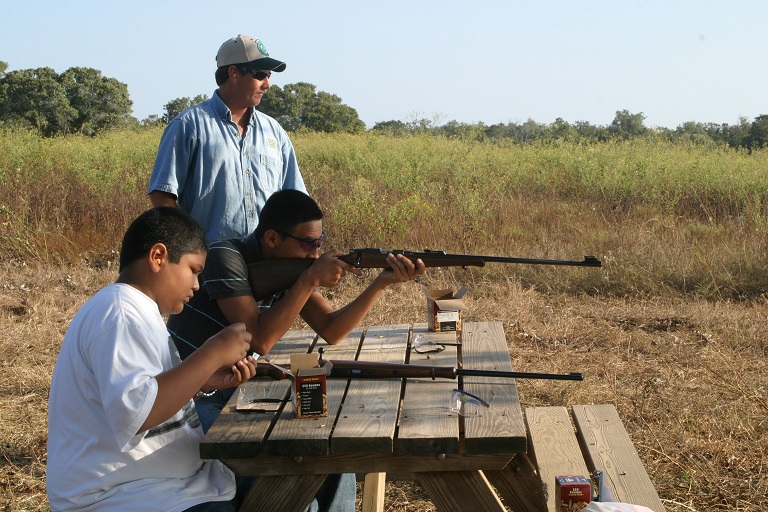
Need for Spanish Speaking Hunter Ed Instructors

July 28th, 2015
Youth Hunt

Preparing for Youth Hunt


This is Passport to Texas

The average age of Texas hunters is mid-forties. As these hunters decrease their time in the field, some increase their time in the classroom.

05—Some become [hunter education] instructors, and really want to give back to something they’ve enjoyed all throughout their lives.

Nancy Heron is director of outreach and education at parks and wildlife. She said the program has a need for instructors with special skills.

12—Parks and Wildlife has a lot of constituents who are bilingual, and who just speak Spanish. We are looking for bilingual instructors that are able to teach the hunter education program in Spanish and English.

The Spanish speaking population in Texas is growing, and Parks and Wildlife wants to ensure this group has easy access to hunter education, and a great outdoor experience.

11—We certainly could use those instructors to help us reach those constituents that we normally wouldn’t be able to reach. And, we do want to offer them [Spanish speaking constituents] an opportunity to get out in the outdoors and enjoy it.

We have information on becoming a volunteer Hunter Education instructor at passporttotexas.org.

The Wildlife Restoration Program supports our series.

For Texas Parks and Wildlife…I’m Cecilia Nasti.

Hunting License Deferral

July 27th, 2015
Hunting for white-tailed deer.

Hunting for white-tailed deer.


This is Passport to Texas

People interested in hunting, born on or after September 2, 1971, must take a hunter education training course. However, Nancy Herron, says there is a way around it—at least temporarily.

09—Anyone who has not been certified by the time they turn seventeen, can go and get a deferral. They must buy a hunting license, and ask for deferral type 1-6-6 at the point of sale.

Herron is director of Outreach and Education. The deferral allows people to hunt as long as a certified licensed hunter accompanies them.

05—And if you like it, go get certified; you have by August 31st of the current license year to do that.

It costs $10 for a deferral. The deferral program started in 2005, and about 10-thousand people sign up each year.

14—It offers an opportunity for someone who has not hunted before to give it a try and it brings in lapsed hunters. If they’ve been out of hunting for awhile, and didn’t get certified, they can come in, take the deferral, and then have an opportunity to get back into the outdoors.

A deferral may only be obtained once and is only valid until the end of the current license year; after that, hunters must complete the certification course.

Find hunter education information on the Texas Parks and Wildlife website.

The Wildlife Restoration Program supports our series.

For Texas Parks and Wildlife…I’m Cecilia Nasti.

TPW TV: A Fish Called Ethel

July 24th, 2015
The big girl who started it all: Ethel

The big girl who started it all: Ethel


This is Passport to Texas

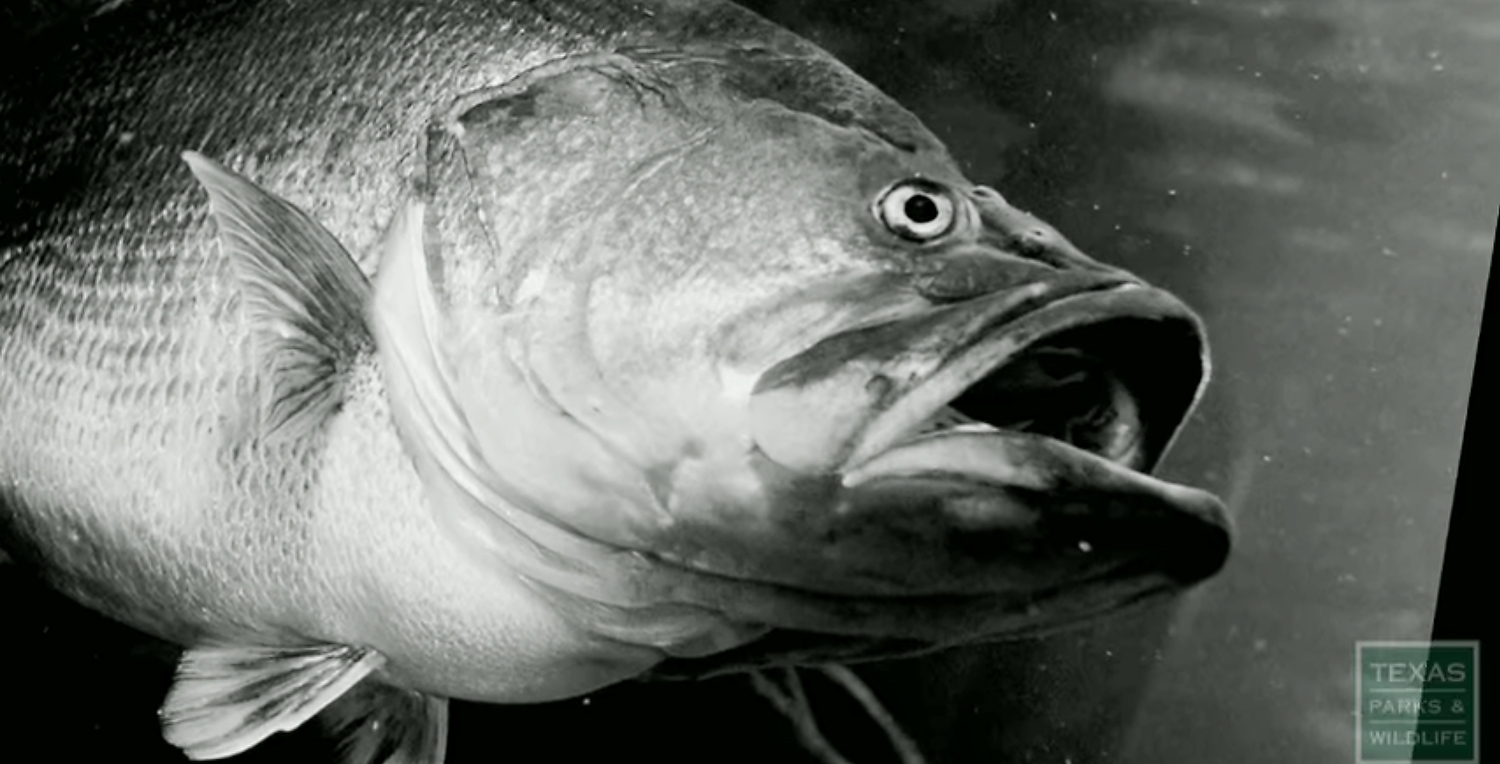
Ethel was a big girl from Lake Fork, and the first largemouth bass entered into the Sharelunker program in 1986.

06— And if you’d ever seen a picture of Ethel, she was as big around as she was long.

The Sharelunker program works to improve and grow bigger largemouth bass. Ethel was a 17.67-pounder caught and donated by fishing guide, Marks Stevenson. She served the program well, and changed the face of bass fishing in Texas

Former Director of Inland Fisheries, Phil Durocher, says bass fishing in Texas was very different before Ethel.

17— Back before ’86, bass fishing was primarily fish caught for food. People kept the big fish, and released the little fish. And we realized the larger fish were so valuable that we had to change the direction from a consumptive sport to recreation.

They brought Ethel to the Tyler fish hatchery where her survival was touch and go, says David Campbell, who oversaw the Sharelunker program from the beginning until his retirement in 2012.

13— This fish did not eat for a long time. My concern was if this fish died, it may kill the whole program. And I spent hours at night with a sunfish or something on a string and dangling it in front of her and she just sort of was sitting there looking at it.

She eventually, and literally spawned the success of the Sharelunker program. Learn more about Ethel and her legacy in a segment next week on the PBS Texas Parks and Wildlife TV series. Check your local listings.

For Texas Parks and Wildlife…I’m Cecilia Nasti.