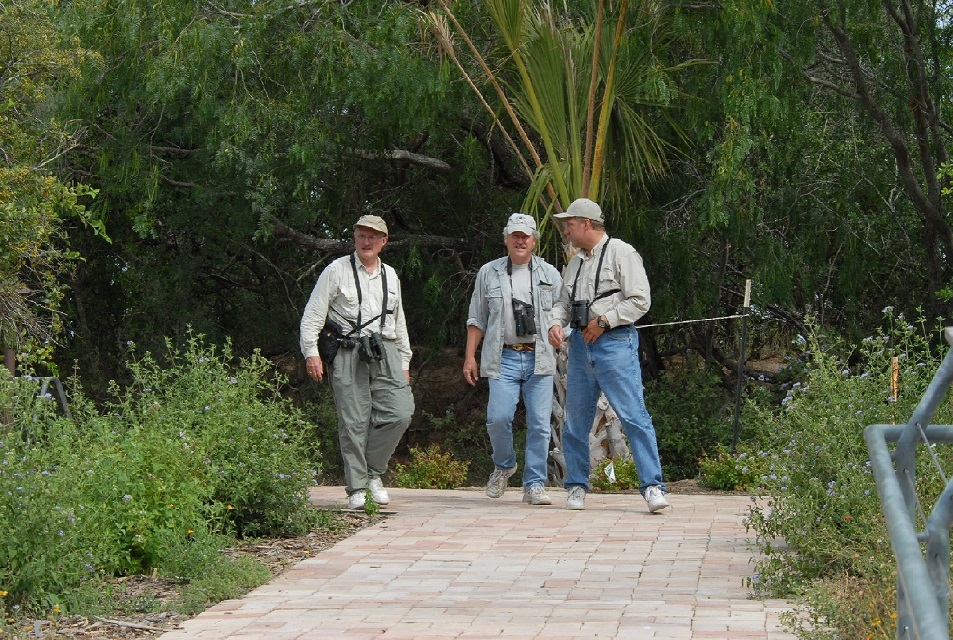
Birders who are in the know travel to south Texas in winter.
10— Wow. The Mecca down there is The Valley. And the three or four counties along the Rio Grande are just the powerhouse for winter birding in Texas.
Cliff Shackelford is a non-game ornithologist for Parks and Wildlife.
30— Birdwatchers from all over the country – really all over the world – are going there to see birds that are stacked up and wintering in big number, because it’s very mild down there. Cold snaps are very unusual and that’s why there’s a lot of agriculture – like citrus that doesn’t handle freezes very well at all. But, where there is remaining thorn scrub habitat or riparian woodland, that can be just really excellent birding in the wintertime.
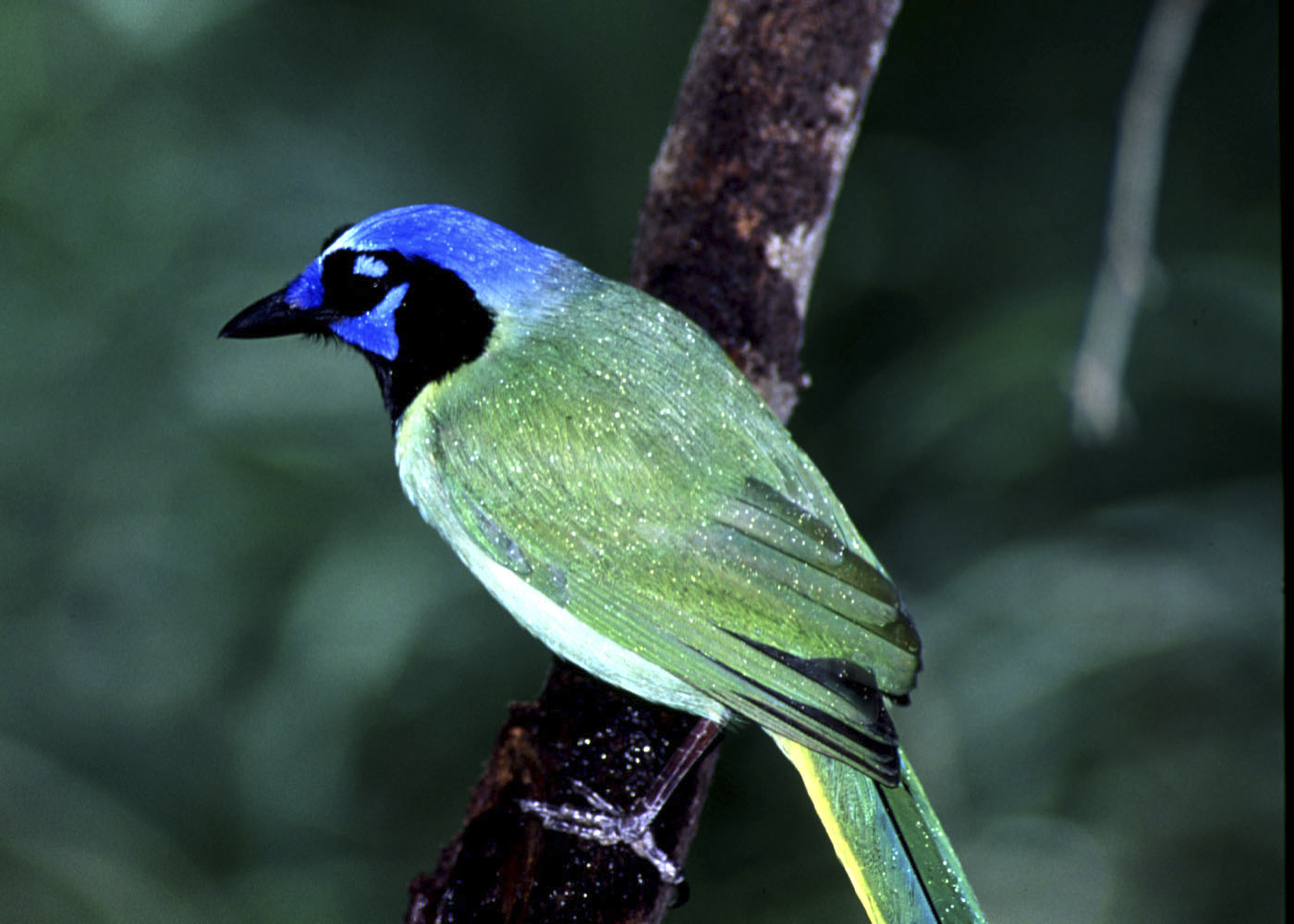
Shackelford says while the Rio Grande Valley is, as he said “the mecca” when it comes to sheer volume and varieties of overwintering migratory species in Texas – the valley isn’t not the only place to see a variety of migratory birds.
More on that tomorrow.
For Texas Parks and Wildlife…I’m Cecilia Nasti.
Posted in Birding | Comments Off on Birding: Best Winter Bird Watching in Texas
Texas is a birder’s paradise in winter, and TPW non-game ornithologist, Cliff Shackelford knows why:
15— We are on the receiving end for a lot of our continent’s breeding birds that have to winter in mild climates; water birds that can’t handle water that freezes over – and we don’t have a lot of that in Texas especially the farther south you get.
Migratory species begin flocking to Texas in fall, and become our winter birds.
37— In the fall we get a lot of shorebirds we don’t see in the summer months that have bred up in the tundra. Then come your woodland birds – a lot of the vireos, warblers, tanagers… start pouring through in October. A lot of the raptors [that don’t stay, they only pass through]; things like Broad-wing Hawks, Swaisnon’s Hawks, Mississippi Kites –they’re pouring through up until October. Then the sparrows really pour in starting in October and November. So, really by mid-November, most things are in place – where they’re going to be – for the next several months.
We tell you where to find some of these migrants on tomorrow’s show.
That’s our show for today… Funding provided in part by Ram Trucks. Guts. Glory. Ram.
For Texas Parks and Wildlife…I’m Cecilia Nasti.
Posted in Birding | Comments Off on Birding: Winter Migrants in Texas
Texas boasts healthy bat populations. Bats living in other parts of the country are not as lucky due to something called:
02— Pseudogymnoascus destructans.
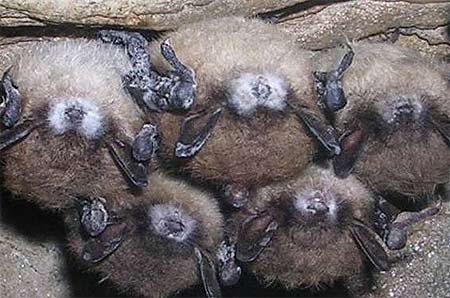
Commonly called White Nose Syndrome, the disease, caused by a fungus—which originated in Europe—first appeared in a cave in New York in 2006. Bat biologist, Tara Poloskey.
19— What happens is it grows on the bat during hibernation when they aren’t cleaning themselves. And then it makes them wake up; every time a bat wakes up in hibernation, they use valuable resources. And they only have a certain amount of fat reserves to get them through the winter. And so it keeps waking them up until they eventually starve. Or they are so dehydrated that they die.
The disease has killed an estimated 6-million bats in the US. Reported in both Oklahoma and Arkansas, White Nose Syndrome is on Texas’ doorstep.
12— This winter, Texas Parks and Wildlife will be doing surveys in Texas for White Nose, and really cranking up our White Nose monitoring and education, and really trying to spread the word about it.
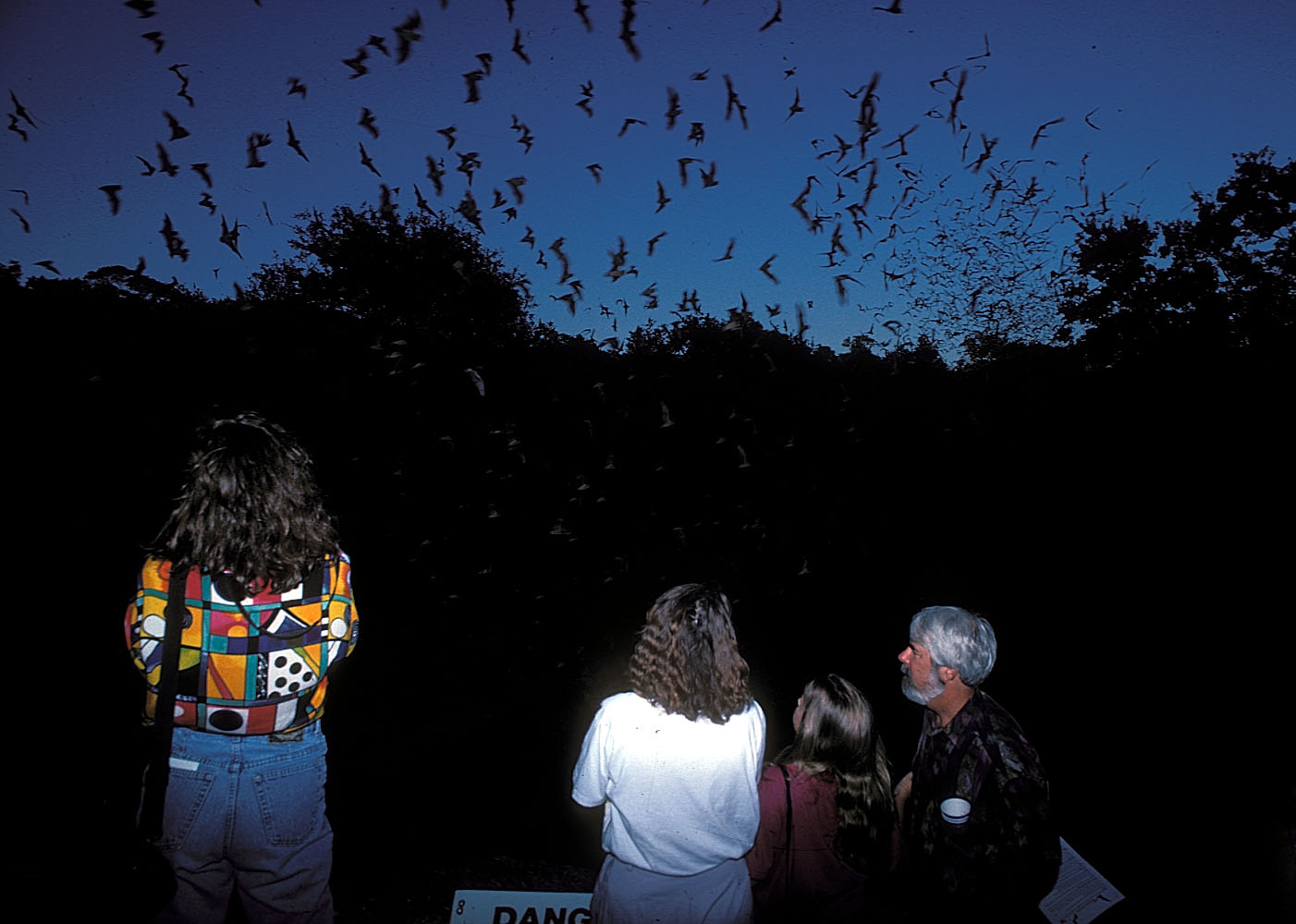
Bats have earned a bad reputation, which is unfair to the flying mammals, says bat biologist Tara Poloskey.
07— Bats are sort of like the underdog. A lot of people don’t appreciate them, because they’re night flying creatures and typically nightly flying creatures are scary.
Then there are myths about bats: they fly into your hair, they’re aggressive, and they spread disease.
13— I have found them to be so important agriculturally, economically – around the world. There are 12-hundred species, and they live in just about every niche you can imagine; They’re just such amazing creatures.
Poloskey says bats eat their weight in agricultural pests every night, reducing the need for chemical intervention by farmers; and they pollinate a variety of ornamental and edible plants worldwide. Without bats, earth would be a very different place.
19— We wouldn’t have all of the beautiful trees that bats disperse seeds for. We wouldn’t have our lovely tequila that we love so much. So, we would have a lot of insets. We would have less diversity. We would have flowers that don’t bloom anymore. It would be a sad place.
Tomorrow: a fungus is spreading across the US, threatening these beneficial animals.
The Wildlife and Sport Fish Restoration program program supports our series, and funds diverse conservation projects in Texas.
For Texas Parks and Wildlife…I’m Cecilia Nasti.
Posted in Wildlife | Comments Off on Wildlife: Beneficial Bats
Bass anglers in the know – regardless of where they are in the world – make tracks to Texas to reel in big fish.
04—By Texas standards, a big bass is one that’s 13 pounds or larger.
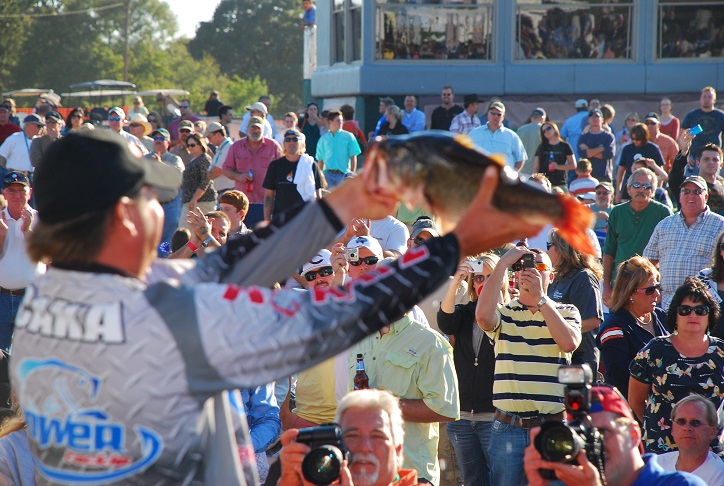
Dave Terre, with Inland fisheries, says the 7th Annual Toyota Texas Bass Classic will bring the world’s top bass anglers to Lake Conroe for a world class tournament. And maybe someone will reel in a 13 pound lunker.
17—Lake Conroe is one of the lakes in the state that’s produced a lot of fish of that size. At no time have we caught a lunker during a Toyota Texas Bass Classic Tournament, but I think this is the big year. I keep making those promises every year, but I think this is the year that it’s going to happen.
Family activities and musical entertainment are also on the agenda of this free event, set for October 4 – 6. But anglers, bass, and conservation, take center stage.
23— This tournament is the most conservation-minded bass tournament in the history of bass fishing. Every fish that’s caught and weighed in this tournament is done so in the boat. Most of them are released immediately after being caught. We do bring a few big fish to the stage for the public to see, but they are taken care of by Texas Parks and Wildlife biologists.


 Passport to Texas is a
  Passport to Texas is made available by: