December 28th, 2018
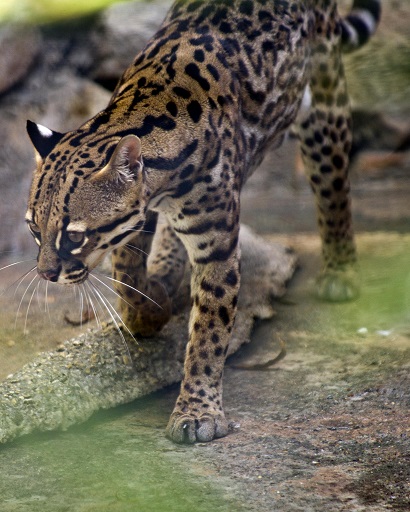
Endangered Ocelot
This is Passport to Texas
Roads provide convenient travel to work, school and home for humans—but not for wildlife.
You have habitat loss. And then that physical road can act as a barrier to wildlife. It can impact habitat connectivity. Which, then, in turn can impact genetic transfer of information between populations, and weaken the genetic background for a species.
Laura Zebehazy, program leader for Wildlife Habitat Assessment, studies the impacts of roadways on wildlife, known as road ecology.
Basically, it is where biologists, engineers, landscape architects… try to evaluate the impacts that road infrastructure has on wildlife habitat connectivity, air pollution, noise pollution, and try to find solutions to alleviate those impacts from that type of development.
Endangered ocelots that live in Rio Grande Valley brush country have died on SH 100. TxDOT, in consultation with US Fish and Wildlife Service and Texas Parks and Wildlife, completed four wildlife underpasses along this popular route to South Padre Island.
To allow ocelot and any other wildlife in the area to move under the road between the Bahia Grande to the south, and the Port of Brownsville area up north towards Laguna Atascosa National Wildlife Refuge.
With wildlife cameras in place, TxDOT will collect data on these solutions and adjust as necessary to save this (and other) rare species.
The Wildlife restoration Program supports our series. [WL.W136M8]
For Texas Parks and Wildlife…I’m Cecilia Nasti.
Posted in Conservation, Wildlife | Comments Off on Why Did the Ocelot Cross the Road…
December 27th, 2018

Hunters for the Hungry helps feed Texans
This is Passport
Texas meat processors can help feed fellow Texans by distributing hunter-donated venison to needy families through the Hunters for the Hungry program.
Well, this is a wonderful program that helps us both fight hunter and promote environmental stewardship.
Removing deer from the landscape each year promotes healthier habitat and deer populations. Celia Cole is Executive Director of Feeding Texas, which facilitates Hunters for the Hungry. She says the key to making the program work is an active network of processors.
We ask them to provide the processing at a minimal cost – we suggest around $40 – and then the hunter makes that donation. So, let’s say the hunter drops off a deer, the processor will package it. And then, we provide them with a list of hunger relief agencies in their area. And they can either contact that agency to come pick it up, or they can drop it off. And, of course, they receive a tax deduction for their donation, as well.
Hunters who donate deer to the program should check with their tax preparers to see if they can claim a deduction as well. Meanwhile, Hunters for the Hungry encourages meat processors to join the program. Find more information at feedingtexas.org.
And processors can go there to sign up. We also recruit directly off of lists that we have from the health department. So, we will reach out and ask processors to participate.
Hunters and processors who participate in the program are responsible for providing more than 9 million servings annually of venison to needy families.
For Texas Parks and Wildlife…I’m Cecilia Nasti.
Posted in Food, Hunters for the Hungry, Venison | Comments Off on Helping Hungry Texans Through Hunting
December 26th, 2018
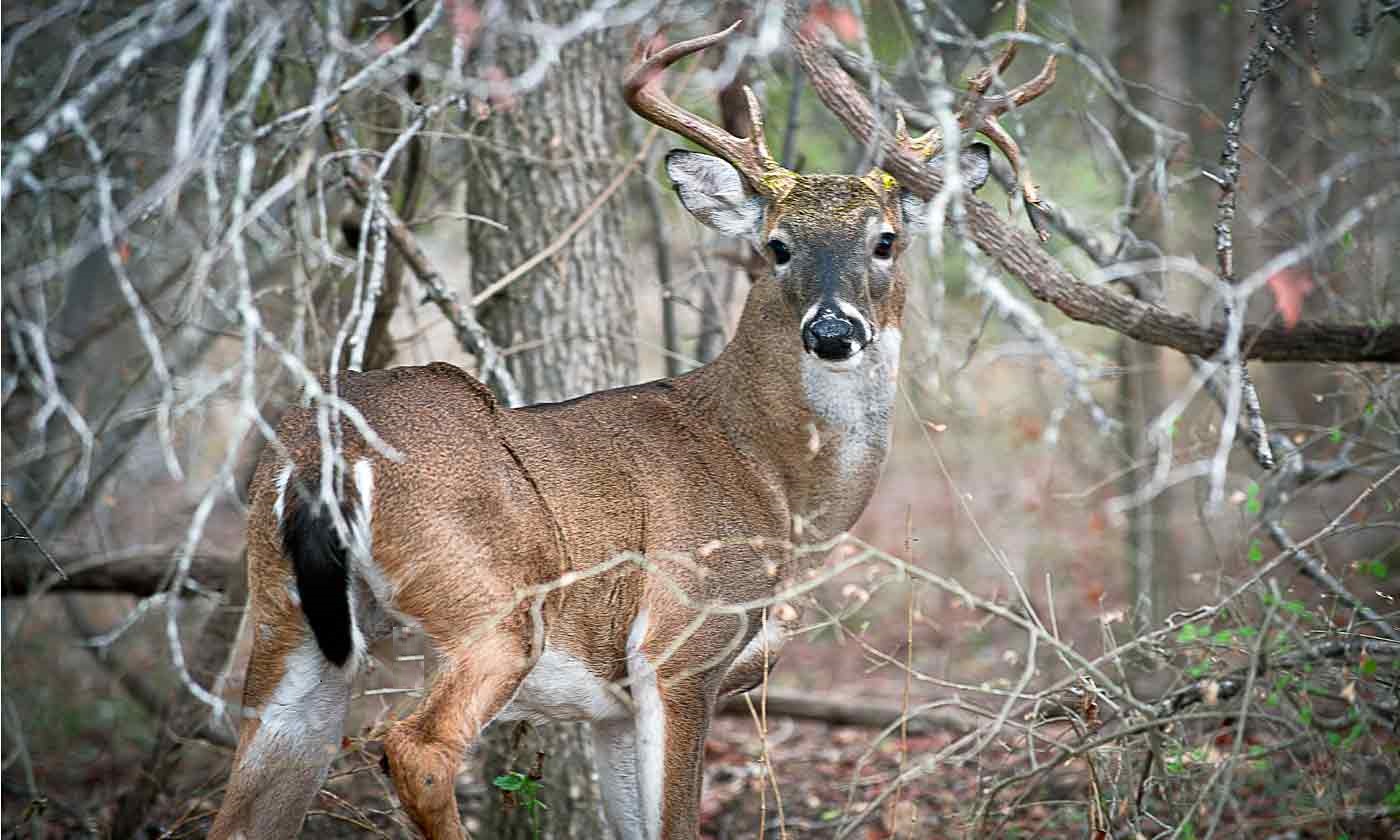
Beautiful, yes. But also an important protein source for hungry Texans.
This is Passport
Feeding Texas is a non-profit association that represents area food banks. Hunters for the Hungry is one of the programs it oversees.
The way it works is, we recruit meat processors to help us get venison out to the families that we serve. For hunters it’s an opportunity to donate back to their communities. And, for our food banks, it’s an opportunity to have access to a really great lean source of protein that the families that we serve really need.
Celia Cole is Executive Director of Feeding Texas. Hunters for the Hungry enjoys enthusiastic hunter participation among deer hunters. Yet, Cole says they need more processors.
Our greatest challenge is bringing in enough processors. So, in all of the areas where there is a lot of hunting, we are in need of more processors. And that is the key to making this program work.
Cole says it’s easy for processors to sign up.
We have our website, huntersforthehungry.org, and processors can go there to sign up. Really, all they need to do is enroll with us
and show a copy of their inspection and be willing to package the meat in the packaging that we provide. So, it’s fairly simple for a
processor to register and become involved in the program.
Tomorrow: how Hunters for the Hungry benefits processors, hunters, and the community.
We receive support from RAM Trucks: Built to Serve
For Texas Parks and Wildlife…I’m Cecilia Nasti.
Posted in Food, Hunting, Venison | Comments Off on Hunting to Feed the Hungry
December 25th, 2018
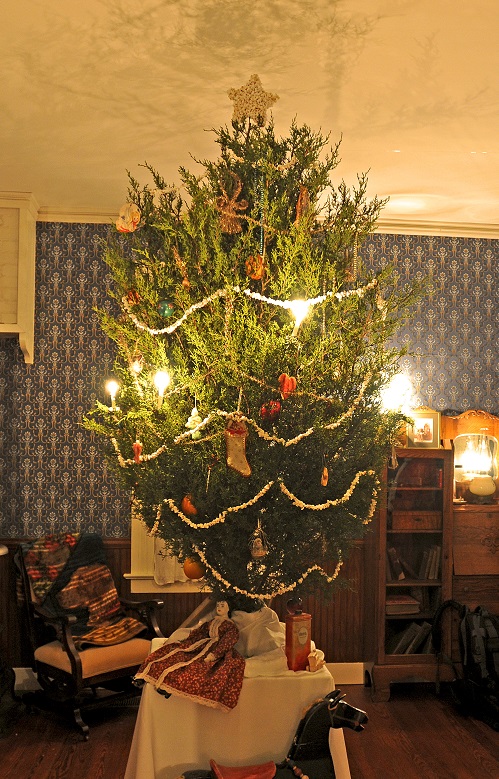
Christmas Tree inside Saur-Beckmann State Historic Site
This is Passport to Texas
The custom of decorating trees for Christmas took root in German villages during the sixteenth century.
A lot of Germans, as you know, settled Texas. And they brought a tradition with them of the tabletop Christmas tree.
Cynthia Brandimarte is program director for Texas historic sites.
When you look at interior photographs of Texas houses, you see many tabletop Christmas trees ornamented for the season, particularly in German households in the late nineteenth century Texas.
Ornaments were handmade then, and small gifts often dangled from branches. Eventually, the tabletop conifer gave way to larger trees that became “floor models,” and the decorations sometimes mirrored the day’s events.
You saw more and more seven or eight feet trees that were placed on the floor. And because we had just ended the Spanish American war in victory, there was a fashion in the early part of the twentieth century to decorate trees with a few American flags here and there. We have photographic evidence for that.
If you celebrate Christmas, we wish you a joyous holiday. And if you do not, then it’s the perfect opportunity to spend time in nature, because Life’s Better Outside.
Wishing all of you a Merry Christmas and Healthy New Year.
For Texas Parks and Wildlife…I’m Cecilia Nasti.
Posted in Christmas, Christmas in the Parks | Comments Off on O, Texas Tannenbaum
December 24th, 2018

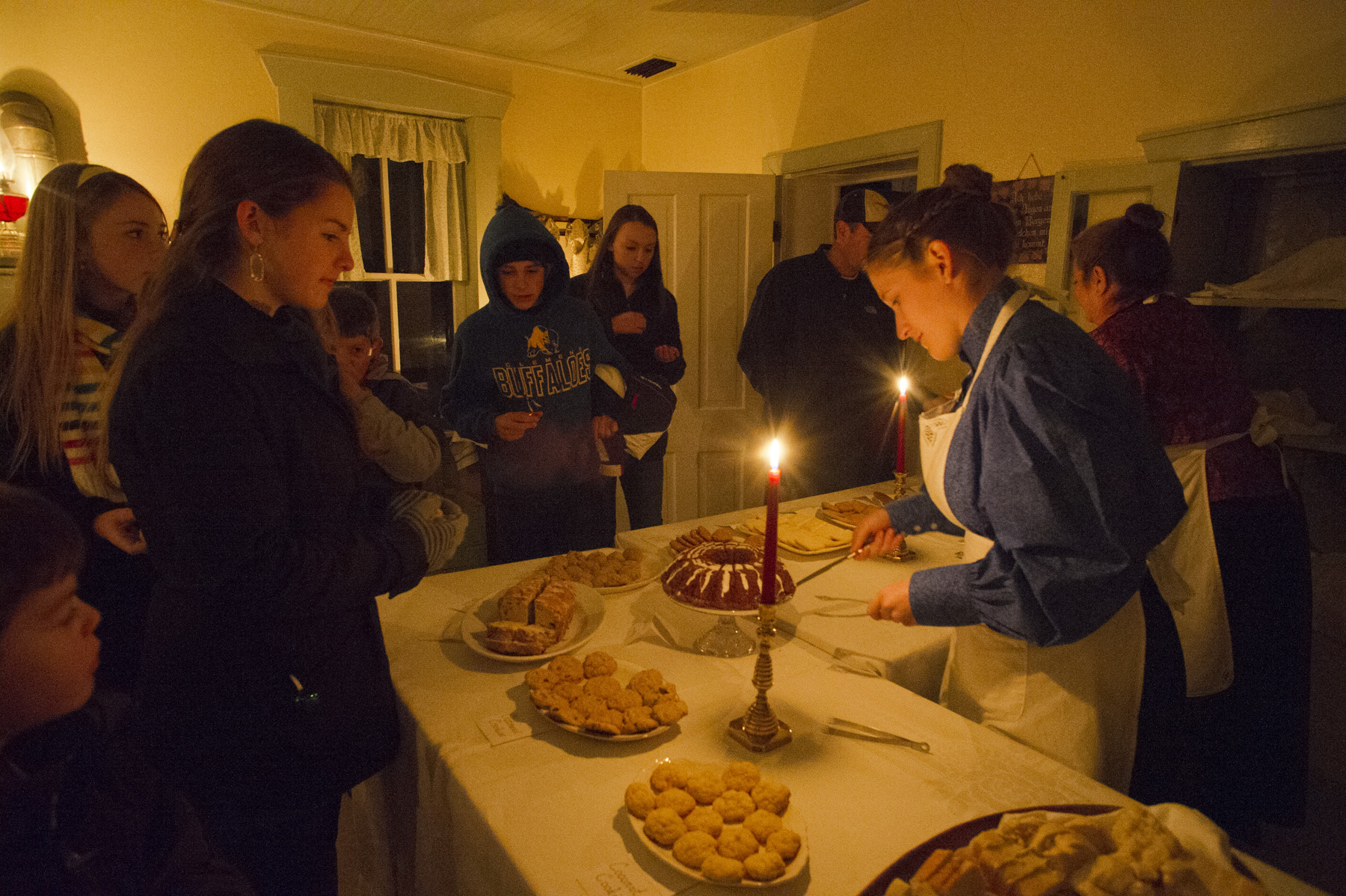
Christmas at Sauer Beckman Farm.
This is Passport to Texas
We have something in common with early Texans.
Christmas and the month of December—in large part—was the time when Texans gathered.
Cynthia Brandimarte is program director for Texas historic sites. Unlike today when a short trip by car or plane will get us to our holiday destination, travel was difficult for early Texans.
And so when you traveled, you tended to stay. People had time at Christmas to do that—to travel and spend weeks.
Which makes the few days that most of us get off at Christmas seem like a rip off. And early Texans made good use of this block of time.
It was then that they celebrated not only Christmas, but other special events, and planned weddings for the month of December.
Since Texas was mostly rural in the 19th and early 20th Centuries, and there wasn’t a lot of farming that could happen in December…
It almost gave 19th Century and early 20th Century rural Texans an excuse not to work. And thus to play a bit more, and socialize a bit more, than they had time to do many other months of the year.
How will you spend your time off this holiday season? How about making time to enjoy the great outdoors?
For Texas Parks and Wildlife…I’m Cecilia Nasti.
Posted in Christmas | Comments Off on Relaxing Old School During the Holidays


 Passport to Texas is a
  Passport to Texas is made available by: