March 7th, 2013

Bluebird Nest Box
This is Passport to Texas
Not all birds nest in trees.
[sfx….bluebird song]
In fact, bluebirds are actually a cavity dwelling species in need of holes to build their homes. Habitat loss has diminished their housing opportunities, but bluebird enthusiasts are rolling out the welcome mat with man-made nest boxes.
15— In Texas we make it with a large overhanging roof, to protect from the sun. The dimensions are a little larger, that’s because our birds need more air because it’s so hot. Our birds need to be protected from the heat.
Pauline Tom is with the Texas Bluebird Society. The hole of bluebird nest box is about one and a half inches…perfect for a bluebird, not so great for a European Starling.
17—These birds came over from England in the mid 1800’s. It was like bringing fire ants in, a terrible, terrible pest. And so they’ll take the cavities that our native birds need, and they’ll
actually destroy the eggs and the nestling.
For information on how to build you own nest box, log on to the Texas Parks and Wildlife web site. If you do take on the responsibility of a blue bird nest box…
09—You would clean out the nest box when the birds fledge. The nest box is used over and over.
For Texas Parks and Wildlife, I’m Cecilia Nasti.
Posted in Boating | Comments Off on Bluebird Boxes
March 6th, 2013
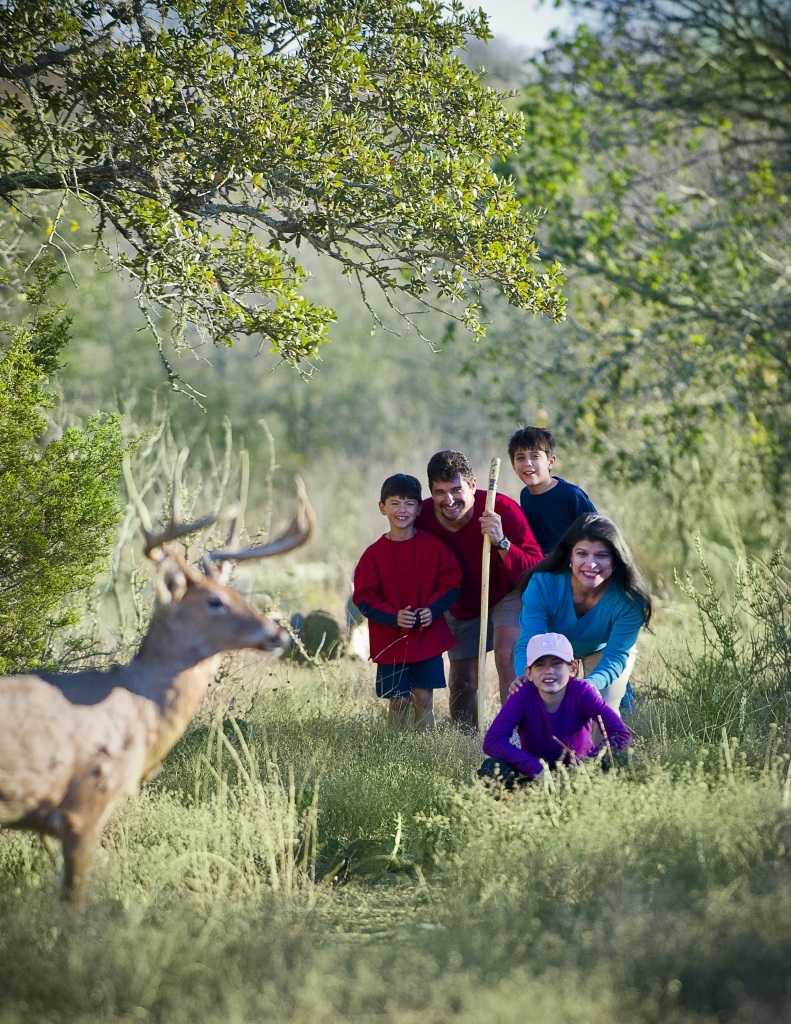
Nature Photography in Texas © Texas Parks and Wildlife Department
This is Passport to Texas
Grab your camera or your camera phone and get to a state park. Texas State Parks Outdoor Activity of the month for March is photography and nature viewing.
03 – Go to the closest state park and take lots of photos
Chase Fountain is a professional photographer working for Texas Parks and Wildlife. Now through April 30, when you upload your Texas State Park photos to our Flickr photo sharing account, you’re entered into a contest.
24–[For first place] the nice folks at Whole Earth provision Company provided us with a Go Pro camera, which does high definition video; it’s also an 11 mega pixel camera. It has a lot of different attachments where you can put it on your helmet, on your bike on your canoe; it’s completely waterproof up to 197
feet. Second prize is going to be a weekend camping excursion at a state park of your choice; and third place is the Texas Outdoor Family workshop for six.
Chase is one of the contest judges.
20 –The winner is going to be based on composition creativity and overall impression. I want real good family oriented type shots – the more the better. You don’t have to be a professional photographer to come up with great shots. Some of the better shots are from a mom and her kids out in the park, and they just take a great shot. I’m always amazed. And I’m the first one to say: that’s a great shot.
Go to www.texasstateparks.org/photography for complete details.
For Texas Parks and Wildlife…I’m Cecilia Nasti.
Posted in Events, State Parks | Comments Off on TPWD Photography Contest, 2
March 5th, 2013
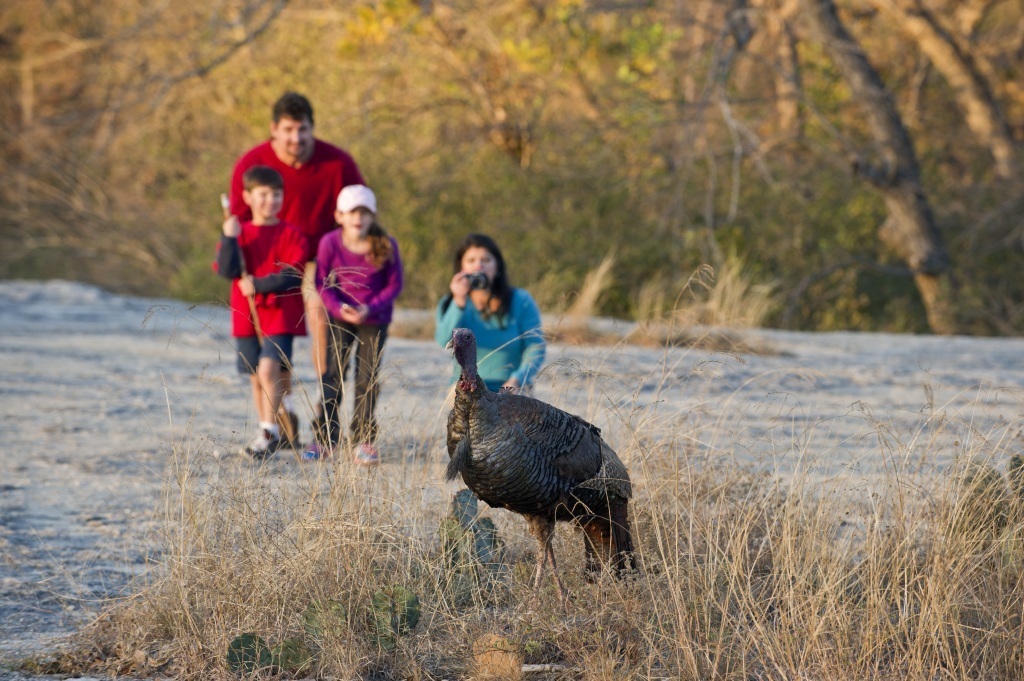
Nature Viewing and Photography © Texas Parks and Wildlife Department
This is Passport to Texas
It’s not unusual to see people snapping photos in state parks. The beautiful scenery makes it nearly impossible to take a bad photograph.
04 – It’s just waiting for the right time of the day to take the right shot; a lot of its just luck.
Chase Fountain is a professional photographer working for Texas Parks and Wildlife. Every month the agency highlights state park outdoor activity of the month.
07 –And for March it’s photography and nature viewing. Grab your kids, grab your camera – go to the closest state park –and take lots of photos.
Through April 30th, enter your state park pictures in the Texas State Parks photo contest. Anything goes.
21 – Just everyday activities that you experience at a park; if it’s your kid and they catch a fish for the very first time and their eyes are wide open and they’re very excited get that shot. Share that moment. If you’re taking a nice walk, and you get lucky enough to come up on some wildlife, take that picture. If it’s a beautiful sunset? Absolutely — take that picture. You don’t have to have expensive cameras; your phone is just fine. They take wonderful pictures these days.
Prizes will be awarded for first, second and third place.
Go to www.texasstateparks.org/photography for complete details. We’ll have more on the contest tomorrow.
For Texas Parks and Wildlife…I’m Cecilia Nasti.
Posted in Events, State Parks | Comments Off on TPWD Photography Contest, 1
March 4th, 2013
Photographing Texas Wildlife in State Parks
This is Passport to Texas
Make your wildlife viewing trip to a state park “picture perfect’ when you bring along a camera. Our State Park Guide, Bryan Frazier, offers tips on taking great shots.
60—If you’re a beginner, in particular, get a versatile lens – something that has some zoom capabilities, but also has some wide angle capabilities. If you’ve got one or two lenses that have some versatility it will save you on fatigue, and also keep you in the game where you can make some adjustments on the fly. Another one I like to tell people is to use a tripod or a monopod. And a lot of times these will double as a hiking stick. So using something as a stabilizer, like a monopod, will make a difference. The other thing – don’t ignore landscape shots. Sometimes the wildlife just doesn’t cooperate. So when you’re out in nature, look for the unique scenery. Look for the wildflowers; look for the colorful skies that can sometimes save a trip from a photography standpoint even if the wildlife doesn’t cooperate. Get kids involved in it – cameras these days are easy to use. You’ll want to take some extra batteries and extra memory cards. But, it’s a great way to engage the whole family in a memorable outdoor experience.
Thanks, Bryan.
That’s our show for today…with funding provided by Chevrolet, supporting outdoor recreation in Texas; because there’s life to be done.
For Texas Parks and Wildlife…I’m Cecilia Nasti.
Posted in State Parks, Wildlife | Comments Off on State Parks: Photography and Wildlife Viewing
March 1st, 2013

Texas Mixed Border Homeowner Inspiration Garden; Image from www.wildflower.org
This is Passport to Texas
Texas roadsides will be awash in colorful wildflowers soon. Dr. Damon Waitt, senior botanist at the Lady Bird Johnson Wildflower Center, says these and other native plants have a place in the built landscape as well as nature’s landscape.
61—Natives provide really important ecosystem services for local wildlife, pollinators. They filter storm water and rainwater, so they provide all these services to the ecosystem, and they can provide similar services in the built landscape, and reduce things like water use, pesticide use and fertilizer use. In addition, they have the aesthetic qualities that we want people to learn to appreciate, so they’re not looking for that next exotic ornamental—that they
‘re more interested in finding that next native plant that looks great and functions perfectly in their environment.
There are a lot of people who might look at wildflowers and native plants and say, gosh, how do those fit into my idea of a formal landscape?
That’s something we’re really trying to fight—that concept that if you’re a native plant enthusiast, then your yard must look wild and unkempt. At the wildflower center, we model different design styles using native plants, and you can use native plants in very high designs and very formal designs if that’s the look you’re going for.
Find plants that are right for you at wildflower.org.
That’s our show…for Texas Parks and Wildlife…I’m Cecilia Nasti.
Posted in Education | Comments Off on Nature: Wildflowers and Other Native Plants


 Passport to Texas is a
  Passport to Texas is made available by: