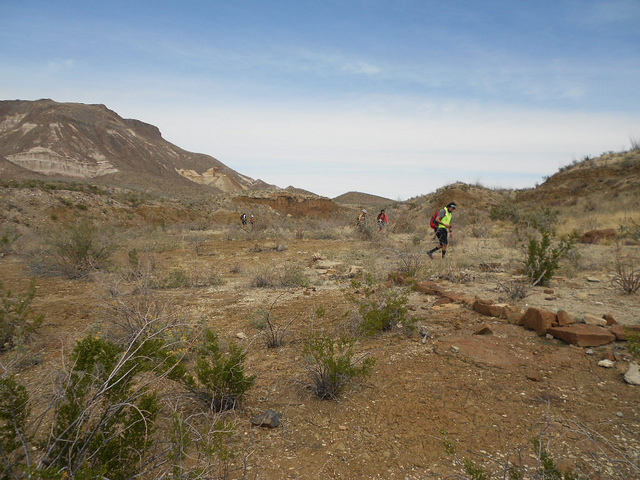
The Chihuahuan Desert Region is the third largest desert region of the Western Hemisphere and the second largest in North America. But many Texans know little about it.
13—I don’t know why they don’t know a lot more about the Chihuahuan Desert [region]. My guess is, when they think of West Texas, they think of Marfa and the art community; they think of McDonald Observatory, they think of Big Bend National Park and the State Park…
…Not realizing those places lie within this unique desert ecosystem. Cynthia Griffin is Executive Director of the Chihuahuan Desert Research Institute, or CDRI, in Fort Davis.
18—The Chihuahuan Desert [region] encompasses about 220-thousand square miles. Most of it is in North Central Mexico. But it also comes into West Texas basically west of the Pecos River. It’s in South Central New Mexico, and it’s in a small part of Southeastern Arizona.
Griffin says the range of elevations in the Chihuahuan Desert Region make it unique.
23—And it goes anywhere from a thousand feet above sea level up to ten thousand feet. And that large diversity in elevation accounts for the flora and the fauna, and it also accounts for the temperatures. Unlike the other deserts, we have a lot of coolness and we have more rain than they do because of that elevation range.
We’ll have more on the desert tomorrow. Until then read about the Chihuahuan Desert Region in the Aug/Sept
issue of Texas Parks and Wildlife magazine.
Good environmental conditions in teal’s northern nesting areas mean more birds and a 16-day early season in Texas.
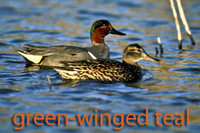
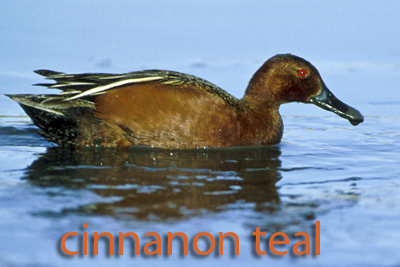
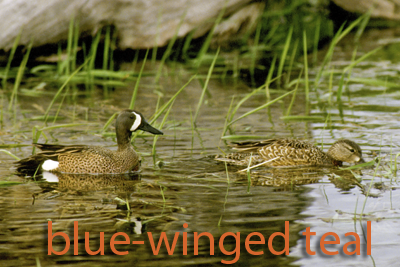
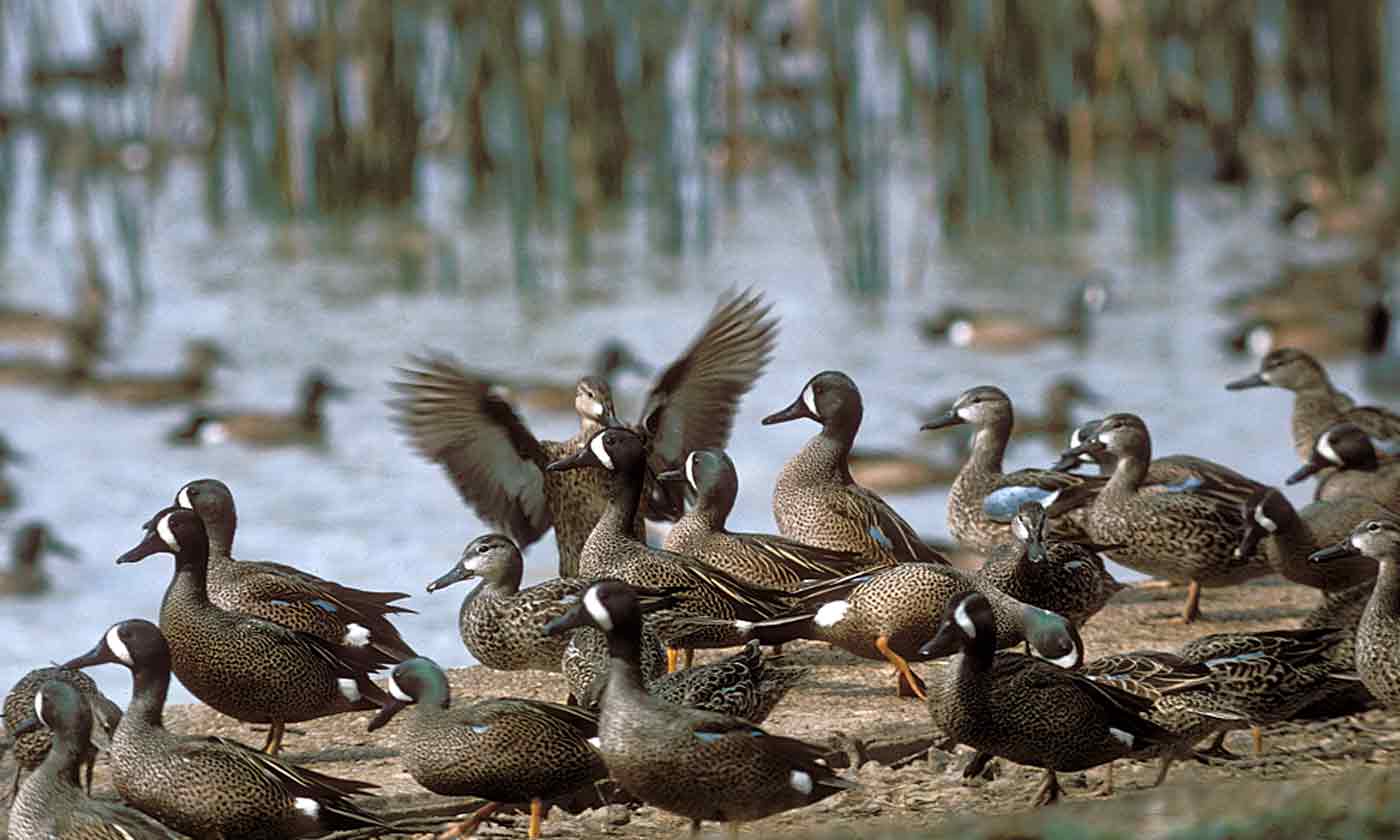
16—Blue-wings are the most abundant, and are very common to Texas early and late in the year. Green-wing teal are kind of our winter residents. And Cinnamon Teal, for the most part, are more of a western bird. They’re not real common in Texas, but we do encounter them from time-to-time.
Kevin Kraai (CRY), waterfowl program leader for Texas Parks and Wildlife, says teal do not behave quite like other duck species.
24—One thing I like to tell hunters is these birds are actively migrating this time of year; it’s very dynamic from one day to the next. So, just wake up and go. You never know if today is the day that the migration is going to be strong. You can go out one day and there will be nothing, and go out the next and be covered up in them. So, I just say wake up and go. Find good shallow habitat, shallow water that has abundant food. And there’s a really good chance there’ll be teal there that day.
The season opens Saturday, September 13 and closes Sunday, September 28, with a six bird daily bag limit.
19—We haven’t looked this good in a long time. Right now we have abundant freshwater, from the Texas High Plains in the panhandle, all
the way down to the Texas coast.
Opportunity awaits. Find more hunting information on the Texas Parks and Wildlife website.
The Wildlife and Sport Fish Restoration Program supports our series.
For Texas Parks and Wildlife, I’m Cecilia Nasti.
Posted in Hunting, SFWR | Comments Off on Hunting: Tips for Hunting Teal
Early teal season provides waterfowlers an opportunity to harvest ducks before the regular season opener in November. Whether hunters get a nine day or sixteen day season depends on the birds.
15—If the breeding population is above 4.7 million, you’re allowed a 16 day, 6 bird [daily] bag limit season. If it’s below 4.7 and above 3 million, you have a nine day season. Anything below – I believe it’s 3 million – the season’s closed.
Kevin Kraai (CRY) is waterfowl program leader for the wildlife division of TPW. It’s been a good year for teal.
15—We’ve had a sustained long-term wet period [this year]. Couple that with some timely Farm Bill programs – such as the Conservation Reserve program – that put large amounts of upland grass on the landscape. And the blue wing teal have just responded favorably to that.
A 16 day season opens Saturday, September 13 and closes Sunday, September 28. Kevin Kraai says to make sure you’re prepared.
11—Each hunter has to be certified in the Harvest Information Program. Additionally, they will need to have a migratory game bird stamp, offered by the state of Texas. As well as a [federal] waterfowl duck stamp.
Find hunting information for all game species on the Texas Parks and Wildlife website.
The Wildlife and Sport Fish Restoration Program supports our series… and receives funds from your purchase of fishing and hunting equipment and motorboat fuel.
The Drawn Hunts system (on public and private land) is online only now and streamlines the application process. Adult application fees are $3 per adult, except Private Lands and Guided Hunt categories, which are $10.
16—Our applications are not all at one time; they’re actually distributed through the month of August into January. We have regular gun/deer in September, and feral hog and exotics…and some of the later hunts for feral hog and spring turkey will actually go into December and January.
Kelly Edmiston, public hunting coordinator, says there are more hunts available than in years past, and selection notification will be faster than ever.
20— We will probably be able to draw one to three business days after a deadline because we’re not having to rely on data and mail and late arriving applications. Before you had to get it here by 5 o’clock the day of the deadline. Now, because it’s online, you’ll basically have until that last day – probably up until 11:59 [p.m.]—to be able to submit an application.
Preference points of the past are loyalty points today.
22— You can now apply more than once within a category. Your loyalty points will still apply to each application you submit in that category equally. So, if you have five preference points for a gun/deer either sex category, and you submit three gun/deer either sex applications, each at a different area, you’re going to get five points on each of your three.
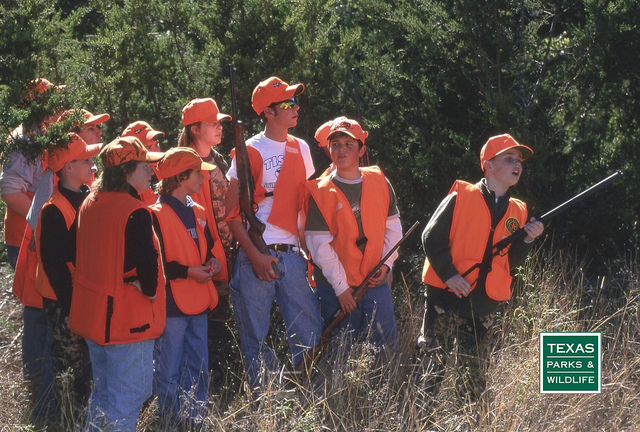
Hunters are taking their firearms out of the gun case and preparing them to go afield this fall. Prep work should also include reviewing gun safety rules.
15—Number one: always point the muzzle in a safe direction. Number two: Treat every firearm as if it were loaded. Three: Be sure of your target; what’s in front as well as beyond. And, then the fourth is unload your firearms when not in use.
Robert Ramirez, Texas Parks and Wildlife hunter education manager, says his department produced a new video – available on YouTube September 6th – illustrating the first four, of ten, rules.
05—In our hunter education course, obviously, we go over all ten gun safety rules.
Ramirez says you and your hunting party should commit the first four rules to memory before going into the field.
03—Firearm safety is everyone’s responsibility.
And if you have not taken hunter education, or need a refresher, it can only serve you well.
20—Hunter education is for everyone who is planning on going afield regardless of age. In the state of Texas, it is mandatory certification if you are going to hunt – 17 years of age or older. There is a grandfather date of September 2, 1971; if you’re born
on or after that date, it’s mandatory [to take] if you’re going to hunt alone.
Visit the Texas Parks and Wildlife website to find hunting rules and regulations, as well as hunter education classes – including online certification classes.


 Passport to Texas is a
  Passport to Texas is made available by: