October 26th, 2017
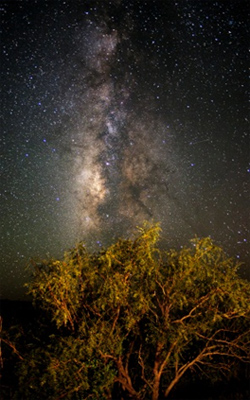
The Milky Way.
This is Passport to Texas
The night sky once offered stunning displays of twinkling stars and planets. These marvels still exist, but light pollution masks their brilliance.
Often what we see that in is the form of what we call skyglow.
Folks in urban areas know it best as a haze of light that hangs over their cities. John Barentine is with the International Dark Sky Association.
Our mission as the IDSA is to preserve and protect that nighttime environment and heritage that we have of dark skies through environmentally responsible outdoor lighting.
Awareness and simple fixes can help take back the night.
Some of the things that we try to do, is to get people to look at the quality of the lighting that they’re using…to think about [whether] the amount of light that’s being put on the ground sensible for the task at hand…and are all the lights fully shielded so we’re not always blasting light [up into the night sky] from the ground.
Experience dark skies at some Texas State Parks.
Enchanted Rock State Natural Area in the Hill Country, and Copper Breaks State Park in North Texas. We have a very active chapter of our organization in Texas. I would say that the reason that this has all come about, is that Texas being largely rural, and having this tradition where — the stars at night are big and bright – that a lot of people consider the dark night sky to be part of the cultural history of the state, and find it worth preserving.
For Texas Parks and Wildlife…I’m Cecilia Nasti.
Posted in Dark Skies, State Parks | Comments Off on Taking Back the Dark Skies
October 25th, 2017
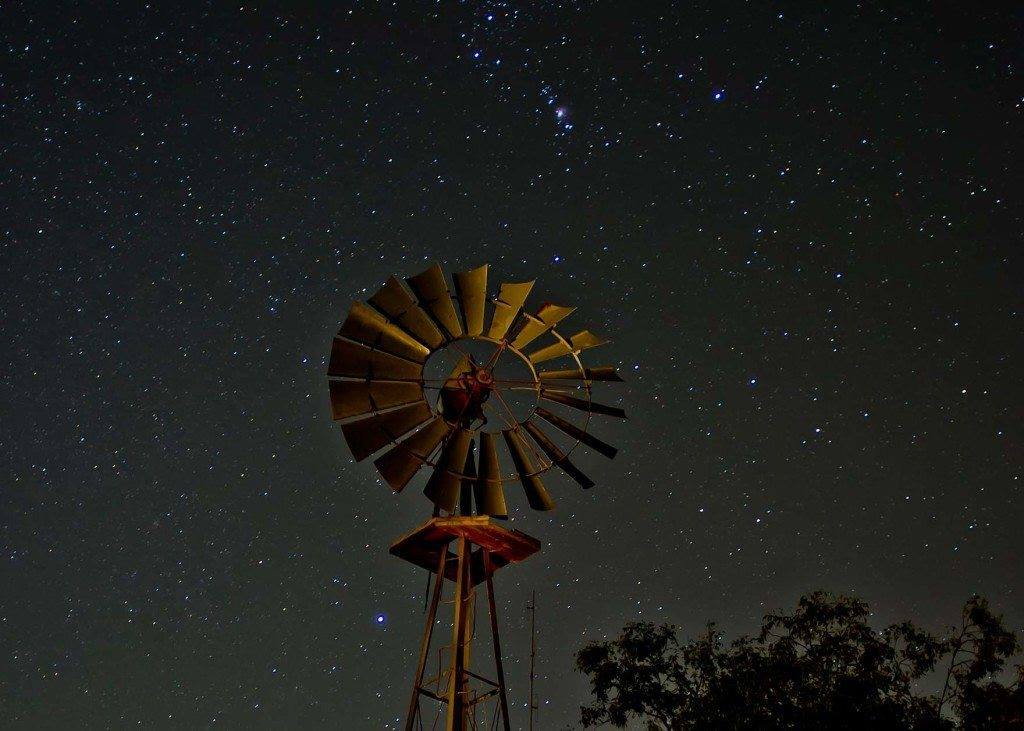
A clear and dark night sky bursting with stars.
This is Passport to Texas
Few of us experience dark skies anymore because of light pollution.
Most often we see that [light pollution] in the form of what we call skyglow…[something] that people who live in or near cities will be familiar with.
Skyglow is hazy reflected light hovering over cities at night, disrupting nature’s day/night cycle. John Barentine, with the International Dark Sky Association says light pollution isn’t exactly benign.
It turns out that there are hormonal pathways throughout the body that are governed by that [day/night] cycle, and when we start disrupting them by putting light in at unusual times of the day, we disrupt those pathways and that’s what we think leads to some of the [potential health] problems.
Blue light (in the spectrum), associated most with sunlight, is most disruptive to our internal clocks.
Blue light triggers this hormone that’s called melatonin; in the daytime when the sun comes up that relatively blue sunlight turns down the production of melatonin and tells us to wake up. And then at night, the result is that the production of melatonin goes up, and that’s the cue that tells us to go to sleep. It’s also regulating all these sub systems throughout the body.
We have a link to The American Medical Association’s report on light pollution at passporttotexas.org. What’s being done to prevent light pollution. That’s tomorrow.
For Texas Parks and Wildlife…I’m Cecilia Nasti.
Posted in Dark Skies, State Parks | Comments Off on Dark Skies for Healthier Lives
October 24th, 2017
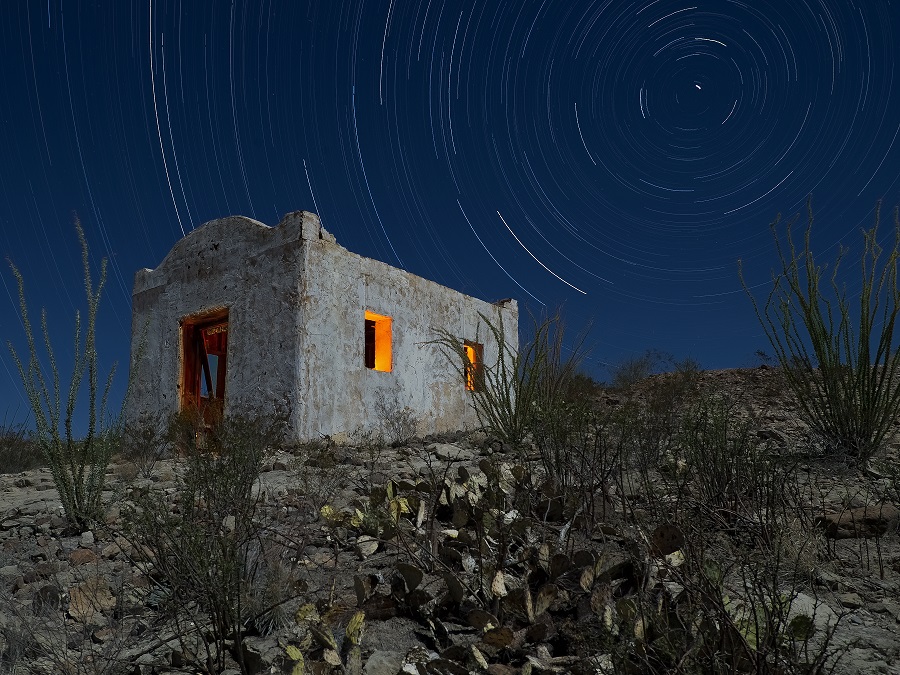
The stars at night….
This is Passport to Texas
Few of us have ever experienced a truly dark sky.
A dark sky is what humanity saw for basically its entire history up until the invention of electric light a little more than a century ago.
While we may feel safer outdoors at night because artificial light illuminates our way, over time, it may actually do more harm than good, says John Barentine, with the International Dark Sky Assn.
We know that artificial light at night has a measurable impact on wildlife; we know that it has an impact on human health. Light governs the night and day cycles of all organisms, so when we put light into the environment when our bodies aren’t expecting it, there are inevitable results—some of which we are just beginning to learn – but turns out that it may be related (at least in humans) to incidents of some types of chronic disease.
Until the advent and widespread use of electric lighting, the sun, and to a lesser extent the moon, governed the cycle of day and night.
That set a rhythm among living things we’ve been disrupting ever since. And we’ll have more about that tomorrow.
For Texas Parks and Wildlife…I’m Cecilia Nasti.
Posted in Dark Skies | Comments Off on Understanding the Value of Dark Skies
October 23rd, 2017
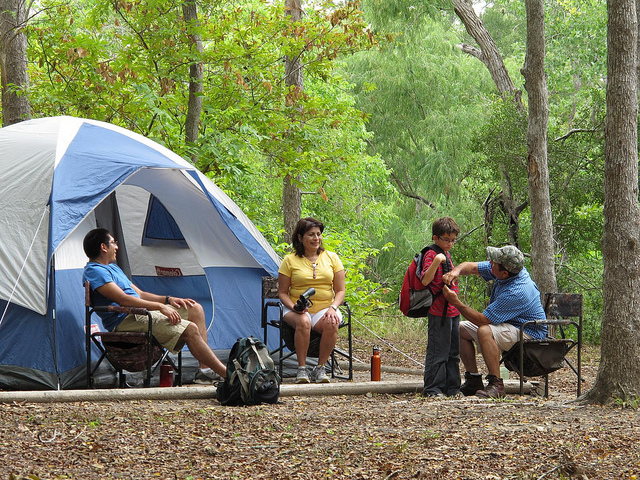
Camping with the Family
This is Passport to Texas
Fall camping season is here. And Texas Outdoor Family coordinator, Robert Owen, says following a few simple suggestions will enhance your camping experience.
Plan ahead for your activities. Make sure you have a good pair of comfortable shoes to go along with your weekend; while you’re spending time on the trail you’ll want to keep your feet comfortable. Bring some water and sunscreen along regardless of the season. I like to bring along a GPS unit when I camp because I do enjoy Geocaching as a sport. Bring along that fishing equipment – the fish always tend to bite better in the cooler months. And also [bring some] binoculars – the winter months provide great opportunities for bird watching at Texas State Parks, and wildlife watching as well. Would you say that going to texasstateparks.org is a good place for people to begin their camping trip? Absolutely. It’s broken down into a map view, so you can find a park that’s nearby home or if you’re looking for a reason to get out and explore someplace new. It will tell you all about what the park has to offer; you can check out the park map there, and get a feel for what each campsite may offer. And, there may be a schedule of interpretive activities as well.
Thanks, Robert.
Go to texasstateparks.org to plan your next campout.
That’s our show for today… Funding provided in part by Ram Trucks. Guts. Glory. Ram
For Texas Parks and Wildlife…I’m Cecilia Nasti.
Posted in Camping, Hiking, State Parks | Comments Off on Maximize Your Fall Camping Experience
October 20th, 2017
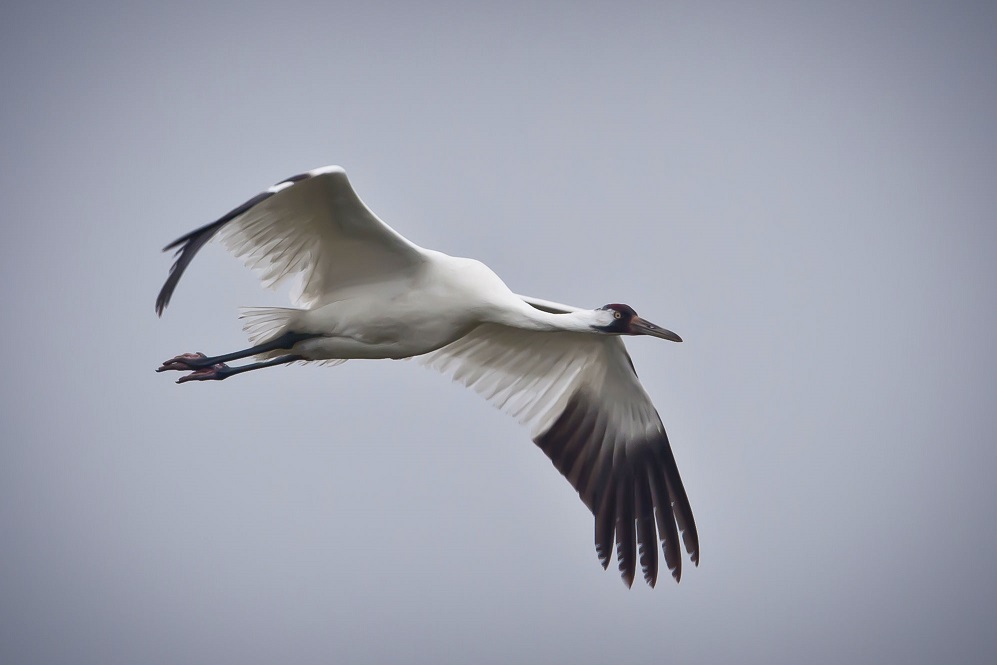
Whooping crane in flight.
This is Passport to Texas’ Whooper Week
People of all ages can become citizen scientists through Texas Parks and Wildlife’s Texas Nature Trackers program.
Texas Nature Trackers is a program that gets citizens involved in helping us collect data on rare species.
Marsha May is a biologist in the program, which includes Texas Whooper Watch. When Whooper Watch started in 2011, the state was in drought; this affected wetlands at Aransas National Wildlife Refuge, where the whoopers winter.
Their main diet down there is the blue crab. But, that particular year [2011], there was not a lot of freshwater coming down to the coast, so the wetlands were really salty. So, a lot of the birds went further inland.
Two hundred miles farther inland at Granger Lake, where they ate mussels instead of their usual diet of crabs.
That’s where Texas Whooper Watch comes in. We want to get sightings of whoopers outside of their normal range at Aransas. Is this something that’s going to happen continually in the future? Are they expanding their range? These are questions we would really would like to see answered. Citizen scientists can get involved by documenting birds in the areas where they’re not normally found.
Find details on Texas Whooper Watch on the Texas Parks and Wildlife website.
The Wildlife Restoration program supports our series.
For Texas Parks and Wildlife, I’m Cecilia Nasti.
Posted in Citizen Science Projects, Conservation, Texas Whooper Watch, Whooping Cranes, Wildlife and Sport Fish Restoration Program | Comments Off on Whooper Week: Become a Whooper Watcher


 Passport to Texas is a
  Passport to Texas is made available by: